Costa Brava to East Coast

Preview: Atlantic sunrise

Preview: Atlantic sunrise

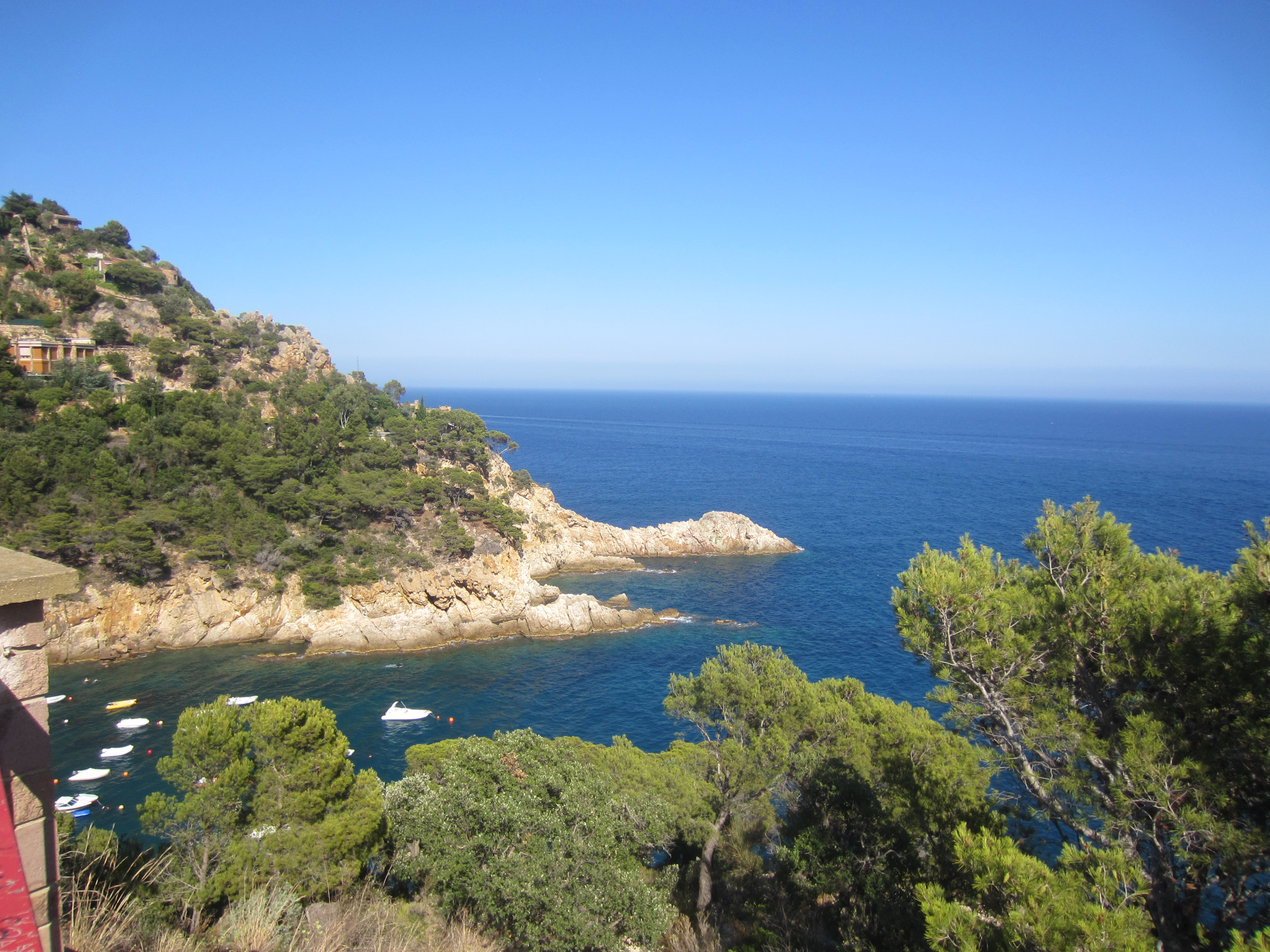
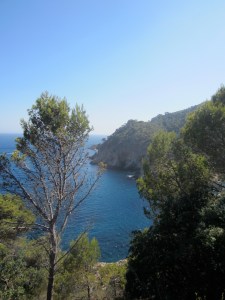
Opening this post with no dazzling first line was not really what I had in mind. Somebody please just toss a poetic blast of bombast at my beleaguered brain! Say what? Can you repeat that? No matter, let’s just get down to the biz of catching up on our whereabouts since we left Barcelona last August. People keep asking me, where are you guys? Well, right now we’re in Portland, Oregon. And, sad to say, many long miles from the beautiful Costa Brava, España. Here’s where we were in August 2012: along the coast north of Barcelona, known as the Costa Brava. We rented a car and went exploring.
Big Sur's got nothin' on the Costa Brava!

Big Sur’s got nothin’ on the Costa Brava!

Many years ago I asked one of my uncles, in Italy, how they manage to keep Italy so clean, green and well-tended. “We toss all our trash into the Mediterranean!” he replied with head-tossing laughter!
a noisy little cove... check out the boats!

no trash in sight… just lots of gorgeous scenery!

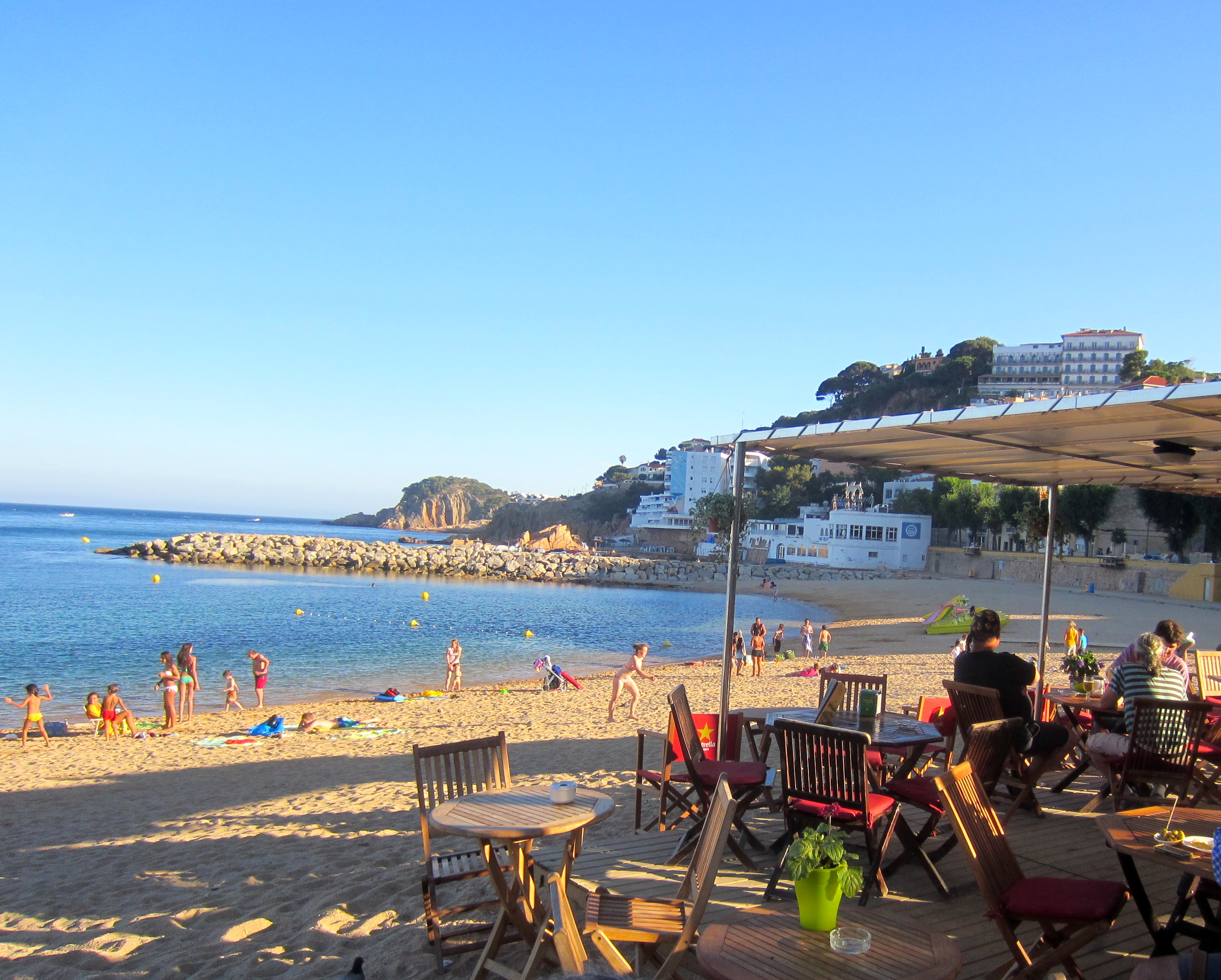
Not trashy here on the Costa Brava, and only 116 km south of the South of France. Check it out! This beach borders the historic town of Sant Feliu de Guixols. I have no idea who that happy saint was, it’s Catalan to me.
ljhasd

Sunday afternoon at the beach – Renoir could have painted this

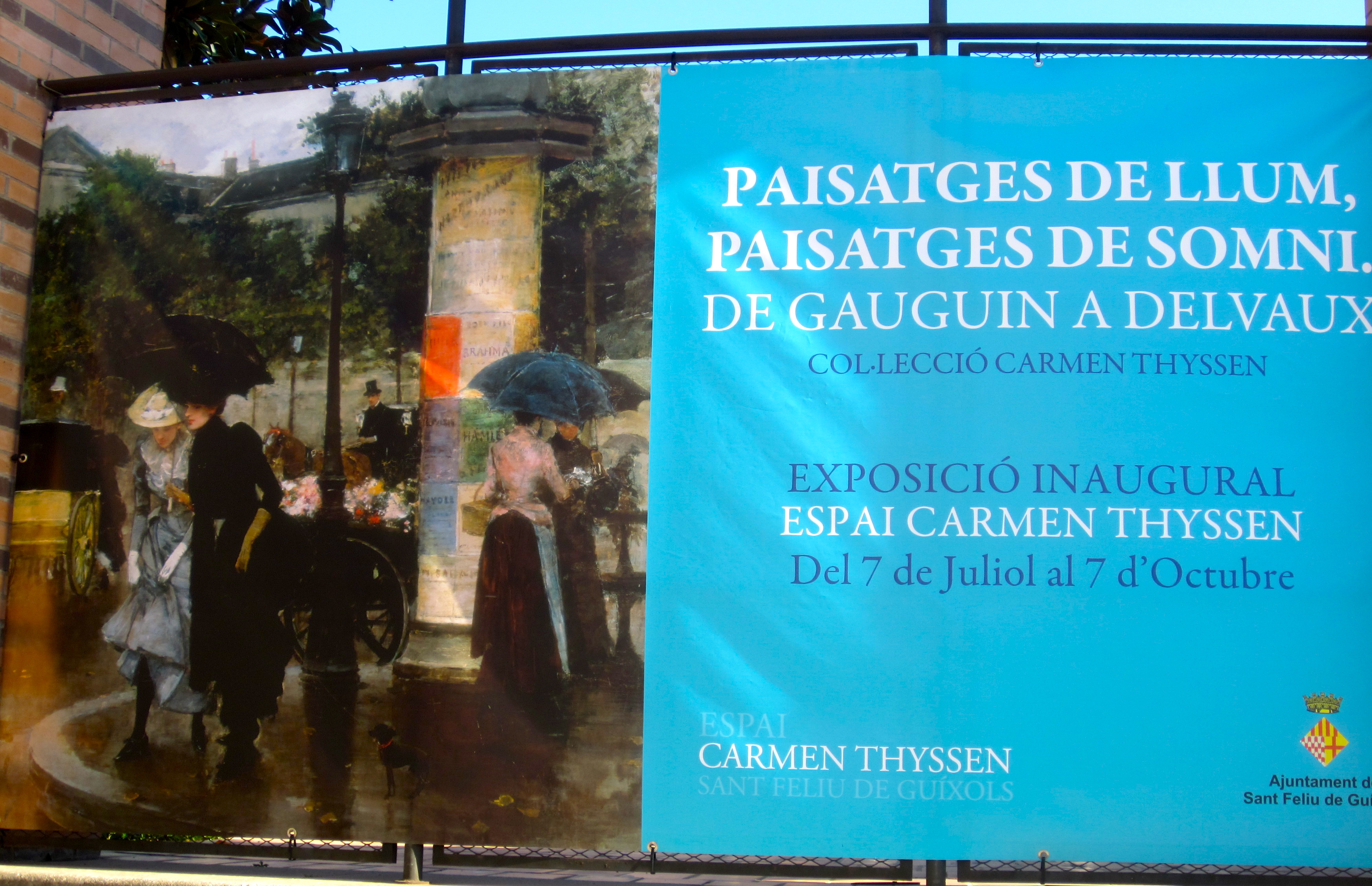
Sant Feliu has an awesome museum, the Espai Carmen Thyssen, founded by the late Baron Hans Henrik von Thyssen-Bornemisza (1921-2002), a wealthy Swiss-German industrialist art collector with an ancestral Hungarian title and a villa in Montecarlo. The museum is named for von Thyssen’s fifth wife, Carmen “Tita” Cervera, a former Miss Spain, whose art-loving instincts played a key role in bringing her husband’s valuable collection of nineteenth century Andalusian and Catalan art to Spain.

images

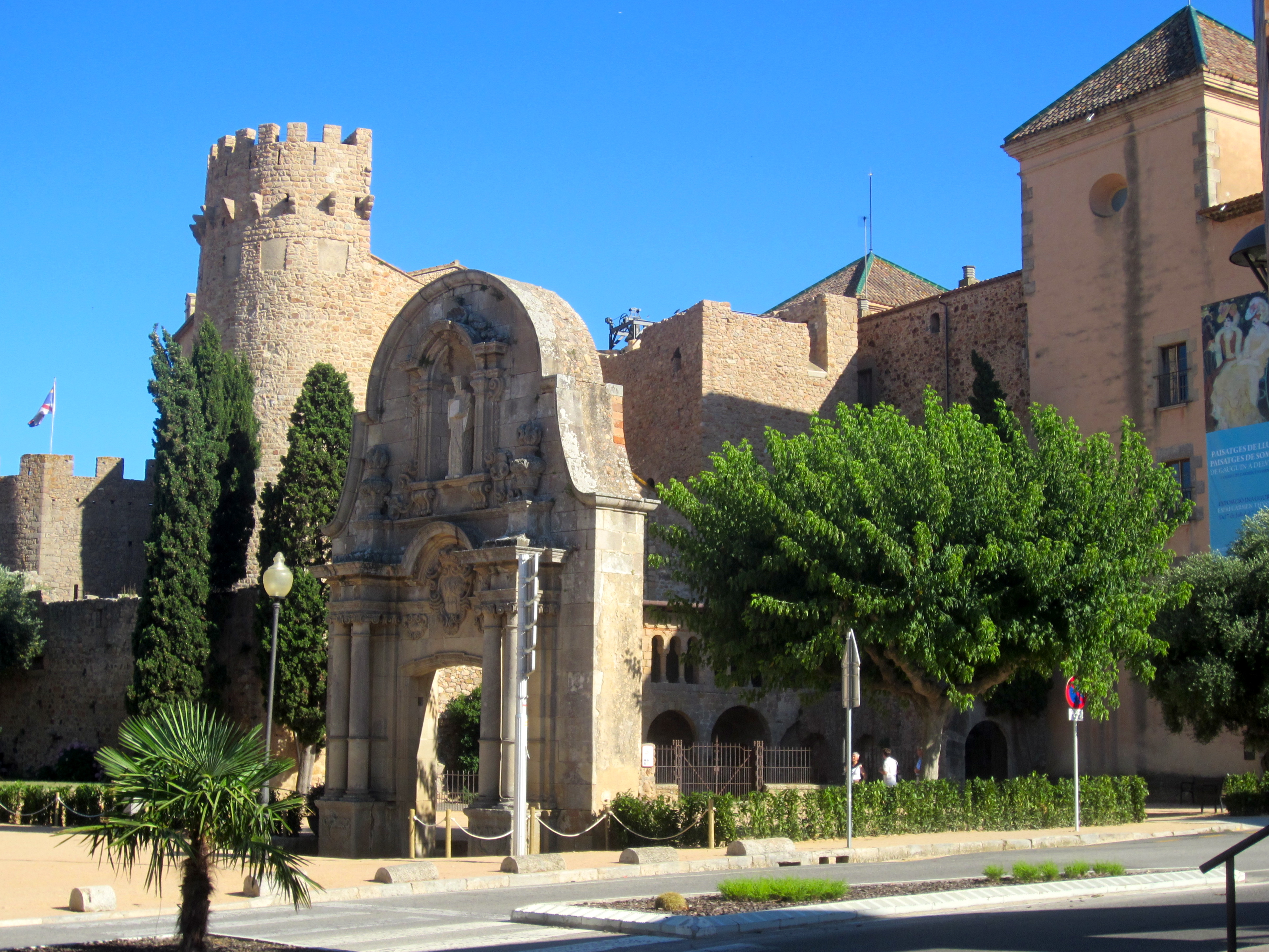
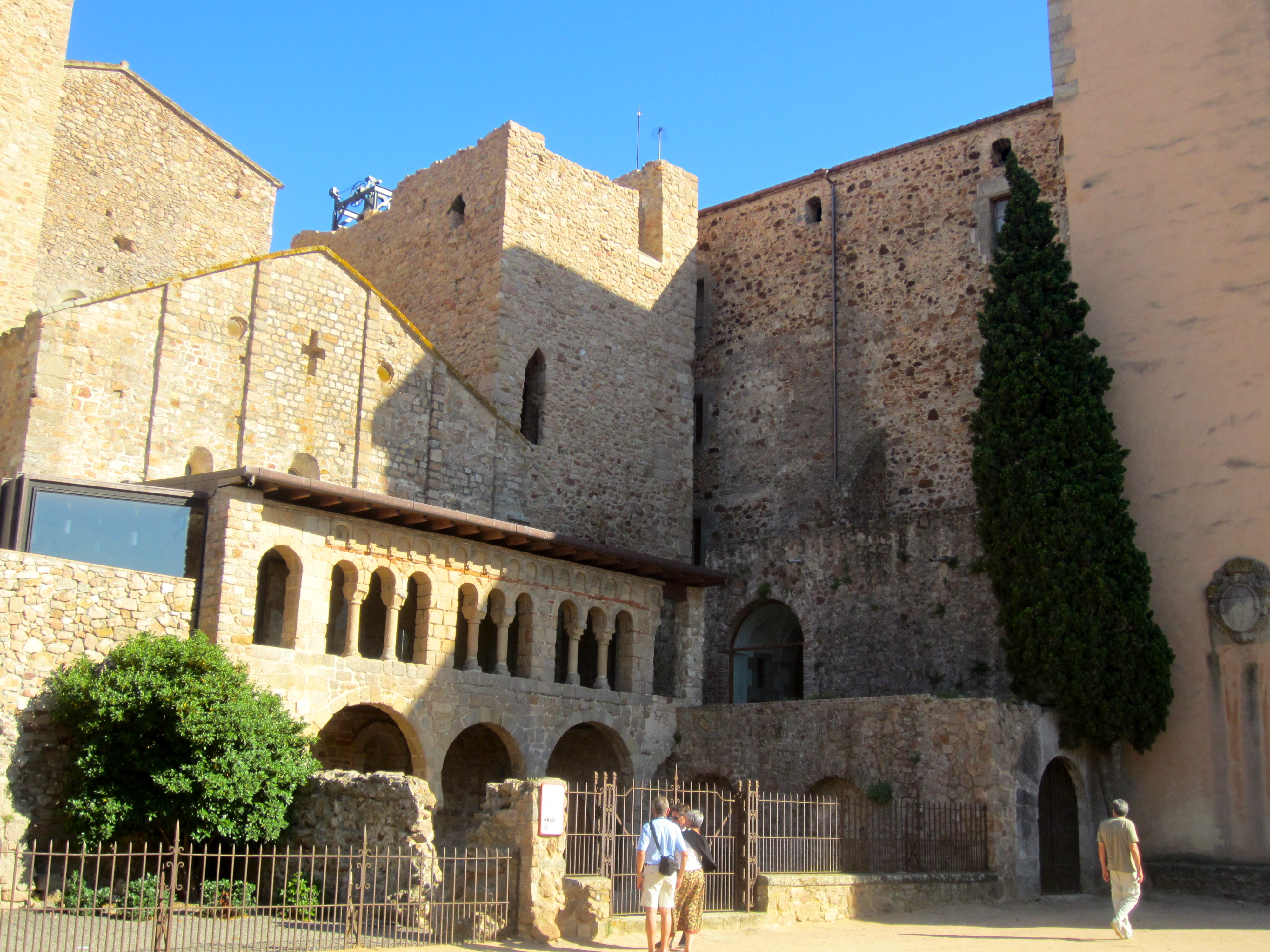
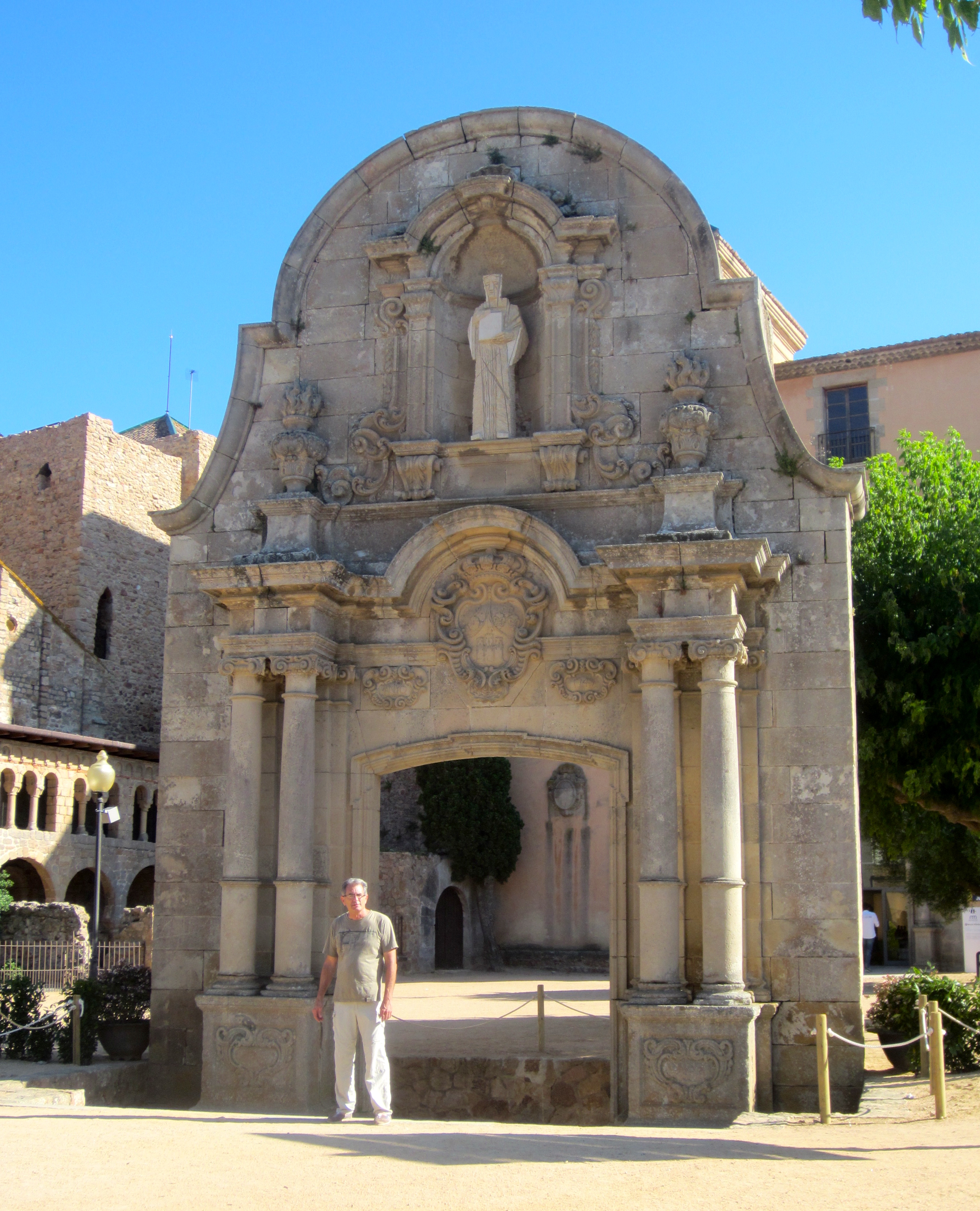
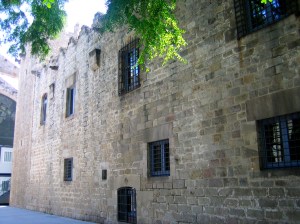
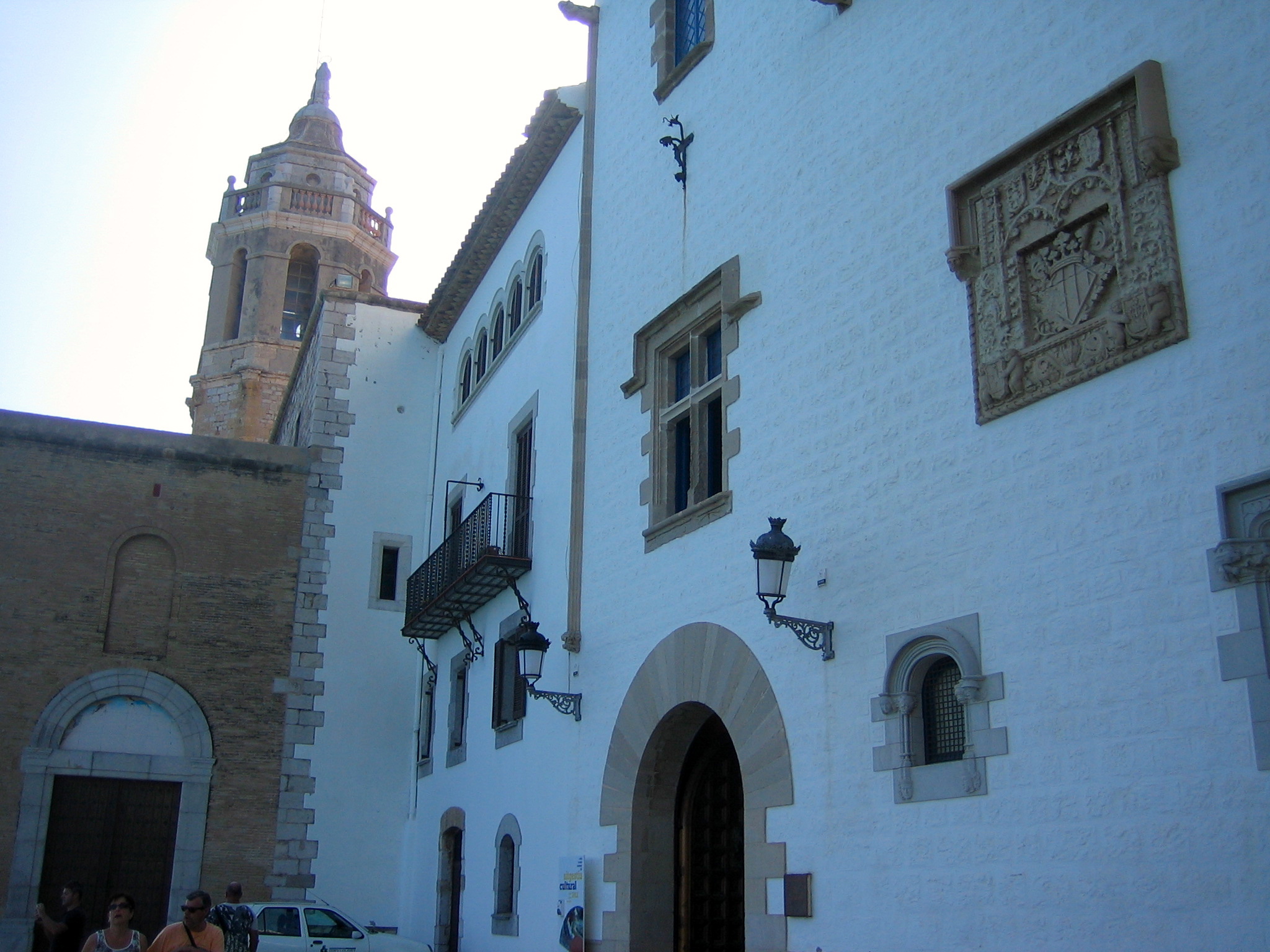
The museum entrance is on the right. Behind the arch is the 10th century Roman monastery, built over the ruins of an old castle which saw plenty of action back in the day. Apparently the monks were occasionally  called upon to drop their rosaries and defend their turf from marauding turks, moors and other riffraff, with arrows shot from narrow openings in the high walls.

Carmen Thyssen Museum

Carmen Thyssen Museum on right

former monastery

Benedictine monastery, rebuilt in 1723

Ben at the Arc de Sant Benet (1747)

Ben at the Arc de Sant Benet (1747)

Quite the jetsetting playboy, Baron Thyssen once famously explained his surname: «Bornemisza significa que no bebe vino, y yo más bien debería decir que no bebo agua». (“Bornemisza means “doesn’t drink wine,” but in my case “doesn’t drink water” would be more apt.”) The Baron also has  museums in Málaga and Madrid. In the 1980s he created a foundation to prevent his fabulous collection being dismantled and sold off to private collectors. My mom, a retired art critic, reminded me that she interviewed Baron von Thyssen when  he visited the San Francisco Museum of Modern Art, accompanying an exhibition of his personal collection.

CarmenThyssenMuseum

PR for the fabulous inaugural exhibit at the Espai Carmen Thyssen. What a gorgeous day, and filled with spectacular art. The above painting made me nostalgic for our time in Paris: it rained so much last spring.

The Baroness Carmen Thyssen said of Sant Feliu: “…her dazzling beauty and  joyful people I found captivating from the first.”

Sant Feliu aerial shot

Sant Feliu aerial shot

Adios, España! In late August we flew from Barcelona back to Paris and on to San Francisco. After visiting family and friends in California we took a month-long break in beautiful South Carolina.

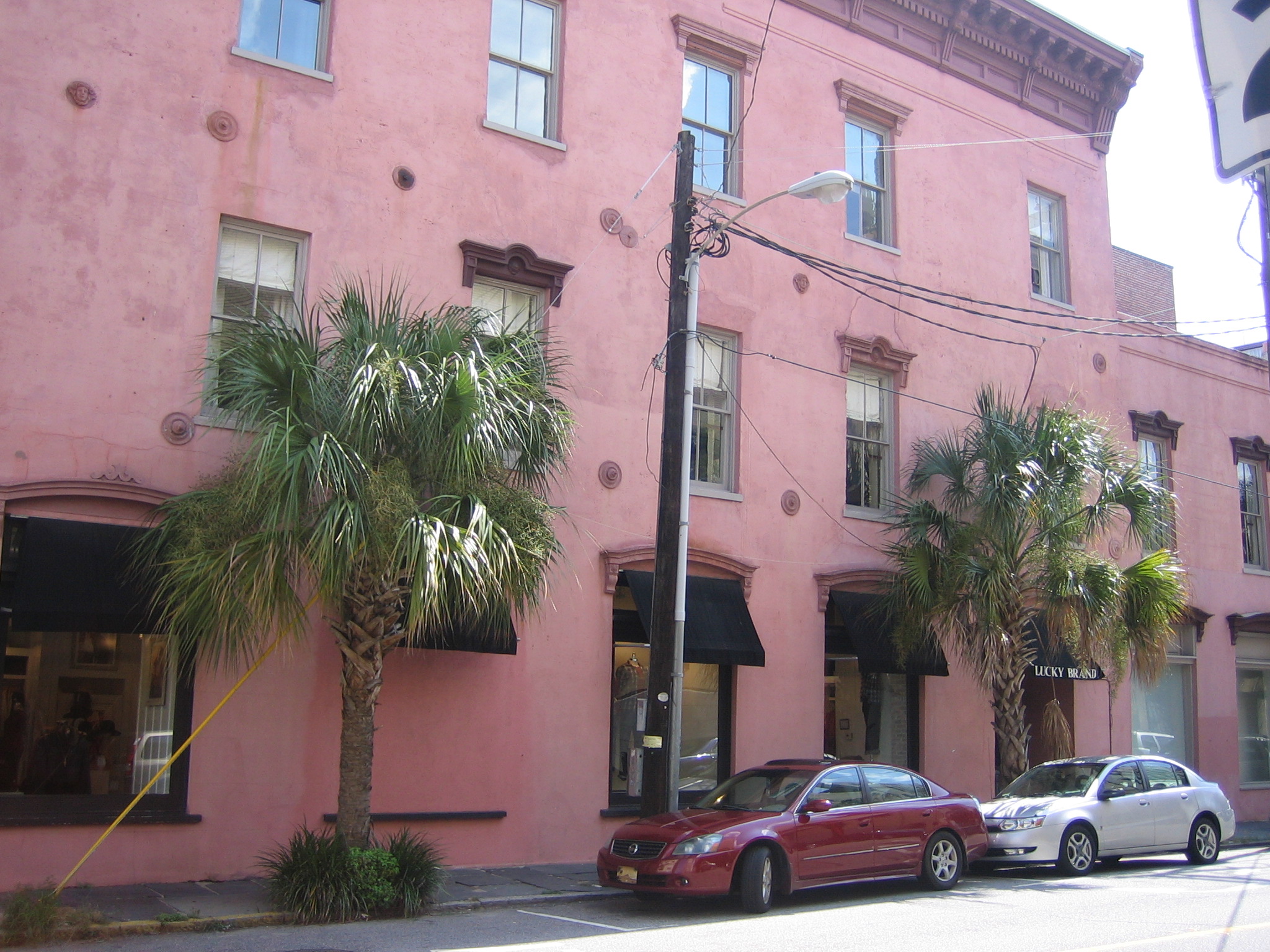
Charleston SC

Charleston SC

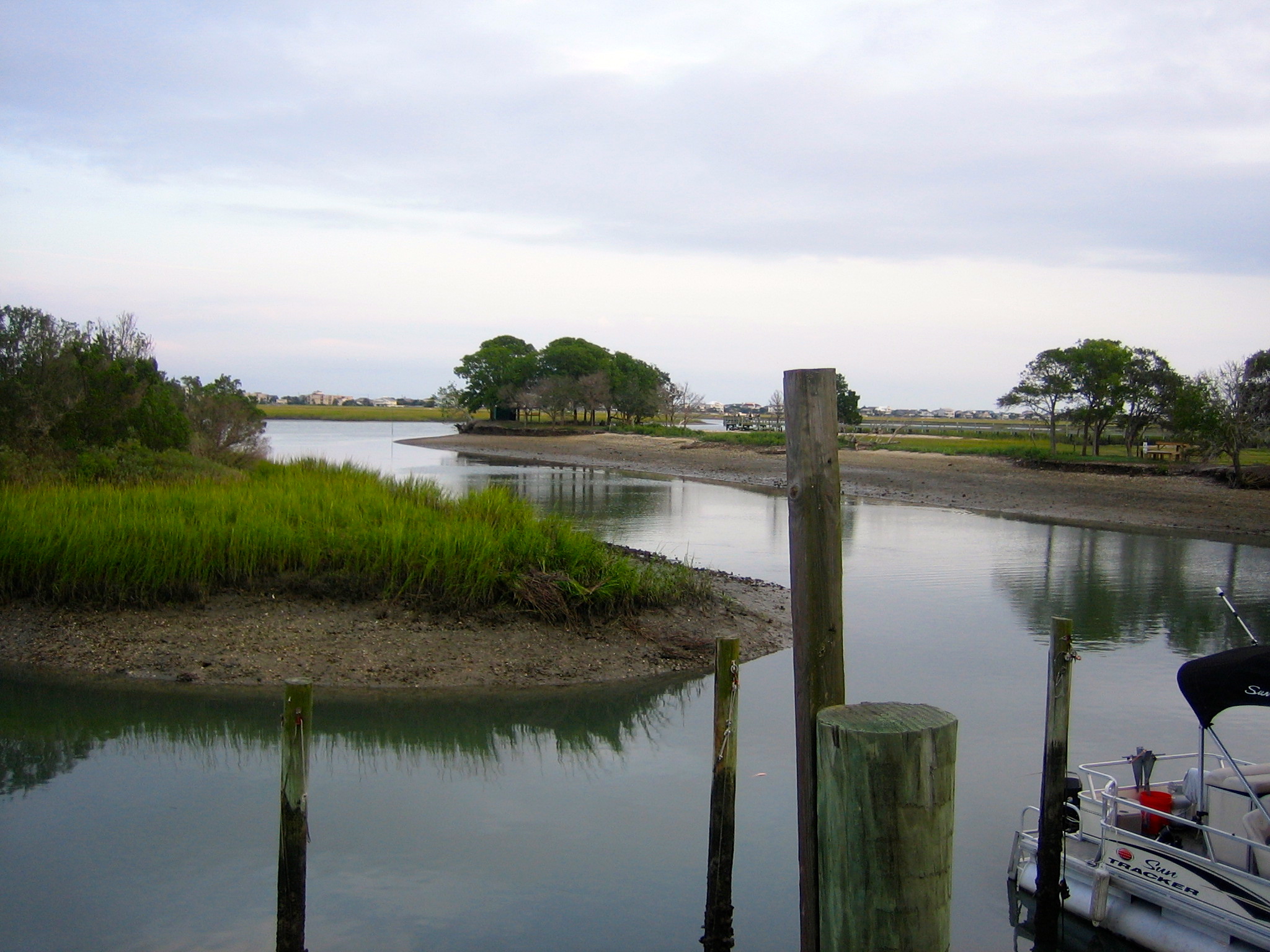
From Charleston — where I could stay forever — we drove south to Murrell’s Inlet for a vacation from the vacation! A restorative, off-schedule downtime of surf, sun, sleep & fresh seafood prepared by Chef Ben.
cloudy day at Murrell's Inlet

late afternoon on the inter-coastal waterway

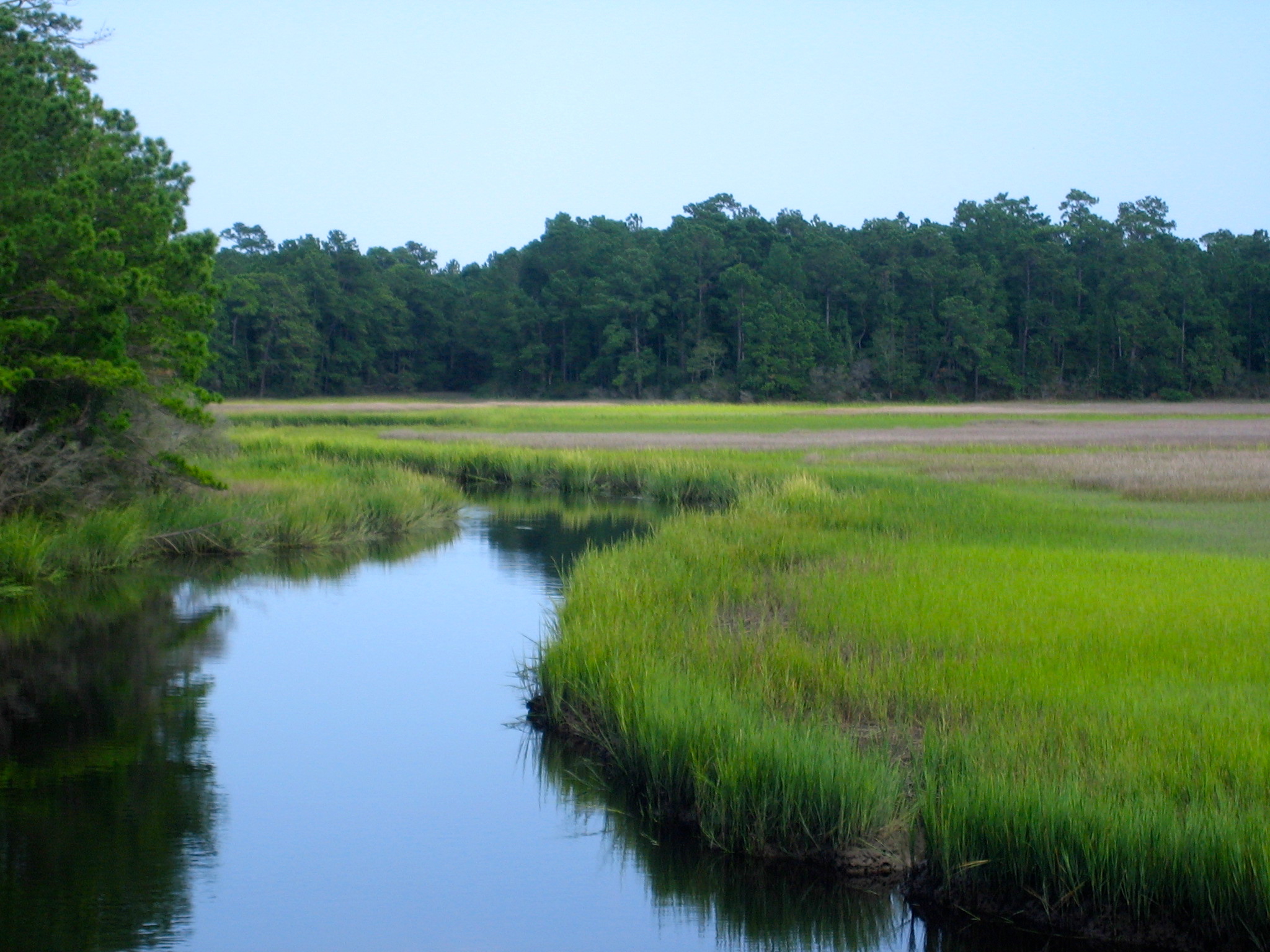
Avendaw Creek

Avendaw Creek

Ben caught a big fish.

Ben caught a big fish.

we kayaked

we kayaked

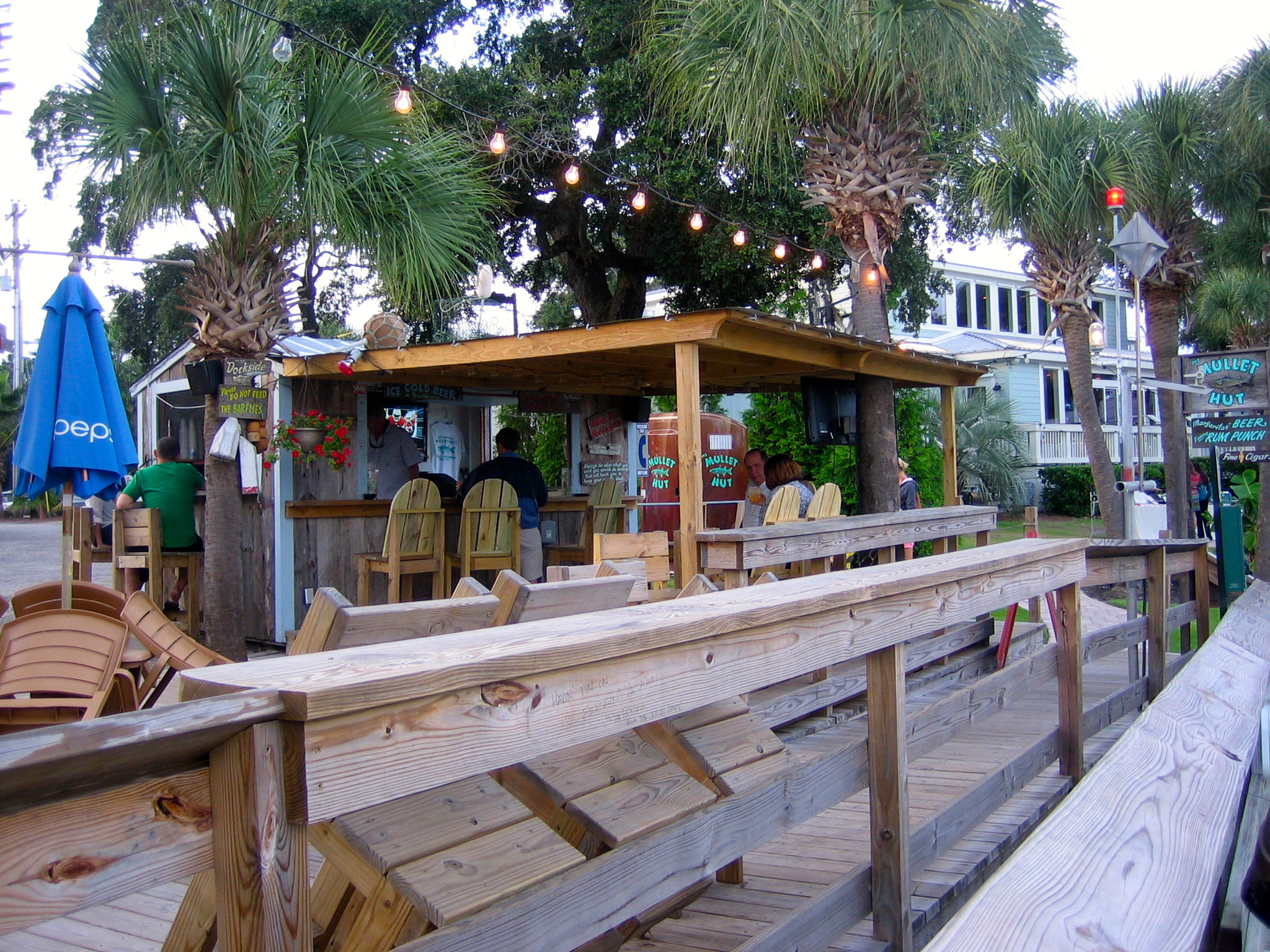
we found a dockside watering hole.

we spotted a dockside watering hole.

a working fishing boat

a working fishing boat

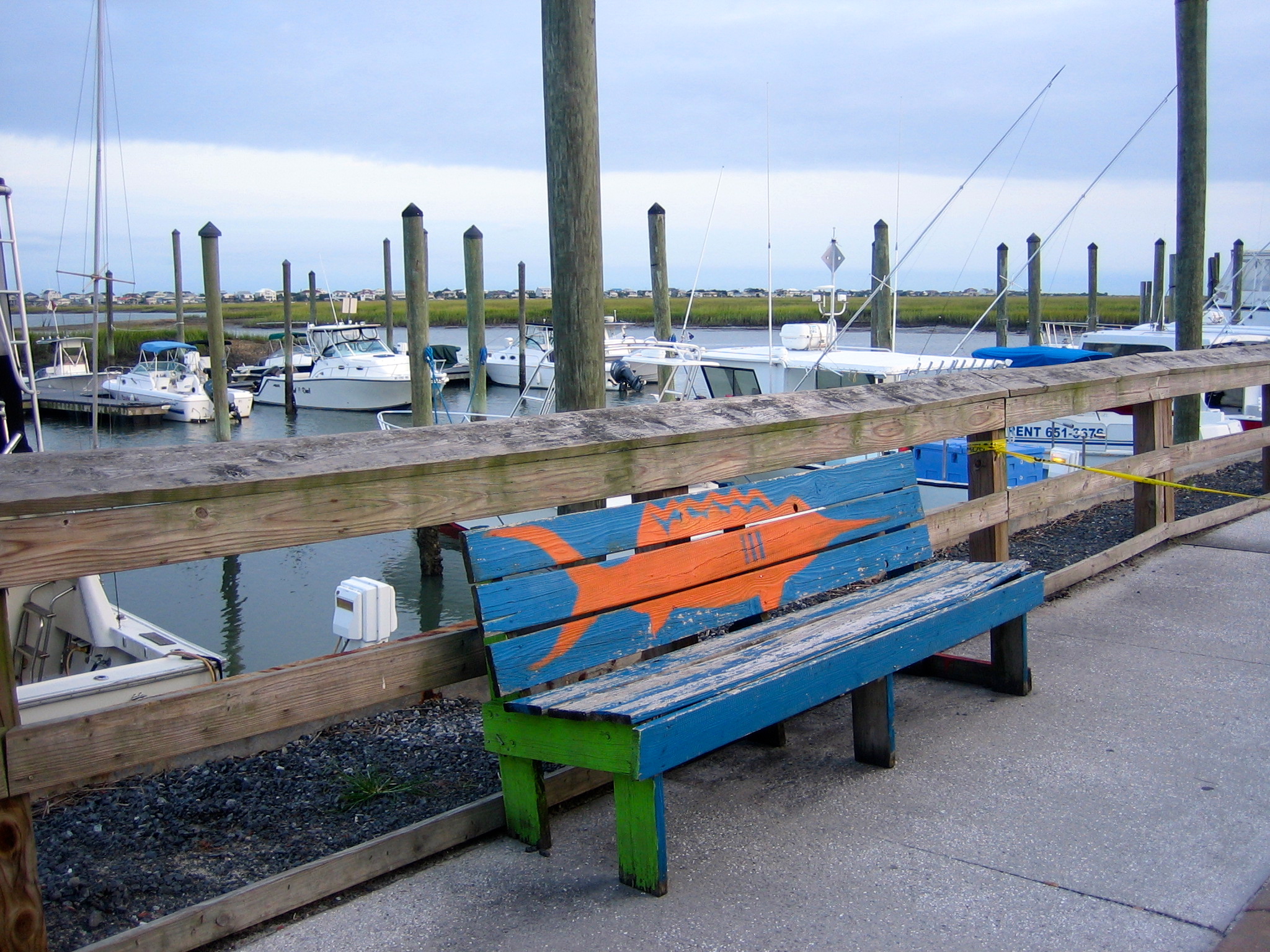
Art on the docks

Art on the docks

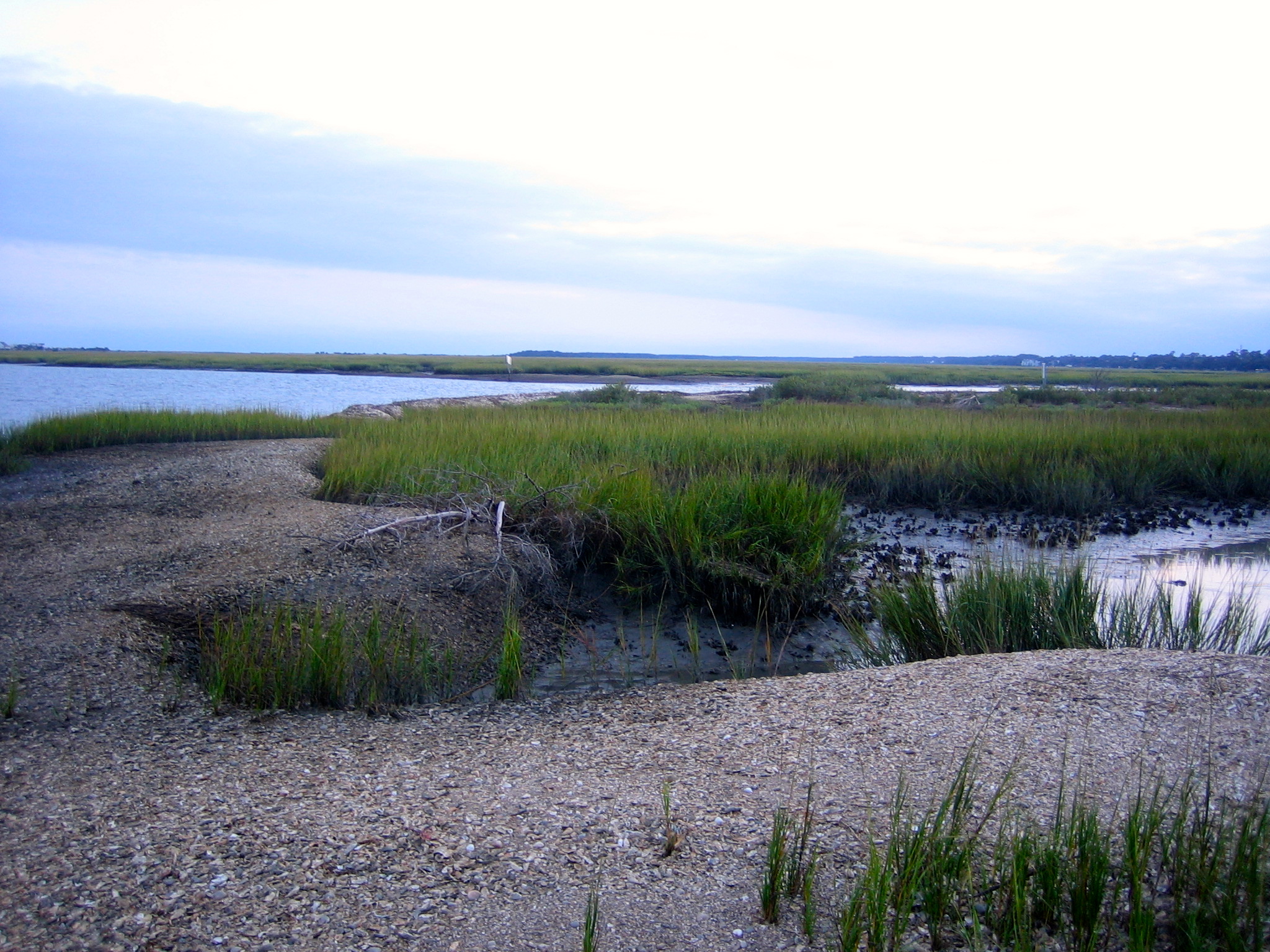
tidal marsh

tidal marsh

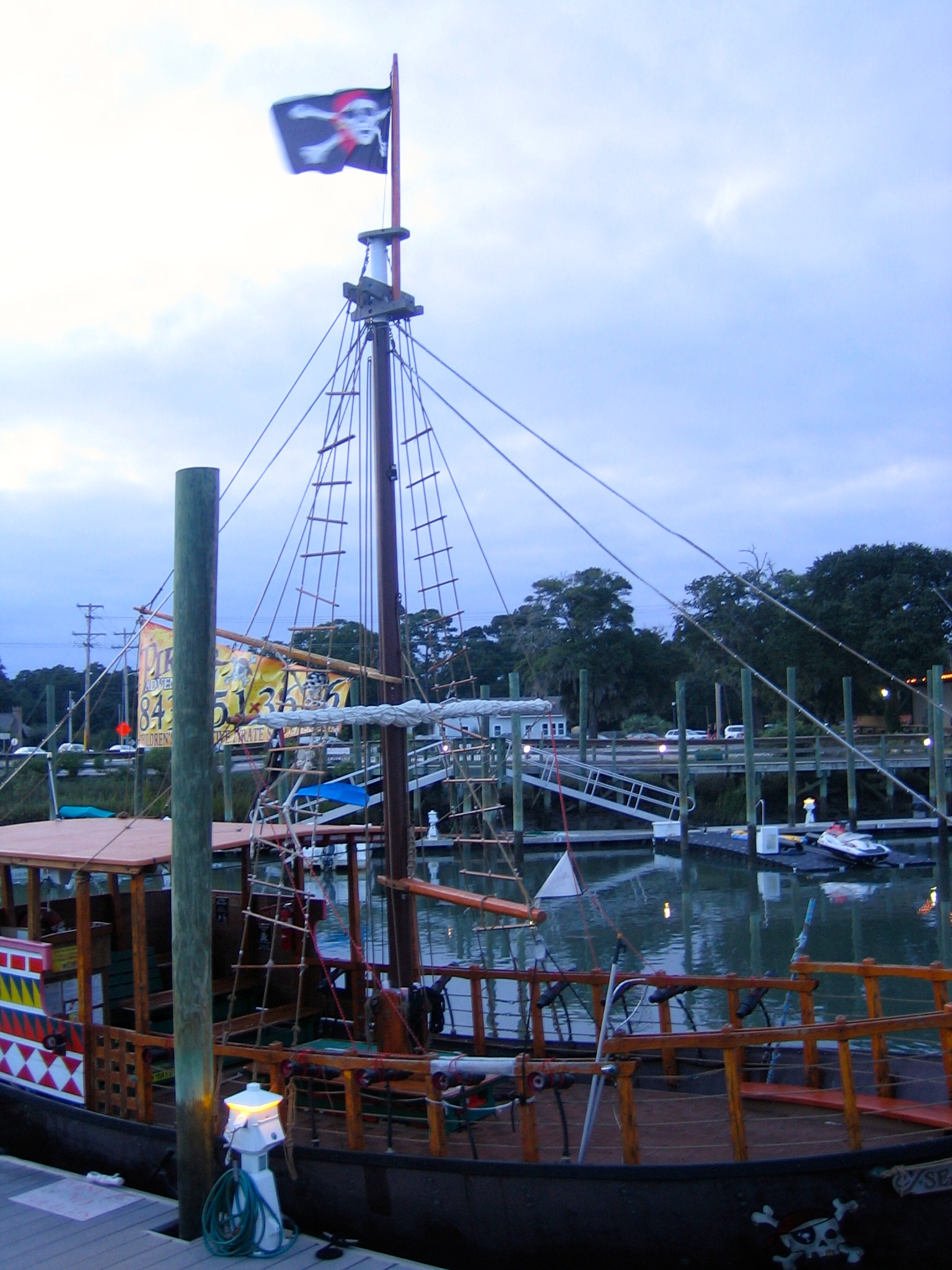
even a pirate ship!

even a pirate ship!

ciao! from South Carolina

ciao! from South Carolina

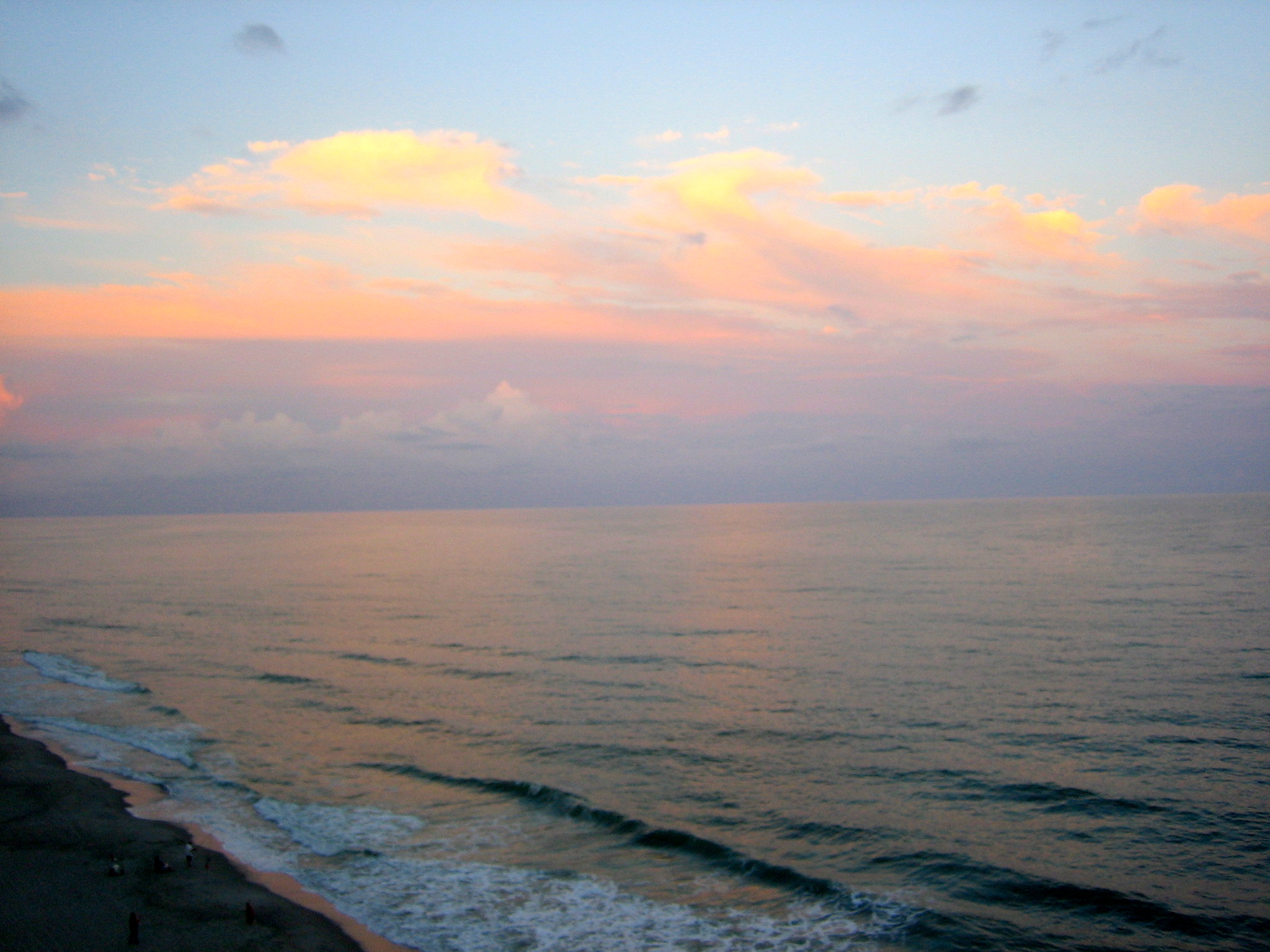
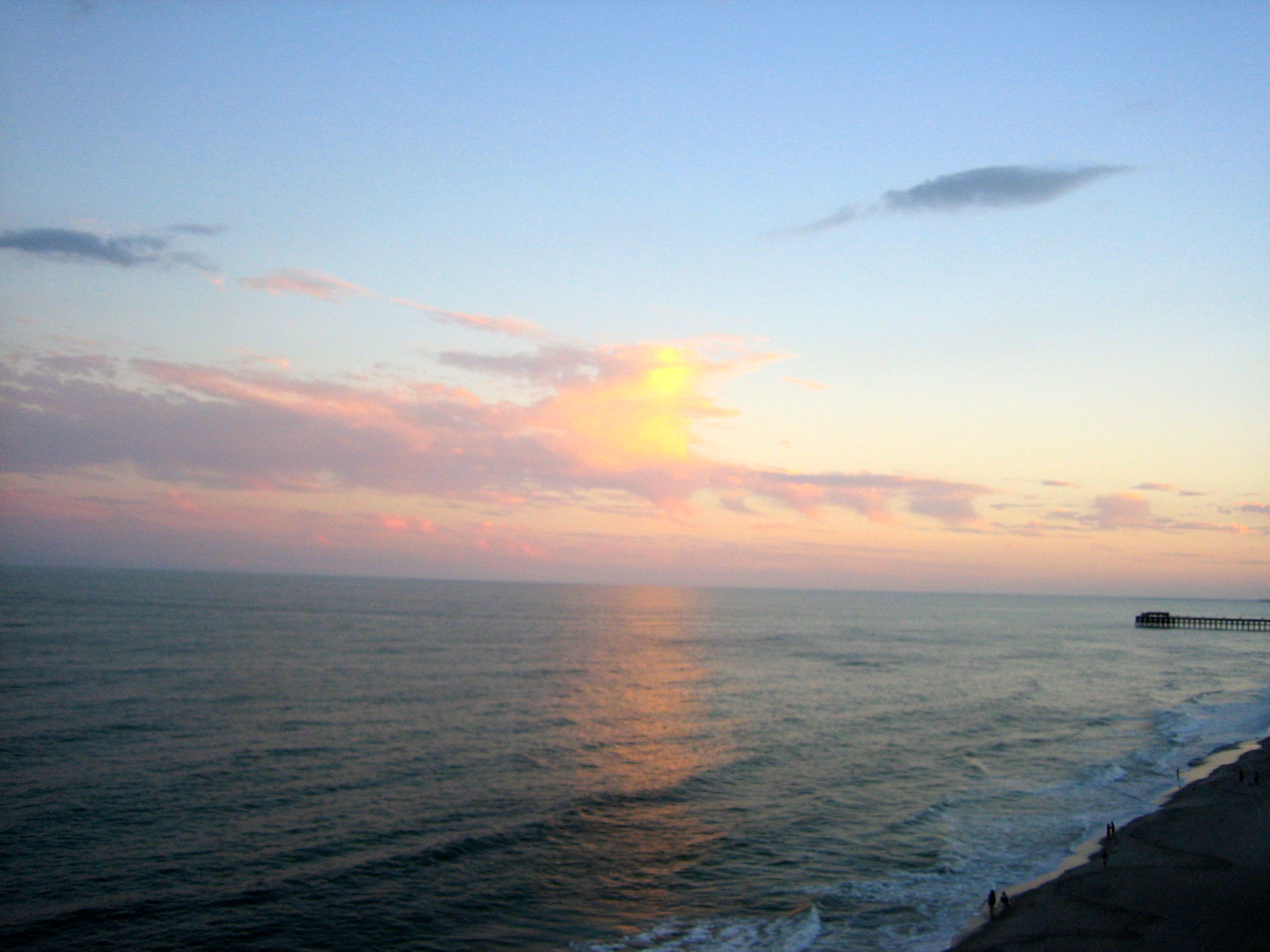
Atlantic sunset

we head off into the sunset

South Carolina was wonderful last september, with its sizzling beachfront and dripping wet hot humid weather… I loved it! But eventually it was time to move on…
spent a few days in the Smoky Mountains

we spent a few days in the Great Smoky Mountains

Tango near the Capitol Dome

we tango’d near the Capitol Dome

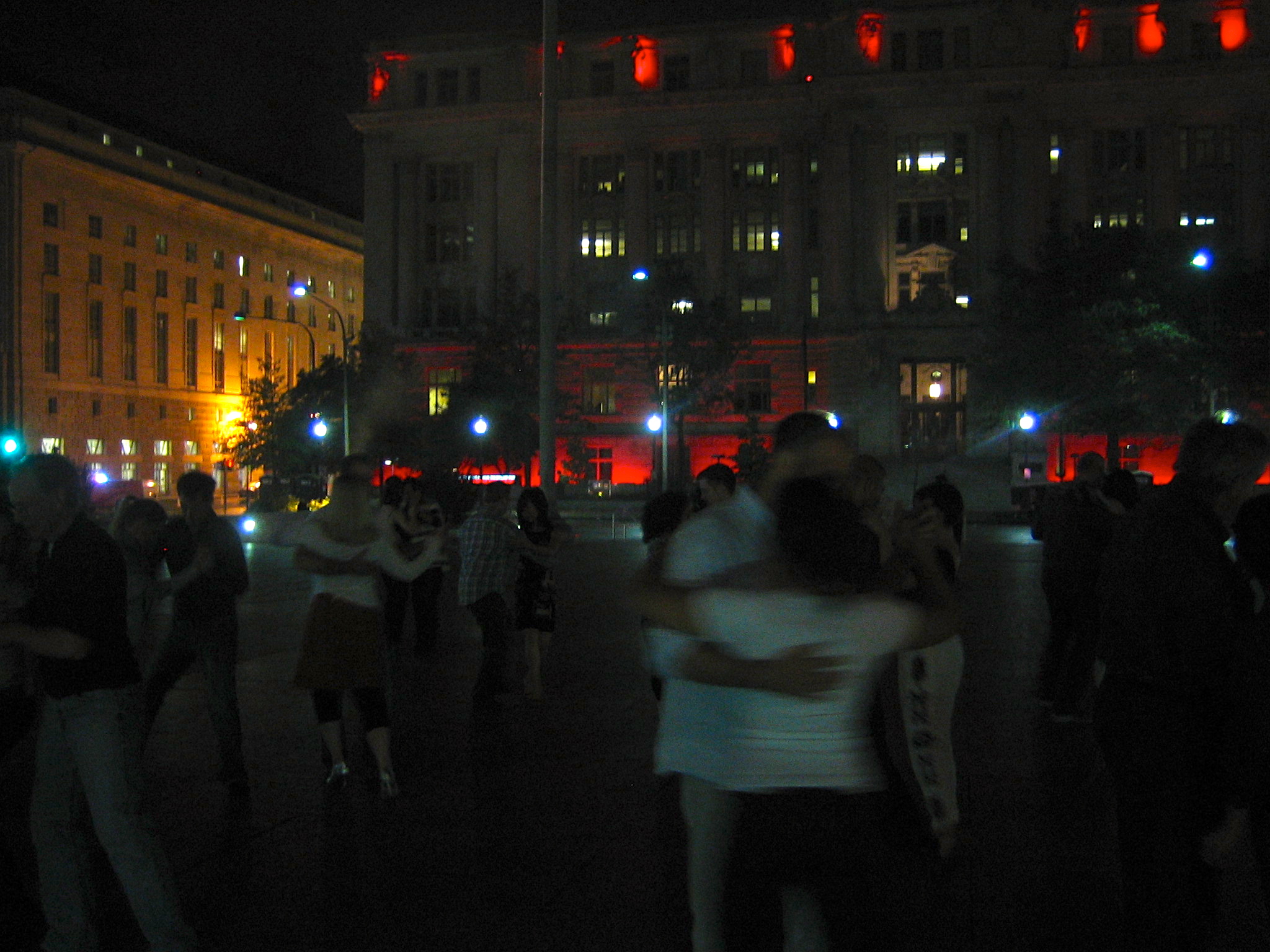
We milonga’d in DC one night before heading to New York state. It was a warm and beautiful night in DC, and really cool to be dancing in Freedom Plaza, with the words of Martin Luther King Jr. engraved on the stones beneath our feet. The next day we drove through northeastern Pennsylvania over into New York, and then more or less followed the Hudson River Valley north, bypassing New York City, Connecticut, and Massachusetts.

Freedom Plaza - Capital Tangueros

Freedom Plaza – Capital Tangueros

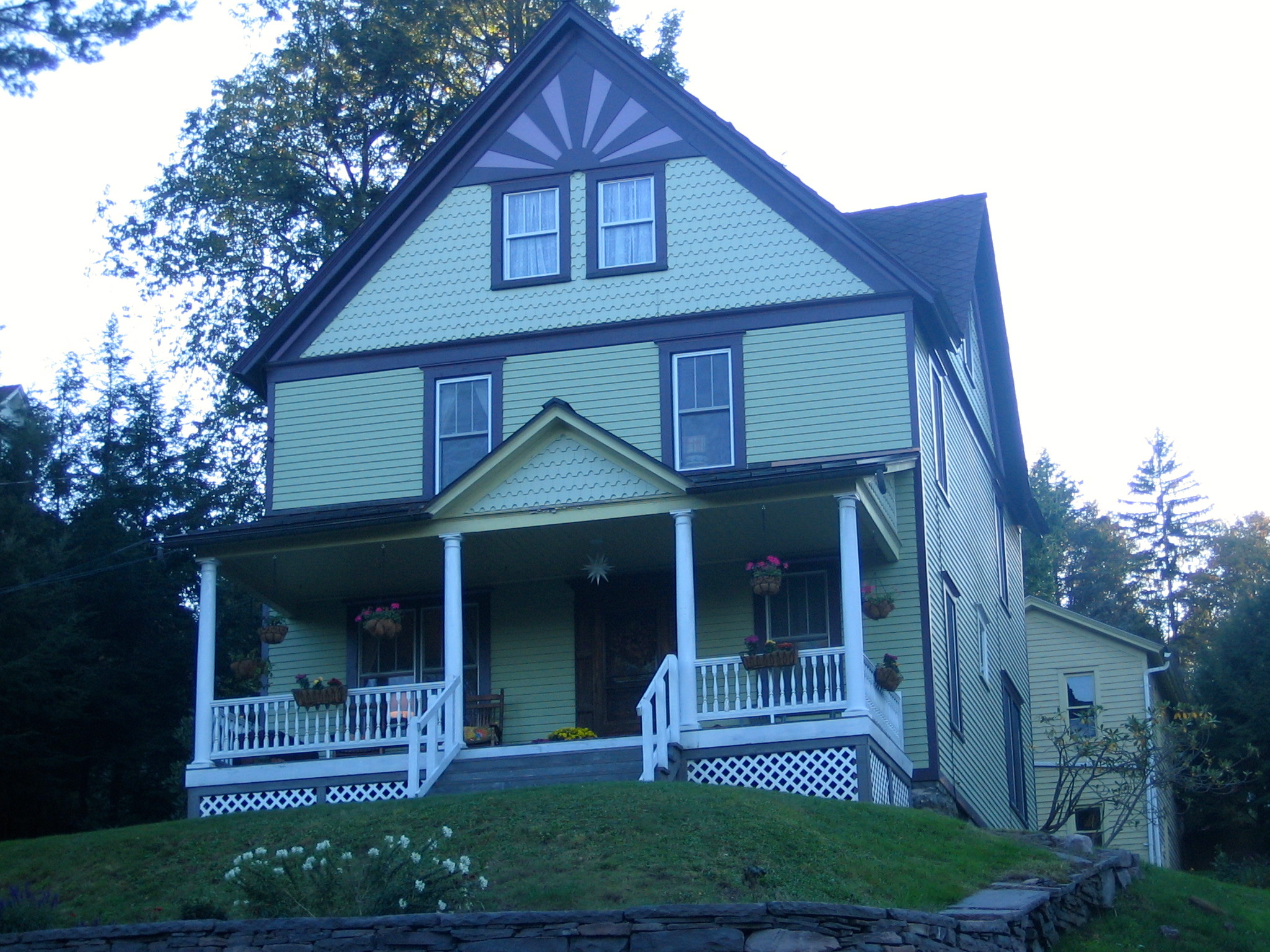
the old homestead in PA

the old homestead in PA

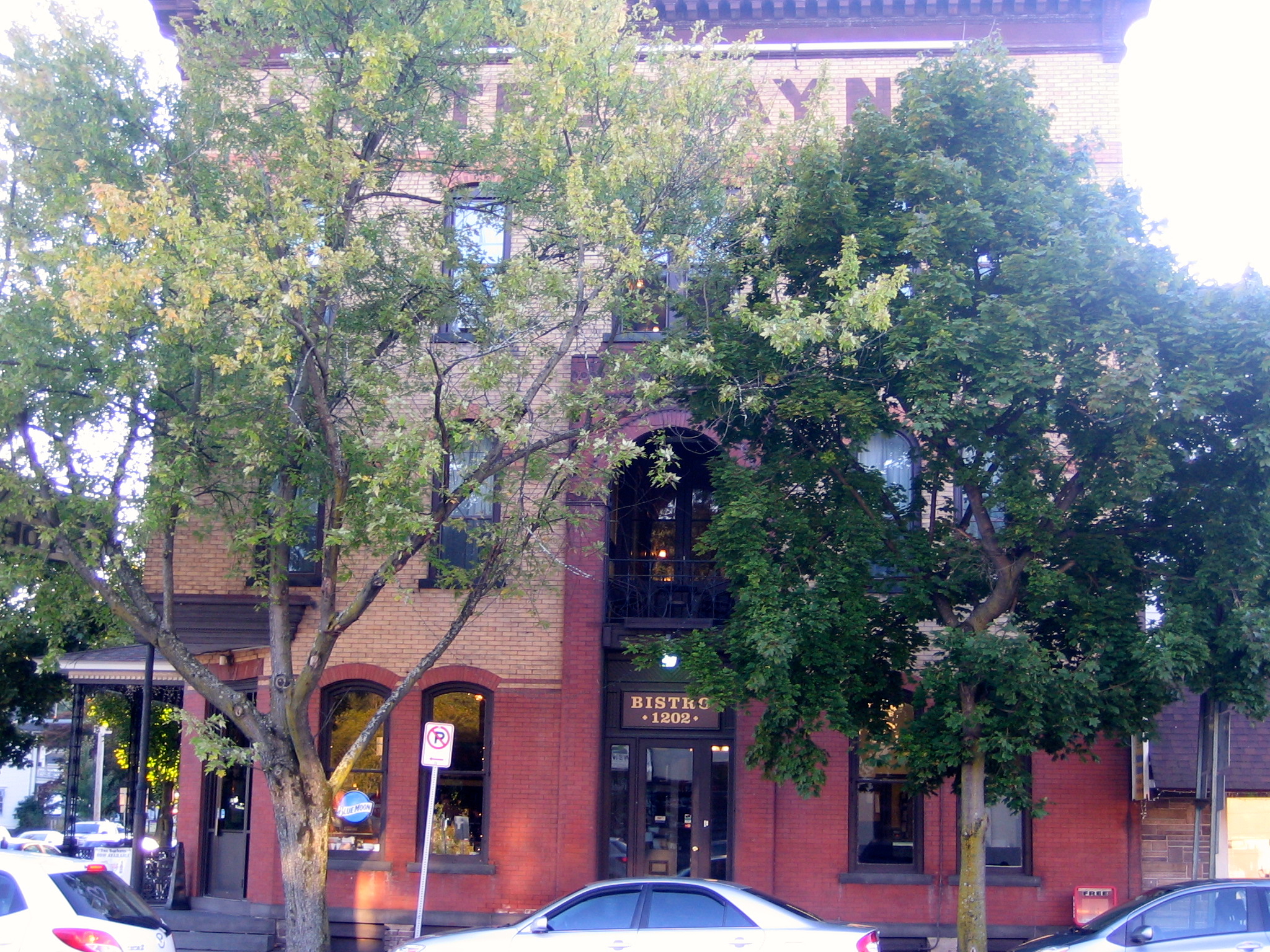
Wayne Hotel, Honesdale, PA

Wayne Hotel, Honesdale, PA

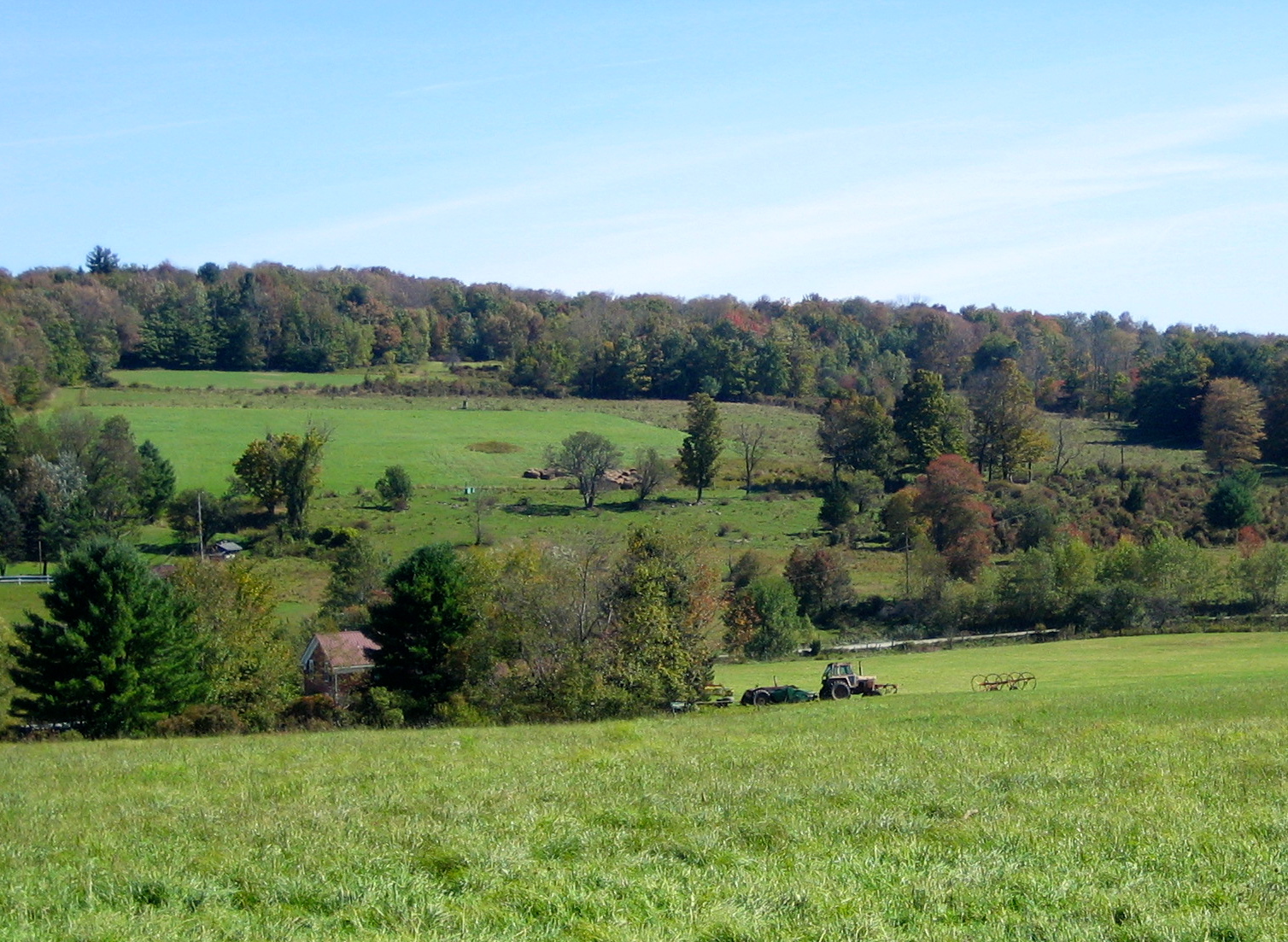
upstate New York

upstate New York

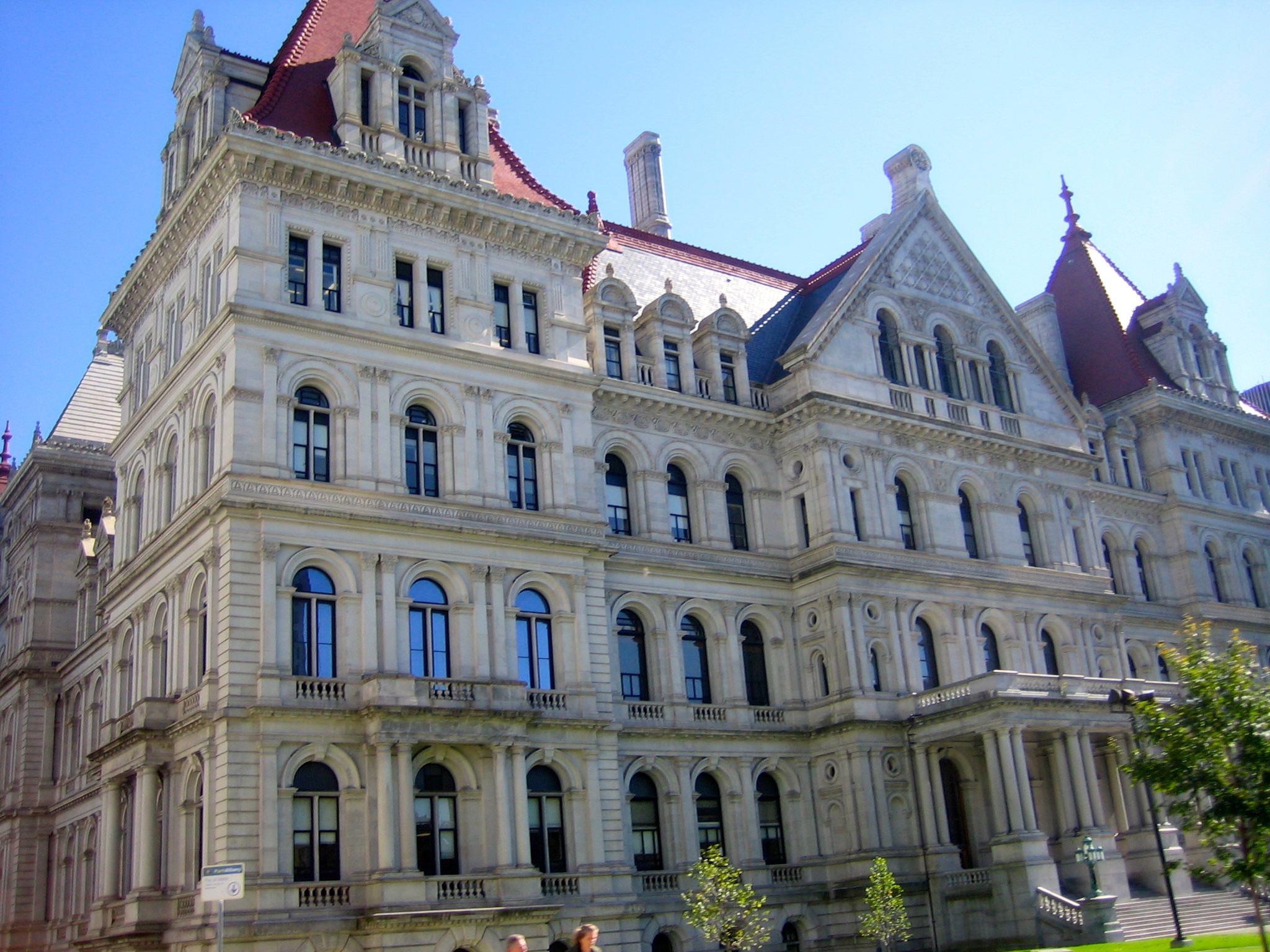
Albany

Albany

Albany

Albany

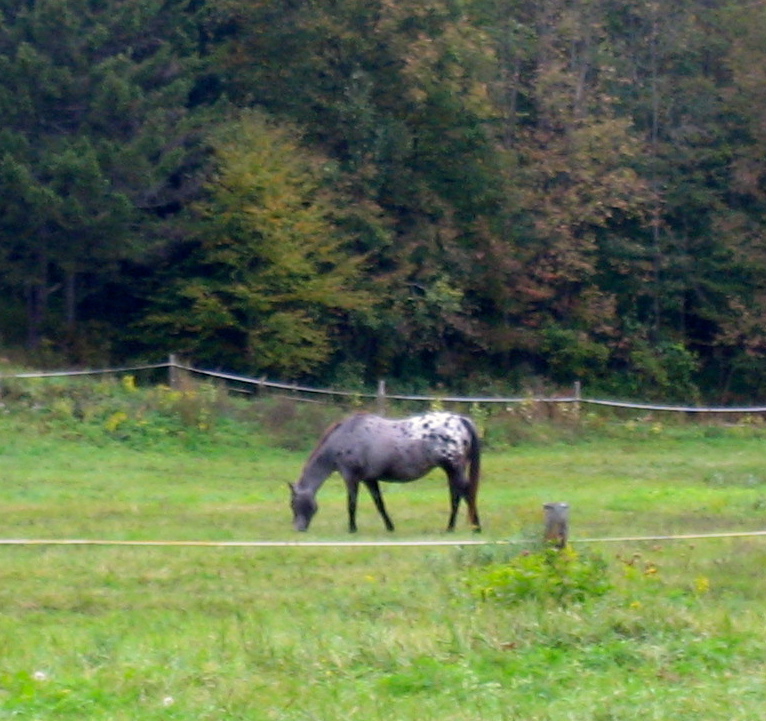
Appaloosa in the Green Mountains

grazing appaloosa in the Green Mountains, Vermont

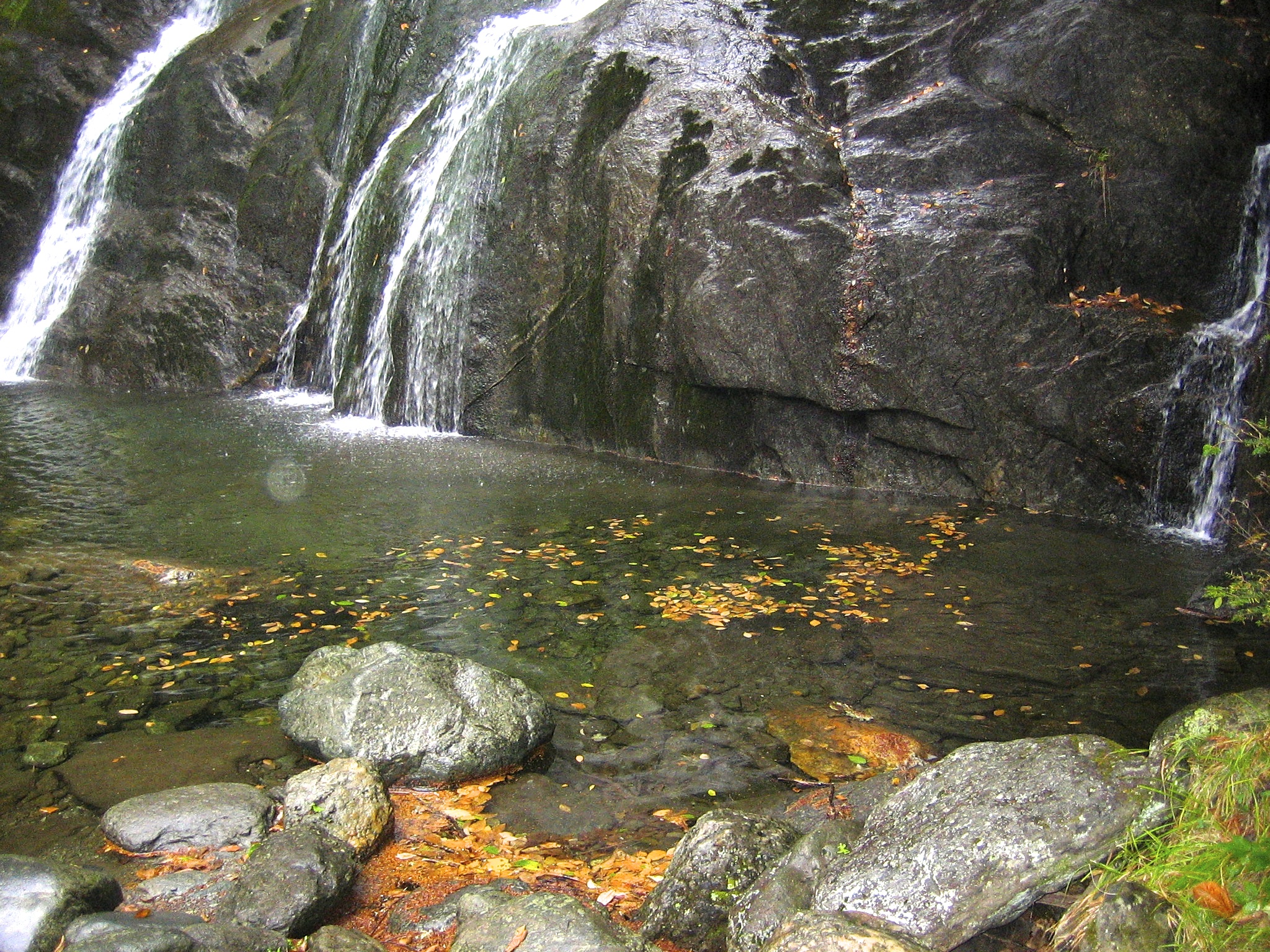
falls near Rochester VT

falls near Rochester VT

Red Barn

Red Barn

Sandy's Bookstore and Coffeehouse

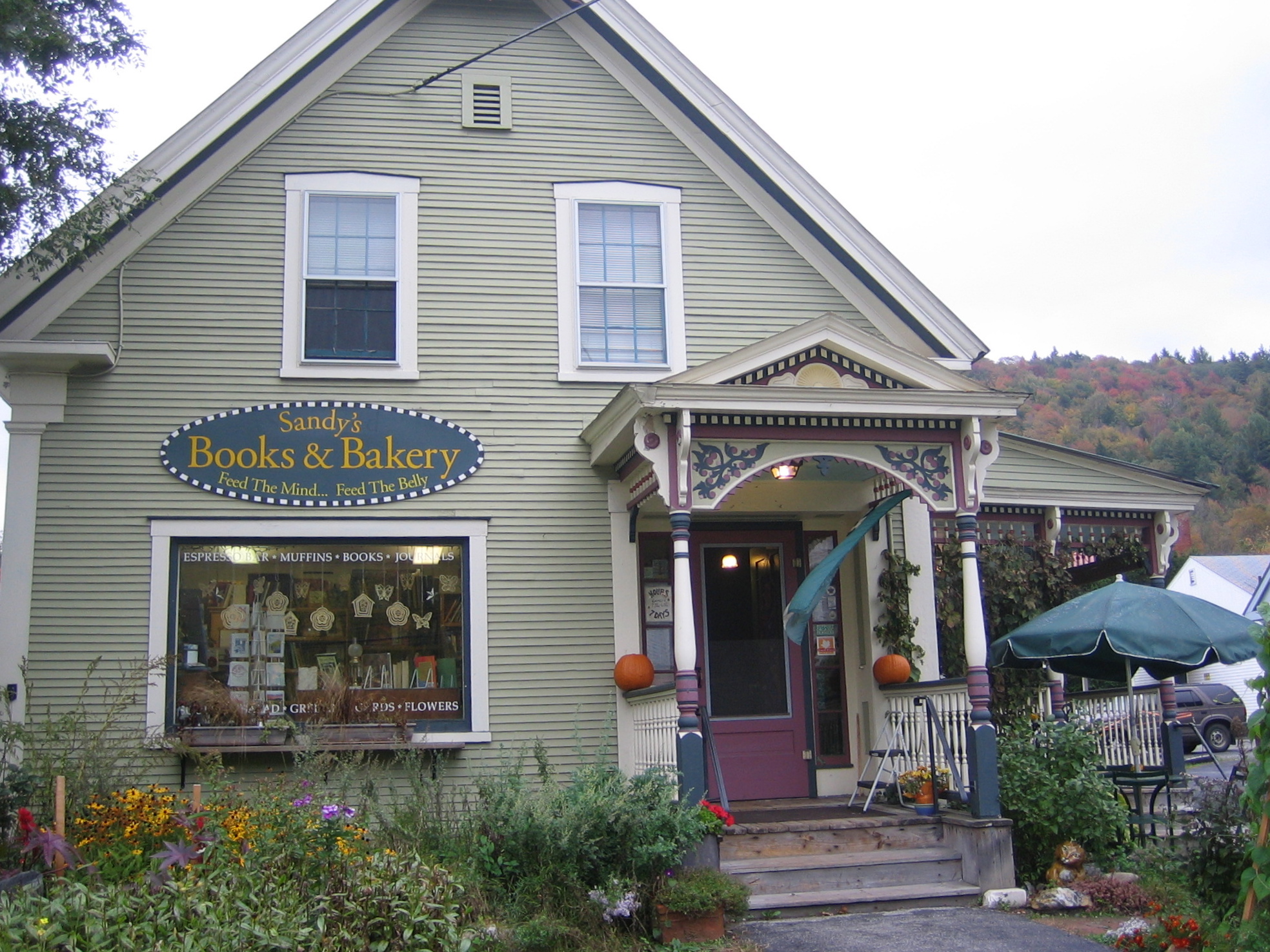
Sandy’s Books and Bakery in Rochester VT– where old hippies munch good munchies

The frenetic grease-dripping fast food twilight zone of a cross-country road trip finally came to a standstill when we took up lodgings in Montpelier, Northeast Kingdom, Vermont. Time slowed to a crawl. We woke up to shorter days, longer nights, cafés and restaurants shutting down so early — and this is the state capital! (pop. 8,000) People actually watch TV and play board games in the evenings. Not to be left out of all the fun, we picked a free tv (the formerly glorious, heavyweight color tv, so impressive back in 1965!) and signed up for cable… like hooking up a one-way IV sucking down your bank account. That lasted a couple of months till we went back to watching news and soccer matches online.

Vermont was picture-postcard pretty! Ben started artisan bread-making classes at the New England Culinary Institute. We found a 3rd floor apartment in a 100+ year old house downtown. Pretty comfy, though we only had a bed, a kitchen table, 2 chairs and some cardboard boxes. When we arrived in October the leaves were turning and the days were still pretty nice, not really too cold yet, the nights just barely dipping into the 40s.
view of the Montpelier Capital Dome and clock tower from our apartment

view of the Montpelier Capital Dome and clock tower from our apartment

Ben enjoyed his breadmaking classes at NECI, though the expectation level was decidedly a few rungs below his experience at the French Culinary in Manhattan a few years back, where highly paid world class egomaniacs belittled & berated their students’ efforts…  turning out some highly trained professionals nonetheless. A little constructive criticism can be a useful part of the learning process… ouch! Every day was a blast for Ben; he even enjoyed trudging through the snow to be at the bakery at 6:00 am. He was lightyears beyond most of the students… mostly mouth-breathers, you know, adolescents with perpetually hanging lower lips. When he had extra time (he’s fast) the chefs let him do his own thing, and he made the most of it: croissants, pan au chocolat, marzipan pastries, escargot, stollen, panettone… you name it. Lots of yummy stuff… not to mention a million varieties of artisan breads, made the traditional way. Like, the way they make it in Paris. Voilá!
La Brioche, the NECI bakery

La Brioche, the NECI bakery

Ben cooking at home

Ben cooking at home

Yeah, he loves to cook and the kitchen always looks like a tornado’s touched down, but it’s worth it. Delicious! Notice the way cool 1950s electric stove? The oven window looks like a porthole on a spaceship. My spaceship!

what a classic!

a vintage classic

The door on the left is a warming oven, and the rear left burner is a deep well with a built-in soup pot. Crazy! Some nut will pay big bucks for it on eBay someday!

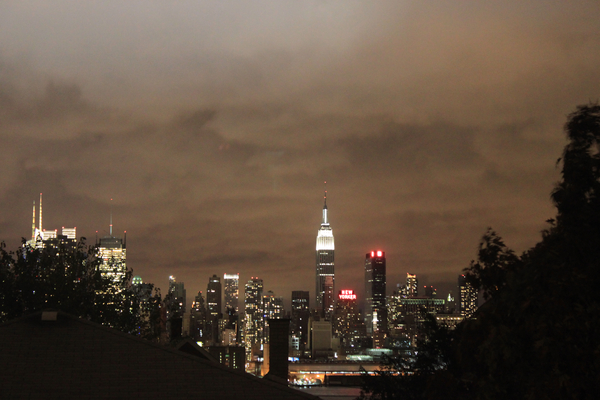
Speaking of tornados, we were in Vermont when Hurricane Sandy tore up New York and New Jersey.

Hurricane Sandy NYC

Hurricane Sandy NYC

She was just a breath of whispering wind by the time she reached northern Vermont — lucky us.

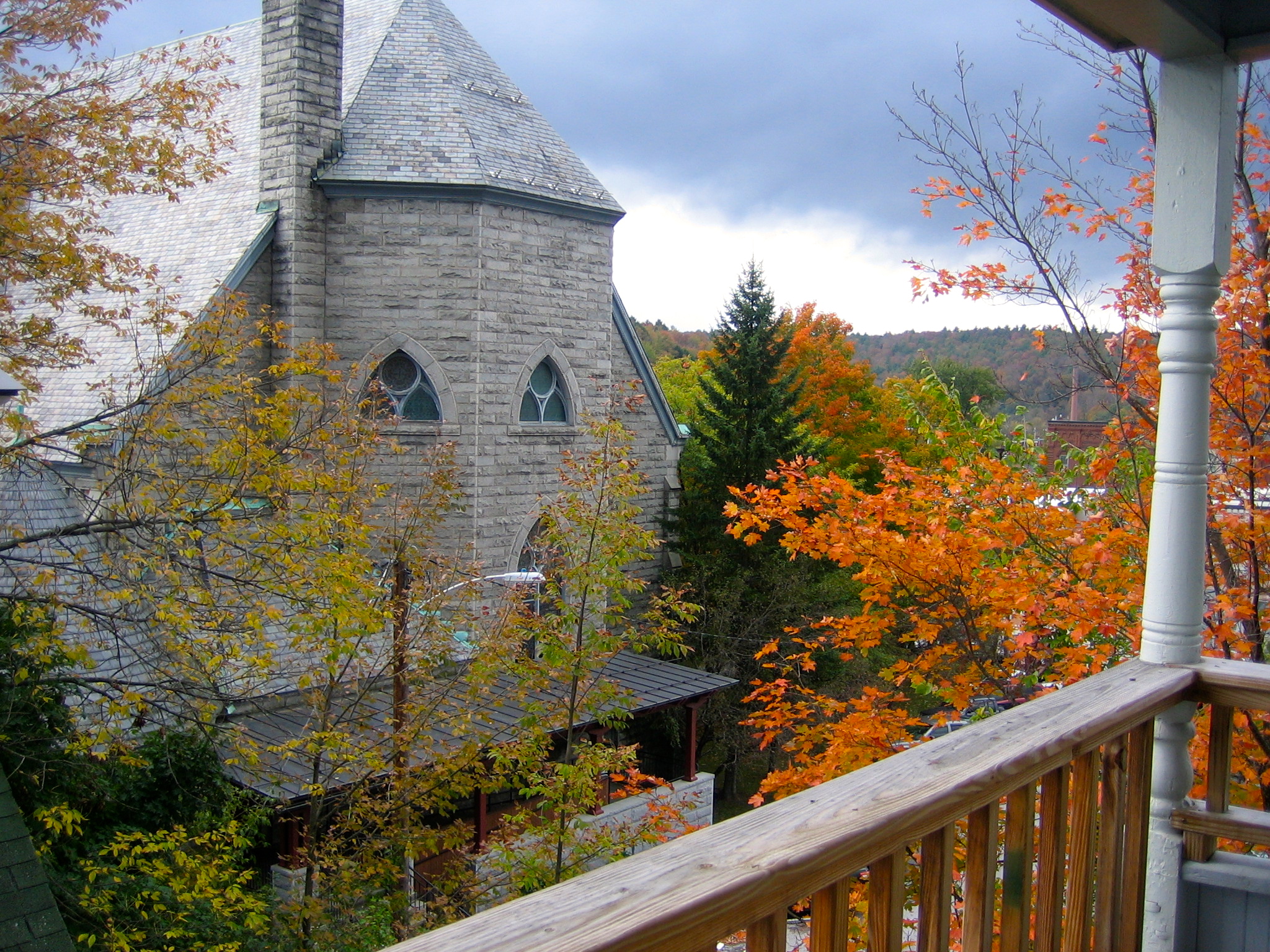
St. Anne's was RIGHT next door!

beautiful St. Anne’s was right next door

Fall colors in Montpelier… flaming red, orange and gold. There were still a few warm days but not for long… the days got shorter and colder, and there wasn’t a heck of a lot to do after dark. Burlington had a small tango community, but their milongas were not what we were used to — sorry, friends! Although we did have a fabulous evening at the Palais de Glace Holiday Milonga, in Stowe, and a New Year’s Eve Milonga with live music (and a hysterically funny skit!) in Hartford, Connecticut.

too many women in his life!

he’s gotta quit flirting with the waitress… or there’ll be hell to pay!

Happy New Years' Eve!

Happy New Years’ Eve!

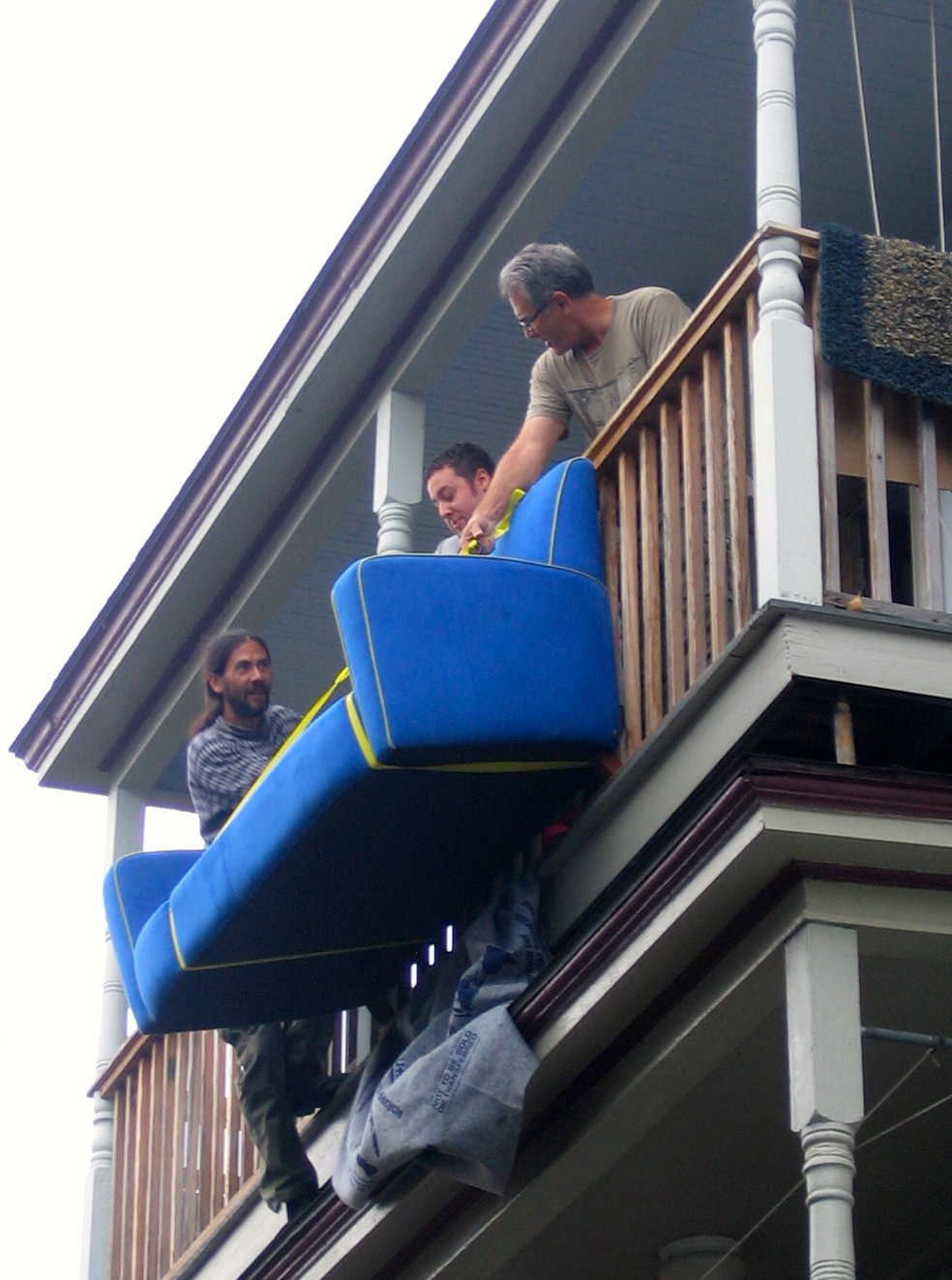
Three months in a deep freeze was a little much for me… I’m a California girl! Snow is exquisitely lovely, of course. Making cut-paper snowflakes is my idea of a good time in the snow. Furnishing our apartment was kind of fun, though. We found this really awesome blue ultrasuede chair at an estate sale:

with lime green piping... and a matching couch!

with lime green piping… and a matching couch

Getting it up to the apartment was a challenge

Getting it up to the apartment was a challenge

nothing like a few bored neighbors to lend a hand!

nothing like friendly neighbors to lend a hand

Needless to say, the winding steep and narrow stairs up to our spacious atelier in Montpelier would not admit the couch, nor the bed. Lucky for us when we moved out three months later the new tenant took it all. I kept picturing how much fun it would be, rappeling all that furniture back down in the snow.

fast forward to snowy night on our street

fast forward to snowy night on our street

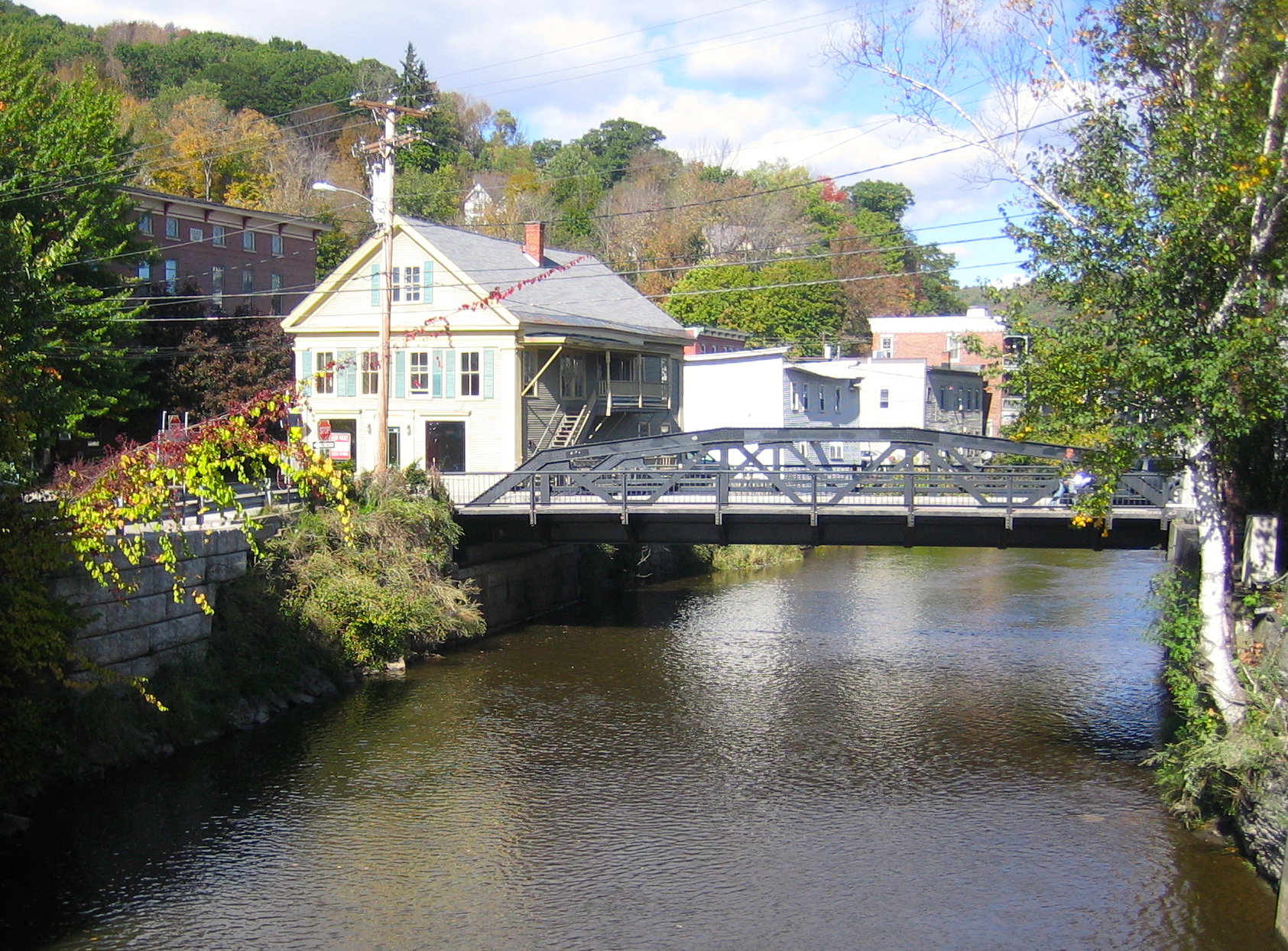
Montpelier West Branch

Montpelier West Branch

Beautiful Montpelier Round House

Beautiful Montpelier Round Porch and Tower

Before long our world became an exercise in whiteout conditions, arctic blasts, ice showers and icicles, frozen cars, frozen streets, sidewalks and noses; woolen mittens and lost kittens, gloves, scarves, wool caps, snow boots, layers upon layers of the warmest stuff you got… fleecy jammies and bathrobes (or my version: just drag the blanket around the house with you), down jackets… and don’t forget sheepskin booties for indoors. Snowy winter holidays prevailed. But before all that white stuff covered everything, we took a weekend trip in Maine, including a stop at L.L.Beanville.

battling moose at LL Bean world headquarters

battling moose at LL Bean world headquarters

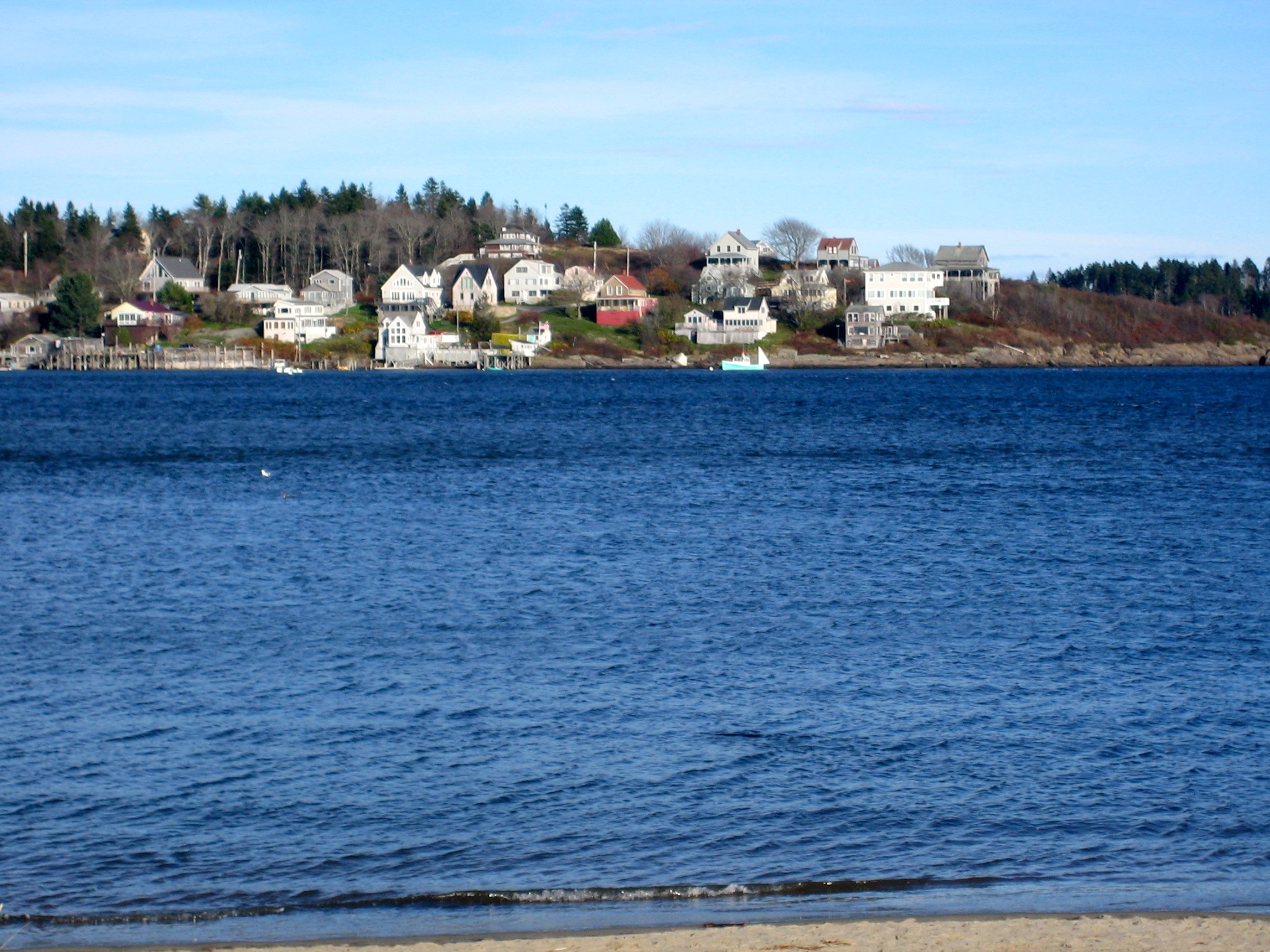
Maine coast

Maine coast

New England Saltbox

New England Saltbox

boats in dry dock

boats in dry dock: Wicked Good is no secret; La Galatea, Cervantes’ first novel (1585)

having dinner in Bath, Maine

having dinner in Bath, Maine

Home of the Lobster Roll

Home of the Lobster Roll

Maine Weekend Harbor

Maine harbor

Colf Mountain

cold mountain, New Hampshire

MaineWknd13

Brrr! Those were cold days.

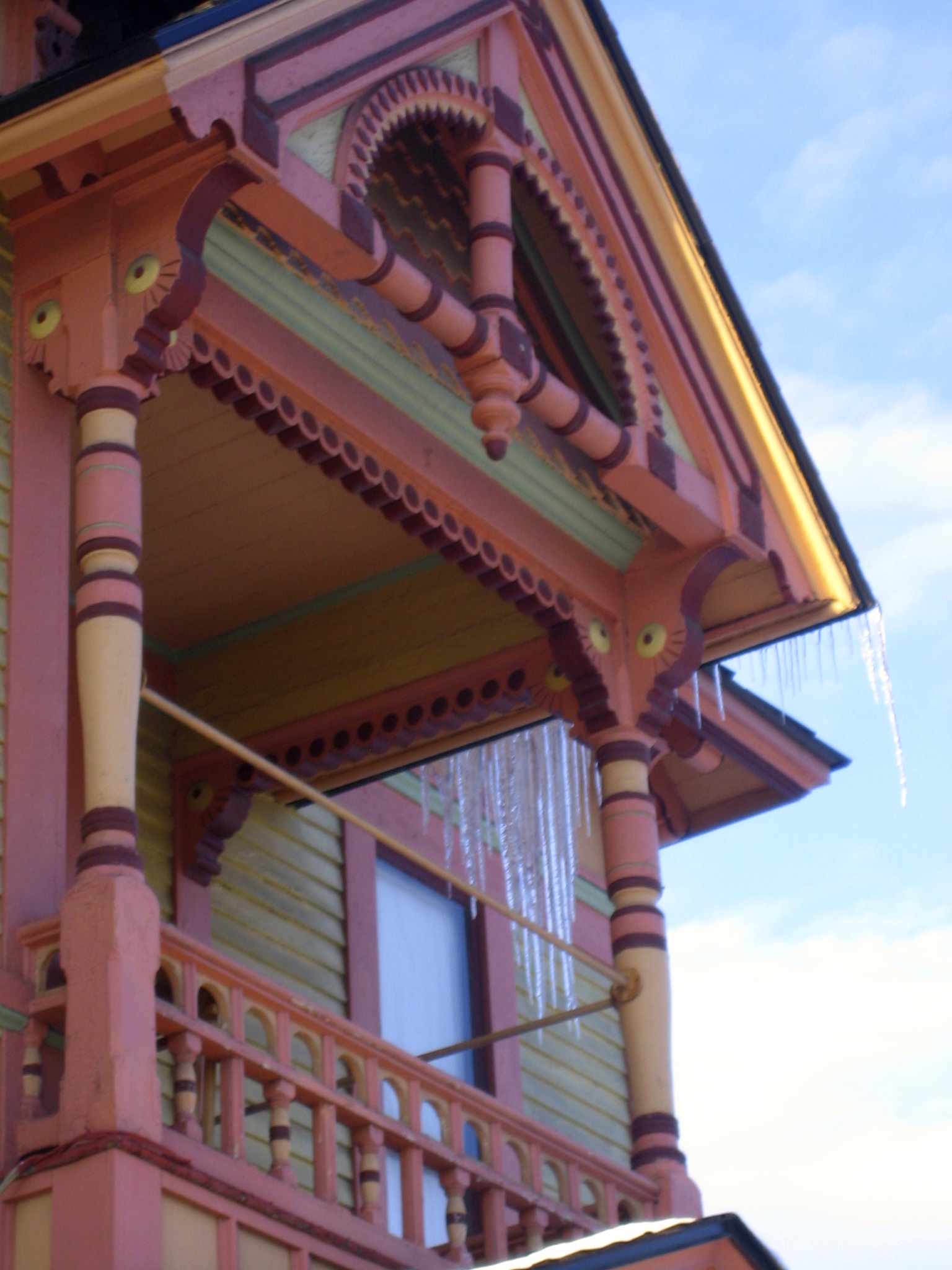
icicles in Montpelier

icicles in Montpelier

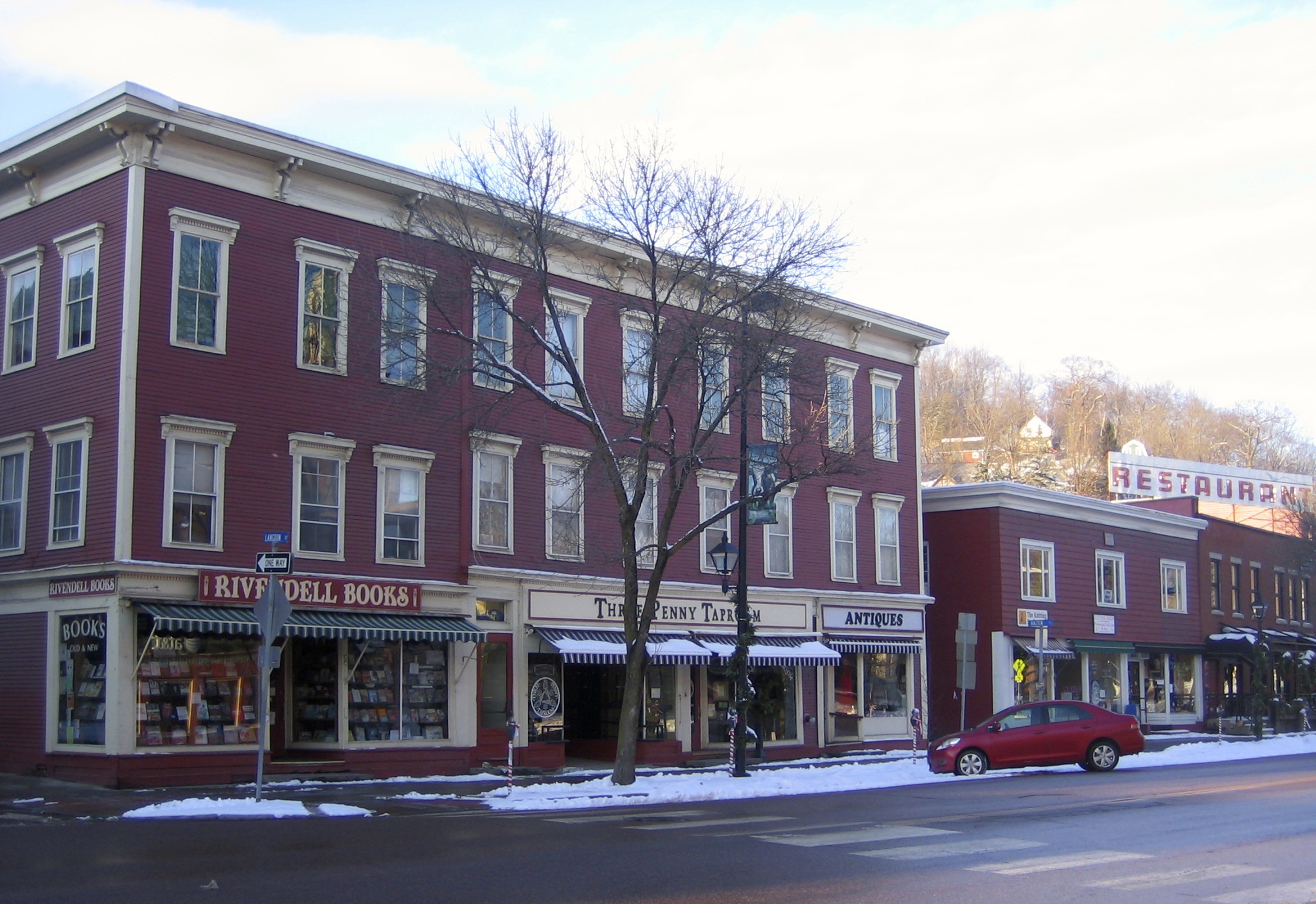
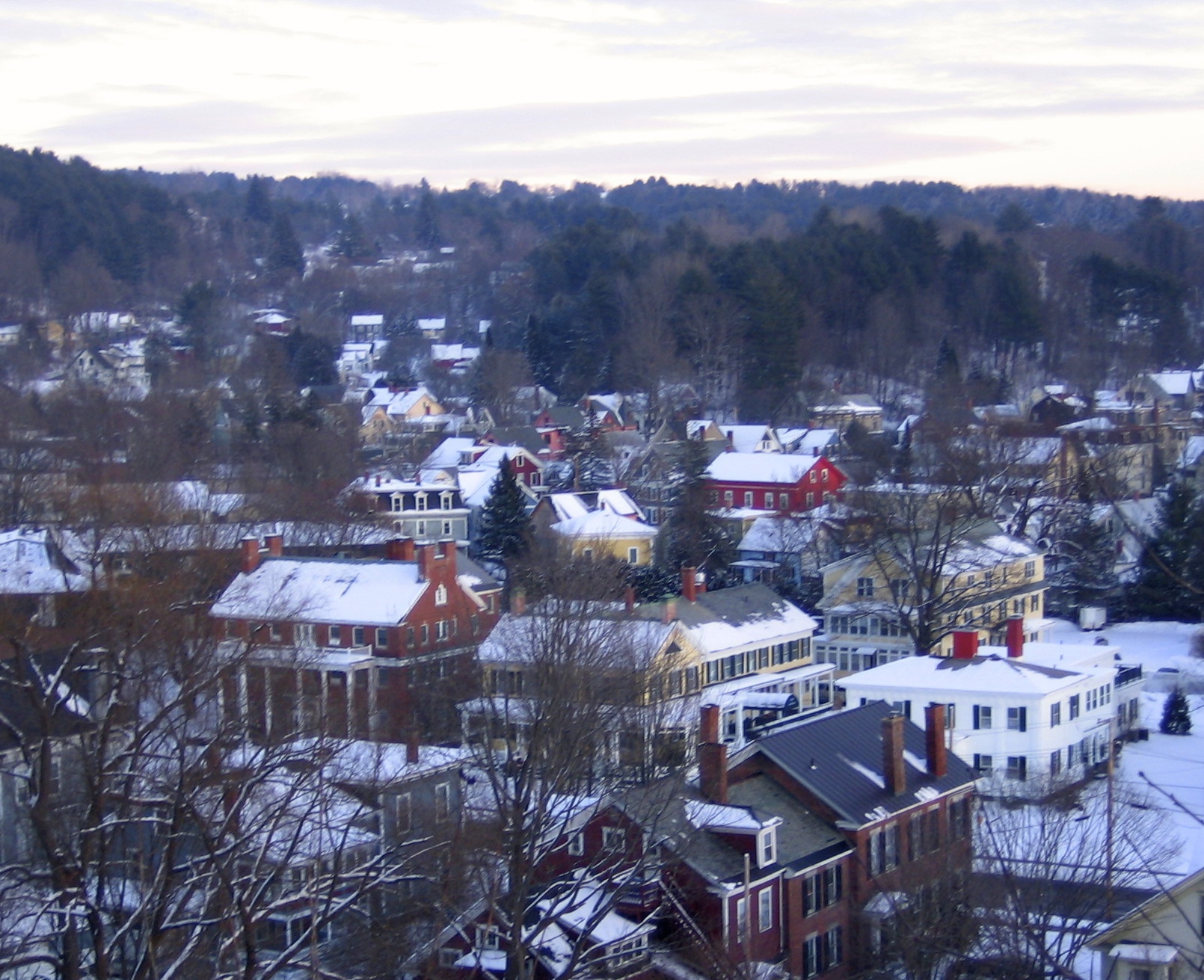
downtown Montpelier

downtown Montpelier

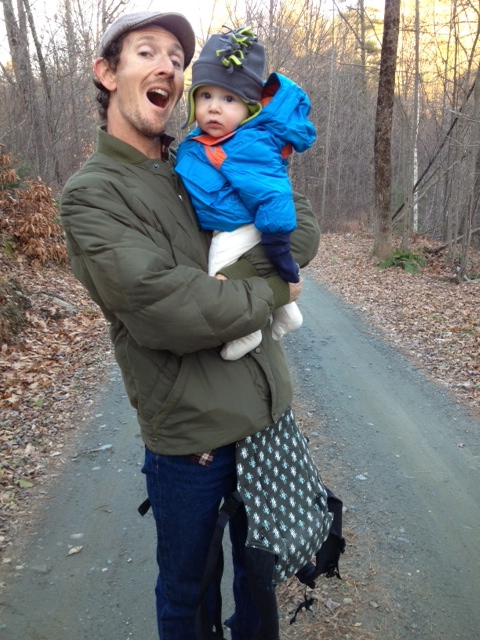
my son and grandson hiking!

my son and grandson hiking

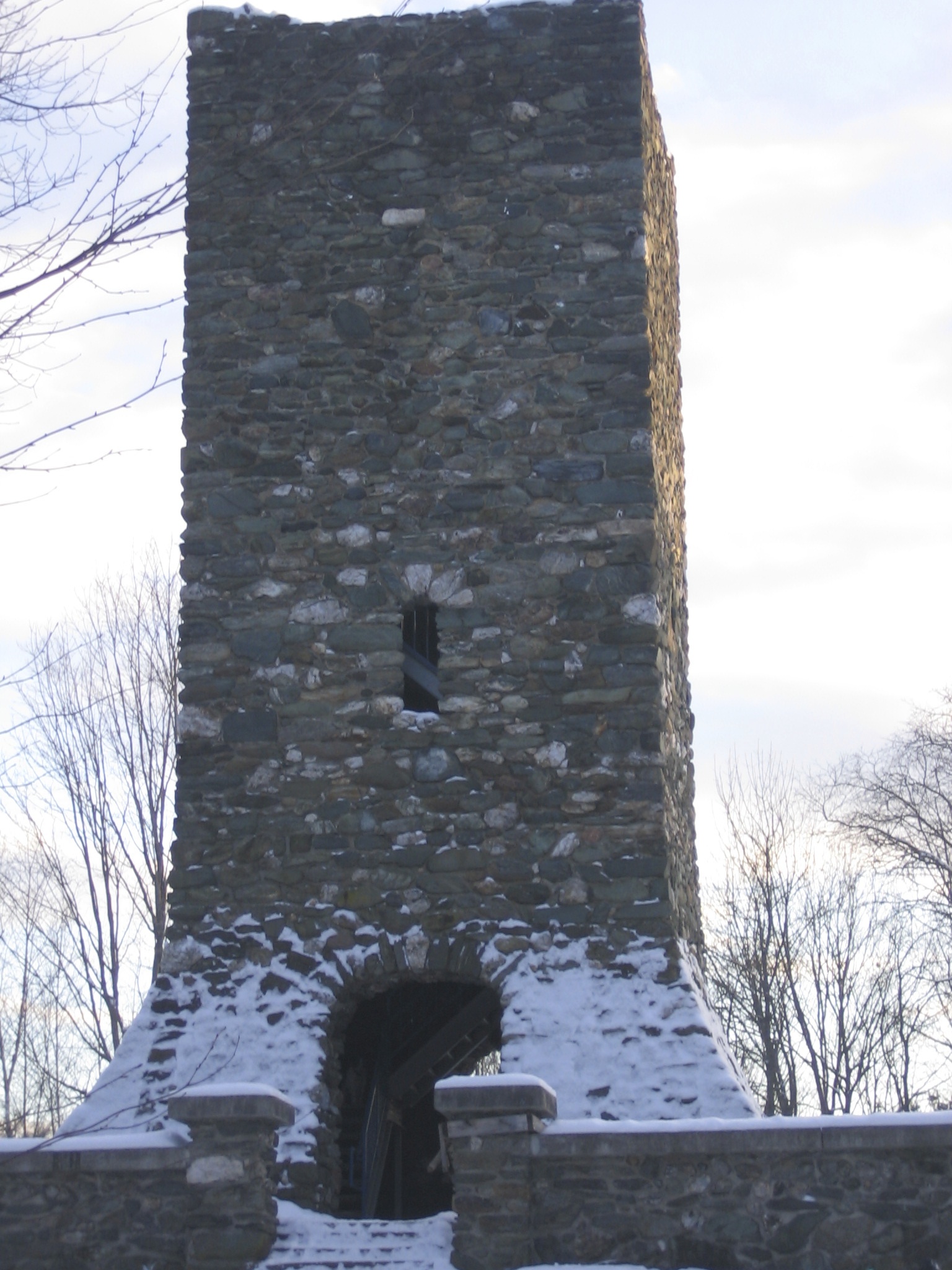
the old stone tower

the old stone tower

the sled run

the sled run

view from the tower

view from the tower

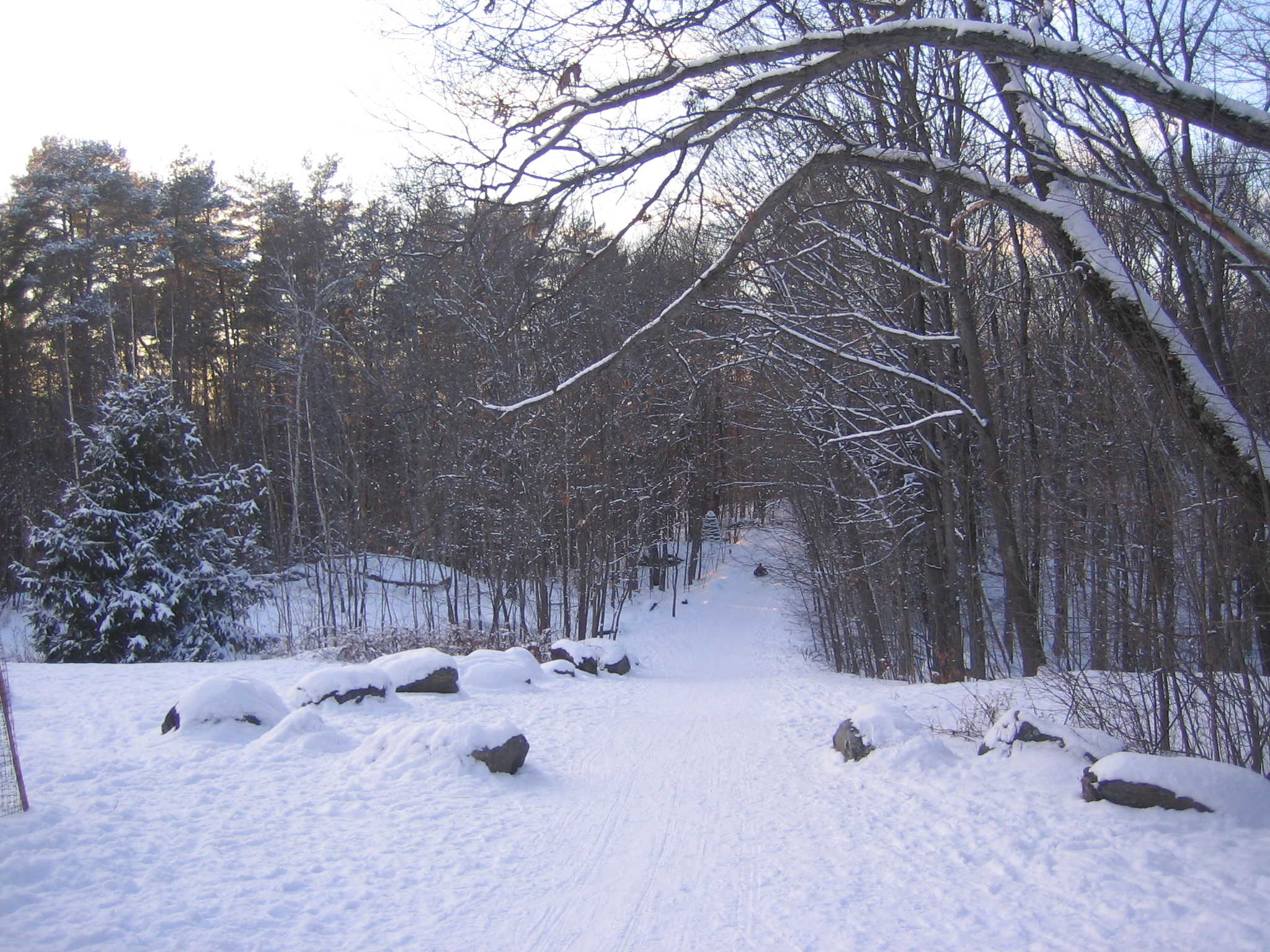
tall snowy trees

tall snowy trees

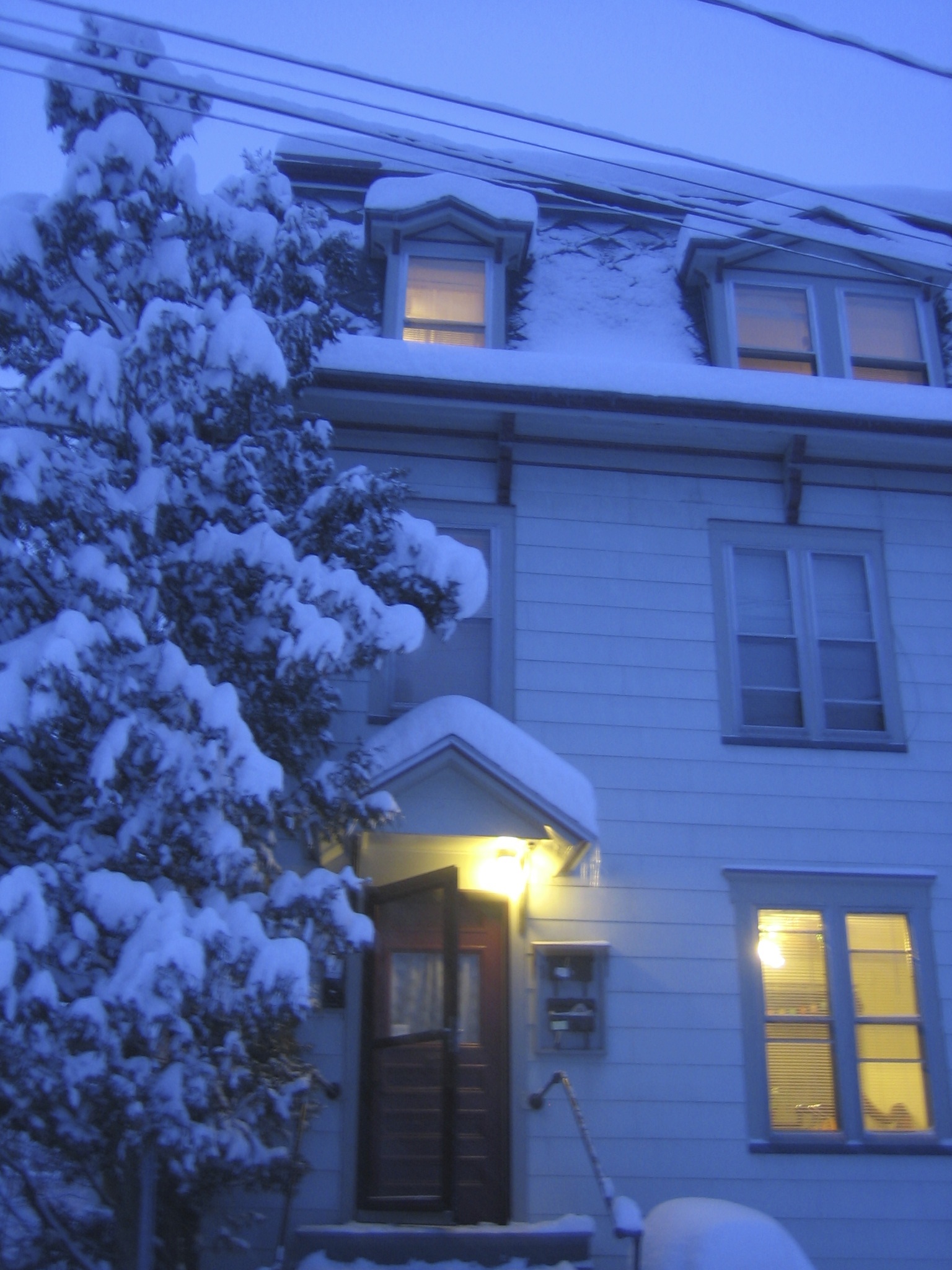
our building on a snowy evening in Montpelier

a snowy evening in Montpelier: our apartment top floor

pretty Montpelier at Christmas

Christmas in Montpelier

We left Vermont in mid-January, driving across the frigid Midwest. Mile upon mile of frozen highway: bleak, cold, heartless. Miraculously, we only met one snow storm, near Buffalo, NY. It lasted less than two hours. I parked us in the draft of a big semi and hung onto his coattails till the storm eased up. We kept to the northern route: Buffalo, Chicago, Omaha, Cheyenne, Boise… all the way to Portland. One evening we found a great little milonga in Lincoln, Nebraska… what a pleasant surprise! The Milonguero Spirit appearing in a place previously disguised as Nowheresville! No wonder… the home of the Univ. of Nebraska Press. Publishers of books and journals specializing in American history, the American West, and Native American studies. (Lewis & Clark fans, take note!) Our next destination: Portland, Oregon. Stay tuned!

Next stop: Portland

Next stop: Portland

Milongas and Milongueros: True FAQs! An Interview with a Buenos Aires Milonguera

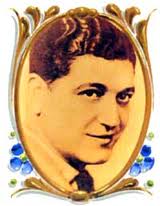
Carlos Di Sarli with Troilo

Carlos Di Sarli with Aníbal Troilo

A Guest Blog by Diana Howell, in her own words 

(edited and illustrated by Willow Running Hawk, including an Interview on 12.16.12)

Milonguero Defined
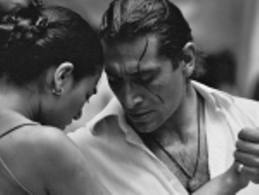
el Indio

el Indio

The strict definition of milonguero (females are milongueras), here in Buenos Aires, is someone who frequents milongas more than four times a week, and usually means someone who is at milongas every night, or just about every night.  I fall into this category, pretty much.

Julio Duplá, organizer of Sin Rumbo

Julio Duplá of Sin Rumbo

Milongueros are usually good dancers, sometimes fabulous dancers — which makes sense, if they’re dancing every night — sophisticated in the ways of the milonga, and streetwise, i.e., savvy about all aspects of the milonga. They often have a set table that is reserved for this “frequent flyer” dancer. Milongueros come in all ages, but the really weatherbeaten ones have put in a lot of years on the milonga road, dancing till 6:00 am every day. They have the sleeping habits of a vampire, and live on a poor diet of champagne-based fluids and salty snacks.

guapoSome still smoke, though nowadays they have to go outside the dance halls to light up. Heavens, what a drag that must have been in the “good old days” when everyone lit up inside! They say you couldn’t see across the dance floor for all the smoke! Many milongueros are divorced and live alone; some are married, but have cut back on their frequency of milonga attendance — making it possible to stay married? Younger milongueros who are in a steady relationship are usually with another tanguera (a woman who dances tango).
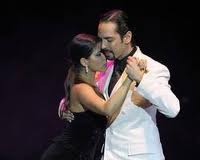
Clarissa Sanchez & John Erban

Clarissa Sanchez & John Erban

La Conquista: Beware the Tango Gigolo!

Some milongueros live off of foreign tango dancers, temporarily or semi-permanently; the sleazier variety keeps a sharp eye out for new victims. They are invariably good-looking, charming, well-dressed and capable dancers who can speak a few key words in a variety of languages.
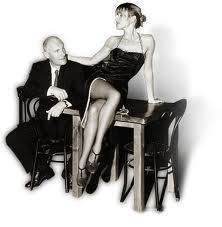
Gato & Andrea

Gato & Andrea

These tango gigolos are quick to complement your dancing, your charms, your sex appeal. Their strategy is: spot, slay, suck! In other words, he spots a victim (let’s just say this could be you!), slays you with charm until he gets access to, and eventually moves into, your apartment; then starts draining your bank account until you either get wise and cut him off, or run out of funds!
mil mirando-1

This has happened to a lot of foreign tangueras here, so beware the silver-tongued devils! It’s been interesting watching the one or two month couplings of milongueros with foreign girls; every month or two, another new foreign face.
tango gigolo-3

The slightly less sleazy variety just wants a sexual conquest, and he will push, push, and keep pushing you, until either he doesn’t get anywhere, in which case you, once his “queen of the hop,” no longer gets so much as a glance from him; or until he beds you. His game is ALL about conquest. Then he moves on, looking for fresh blood, no doubt sharing all the details of the conquest with his compadres.
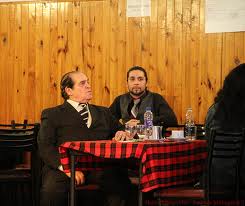
a regular at La Baldosa

regulars at La Baldosa

His attention level (unless there is good money involved) is very short, and I think it has to do with the training pattern of the dance: one or two tandas with more than a dozen different females on a nightly basis trains them to think of relationships as equally loose and temporary. Keeping a milonguero interested enough to dance a few tandas with you, without falling into his sex trap, requires skillful and delicate balancing of interests.
Buenos Aires boys

Buenos Aires boys

NEVER accept an invitation to go out for a “coffee” after the milonga, because the translation of that code is: coffee & sex. Accepting a ride home is pretty iffy too, unless you REALLY know him, and even then… ¡con cuidado!
mil joven 1

Of course, if you do not have any money, but are 20 years old, drop dead gorgeous, and a great dancer, he will hang around forever, because you are a feather in his cap. “Look at me guys, she LIKES me! She’s MINE.” Some of the nicer milongueros are so dog-gone honest, they’ll admit they’re married, but still invite you to be their girlfriend.
just kidding, Javier!

just kidding, Javier!

Most of the other dilly-dalliers use the old “we live in the same house for economic reasons, but are not a couple anymore” routine. Some of the married milongueros (especially the older ones), are simply there to dance tango (their wives do not prevent them from attending, and have learned to preserve the marriage by letting them dance). These guys are the most fun, because they don’t have a “conquest agenda,” and are happy and eager to dance with you.
images-5

For married milongueros, dancing tango is a form of safe sex, because when you complete a fabulous tanda, it is almost as good as great sex! It allows married tangueros (and tangueras) to get a feeling of closeness with a member of the opposite sex (who is not their mate) without stepping outside the relationship. Of course, some do step outside those bounds. Like, we ARE discussing men, right?
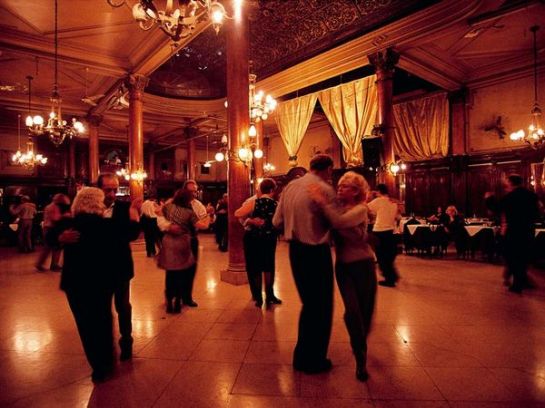
Confitería Ideal

Confitería Ideal

Milongueros are, by and large, muy ensimismados: very self-centered. 

Call it machismo if you like. It’s ALL about them: you are just there to make it happen. Just think “EGO-MAXIMO” and you get a fair picture of the typical milonguero.
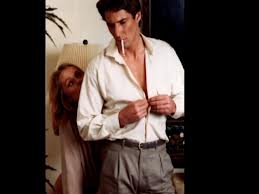
Tango Gigolo

Tango Gigolo

So, why are we so fascinated? What makes us long to dance with them? Isn’t the idea of dancing Tango a romantic fantasy held by many women? Also, good leaders dance wonderfully well, making us dance our best; and of course, there is the magic of their embrace — strong, resolute, and close enough to melt any woman’s heart!
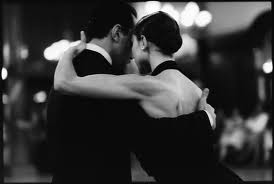
pareja blk&wt

The strength of a typical Argentine lead can be felt in the confidence of his embrace. Women come from all over the world for this embrace! It’s close, strong and decisive, and it makes you feel absolutely WONDERFUL.

Raúl Bravo, the quintessential milonguero, el maestro de maestros!

Raúl Bravo, the quintessential Milonguero, el maestro de maestros!

A less confident embrace makes it very difficult for a women to know what her partner wants her to do. Even a mediocre Argentine leader usually has a good embrace. My favorite leaders (besides Porteños!) are from England, Italy, Holland, and Germany; they have excellent basic technique, smooth, with a solid embrace and a refreshing lack of the complicated figures that no one has room to execute on the dance floor anyway.
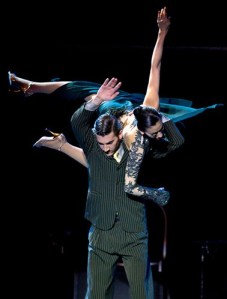
A4B9B93B65C325A6CD59EDFBDB1171

All that aside, it is a great time here, and I love meeting up with people from diverse cultures, not only to share the dance, but to chat about our various cultures. What a GREAT way to go international! I have met dancers from Sweden, Scotland, even Cameroon…  yes, there is tango in many African cities! HOW GREAT IS OUR WORLD OF TANGO!  Speaking Tango is like having another language, another passport, a passport of a universal cultural identity, that of devotion to and love of Tango.
BAs boys 3

FAQs about Milongas:

The earliest and latest hours of the most popular milongas are always the best time to dance; the floor is less crowded and it’s easier to see someone else to cabeceo. All milongas follow the same pattern: less crowded at the beginning and, as people begin to arrive, more crowded, more energy, more noise, and lots of conversation during the cortinas.
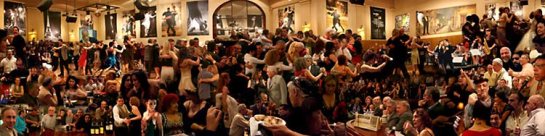
Salon Canning

Salon Canning

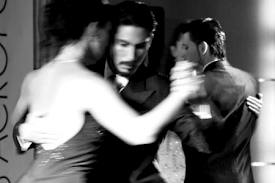
There seems to be a “peak time” every evening, when the energy is at its height, the floor packed. Then, as people begin to leave (perhaps because of work the next day, or to go to another milonga), the late night portion of the milonga begins. During these late hours many of the milongueros — people who attend milongas nearly every day, usually for years, even lifetimes — who did not dance much (but watched, and conversed with other milongueros at their table) will begin to dance, with very select choices.
images-3

Having waited for the crowd to leave, the people who remain are usually more serious dancers, to whom having more floor space to dance is more important than dancing in a high-energy crowd. Interestingly, the music gets juicier at this point.  Many times I have heard Argentine women complain: “As usual, now the music gets good!”  (…nothing quite like those conversations in the ladies’ room!) They complain because they must leave early, for work or family obligations.
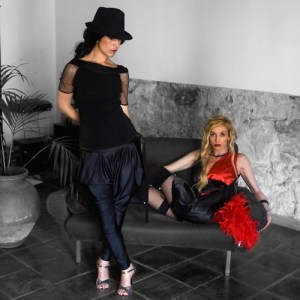
Colection UPTango designed by Ute Prause. Photos: Joan S‡nchez

Milongueros usually stay almost to closing time, and others will show up late as well, knowing that the crowd will have thinned out. At the early milongas (“matinee milongas”) you don’t need a watch to tell what time it’s getting to be, because many men disappear around 8:00 or 8:30, as precise as clockwork, going home to la señora, so as not to miss dinner or cause a riff at home.  Some women do likewise, and they will often change back to street clothes in the bathroom. (Note: this is a good idea if you use public transit, to avoid attracting attention from thieves.)
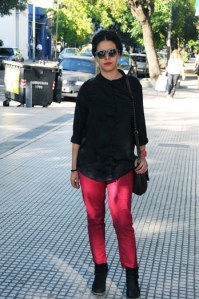
Buenos Aires Street Style

Buenos Aires Street Style

A Milonga is all about the Music!

For me, the most important element of a milonga (besides the dancing) in Buenos Aires is the music; the volume is turned up! This explains why dancers from BAires complain about the low volume of music at milongas in California, and I also find it really difficult to deal with. The music must enter you, body and soul, so you can dance to it! If you are not enveloped in sound, this is just not going to happen.
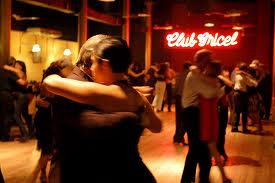
La Gricel

Just about every milonga in California plays the music way too low. This would never be acceptable in Buenos Aires, and the milonga would not survive. Also noteworthy is that mostly songs with lyrics are played here. Can you imagine why?
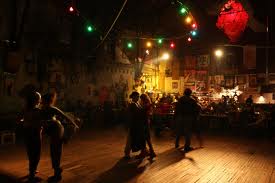
el Catedral

el Catedral

Because the lyrics are divine! The spectacular poetry of tango gets everyone into the mood of the dance. Granted, not understanding the words makes it difficult to appreciate the lyrics, but you are missing out on a much more profound experience of the music.
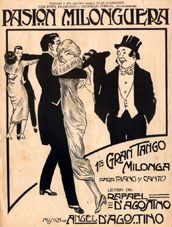
Pasion_milonguera

A third distinguishing factor is that you are simply not going to hear non-tango music played at a BAires milonga. There are alternative milongas where nuevo music is played (sometimes called neotango), but it’s still tango. You will, however, hear rock, swing, and latin or tropical (a mix of salsa, cumbia & other latin rhythms) during the break, usually played mid-evening, depending on the DJ.
dancing

The floor fills up exponentially more for the salsa or tropical than for swing. And some milongas, like Niño Bien, Sueño Porteño and La Nacional, always play a Chacarera followed by a Zamba. These Argentine folk dances are increasingly popular in Buenos Aires. There are also dance halls called boliches that play mostly rock and latin rhythms. Taxi drivers know where to find them.

images-3

a boliche

The Pulse of a Milonga

A milonga is a living thing; it has a beginning, an end, a pulse, a mood, an energy. People choose milongas because they like the music, the dancers — people they want to dance with, good level of dancers — and the opportunity to socialize — they meet up with their friends.
BAs boys 5

Milongas come and go in popularity. Perhaps this is due to the fickleness of human nature. Sometimes we crave a change, or something about the milonga changes: the DJ, the promoter, the clientele. The energy of milongas is determined by the music and the dancers.

el Catedral

el Catedral… cool atmosphere, funky floor

Of course, sometimes at well-known and popular milongas the energy will just not be there, and if that happens many times, the milonga will no longer be popular or well-attended. The dance floor is also very important.  Most people prefer wood, it’s perfect to pivot on, and easier on the feet. Tile is also nice for pivots and suave moves, but it’s harder on your feet. One of the largest milonga spaces in the capital is El Pial (venue of milonga La Baldosa) which has a tile floor (a baldosa is a tile).
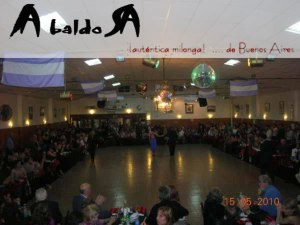
salon1

And ladies, please note, if there is liquid spilled on the floor, KEEP AWAY, because once the bottoms of your leather shoes get wet, you will not be able to pivot easily, and your evening may be over! It takes at least an hour of dancing to dry them out. Word to the Wise: Always carry a second pair of shoes!

images-4

Milongas Come and Go

Milongas can disappear forever, sometimes from lack of popularity, or perhaps the venue is sold or torn down (like Maipu 444), or the promoters did not have the proper licensing or fire exits. Sometimes milongas are suspended for a while until the proper licenses are procured. New milongas are always appearing, and their promoters will make the rounds of all the larger, more established milongas, handing out flyers and talking to dancers to promote their incipient venues.
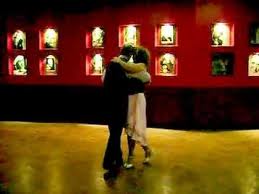
Sueño Porteño

Sueño Porteño

Sometimes the newbie milongas survive; sometimes they don’t. The largest and most established milongas have been around the longest, and these include: Sin Rumbo (“El Catedral del Tango”… the oldest continuously running milonga in BAires: 80+ years), La Gricel, Salon Canning, Niño Bien, La Nacional, Sunderland Club, El Beso, El Trovador, El Pial. This is not a complete list, not even close: there are hundreds! Some of the best times can be had at small neighborhood milongas; very few are listed; many are known by word of mouth alone.  Keep in mind that milongas are not on every street corner, and less than 2% of porteños (BAires residents) dance tango.
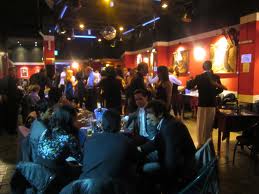
Porteño y Bailarín

Porteño y Bailarín

has living in BAs changed you?

In regards to the dance, yes. One thing I’ve assimilated is the style of dancing at milongas. In the US you are taught all these complex moves which you’re never going to use. In Argentina they only do about 5 moves on the floor, but they do them so beautifully it makes you cry. Argentines are so into the music. They value finesse. It’s not how MANY moves you can do, but how well do you do them? Are you connected to your partner? Transitions here are seamless, the music envelops you completely. That is the standard here, and it has become MY standard!
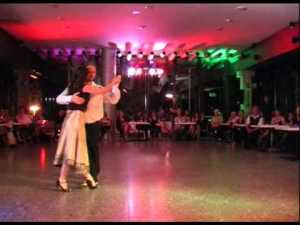
nice dancing

Many people in the US just don’t get this. Are you dreaming of dancing a corrida, a molinete, a boleo in Buenos Aires…? Forget it! There’s no room! Also, two big differences between leaders here and in the states, are: (1) everybody dances really close in Argentina, and (2) people here actually dance to the music. Of course they grew up with the music, they know the songs. We’re missing out on so much!
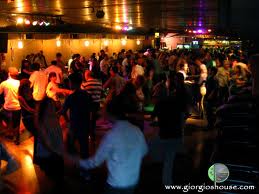
La Viruta

La Viruta

why is Tango so addicting?

My personal theory is that both males and females get a hormonal charge (endorphins) from the dance itself and the physicality of the dance; and another hormonal charge (oxytocin—the same one that gets released during sex) from the physical closeness and intimacy. All humans like being in close contact with other humans; it makes us feel good. It’s not just in your mind, it’s in your DNA! All tribal peoples do this, it just feels good. And, though we may be unaware of our cultural roots, WE ARE ALL TRIBAL PEOPLES! Tango also has the poetry of its lyrics, the romance of the culture, the beauty of the music and the dance, and the tremendous social aspect of the milongas. All milongueros admit that tango is addicting. We joke about it!
images-2

Compared to other addictions, Tango isn’t so bad. I mean, I have been compelled to dance tango seven nights a week! And talk about temptation! In Buenos Aires you can start dancing at 3 in the afternoon, and continue to 6 the next morning.  Do you think my time in rehab (i.e., the states) will be good for this problem?

Tango Addiction

at what point did you realize you were addicted?

I’ve talked to many people about tango addiction, including my porteño friends. Everyone knows it’s addictive… and obsessive! During my last three months in Buenos Aires I told myself I was going to stop dancing on Fridays. I was concerned that I’d become addicted. That only lasted 2 weeks… two Fridays!

THE RULES OF TANGO ADDICTION  

1:  you keep doing it
2:  every time you do it you feel happy
3:  it turns your life upside down but you don’t care.

when did you start dancing tango?

I’ve been a dancer all my life. My parents met on the dance floor. I was a belly dance instructor and performer for over 25 years. I lived in Morocco for 2 years. I listened to Middle Eastern music for so many years, I thought I could never live without it! But then I found Tango about 6 years ago. I was dabbling in a little ballroom, and a friend suggested I go to a milonga. Tango captured my body, my mind, my heart… it pierced my soul! The rest is history!
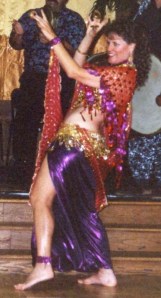
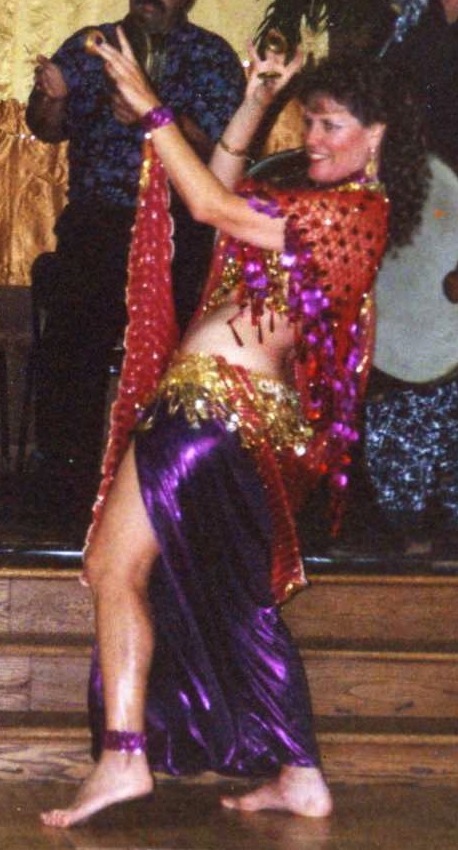
Diana belly dancing

Diana belly dancing

does tango take you somewhere?

Absolutely, yes. You’re focused on your partner and the music, both of you totally connected, grounded to the floor, to the earth. My eyes are closed. You don’t want external stimuli interfering with your dance; it’s an out-of-body experience. In the entire universe nothing else is happening!
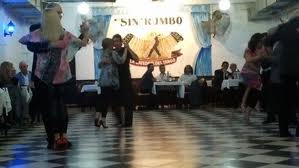
baldosas sin rumbo

For those few minutes you fall in love with that partner, deeply enjoying the music and the dance together. When you’re in that perfect state, like the perfect storm, your partner doesn’t have a name, you don’t have a name… your egos are absent, it’s just exquisite. After one of those tandas, you can almost go home…

What is your favorite Tango music? 

I love the Golden Age of Tango… Canaro of course, I love PoemaPaciencia is one of my favorite songs. I love Donato, depending on my mood…. D’Arienzo, Malerba, and, oh my, Pugliese! I only want to dance Pugliese with certain people.

San Pugliese

When they put on a Pugliese tanda, it changes everything! You need more space and more athletic ability, more focus, and a leader who is really with you. Why do they play Pugliese so late? Because you need a lot of energy to dance to Pugliese. I love di Sarli too, and the Golden Age vocalists you don’t find any more, like Fiorentino… he was a tenor of Italian heritage, from the operatic tradition.

Francisco Fiorentino

Francisco Fiorentino

The voice training that they had back then… wow! Modern singers aren’t nearly as dramatic, and most are not as well-trained. And Troilo, of course… I was really fortunate this last year, Buenos Aires has so many free concerts, both tango and classical. In terms of culture BAires really has it over California.

who have you studied with…

My “Número Uno” teacher in the states is Marcelo Solis [California: Bay Area]. I was fortunate to have started with him. If you train with Marcelo, you can dance with anyone.

marcelo solis

In a private, Marcelo dances with me for a whole hour. Lisette Perelle is also a fabulous teacher, especially for technique…

Lisette

and Glenn Corteza for musicality and ease of movement.
Glenn Corteza

Eduardo Saucedo teaches at La Ideal in BAires, and in the States: fabulous!
eduardo saucedo

And ALL the milongueros of Buenos Aires that I dance with are my teachers! When you are starting out, “sample the market” (of teachers), then stick with one, or maybe two, at the most. Don’t confuse yourself with too many “takes” on the subject, it will show in your dance. Same goes for visits to Buenos Aires.

mil guapos

Is the Tango scene in Buenos Aires changing?

A big change in milongas since I’ve lived in BAires is the door prizes. During half-time at the milongas (usually about 1:00 or 2:00 am) there are door prizes, based on your ticket number. A few years ago, a pair or two of shoes was given away each evening, plus lesser prizes, like a bottle of champagne, wine, tickets to the next milonga, a tango CD, or tango apparel. These days, it may be partial credit towards a pair of shoes, or a drawing for shoes only once or twice monthly, partial credit for Tango clothing, fewer bottles of champagne (always shared with others at your table… Porteños LOVE champagne!) and even pizza vouchers — reflections of a much weaker economy. Another indication of the economic downturn is that some milongueros will only attend one milonga per evening, whereas in the past, they may have attended two or three. An entrada now averages 35 pesos (about US$7.00) and a non-alcoholic beverage 15 pesos (US$3.00). The price of a drink depends on the venue, and can be very expensive, especially if you want American whiskey.

images

But a glass of local wine is still only about $3. Then there are the taxi fares, which jumped considerably in mid-2012, after having already doubled on New Year’s Day 2012. Any food you get at a milonga in BAires is paid for just like in a restaurant, unlike in the states, where a table (or several tables) of nibbles like fruits and veggies, chips and dips, cheese and crackers, sodas, water and wine are usually free, and are often provided potluck style. If you eat and drink well at a California milonga, the $10-$12 door price is a bargain!
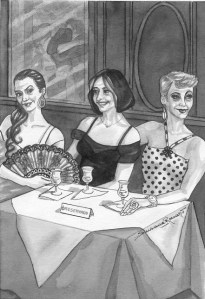
las chicas 2

The Argentine economic downturn is a reflection of the world economic crisis. Many Argentines believe that another big “restructuring” is on its way. Now, in December, [2012] it’s high season for Tango tourism, with lots of visitors from the States, Asia, Australia, and Europe. It’s the warmest time of year in the Southern Cone. December 1st is International Tango Day, where thousands dance to live Tango orchestras in the streets of Buenos Aires. It’s a great place to meet people from all over the world.
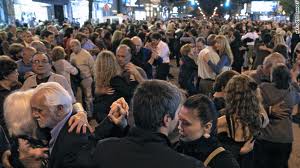
Unknown

Can you describe a perfect lead?

First and foremost somebody who KNOWS what he’s trying to do. There’s nothing worse than a weak lead… and you cannot change a lead-idea in midstream. A good leader has confidence, he just LEADS!… Even if YOU think a step is difficult, it won’t be, if he leads it properly! A good leader makes it almost impossible for you to take a wrong step.
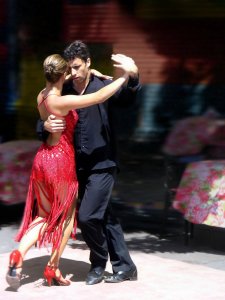
pareja joven 2

Argentine men, even if they’re not great dancers, have a confident embrace, a decisive lead. They say women come from all over the world to feel this embrace… it’s true!  One thing that has surprised me is that not all men can dance milonga well, even Argentine men! So, it isn’t genetic after all? To dance milonga well you must listen to the music… if you don’t catch the beat, you won’t get the flavor of the dance.
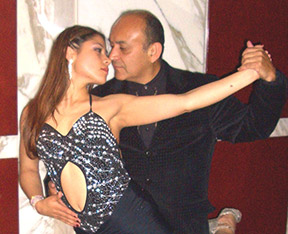
great milonga dancers Jorge & Milena Nel

great milonga dancers Jorge & Milena Nel

What about followers… what are our worst sins…?

Even if my leader is not the greatest, or not at my level, I try to give him my total attention. I give him the best dance I can. I don’t look around the room. If you focus on that moment, that leader, that bubble of time you have with him, your dance with him will be so much better… you can make him look better than he ever has! I must say that in BAires, lots of Porteñas cultivate the Little Orphan Annie look, occasionally frowning, or raising an eyebrow while dancing with a bad lead.
pissed 2

But you can better your dance by always maintaining your structure, executing your movements elegantly, maintaining your dance integrity no matter what. I’ve only ever had to walk off the floor if I thought someone was dangerous to me or to others…. or if someone was man-handling me in a sexual way.

baby don't go!

do you dance differently on a crowded floor?

Well, obviously, on a crowded floor, where you may advance only 20 feet per song, your steps should be well underneath your body, no overextended leg; shrink your bubble! Try to not get upset if you are grazed by someone else’s heel. You can dance the same steps, but as baby steps… or steps in place… covering very little ground. You can make it look good!
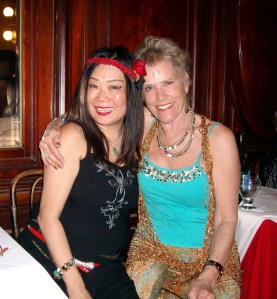
Diana with Juliet, a BAires expat from Canada

Diana with Juliette, a BAires expat from Canada

what advice would you give to beginners?

The most important thing in tango is your basics. Glenn Corteza puts it very well: “your dance is only as good as your basic.” Skip the advanced classes, take the basics classes over and over. Everybody’s in such a hurry to learn fancy moves. What becomes most enjoyable is executing a step seamlessly, effortlessly, with the music… that’s the beauty of Tango. Be totally in the moment.
pareja joven

I think beginners should stay beginners for a long time. Even if you never advance beyond the basics, if you move exquisitely, gracefully, you don’t need anything else. Don’t tell yourself, “oh, that was bad.” There is no such thing as bad tango. There is no such thing as good tango. Tango just IS.

images-6

Milonga Resources and Cabeceos:

The milonga listings are a great resource in BAires, and can be picked up for free at most milongas, tango shoe stores, and other tango venues. They list milongas day-by-day, with milonga names, the venue name and location, starting and ending times, and names and telephone numbers of milonga organizers. You will also find listings of Tango schools, teachers, and prácticas.
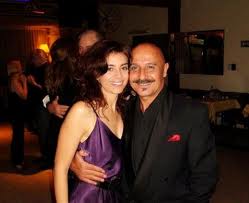
Jorge Firpo y Diana Mestre

maestros Jorge Firpo y Diana Mestre

There are quite a few really good milonga websites as well, some with videos, so you can get a sense of the atmosphere of each particular milonga. I still favor the little milonga listings booklet, which fits right into your shoe bag. It’s always a good idea to call and reserve a table for the milonga, to avoid being seated in the back or behind a pillar, where it will be more difficult to catch a cabeceo. Check out <hoy-milonga.com>.

Can you explain cabeceos?

Ah yes, cabeceos! The system here to ask, or be asked to dance, is called cabeceo. It’s based on eye contact. Men are usually seated on one side of the dance floor, women on the other, and couples at the ends; sometimes a slight variation on this theme. To get asked to dance, you scan the room, trying to catch the eye of someone you would like to dance with, or looking across to see if someone is trying to catch your eye.

cabeceo-3

Eye contact is followed by a nod of acknowledgement, or raising of the eyebrows. The better you are at this, the more you will dance.

cabeceo-2

Be aware that in touristy milongas such as Confiteria Ideal or Salon Canning, you may be approached at your table, instead of cabeceo’d. In traditional tango culture this is considered extremely rude! So you can Just Say NO. The guys do this because so many foreign women do not understand the cabeceo code. If I am approached this way, I usually smile my best smile and say “porque no cabeceo?”  No reason to be bitchy about it.

What is a typical day for you?

I sleep late! In the afternoons I take classes, get groceries, meet friends for coffee, do ART….. I’m a Plein Air painter, an Impressionist. I do landscapes in oil, and watercolors when I’m traveling. I like to eat a big meal about 3 pm, then take a nap and think about the milongas I’m going to that evening. These days, with all the matinee milongas, you don’t have to be a vampire anymore. Of course it’s a different crowd at the early milongas.
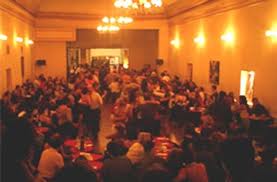
La Nacional

La Nacional

and the food?

Beef is king here, and it is wonderful! However, vegetarian restaurants are sprouting up here and there, excellent Italian pastas and pizza are everywhere, and chicken is on most restaurant menus. The food is bland, spices are not prevalent, everything is too salty, and high fat abounds. I prefer the Peruvian food, it is very tasty, with complex flavors: more of a “cuisine” than Argentine food.  There are lots of McDonald’s and Burger Kings here, and why anyone would want one of their offerings instead of a nice Argentine steak is beyond me! The medialunas (small croissants) are to die for, as well as dulce de leche anything!
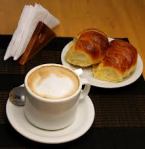
café & medialunas

what about Argentine fashion?

Argentine women like to dress!! As Amy Lincoln says, they’re “well put together.”They wear lots of creative (but not expensive) jewelry, big earrings, scarves, lots of bling! In the US, black is practically the uniform at milongas, but not here. Argentine women do wear a lot of black, but they also wear pretty, lighter colors.
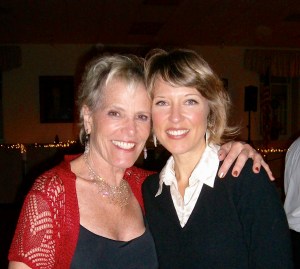
Diana and Amy

Diana and Amy

In California, people tend to dress down. Here in Buenos Aires mostly younger women dress down, but you can always spot someone in a sequined dress. “Dress-up” was my favorite game when I was little, so you know where I’m going with this theme! In my opinion, Argentine women dress and look sexier than American women. Not all men wear suits anymore, but usually nice trousers and shirts; only foreigners wear cargo pants or  jeans — and a few stray Porteños!
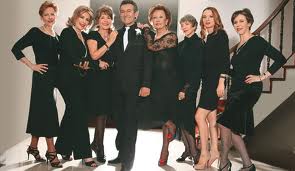
milongueras en negro

did you fall in love with the dance, or the music…?

Because I’m a dancer I can’t separate the two. It’s like a combo plate, you can’t buy one without the other!
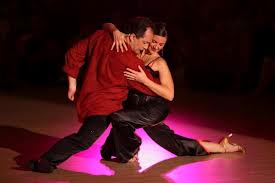
beauti dancers

how long have you been in Buenos Aires?

I moved here in the fall of 2011… I’m not sure when I’ll leave… if ever?
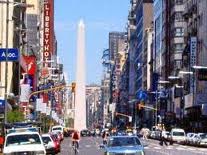
obelisco

Ciao from Diana Howell in Buenos Aires!

SANYO DIGITAL CAMERA

¡Felíz Año Nuevo! 2012 in Review

The WordPress.com stats helper monkeys prepared a 2012 annual report for this blog.

Here’s an excerpt:

600 people reached the top of Mt. Everest in 2012. This blog got about 8,000 views in 2012. If every person who reached the top of Mt. Everest viewed this blog, it would have taken 13 years to get that many views.

Click here to see the complete report.

Barcelona III: Milongas and Prime Directives

Are you ready to tune into a new channel? You could call it the Universal Channel (no, not Universal Pictures; not the Disney Channel, either). Let’s call it the CLC: Cosmic Light Channel. Ready to tune in and have your DNA synced? Ready to get rebooted by the galactic synchronizer? I keep hearing from every twinkle twinkle little star, saying that our bodies are gonna be receiving electromagnetic pulses from the CLC which will greatly accelerate our own personal evolutionary journeys! Not a roller-coaster ride, please! Just a gentle ZAP! from the cosmic mother board, like the little slap on the bottom babies get after leaving the tranquil maternal seas.

Spock

Spock

A lot of that grey matter which most of us have never used to capacity (Hey! speak for yourself!) may finally be put to work! And not just for ourselves, but for the benefit of all humankind. They say we should NOT go online, not watch TV, not travel, not use electronic devices (you gotta be kidding! ya mean, wean ourselves from the mother boobie?) during our “stimulus package” makeovers to avoid a quantum leap out of the cosmic jamba juicer into the proverbial (uh-oh!) frying pan! Not good! Steer clear of the Dark Side! No burnt side with my jumbo meal today, thanks! Definitely gotta cut back to fruits and veggies, nuts and spuds, during your cosmic tune-up and chakra alignment! I mean, you wouldn’t pour Karo syrup into your gas tank before a major road trip, would you?

images

So, what should you do during your universal involuntary Solstice Synchronizing weekend? Well, food, sex and tango is always recommended… um, what else is there? More endorphins, please! Some serious prayer and meditation is always good idea, of course, with a little cosmic-chip wafer and wine. A scoop of Cherry Garcia in your smoothie will give you a better chance of chatting with you-know-who on the other side. Dark glasses to avoid being blinded by the Light. And don’t leave out the Xocolate!

maya_cartoon

Well kids, If we’re going to be the heros and heroines of a universal paradigm shift, let’s do it with style and class: Enzo Ferrari all the way! Max out your carbon-cylinder footprint!  Be the protagonist of your own story, not the silent witness! If you decide to hibernate (highly recommended by non-tango dancer friends), stay at home, read, fix a fruit salad, bake your own bread, play with your kids, be creative! Make your own post-apocalypso holiday greeting cards, write a story and read it to your cat or dog (your cat will just fall asleep; your dog may provide helpful critical feedback).

So, just to be on the safe side, keep in mind these universal mandates:

  1. Resistance is futile (the Borg)
  2. Mutate now, avoid the rush! (Katie & Renie)
  3. Resist much, obey little (Edward Abbey)
  4. If you don’t like the news, go out and make some of your own! (Cosmic Muffin)

and these other guiding principles of La Vida Tanguera:

1)  keep doing it
2)  every time you do it you feel happy
3)  it turns your life upside down but you don’t care.

Graciela y Osvaldo La Yumba Tango y Milonga en Barcelona 0

La Yumba… our favorite Barcelona milonga!!

la Yumba

before the crowds

All the flavor of a real authentic Buenos Aires milonga!

kjasdf

delicious dance floor!

We also like the Acuarilonga: an open air milonga a few steps from the aquarium, in the harbor right next to the Mare Magnum, surrounded by water with a bridge that connects to terraferma.

Acuarlionga

Sorry, I forget the name of this next milonga! Only a few blocks from our Eixample neighborhood, near Carrer d’Árago x Calabria. PR for milongas, prácticas, tango classes and workshops is spread out on the pool table. Nice bar, nice floor, nice vibe! Now, if we can just find it again… that would be nice!

unknown milonga!

possibly, La Milonga del Café

Catalans really like to play with words. There are 9 million Catalan speakers in Spain — no wonder they want their own borders — I don’t know how that would affect their economy; the way things are now, it could hardly be worse. But I’m no economist, so don’t string me up! I mean, I still use my fingers to count, ok? (All those years teaching kindergarten…) But the wonderful Catalan way with words leads to all these delightful milonga names, such as la Acuarilonga, la Milongallega (a gallego is someone of Spanish descent); la Gratalonga (a beautiful time); a milonga on the fringes of town: la Arrabalera; a milonga with a well-polished dance floor: la Bien Pulenta. How fun is that? Another night we stumbled onto a really cool milonga with live music in a tiny club. The sound was pretty decent, dance floor not bad, nice lighting, good dancers… check it out!

Milonga Bellos Aires

Milonga Bellos Aires

We went to an evening concert at Teatro Grec, an outdoor amphitheater up on the hill called Montjuic (monte de los Judíos), site of a Jewish cemetery dating to the Middle Ages, now a park and home to the Barcelona Olympic Stadium and numerous museums and event centers. Are you ready to recite the Barcy museum litany? :  there’s the MNAC (Museu Nacional d’Arte de Catalunya), the MACBA (Museu d’Art Contemporani de Barcelona), the CCCB (Centro de Cultura Contemporánia de Barcelona), el Museu Picasso, la Fundación Joan Miróla Fundación Antoni Tapíes, el Museu de la Historia de la Ciudad de Barcelona, el Museu Maritimo, and of course, la Pedrera, one of Gaudí’s many masterpieces. There’s lots more museums and galleries, but ¡ya basta!

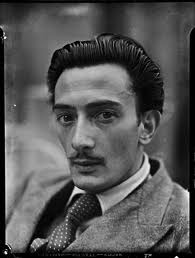
the original iconic Art hipster

Dalí: the original iconic Art hipster

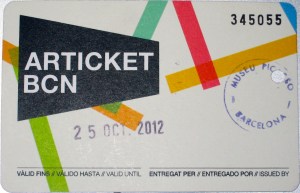
If you’re serious about Art, besides learning all the acronyms, reciting the litany, and looking the part (see above), you’ve got to get a museum pass, the Articket Barcelona.

IMG_6249

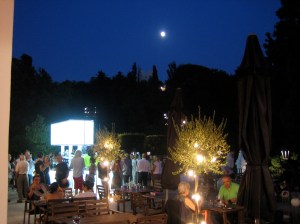
It costs €30, saves you a ton of plata and no more waiting in lines. Pre-concert to-do list: kick back, have a drink, and watch the Barcy sky fade to indigo blue.

Teatro Grec

Teatro Grec

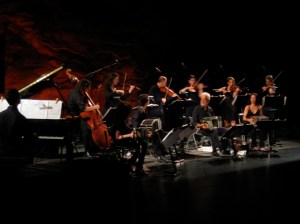
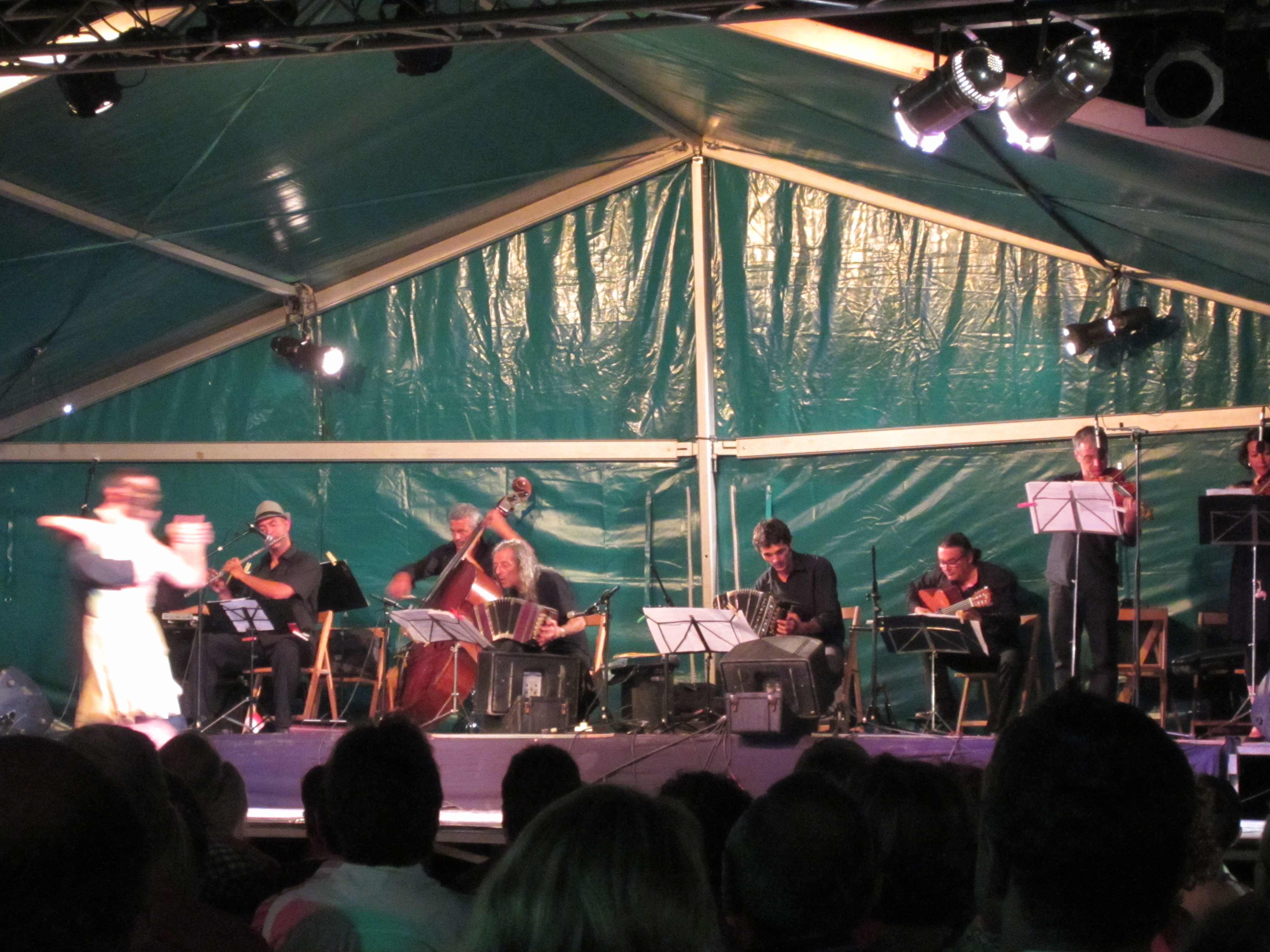
Tango en vivo!   Juan José Mosalini, in center with white hair and sensational bandoneon, in the midst of his superb orchestra.

Orquesta Juan José Mosalini

Orquesta Juan José Mosalini

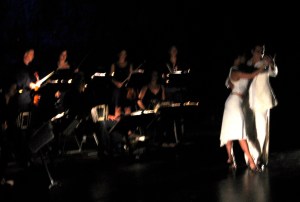
Nothing like the earthy atmosphere of ancient rock-quarry walls ceilinged with stars for awesome sound; mix in a few spotlights slowly morphing from blue to purple to red, highlighting the orchestra and the dancers. I was swept away by a sense of timelessness: what a fabulous evening!

kjhjhlkhj

dancers in white

Mosalini had different couples wearing different colors to complement the different Nuevo Tango pieces, including several Piazzola heartbreakers.

jhgjfdkf

dancers in red

Tango dancers in...

dancers in… um… flowers

aslkjasdf

Recognize this couple?

Sebastian Jimenez y María Inés Bogado……winners of El Mundial, salon style, 2010. We saw them at the Sitges Tango Festival in July.

And how about that Pipa Club? I think we should spend another month in Barcelona just dancing at La Pipa, Plaza Real (ok, Plaça Reial in Catalan)…

asfdlkgasdf

we spotted our friend Gato Valdéz here

Who’s the guy next to Aníbal Troilo? Somebody please tell me!

LaPipa-Troilo

Cuarteto Irreal

We didn’t see Quarteto Irreal, but you gotta love the poster!

MediaLuna

Yet another sizzling hot tango poster, exemplifying this absolutely electrifying Mediterranean port!  But that’s not all… what about Barcy’s amazing soccer team?

images

Yes, I’m a Barcy fan. Can you tell?

311.png

Of course, you already know about the Gothic Quarter, el Ravel (next time you listen to Otros Aires’ tune, Rotos en el Ravel, listen to the words… they speak of the multiculturality of this famous and fabulous city, an “encyclopedia of humanity”). And you may recall the sunset Jazz Chill-Out cruise… but there’s more! I have yet to write about world-famous Catalan architect Antoni Gaudí (does the name la Sagrada Familia ring a bell?) and the Costa Brava: the meandering coastline heading north to France, not just vaguely, but very reminiscent of our own Big Sur.

la Costa Brava

la Costa Brava

Barcy just can’t be summed up in a few words, but let me try: so many hip young people, so much music, art, creativity: such a phenomenal scene! The delicious (and cheap!) tapas, delectable wine, sangria, cava… affordable public transportation (buses, subways, trains), free drinking water and recycling bins on just about every block; protests for Catalan independence every other day; corner cafés, pubs and bistros everywhere, plus the amazing nightlife: the bar scene, the nightclubs, the parties spilling into the streets at all hours…  and a waterfront! Barcy reminds me so much of Buenos Aires. How do you spell culture, nightlife, fun times, outgoing, passionate and compassionate people? ¡ESPANYOLES BARCELONA CATALUNYA! 

Hold everything!

the Maritime Museum

But wait… hold everything! No, you’re not going to the Magic Fountains before looking at some of the world’s most stunning artifacts from early Catalunya. An old Spanish friend of mine, Miguel de Cervantes, always reminds us to educate as we entertain! Besides, where else are you gonna get ideas for next year’s Halloween costume?

asdflkj

La Pelirroja: biblical heroine

winged saints...

winged saints…

meditating monks...

meditating monks…

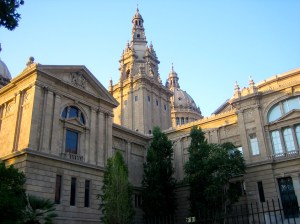
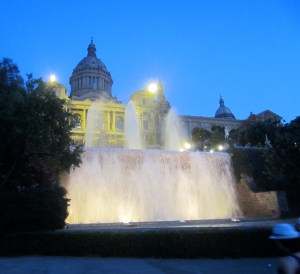
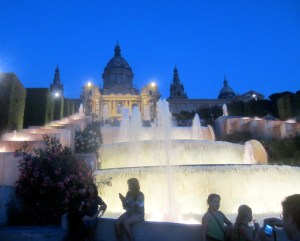
All these lovely artifacts can be found in a beautiful former palace, the MNAC: Museo Nacional d’Arte Catalunya. My favorite Barcy museum, and former palace. (Please note: la Pelirroja is not her real name. Just foolin’ around.)

el Palacio Real

el Palacio Real on a very pretty day

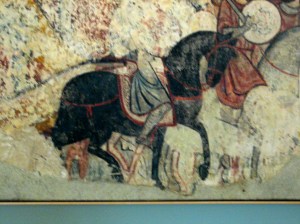
gorgeous black steed

gorgeous black steed – rider’s head in the clouds?

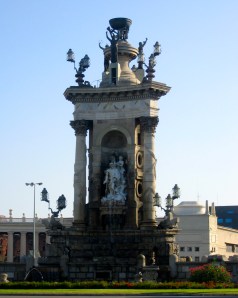
So if you want to see the Magic Fountains of Montjuic, you must begin at the stunning Plaza España, just down the hill, in the middle of a very busy intersection.

Plaza d'España by day

Plaza España by day

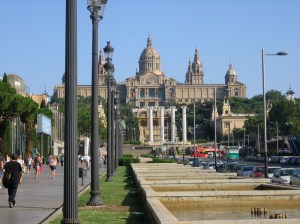
view of the palace from below

looking up towards the MNAC from Plaza España

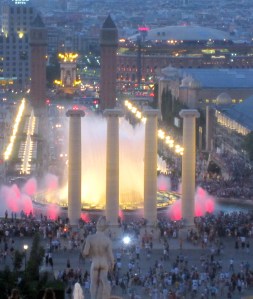
You climb up the hill, sonambulate around the museum for a few hours until it gets dark, turn yourself around and, wow!! quite the view of Barcelona! In the next photo you can see the Plaza España lit up in the background, between the giant obelisks. The big round building, once a bullring, is now a huge shopping mall.

looking down from up top

looking down from up top

Yeah, they get quite a crowd around dusk!

;lkjsfg

the sound of the water, the lights, the music…

Merry Christmas everybody!!

Happy Holidays from Barcelona!!

And don’t for get to have a superlative transformative Solstice!

Over and out from Barcelona!

Over and out from Barcelona!

Barcelona: Palau de la Música Catalana

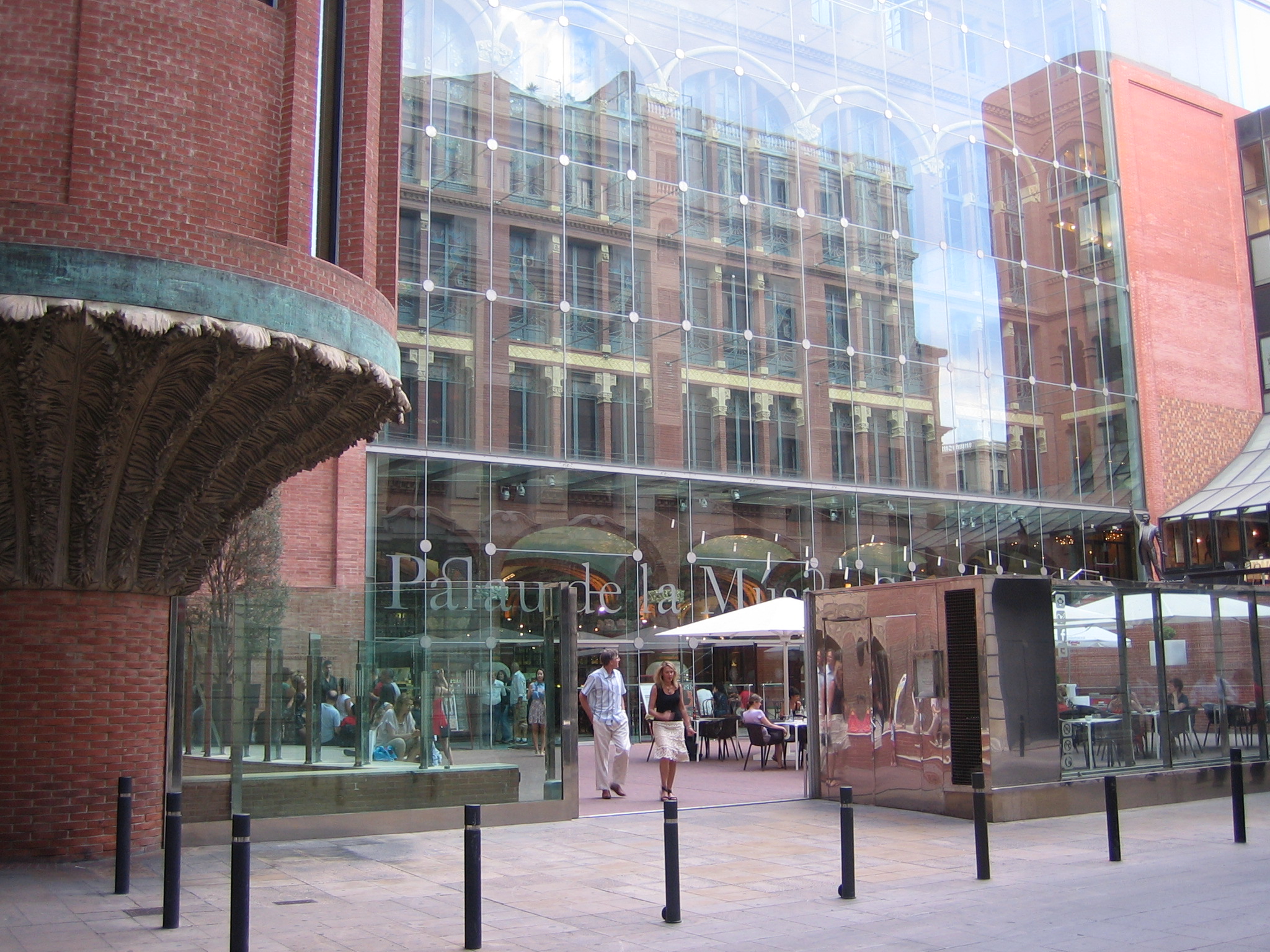
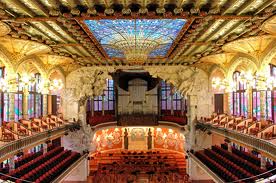
Barcelona is home to one of the most beautiful concert halls in the world: el Palau de la Música Catalana. The Palau is one of the most brilliant examples of Modernist architecture anywhere. Absolutely stunning! I count myself very fortunate to have seen it, and extra lucky ’cause I got to see a fabulous Flamenco performance there as well.

The first modernist “curtain wall” is about 5 stories tall: a compelling contrast of modern and traditional. Catalan modernismo was a very local, very Barcelonesque architectural movement which had its roots in the industrial revolution of late 19th century Spain. In Catalonia the modernist movement went even further and developed a local style and personality, sprung from the Renaixença, the Catalan language and cultural renaissance. Modernismo was a natural response to the unprecedented urban industrial development occurring at that time, and not just in Spain, but all over the developing world. Like the recycling of Barcelona’s waterfront for the 1992 Olympic Games, the Barcelona Expo of 1888 created a big push to update and urbanize the city. This artistic movement became known as Art Nouveau in Europe. Smart people argue about when and where Modernismo (or Art Nouveau) originated, but by the Paris Expo of 1902 it was everywhere.

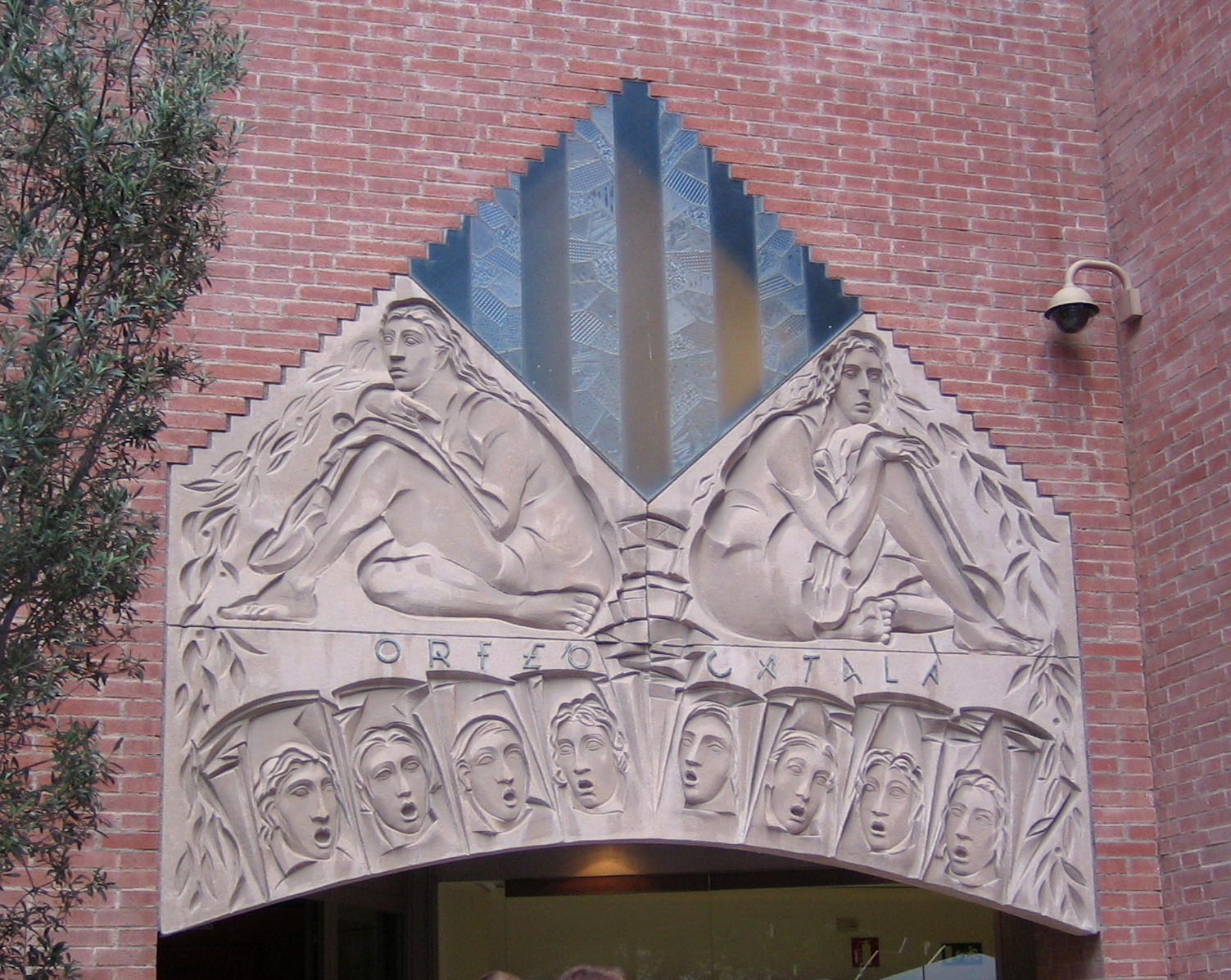
Designed in the Catalan modernist style by architect Lluís Domenech i Montaner, the Palau was built between 1905 and 1908 by a local choral society, the Orfeó Catalá. I find it amazing that a humble choral group became a catalyst  in the Catalan Renaixença.

Aren’t we in Middle Earth? Isn’t this Olde Elvish design?

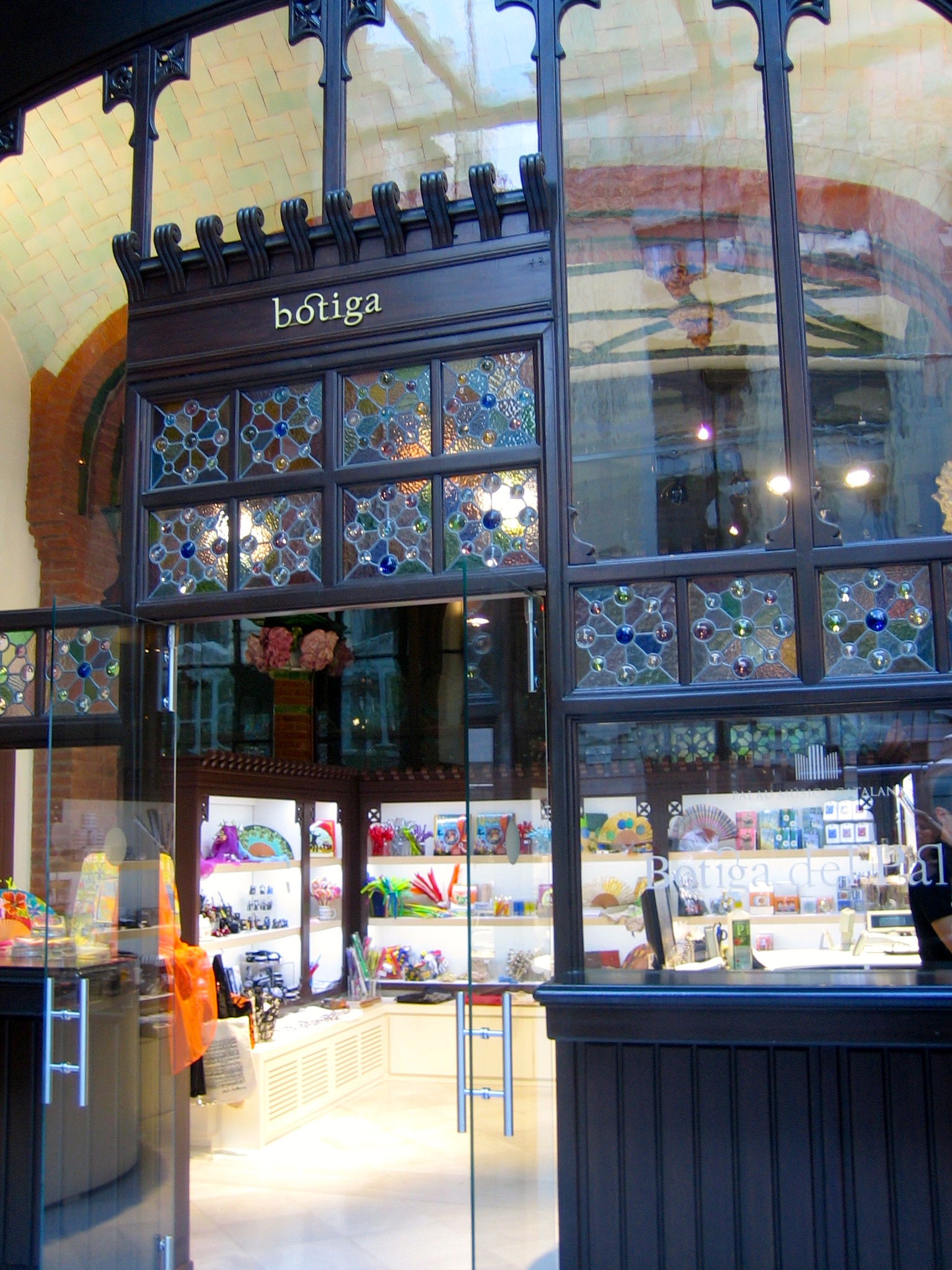
                                                 la botiga — the gift shop

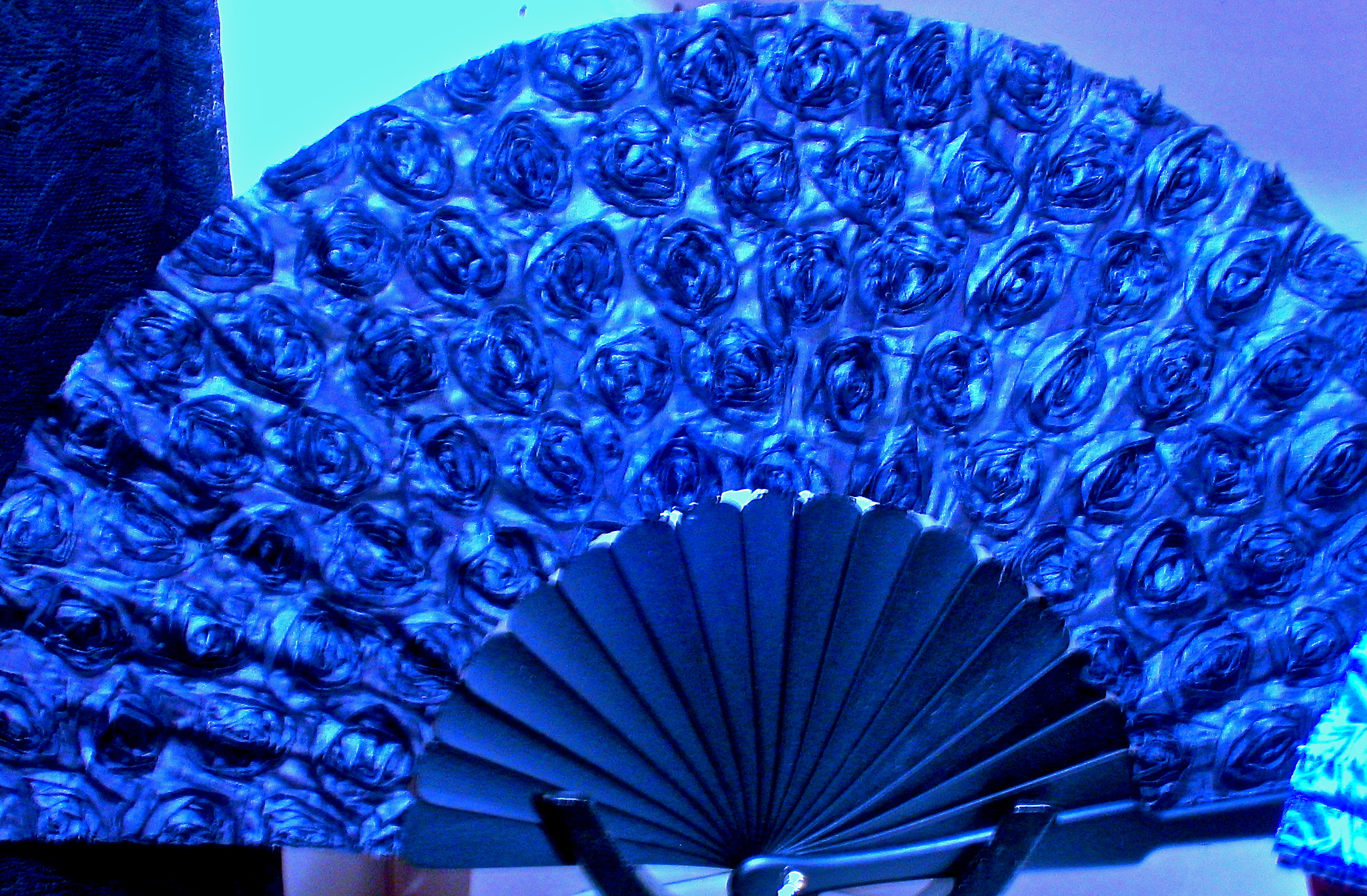
Oooh, if this isn’t the place to go for silk scarves and handpainted silk fans… gorgeous and very pricey! And loads of exquisite glass and ceramic items, jewelry… plus a whole room of art books. Truly just a light veil separates heaven from earth!

Midnight blue silk rosette fan… stunning!

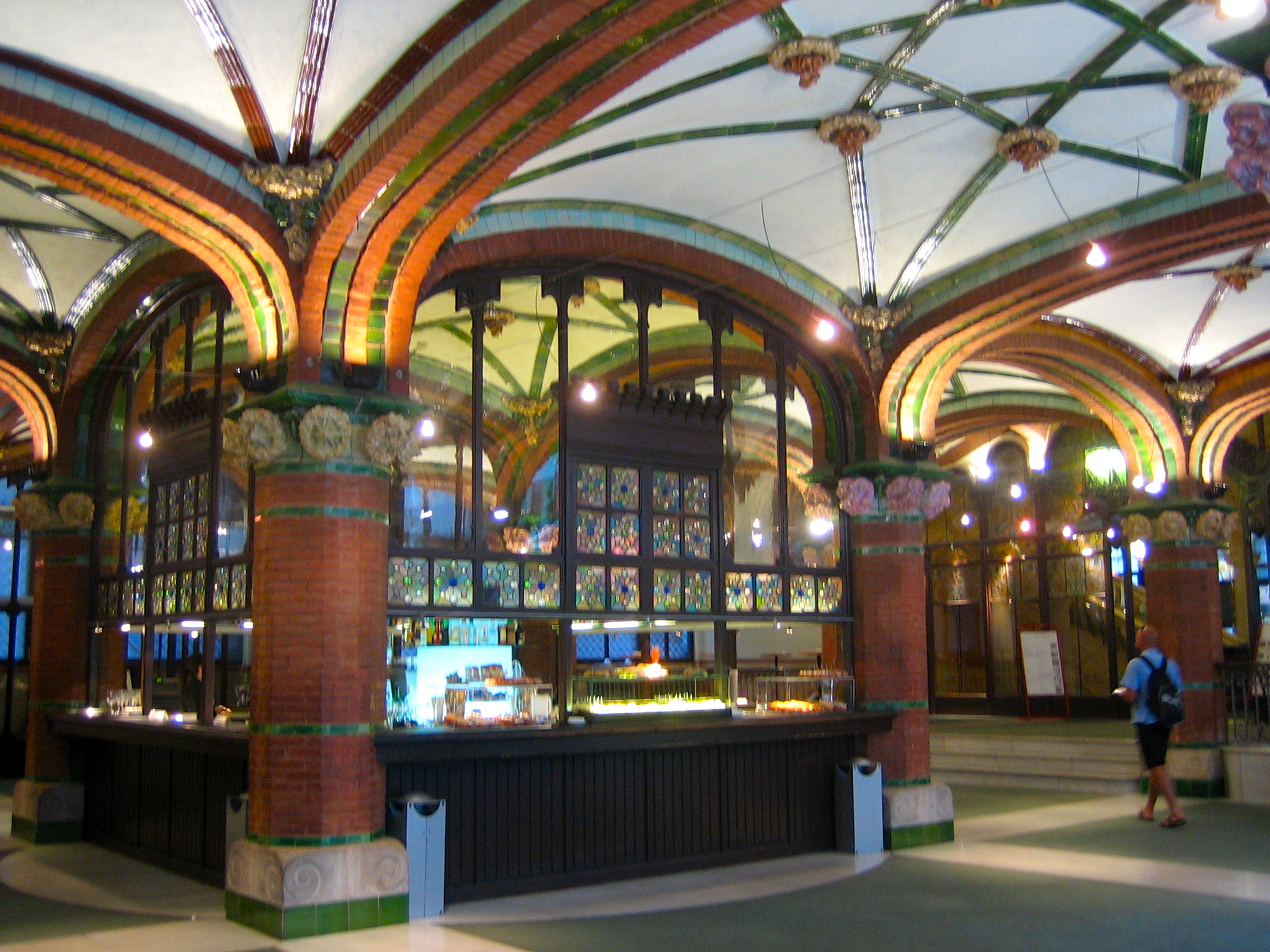
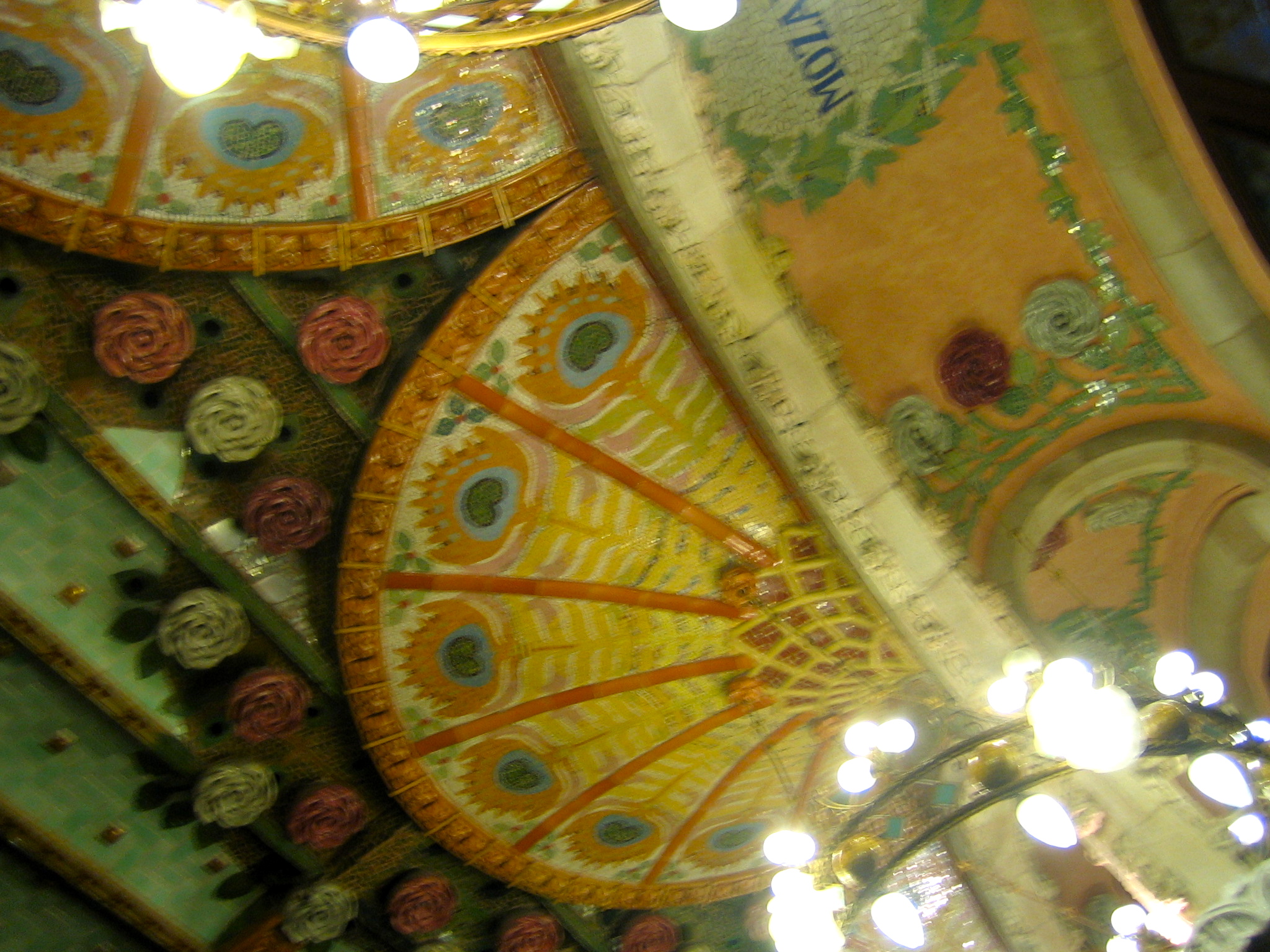
It’s anybody’s guess what the ceiling motif is all about… silk fans? giant moths? flowers? Well, guess again… the book I brought home from the gift shop says they’re open tulips. An unbelievable fantasyland of the decorative arts! Everywhere you look are forms and shapes taken from Nature with a capital N. Catalan artists created their own language of symbols inspired by organic shapes and patterns from the natural world: birds, butterflies, leaves, flowers, not to mention fantastical animals and people. Like when you cut an apple in half crosswise, what do you find…? a star! Of course these photos are only a hint, a glimpse… you’ll just have to go see for yourself!

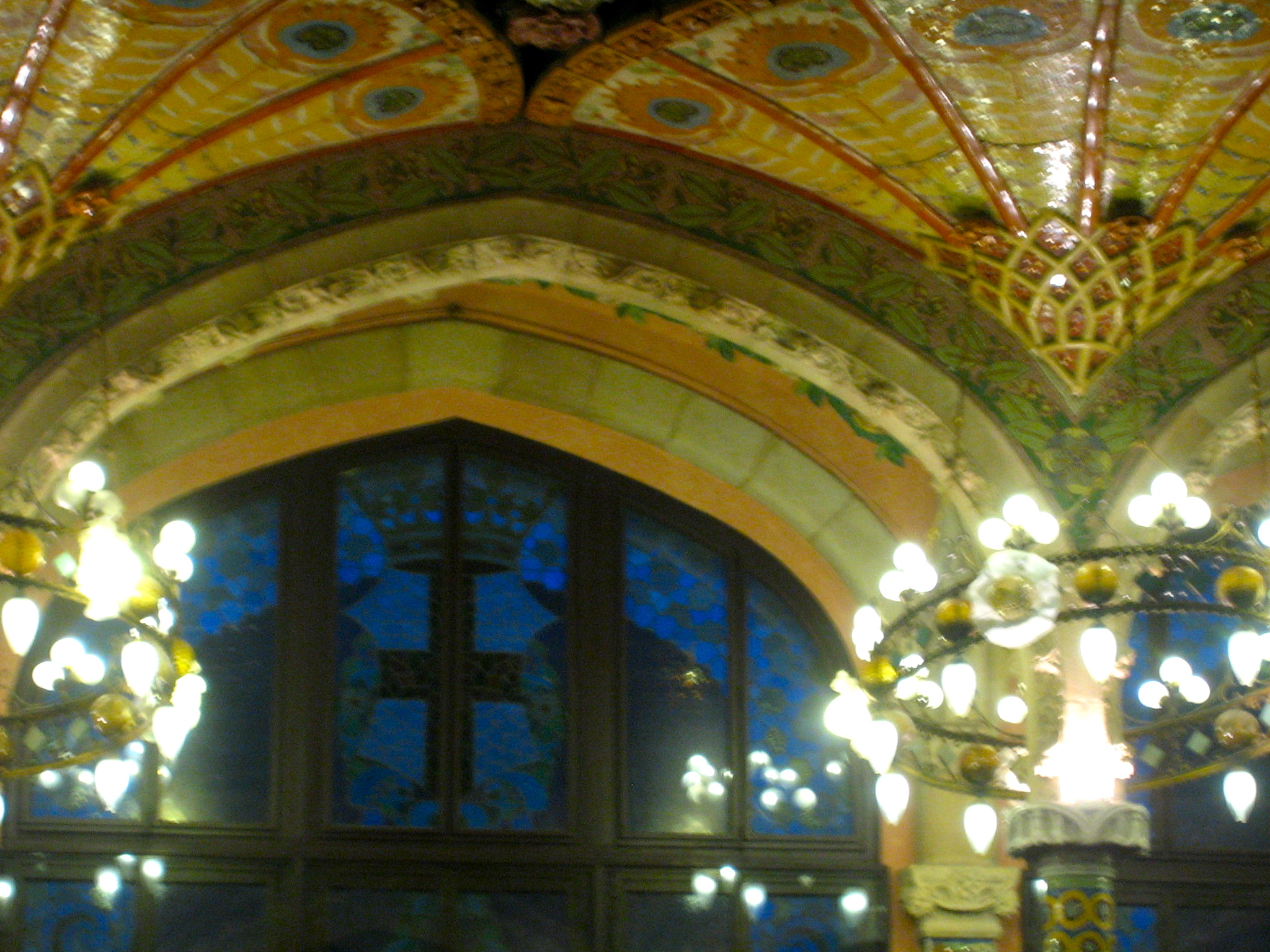
the dark blue windows are just what they seem… evening sky

The Palau has been called a “box of light.” Can you imagine the hours of work that went into creating the colored glass, the mosaic and crystal ceilings? In Catalonia, the middle class saw in the new architecture a way of placating their unconscious anxieties about modernization. All those noisy, dirty, annoying machines, motorcars, trains, foundries spewing smoke, steam engines… the transition from old world to modern world was kind of stressful back then, and these days, with exponential change by the nanosecond, I guess we’re still running on that same treadmill, trying to catch up to a world that keeps on moving just out of reach.

a wildly fabulous facade

Yet the Modernist movement was also a way for people to express their Catalan identity and spiritual roots, while displaying their newly-acquired bourgeois sensitivity to culture and the arts.

are you wowed yet?

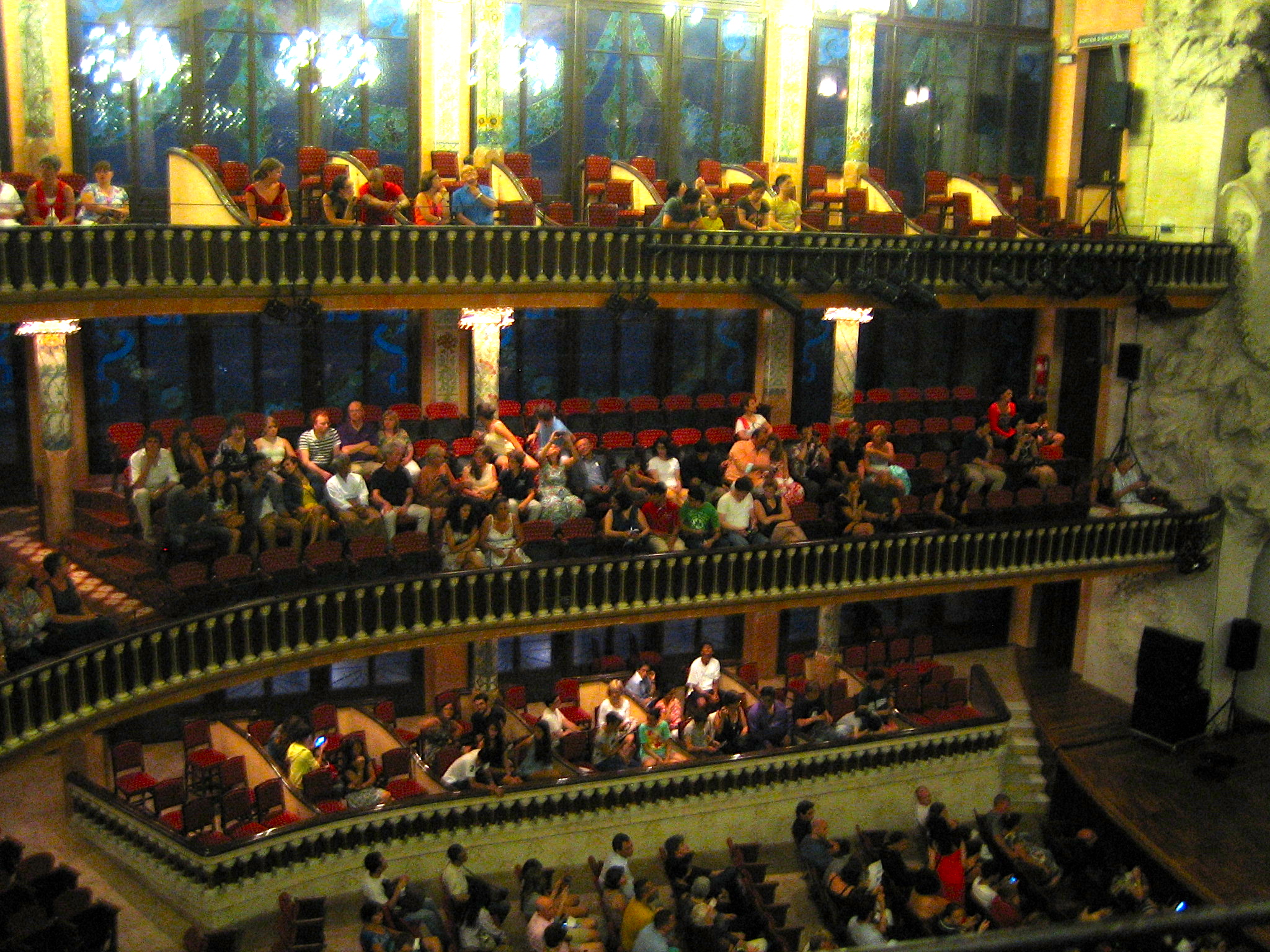
not quite a full house, but a most appreciative audience

The Orfeó Catalá, from its humble beginnings as an amateur choral group, went on to produce concerts, symphonies, and operas, like Richard Strauss directing the Berlin Philharmonic, Camille Saint-Saëns, Herbert von Karajan, Igor Stravinsky, Pau Casals… and, in more recent times, Leonard Bernstein, Mstislav Rostropovich, Zubin Mehta, Manuel de Falla, Ella Fitzgerald, Norah Jones… and the list goes on! The Palau was recognized in 1997 by UNESCO as a World Heritage Site.

Ella Fitzgerald

Ain’t she wonderful!

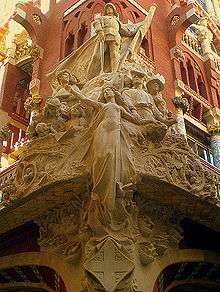
The rich decoration of the façade of the Palau, using elements of Spanish and Arabic architecture, blends harmoniously with the building’s structure. The exposed red brick and iron, the mosaics, the stained glass, and the glazed ceramic tiles give a feeling of openness and transparency. An enigmatic group of sculptures symbolizing Catalan music on the corner of the building keep watch over a busy corner, just a few blocks away from the Plaça Catalunya.

sculptor: Miguel Blay

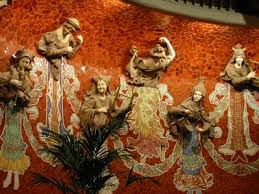
Prancing horseback Valkyries at the tops of columns frame the stage, while goddesses in bas-relief emerge from mosaic walls, each playing a different musical instrument. It’s wild!

musical muses decorate the stage interior

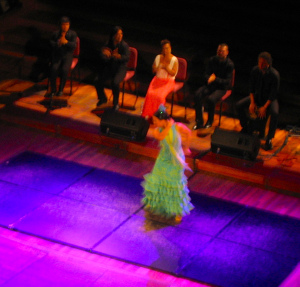
How can I transition to Flamenco after the Palau? A herculean task, and after all I’m just a girl! But I can testify that Catalans love their flamenco!  I’ll just post a couple of photos so you can get the drift… an evening of Flamenco at the Palau:

passionate, fiery!

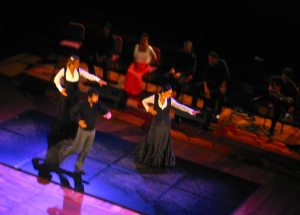
The raw emotion of Flamenco, the dancer giving her all, the singer spilling out his guts, the complex rhythms which take you over completely; you are imprisoned, enthralled!

the power of Flamenco, like the surging ocean

When a dancer locks in your gaze, you can’t escape… even your breathing syncs with the dance; the compás of cajón, tacos, palmas and your heart; the singer pouring out her soul, the melodic complexity of the guitar that takes you far away…. the clicking of the castañuelos carved from ancient rosewood… Flamenco is insurmountable! It’s a mountain and you’re walking up the narrow path… it’s the ocean and you’re a tiny shell tossed around on the waves. Flamenco is only rivaled by Tango in my universe of music addiction. This is a perfect segue way to Tango, but not tonight. It’s 3 am and this girl’s gotta get some sleep! Adíos, que les vayan bien! Hasta luego! Vale?

Ciao from Barcelona!

P.S.  I almost forgot to mention that I changed the name of my blog to Tango Awaits You. Why? Because El Tango Nos Lleva was all about us and our Tango travels, but now it’s about YOU, dear reader, about the possibility of Tango in Your Life! Yes, YOU! Tango is out there, waiting, it will never go away, it will always be there, ready to plug you into the endorphine-producing ecstasy of dancing Tango. You might as well get started now… why wait? And I decided to put the title in English, since lots, though not all, of my readers are English-speakers. Personally, I prefer Spanish, in fact they tell me I’m much friendlier in Spanish (like, not a bitch?), that I’m downright warm and fuzzy in Spanish, but this blog’s for YOU! My friends and family! So there you have it, Tango Awaits You!! And thank you all so very much for all your comments and emails. It helps when I feel homesick for California!

GO OBAMA!

Barcelona I

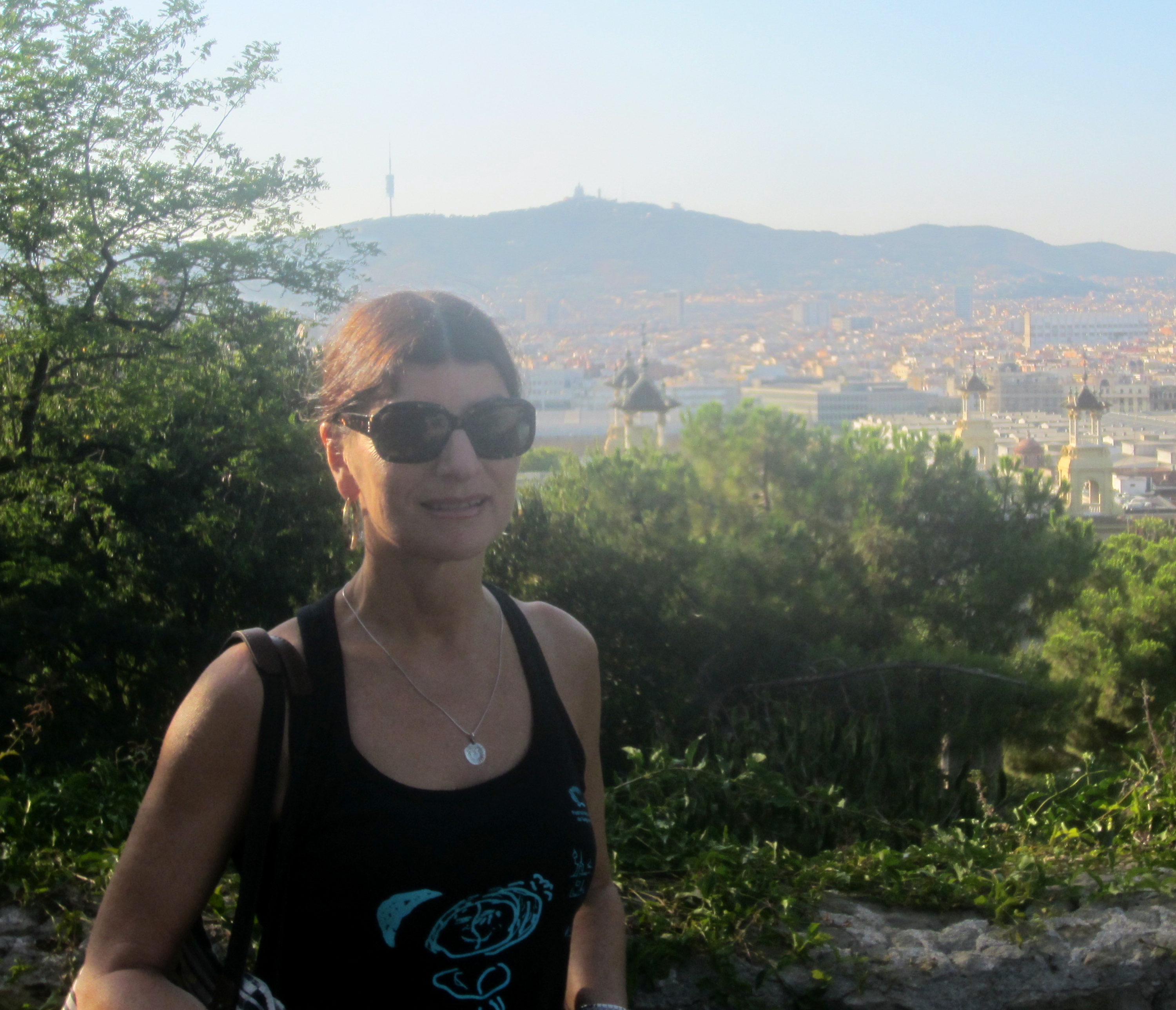
We hit the ground running in Barcelona. Thanks to yours truly’s amazing sixth sense apartment locator, we lucked out and found a bright, spacious, modern apartment with a huge sunny terrace!  Three metro stops (3 different lines: the red, the green, the yellow…) within a few blocks: north, south, and east.

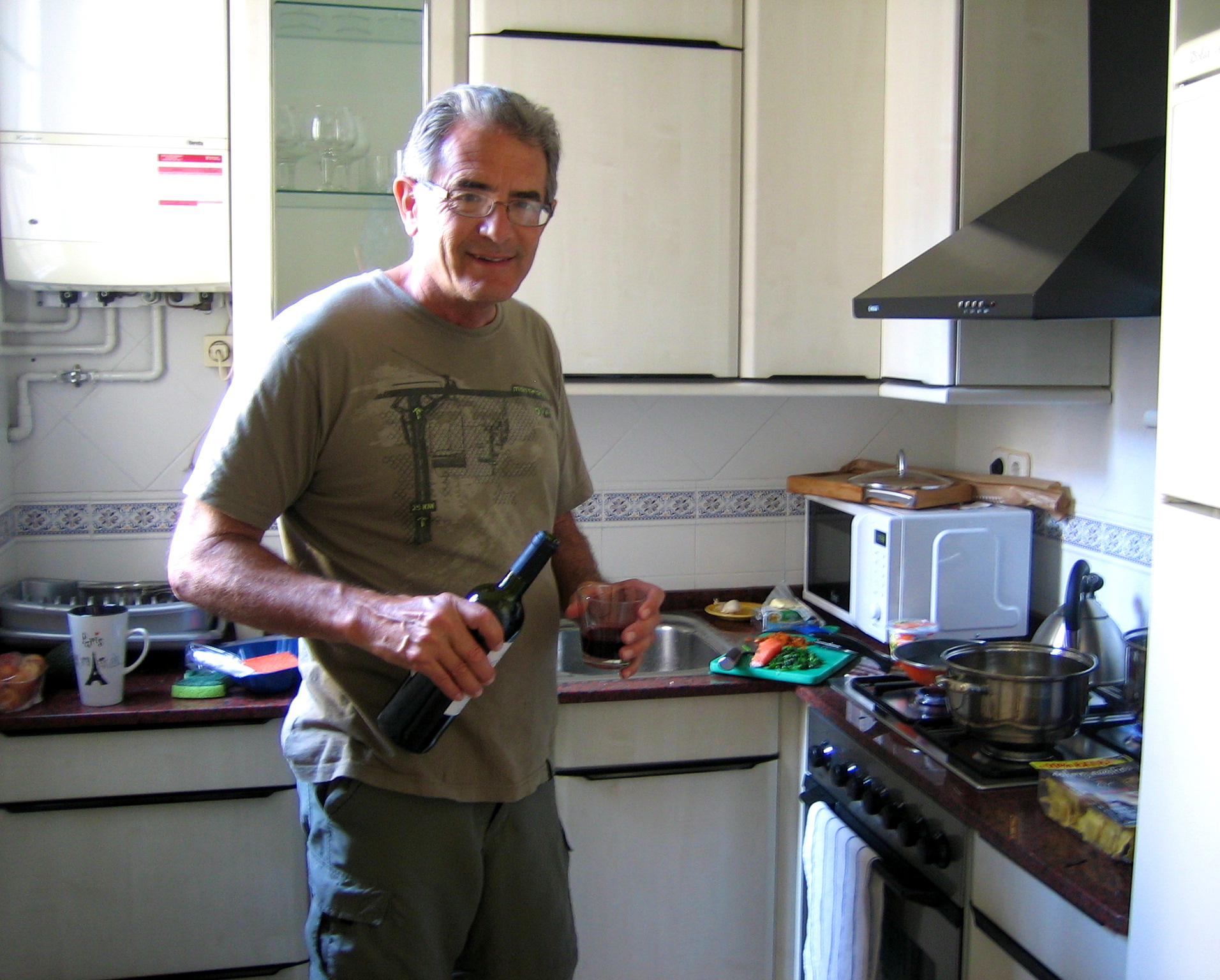
my Chef made himself right at home

The weather was perfect: hot, sunny, Mediterranean!

our Barcelona terrace on Carrer Árago

Barcelona became a modern city in 1992, when the Olympic Games put it on the world map and jumpstarted a major urban transformation. The world rediscovered Barcelona: a city teeming with cultural vitality, its peoples inheritors of a millenary tradition of open-mindedness and cultural tolerance. Africans, Jews, Arabs, Christians coexisted in the busy port, an early trading post on the Mediterranean, and they still live here side-by-side today!

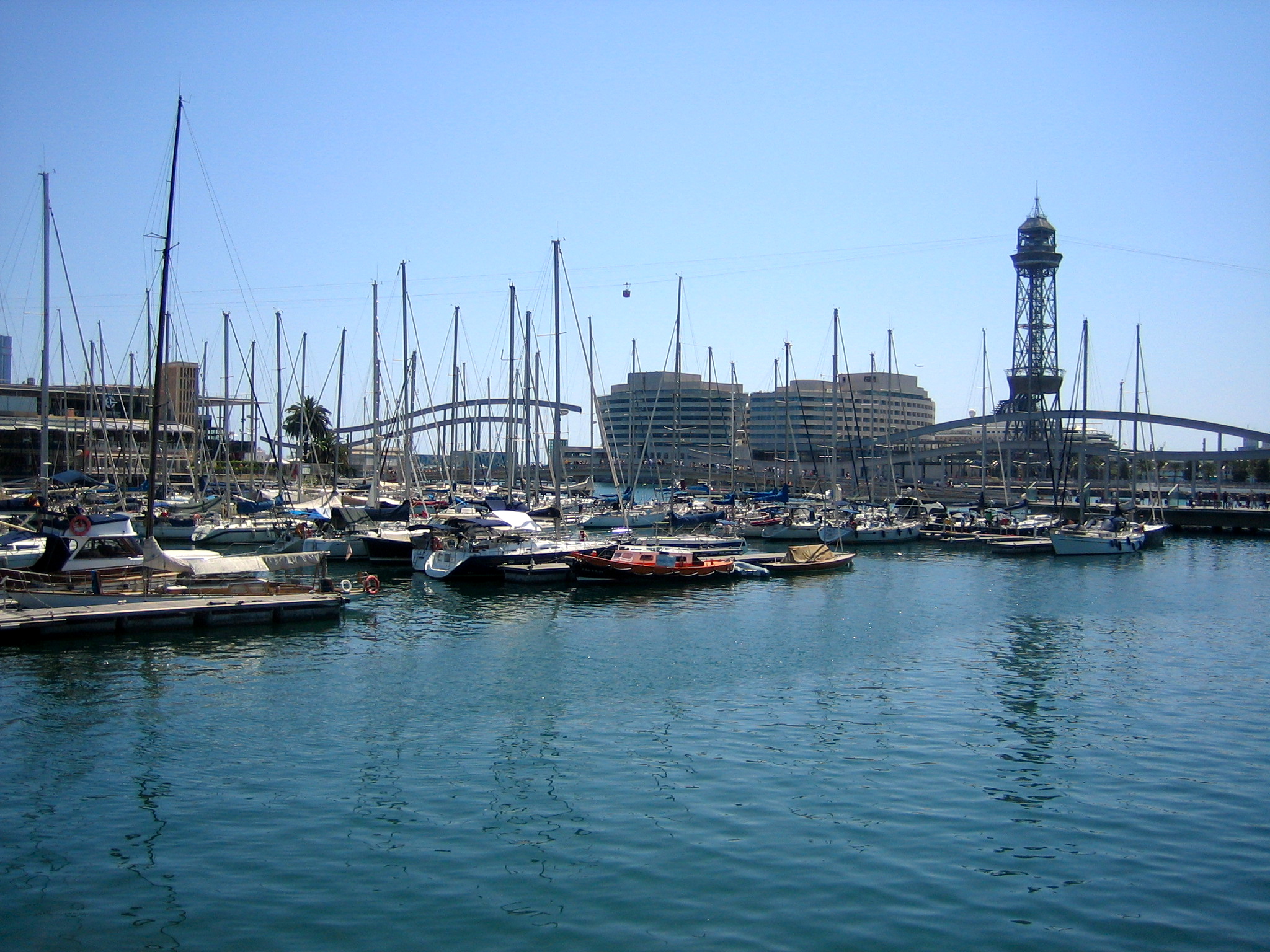
Barcy harbor

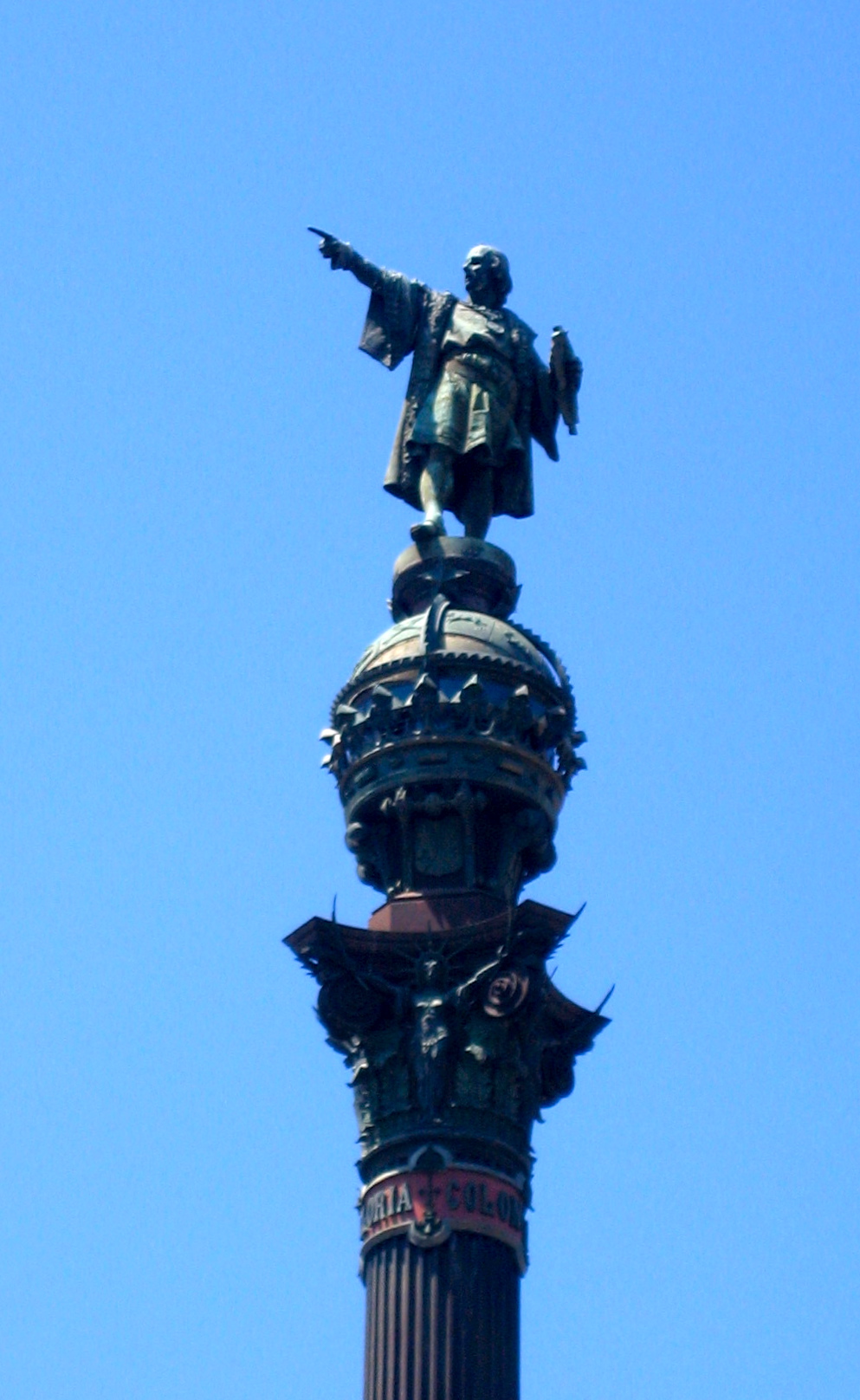
Cristóbal Colón pointing west

Did you know Cristóbal Colón (in the states he’s called Christopher Columbus) returned from his third and final voyage to the New World in chains? Crazy as a cuckoo. They don’t tell you how, on his last voyage, his ship anchored off another uncharted Caribbean island, and he made his crew swear on the Bible that he had discovered yet another New World.

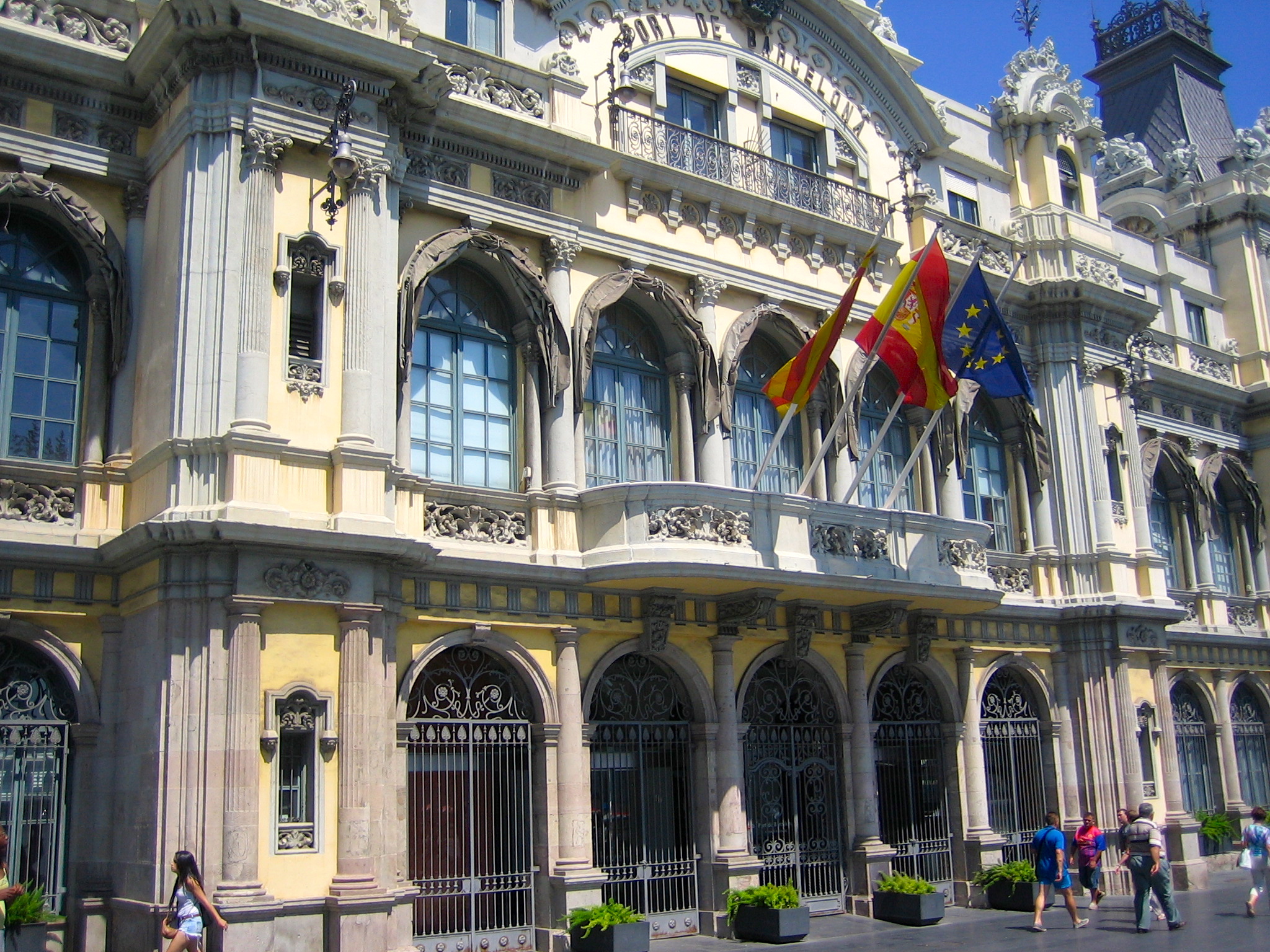
Barcelona Port building

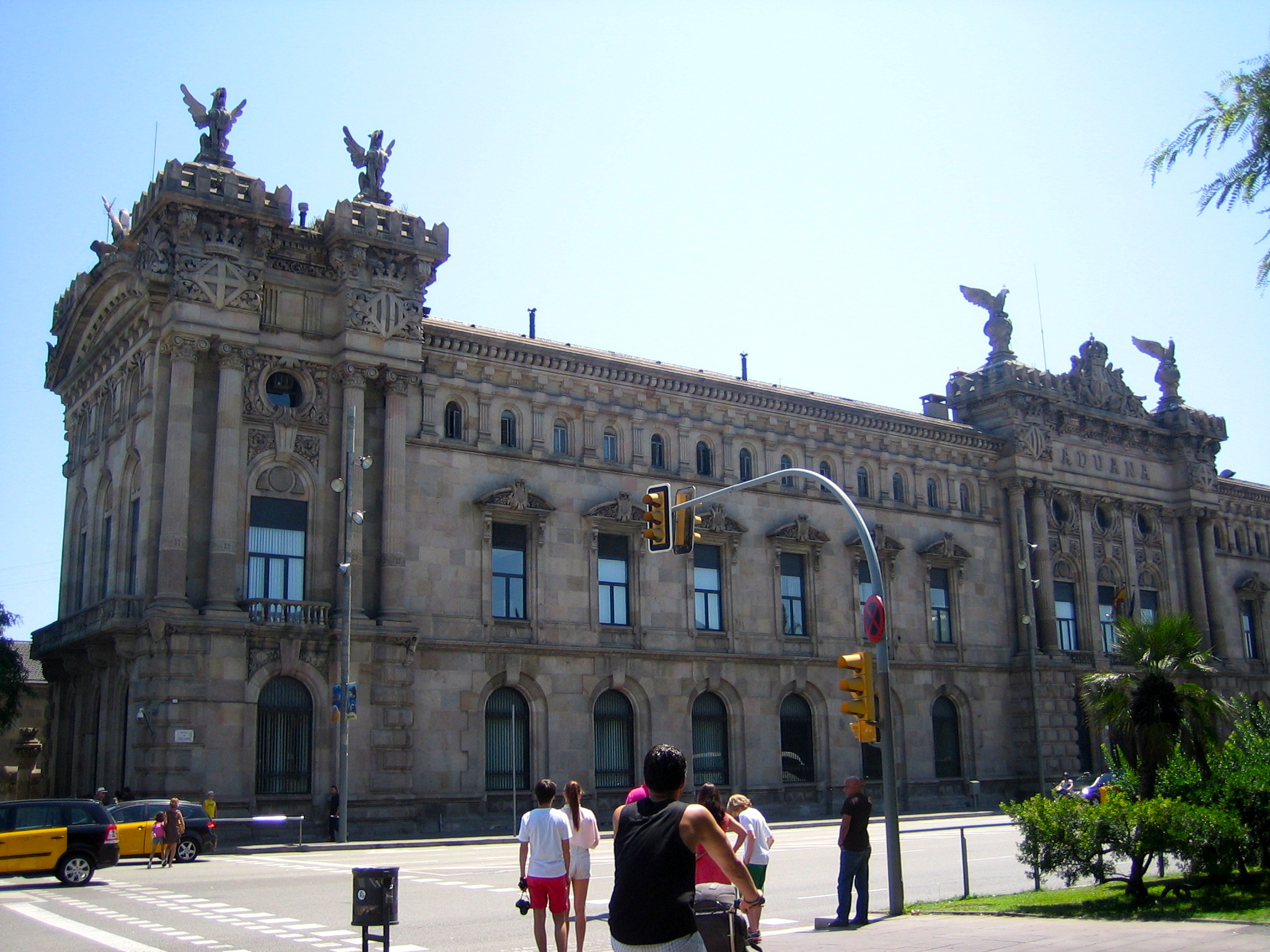
This awesome structure is la Aduana, right on the waterfront. That’s where you pay your taxes on whatever you bring into the country… like all that silver and gold they stole from South America!

la Aduana – the Customs house

Yea, royalty is so high-maintenance! How come the rest of us gotta keep forkin’ it over to pay their keep? If that ain’t the rich folks’ Entitlement program, then what in the bleep DO you call it?? I know, I know, calm down, after all, somebody’s gotta pay the upkeep on these beautiful luxury yachts! They deserve to be maintained in the style to which they’ve become accustomed… don’t they?

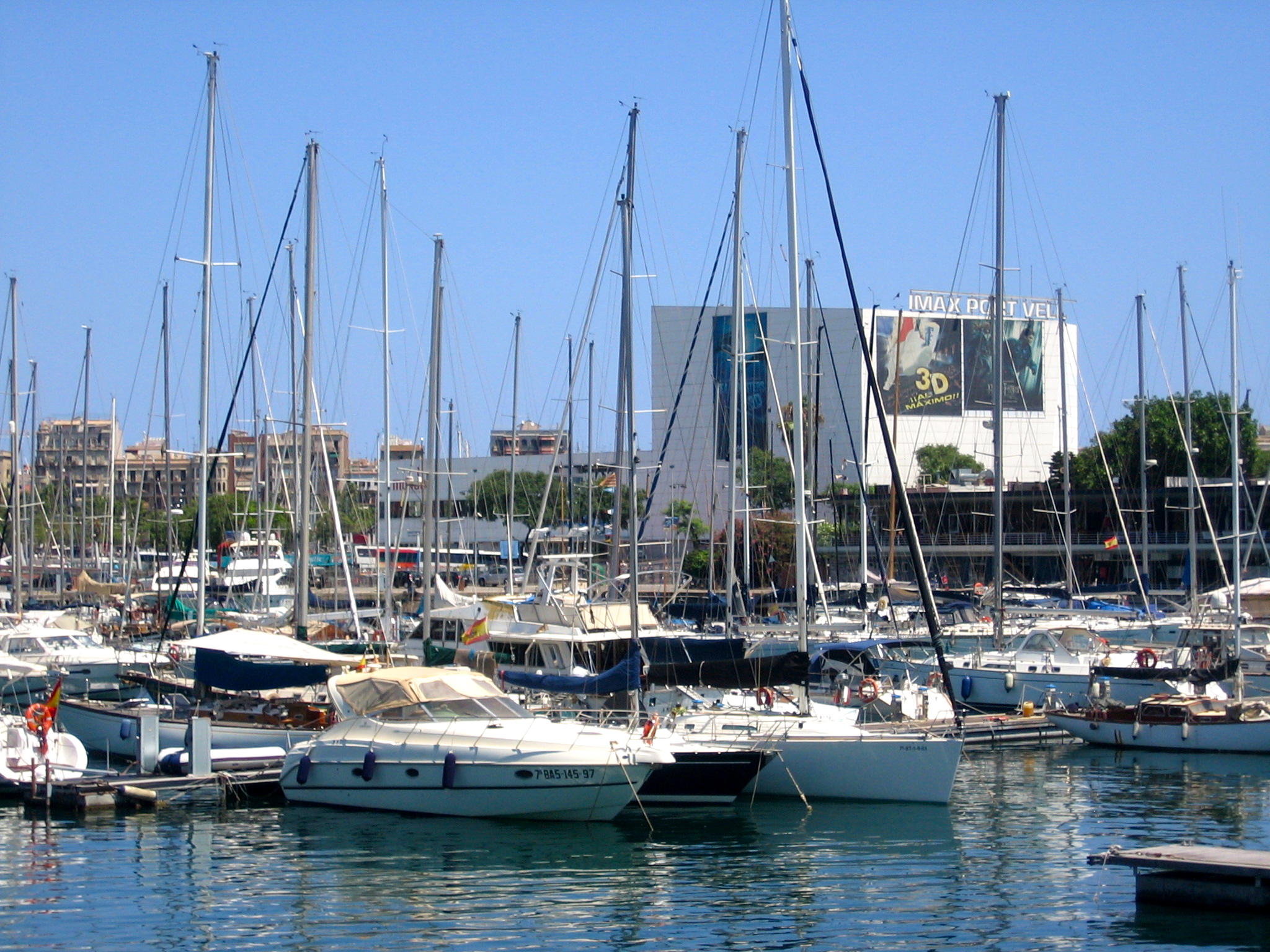
that’s the Port Vell Imax cinema in the background

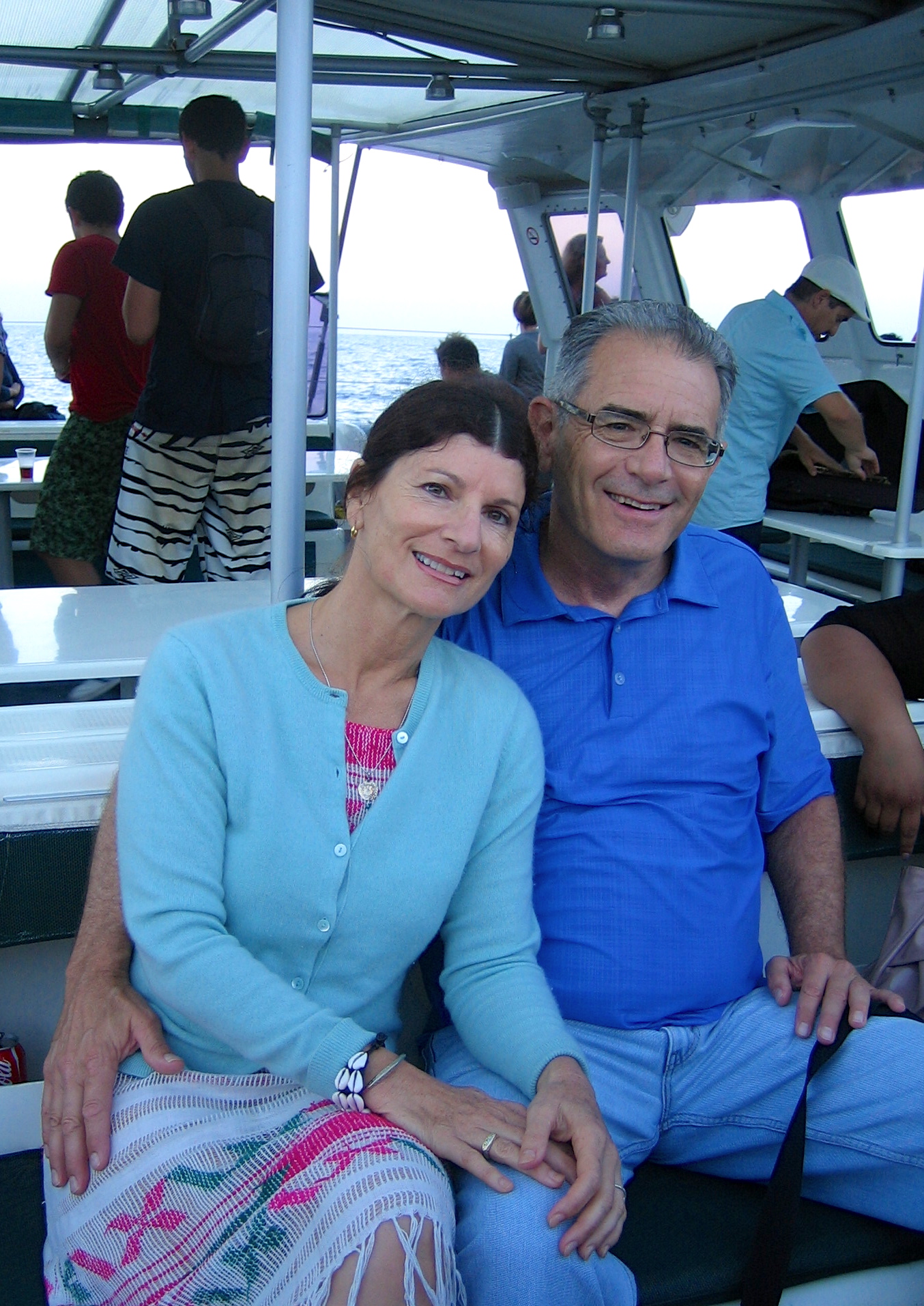
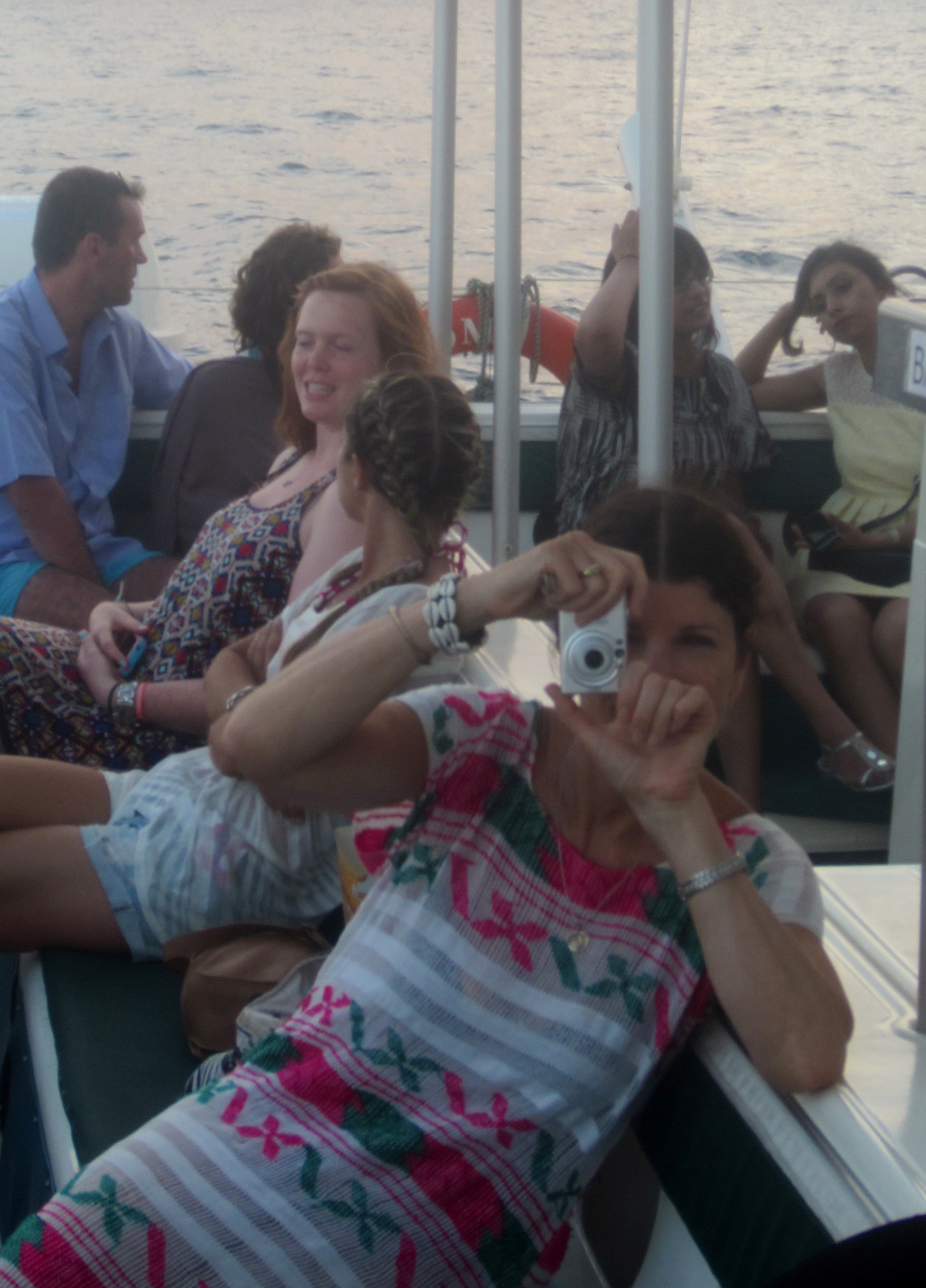
We decided to go on a Jazz Chill-Out Sunset Cruise. Our catamaran was more like a third world transport vessel: no luxury, no bar, and as packed as a feedlot.

yea, but we still had fun!

The aquarium is also right on the docks, right next to the Maremagnum. The Barcy Tango community hosts a milonga there called la Acuarilonga. How cute is that name? We danced till early morning one night under the towering rooftop, as a salty-sweet breeze caressed us and kept us cool.

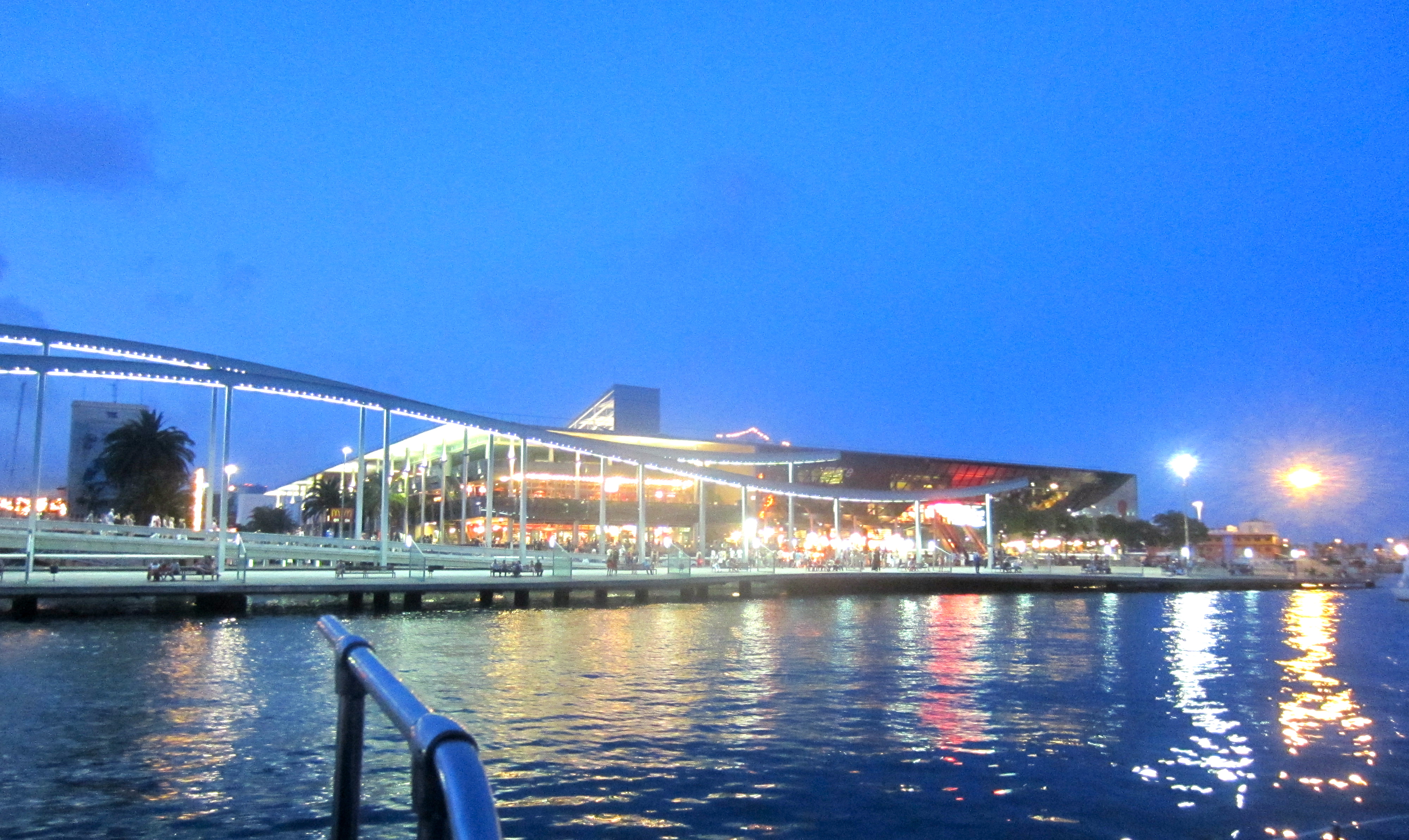
The building in the background below is the Maremagnum, a huge 3-story mall where we tango’d one evening on the deck overlooking the water. My intrepid photographer Benjamín took this gorgeous shot:

the Maremagnum from the water after dark

and this one of the harbor:

how beautiful is that?

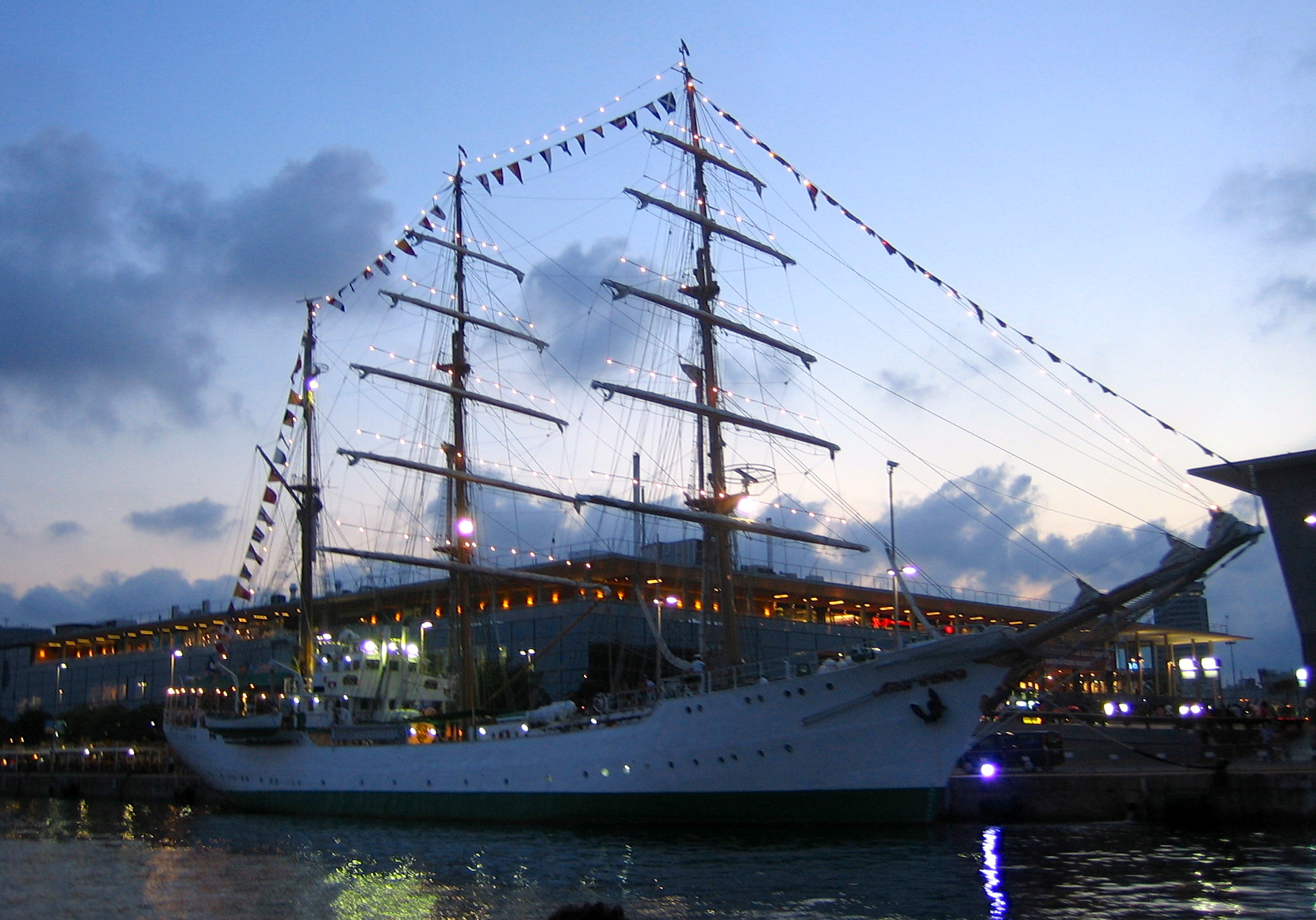
On our way back to the dock we passed a stunning sailing ship lit up like Christmas Eve.

so beautiful, like la Noche Buena!

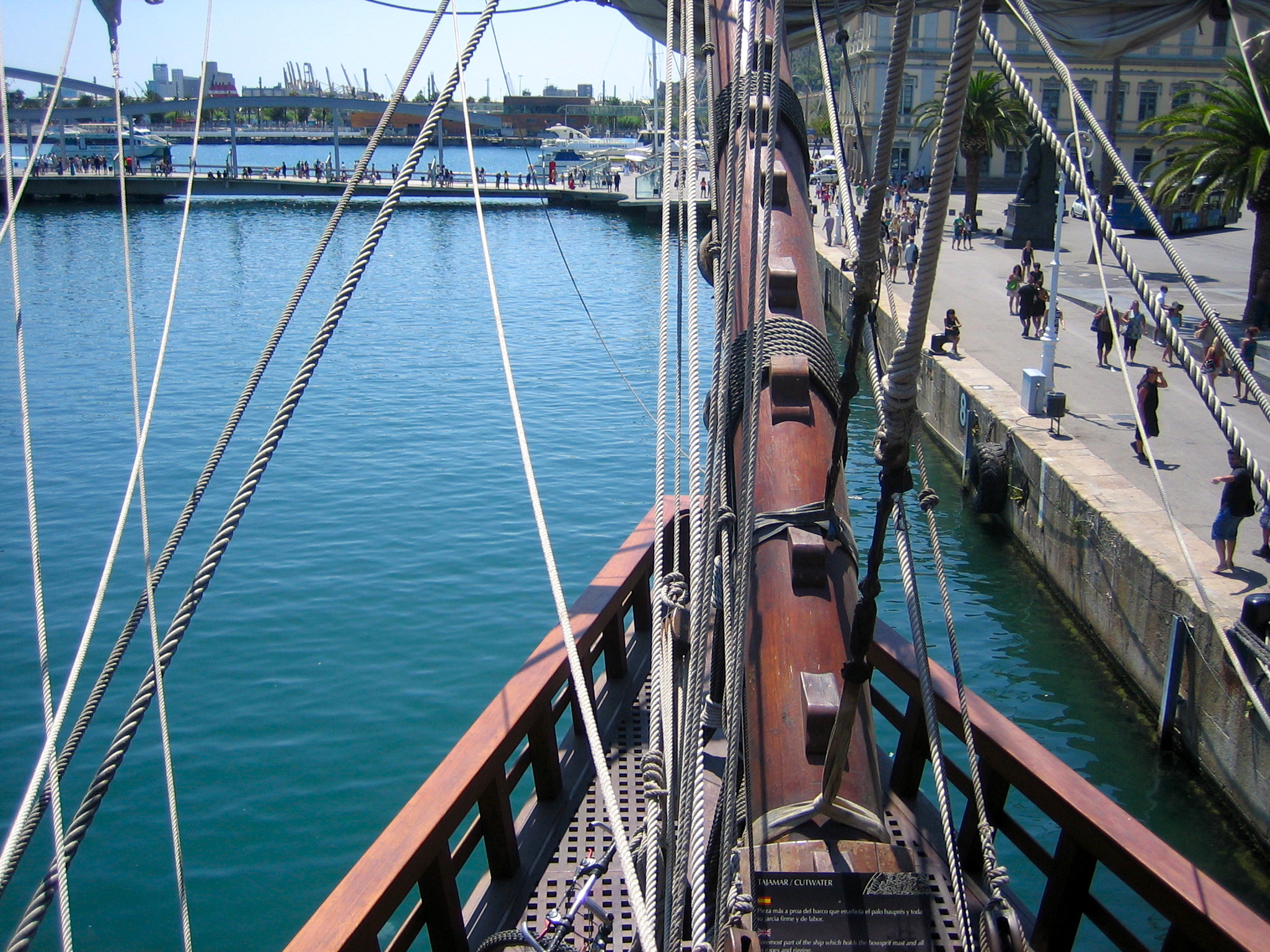
Let’s let this tall sailing vessel anchored at the harbor plaza take us back in time to explore the oldest part of Barcelona:

don’t you just love the color of that water?

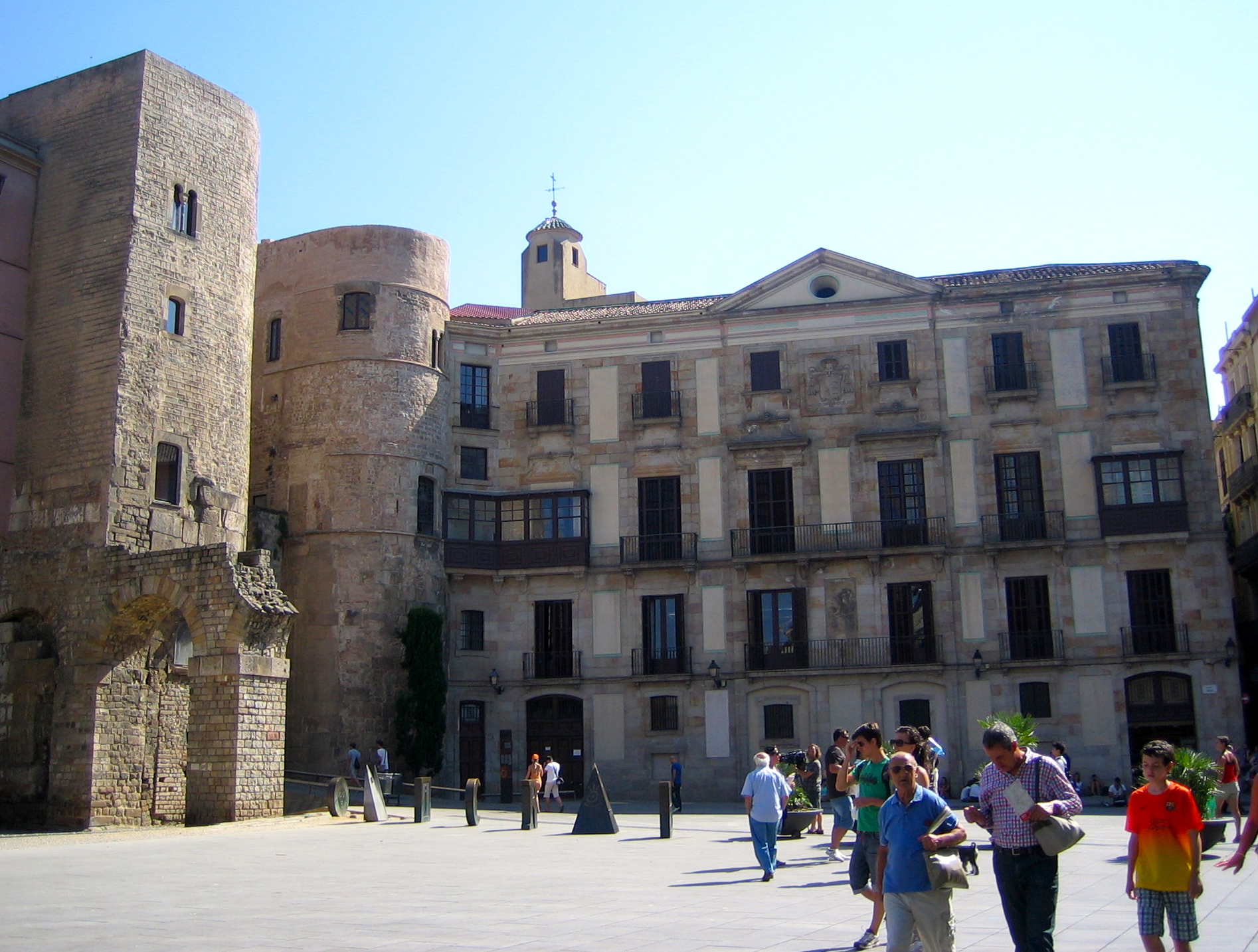
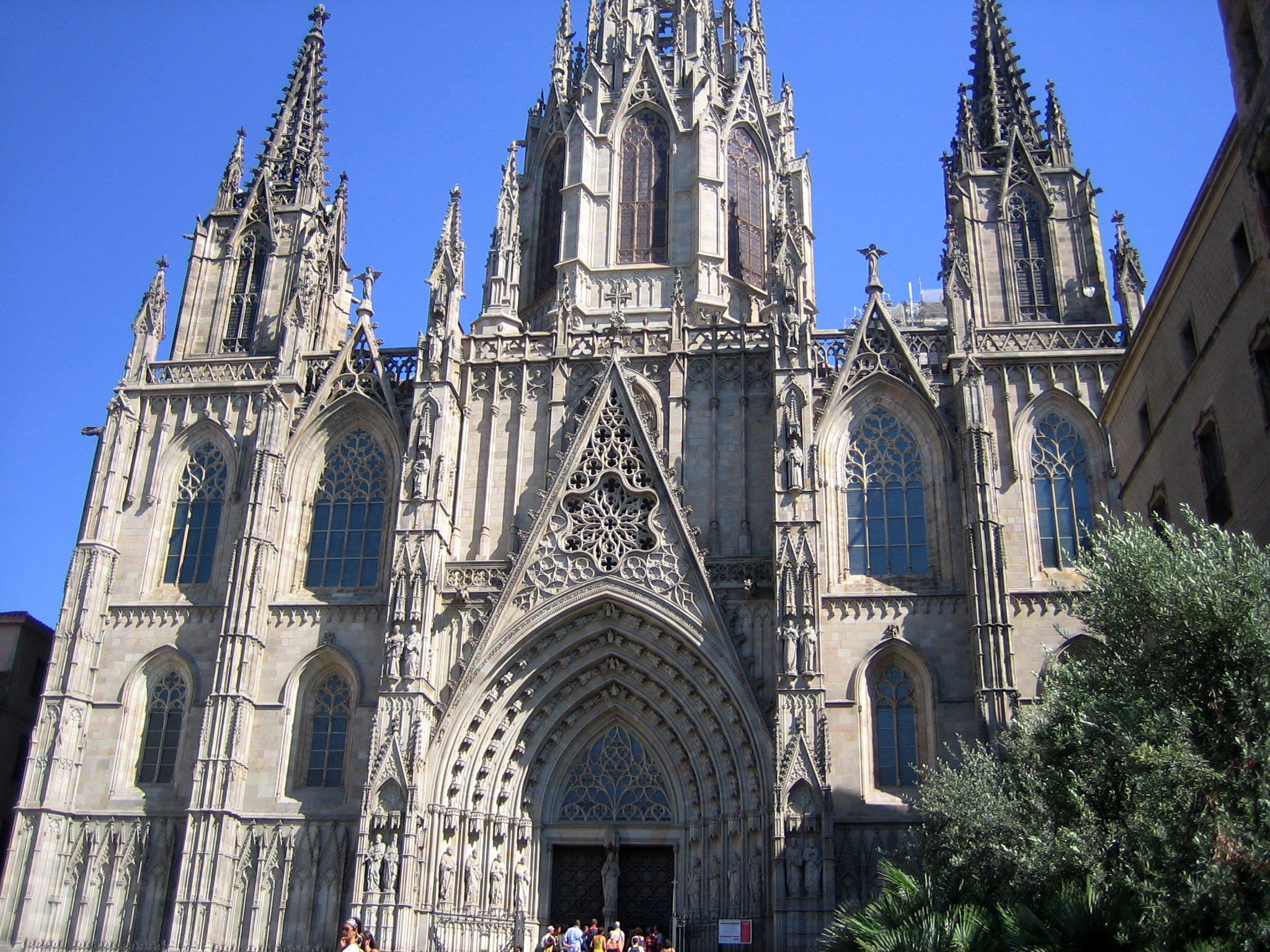
The oldest part of Barcelona is the Quartier Gótico, the Gothic quarter. Here medieval towers and churches cast long shadows over the remains of the early Roman city.

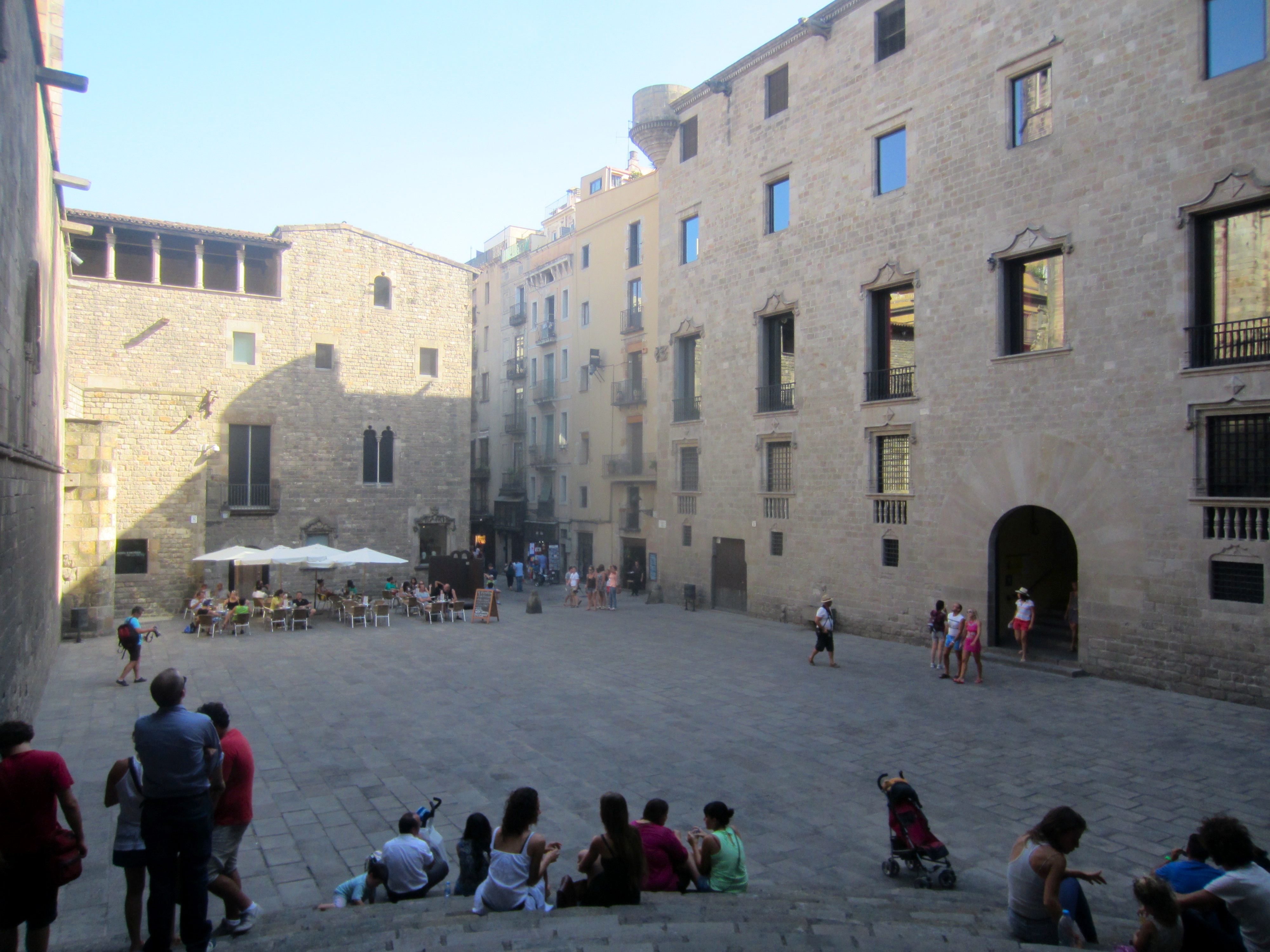
Roman ruins underneath the Plaza Real

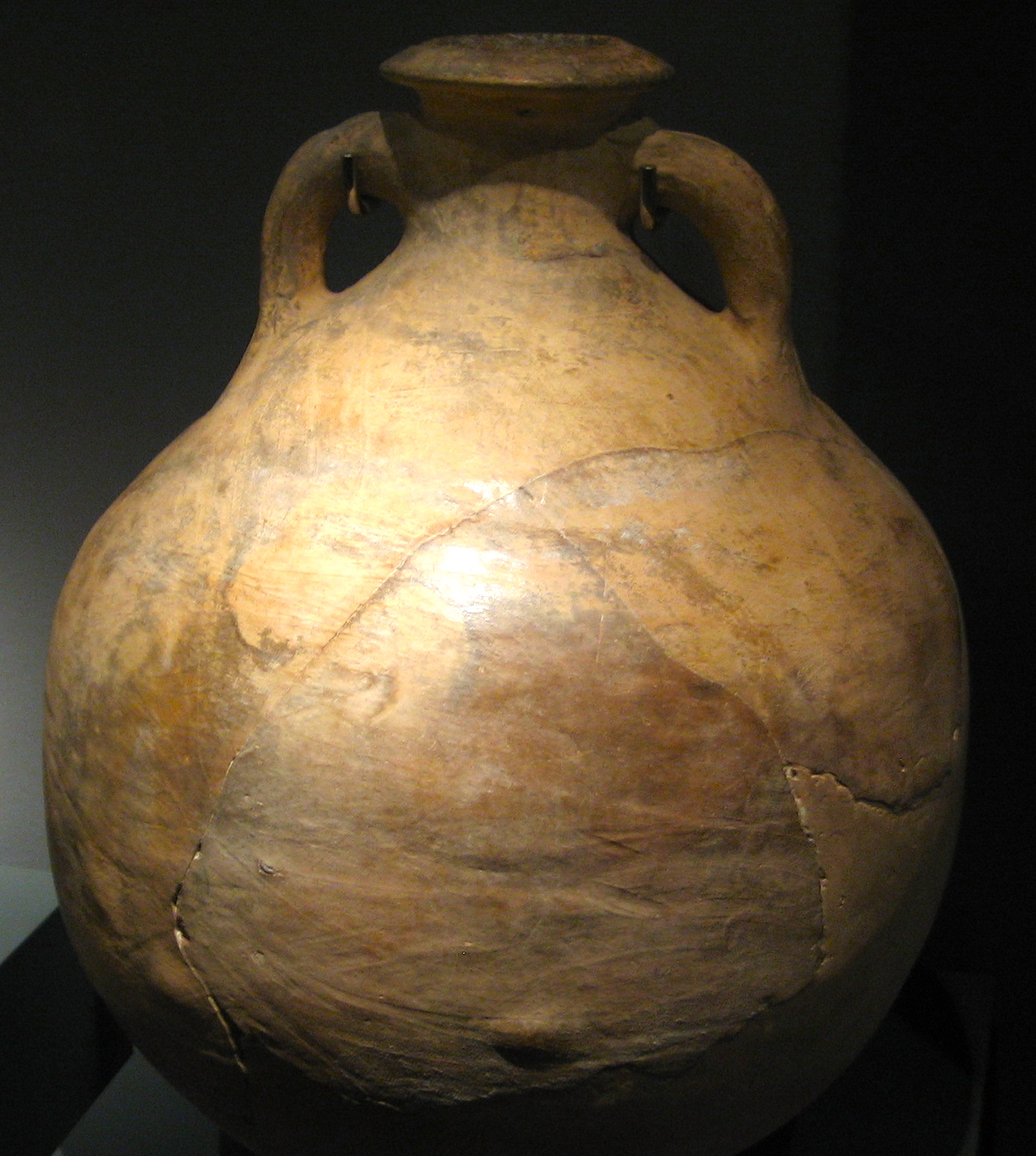
a cántaro: a Roman era wine or water jug

We spent a long hour one afternoon winding our way around the raised walkways that skirt the various archaeological sites underneath the plaza. They excavated an entire block underneath the Plaza Real. You can see the old Roman baths, like modern-day spas, with separate men’s and women’s dressing rooms, hot tubs and lounges, workout areas… the vintner’s shop with grape-presses, tasting rooms… shops where fabrics were dyed in huge vats, and hides were processed… apothecaries… don’t forget your love potion No. 9 and poison for your enemies; hey! what about some sleep potions like Romeo & Juliet used? and of course they had all kinds of stuff for your bi-polar melt-downs and romantic delusions… all natural, and USDA certified organic!

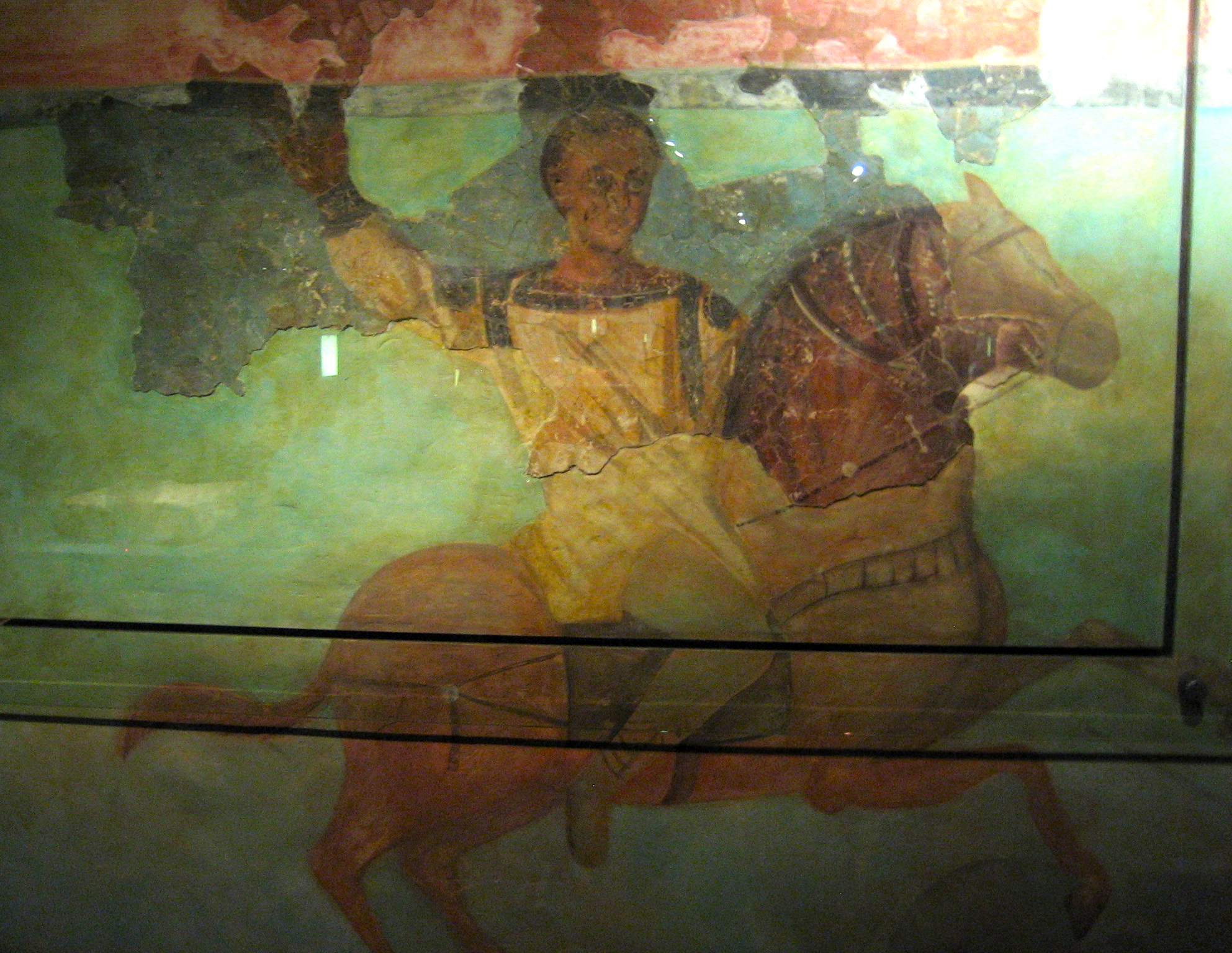
they had horses and fashionable riding gear

The mosaic floors! The frescos! Man, those early Romans were interior designers! Their living spaces were so gorgeous, no sheetrock or aluminum trim in their neighborhood! Down under the plaza you can even see their old clay water pipes and sewers. Exploring the underground labyrinth takes time and energy, an hour at least, and when you finally glimpse the light of day through an open doorway, you’re on the opposite side of the plaza from where you started!

Let there be Light!

You emerge, not just into the sunshine, but time-travelling at warp speed a thousand years into the future!

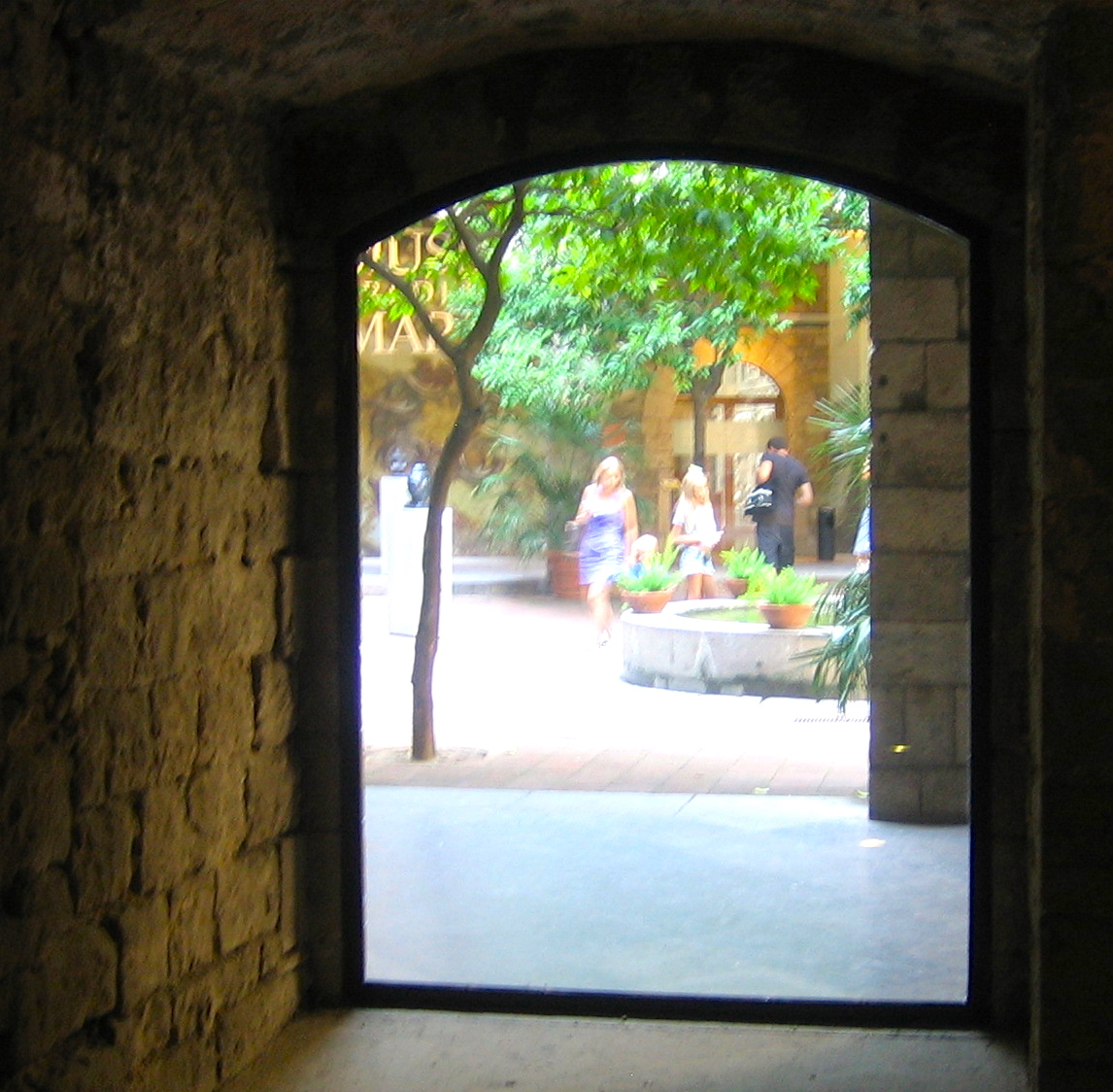
back in real time… but how would you know?

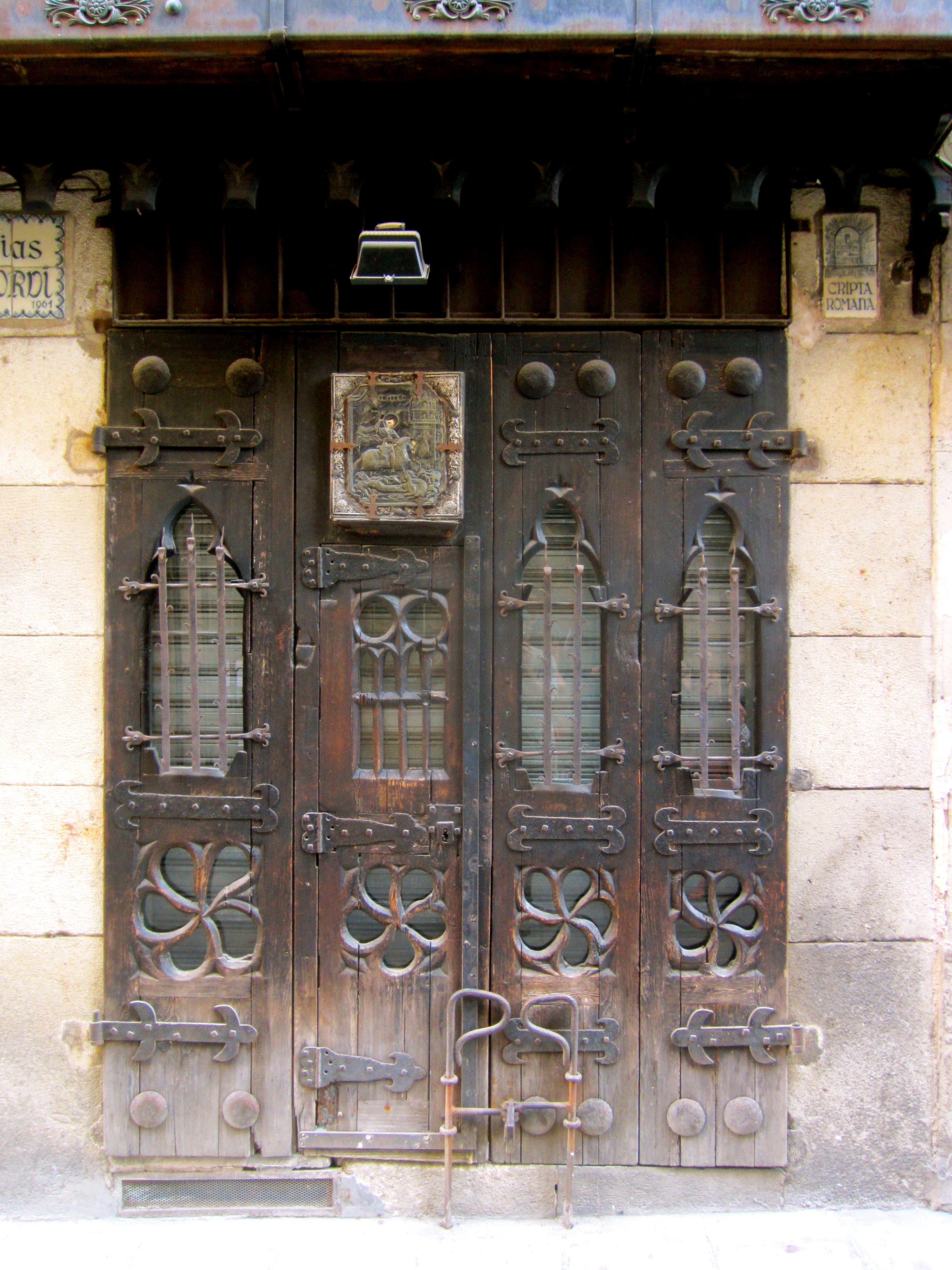
This ancient portal could be your own personal time machine! If only those doors could talk….

portal on the Plaza Real

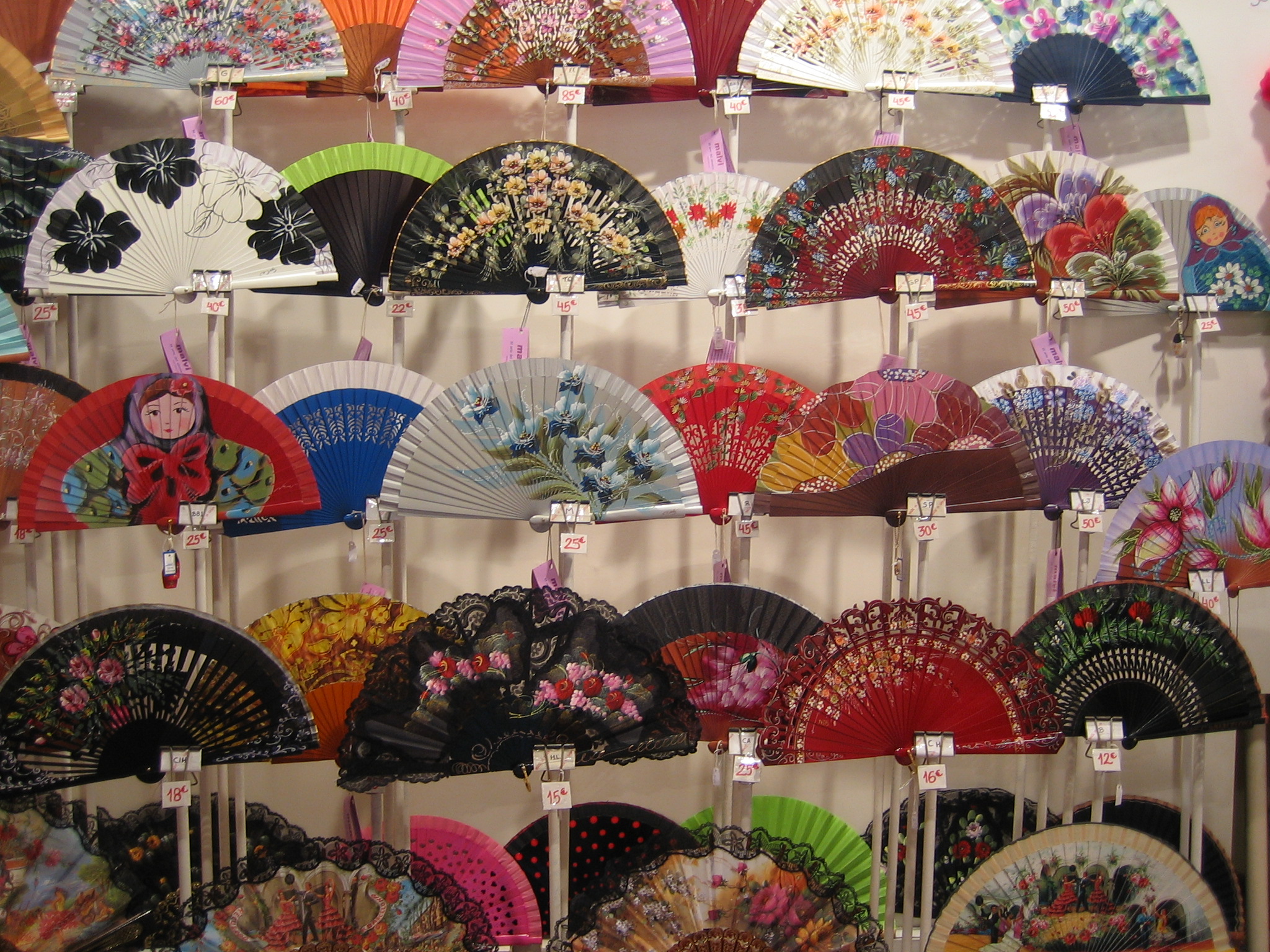
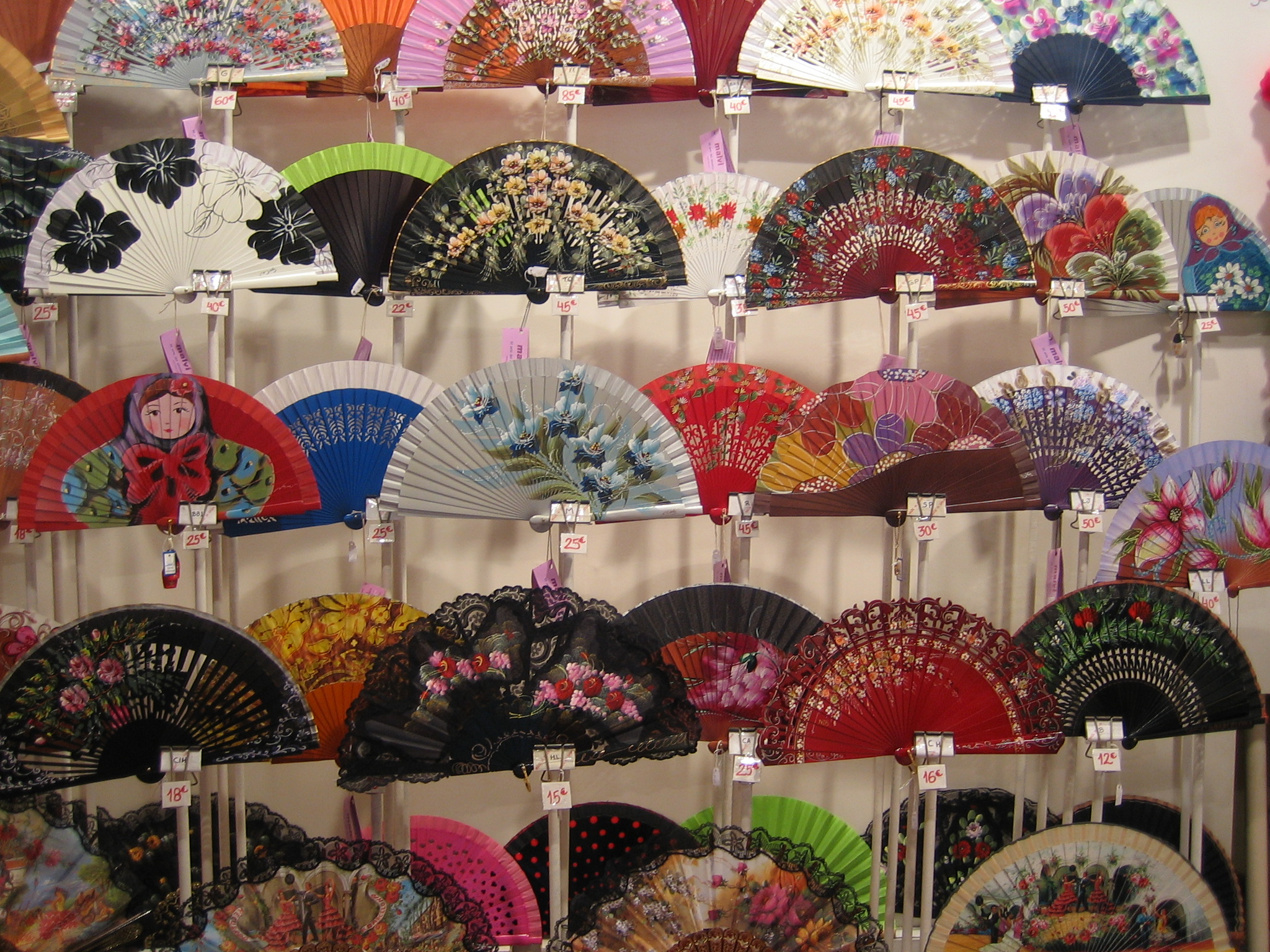
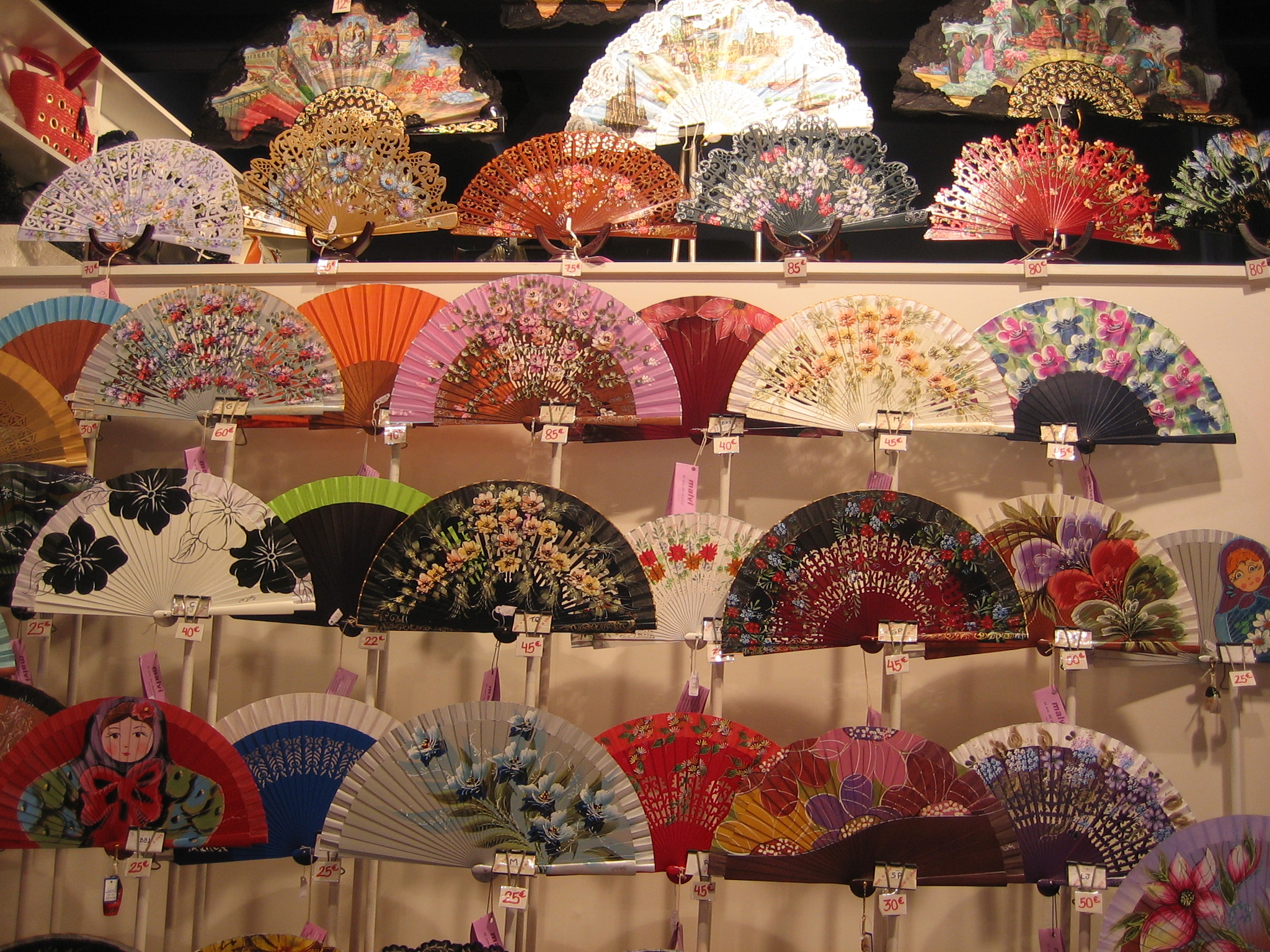
Right across from the museum entrance is a tiny little fan shop, packed floor-to-ceiling: all colors, sizes, materials from plastic to wood to paper to silk, adorned, unadorned, from plain to ornate, affordable to outrageous, cheap to elegant; in short, a fan for every woman!

flights of butterflies can’t compare….

Barcelona is a mix of all of these elements: the millenary history, fast-forward to twentieth century modernist creativity, mix in the personality of each neighbourhood — you’ve got a really special place. Barcelona is like no other city in the world!

Gothic quarter

simply stunning!

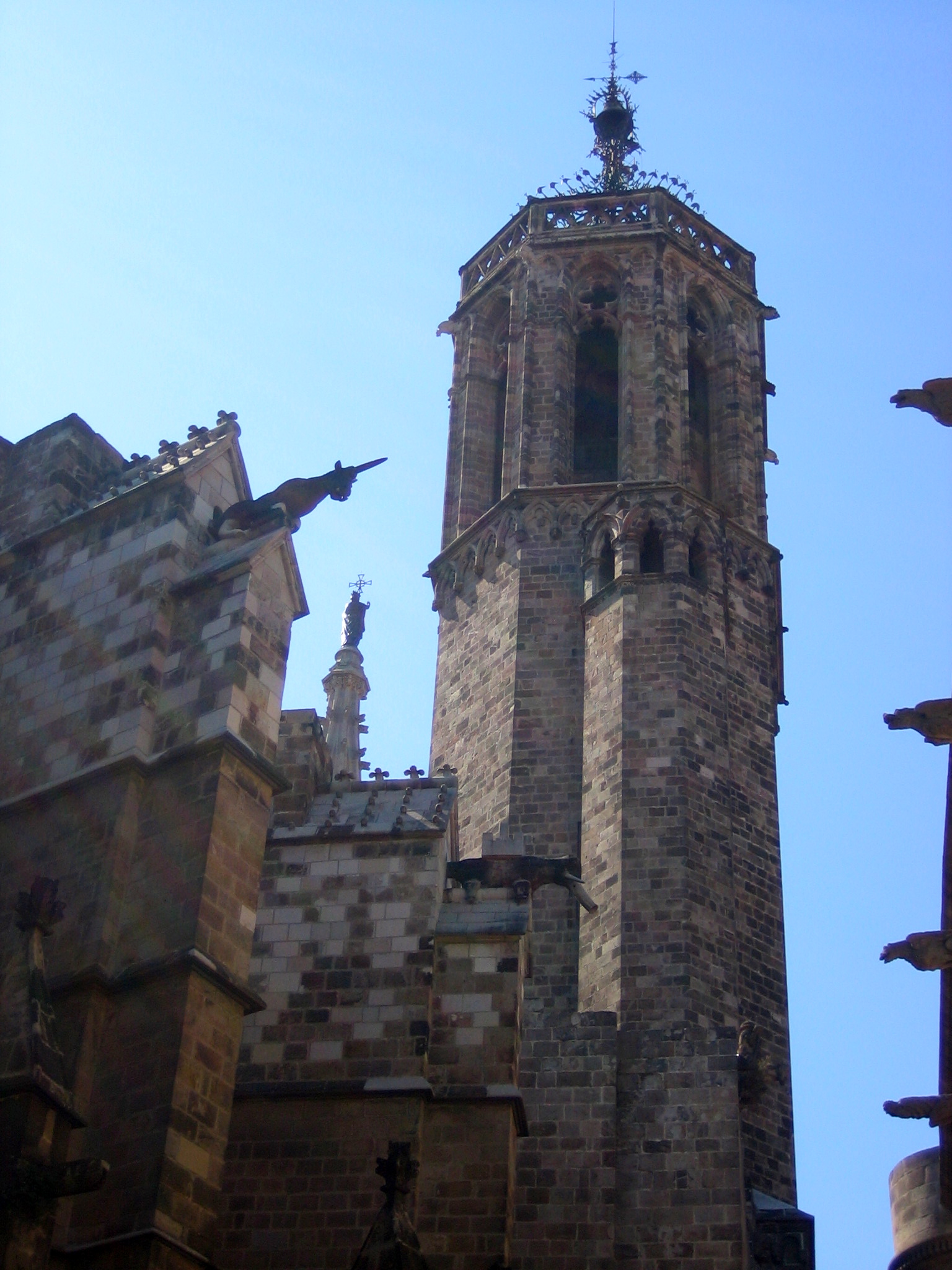
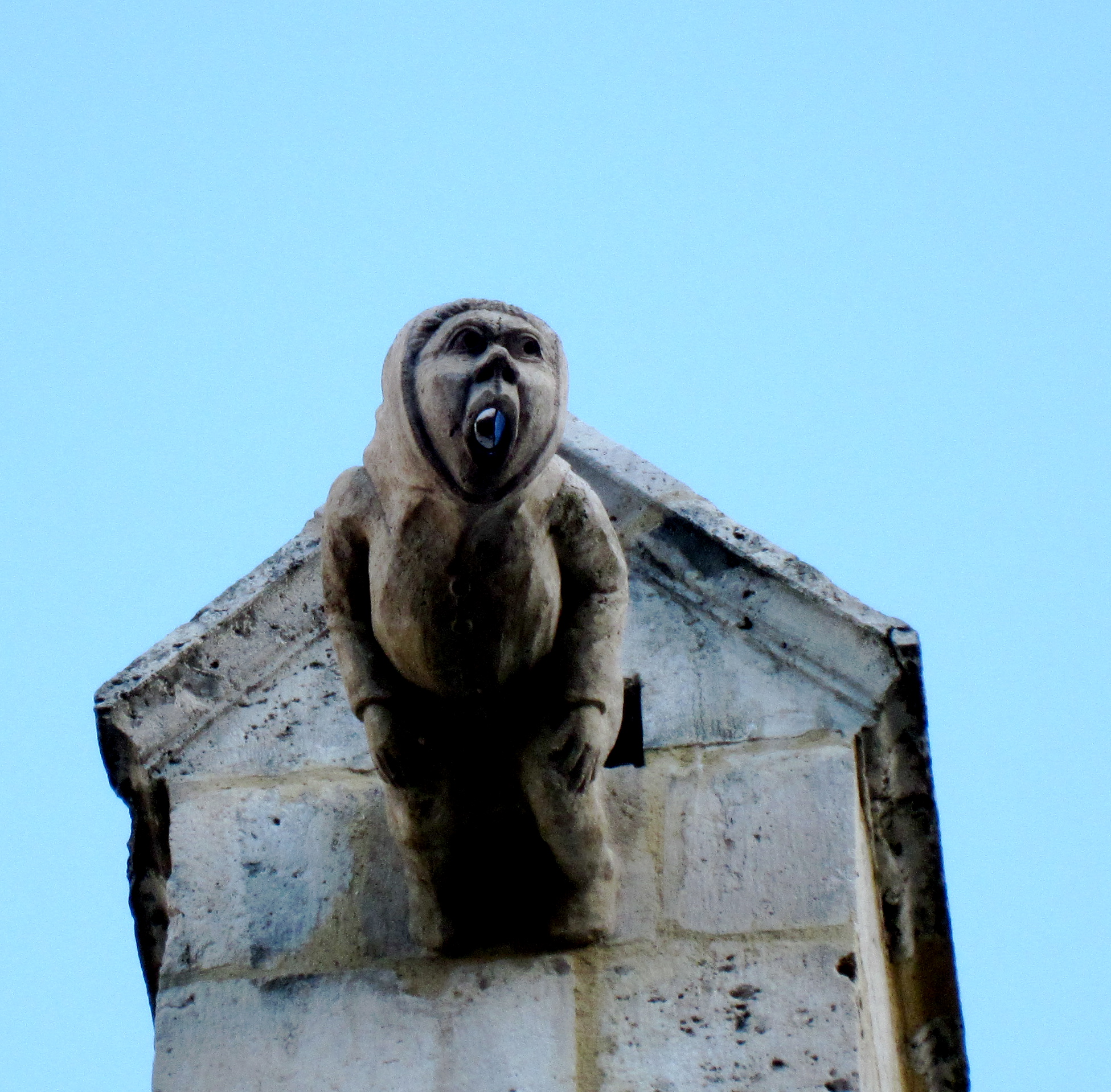
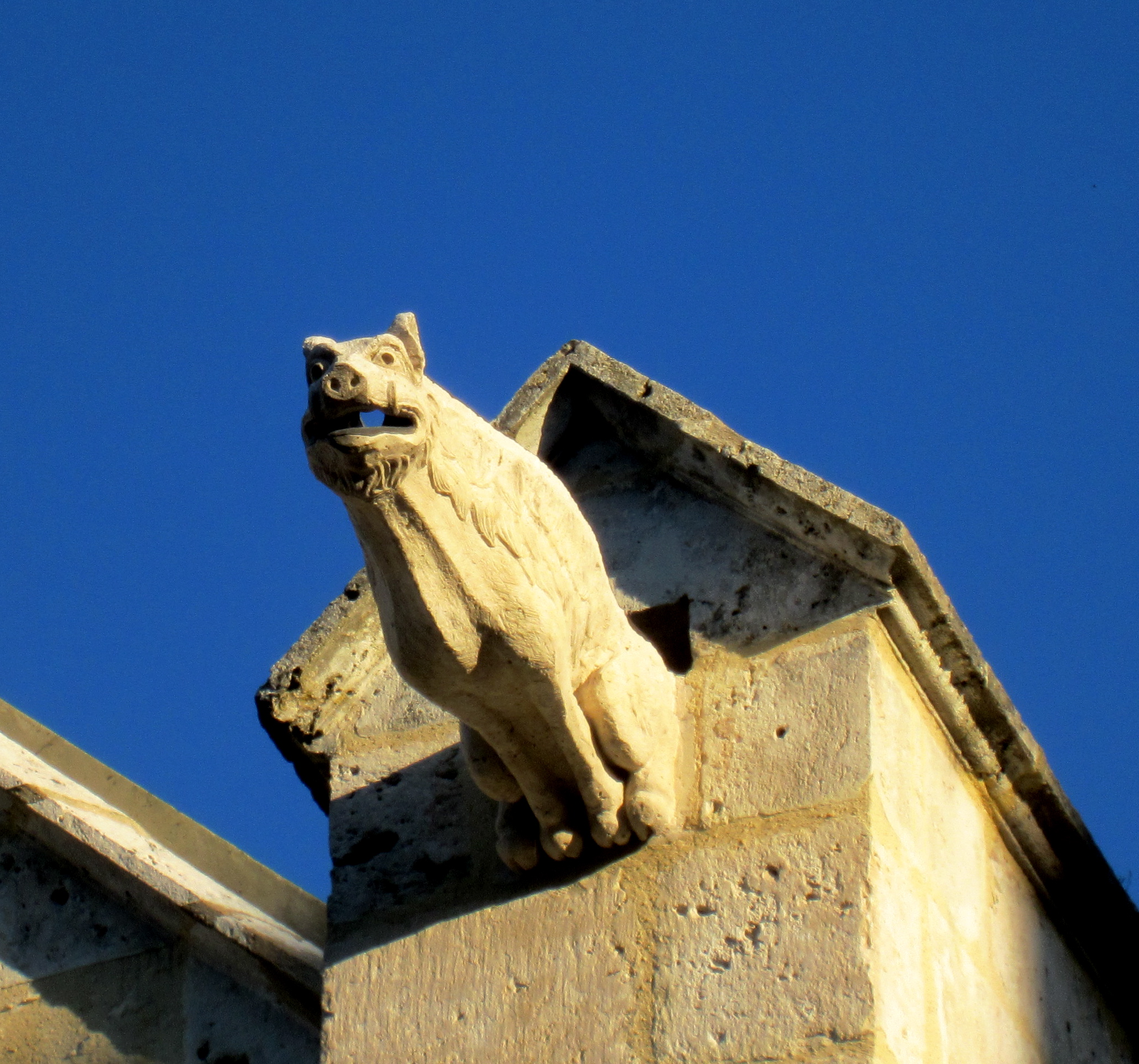
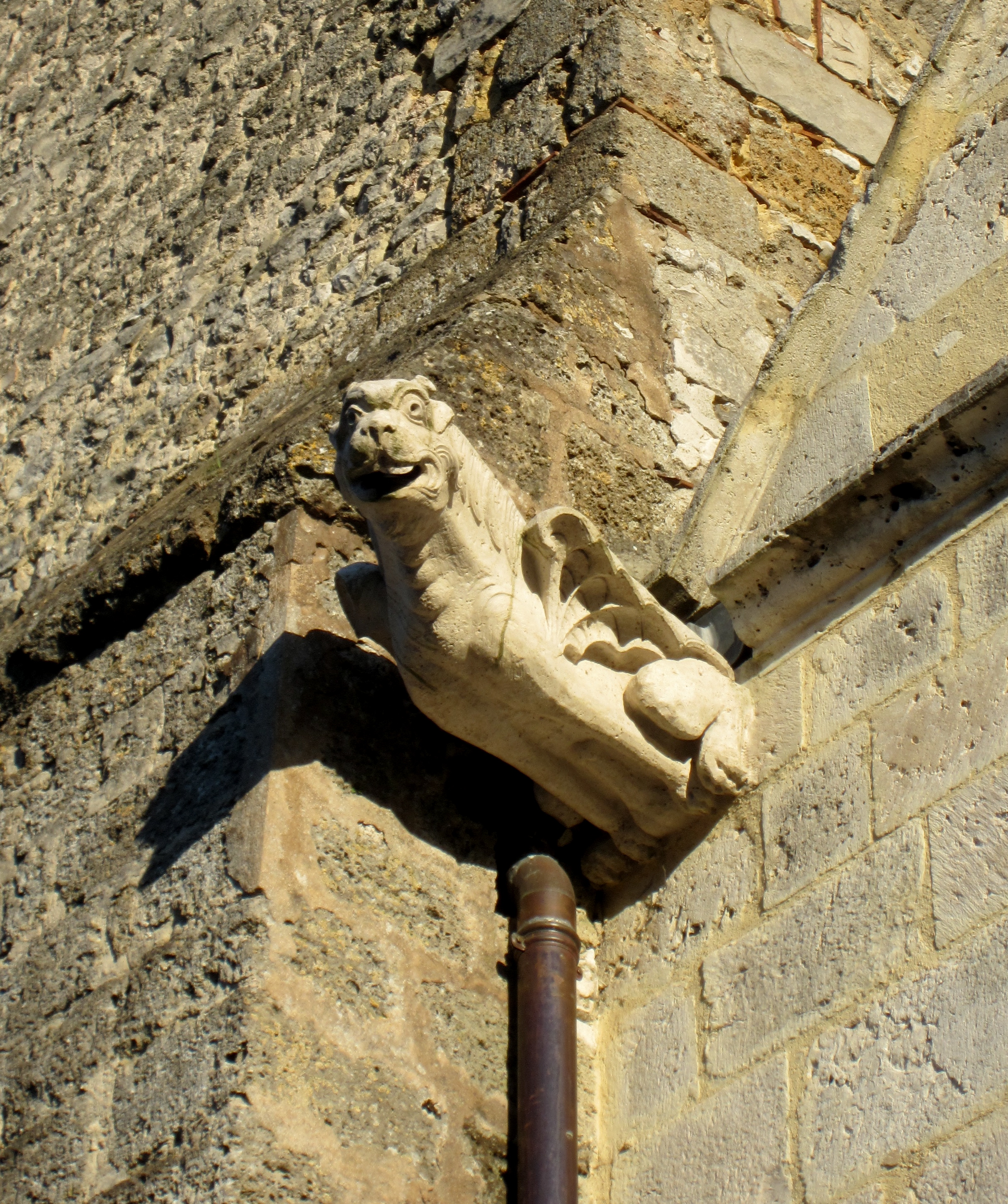
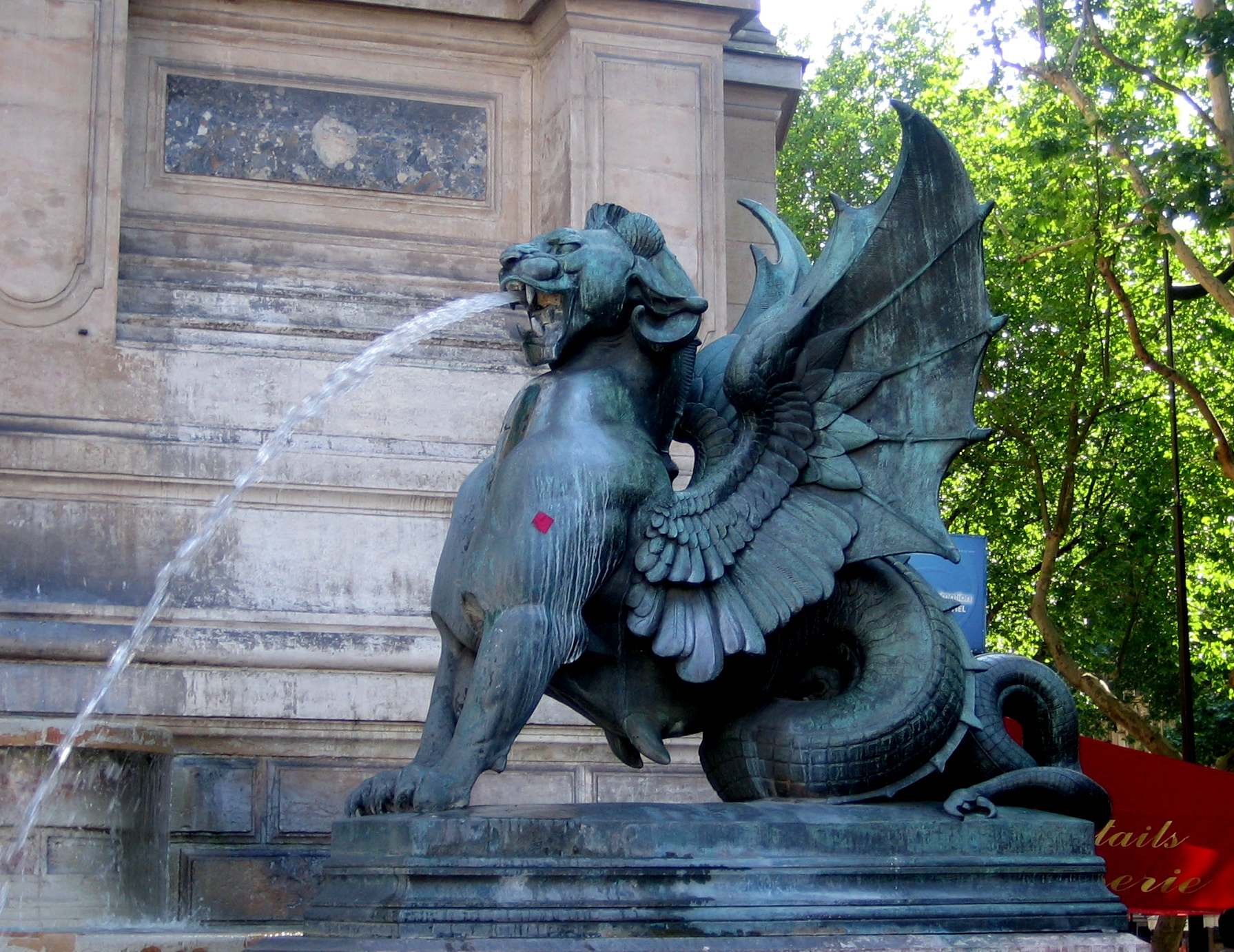
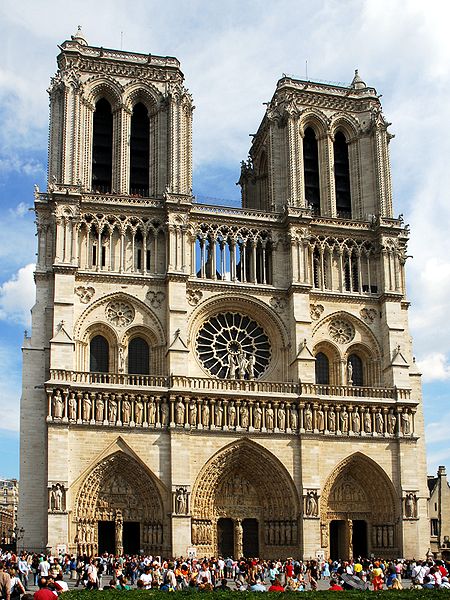
gargoyles like Notre Dame

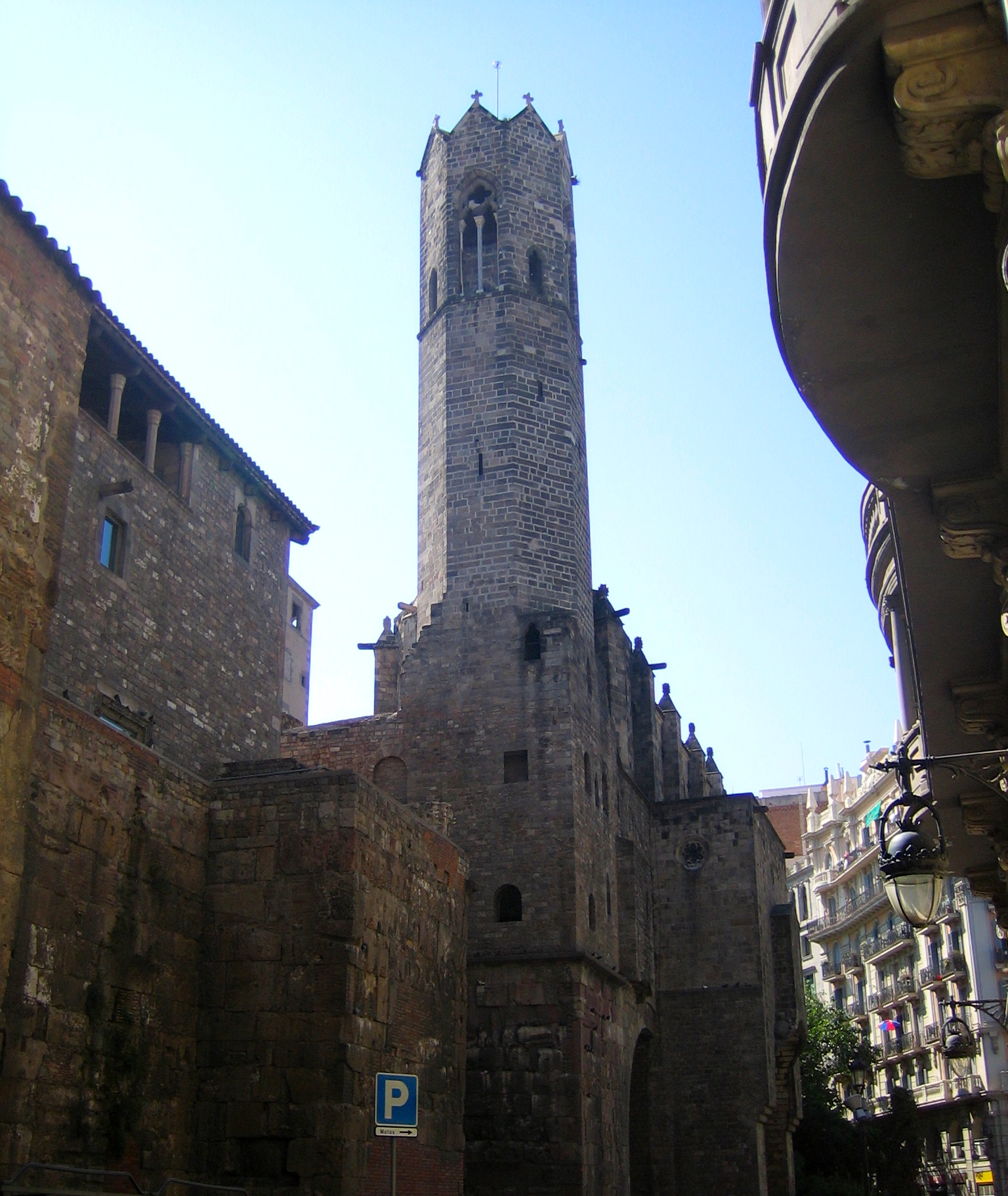
A certain 20th century caped crusader really goes for gothic… Gotham City Chic. He probably took his first flight out of that tower… or maybe this one.

la torre gótica

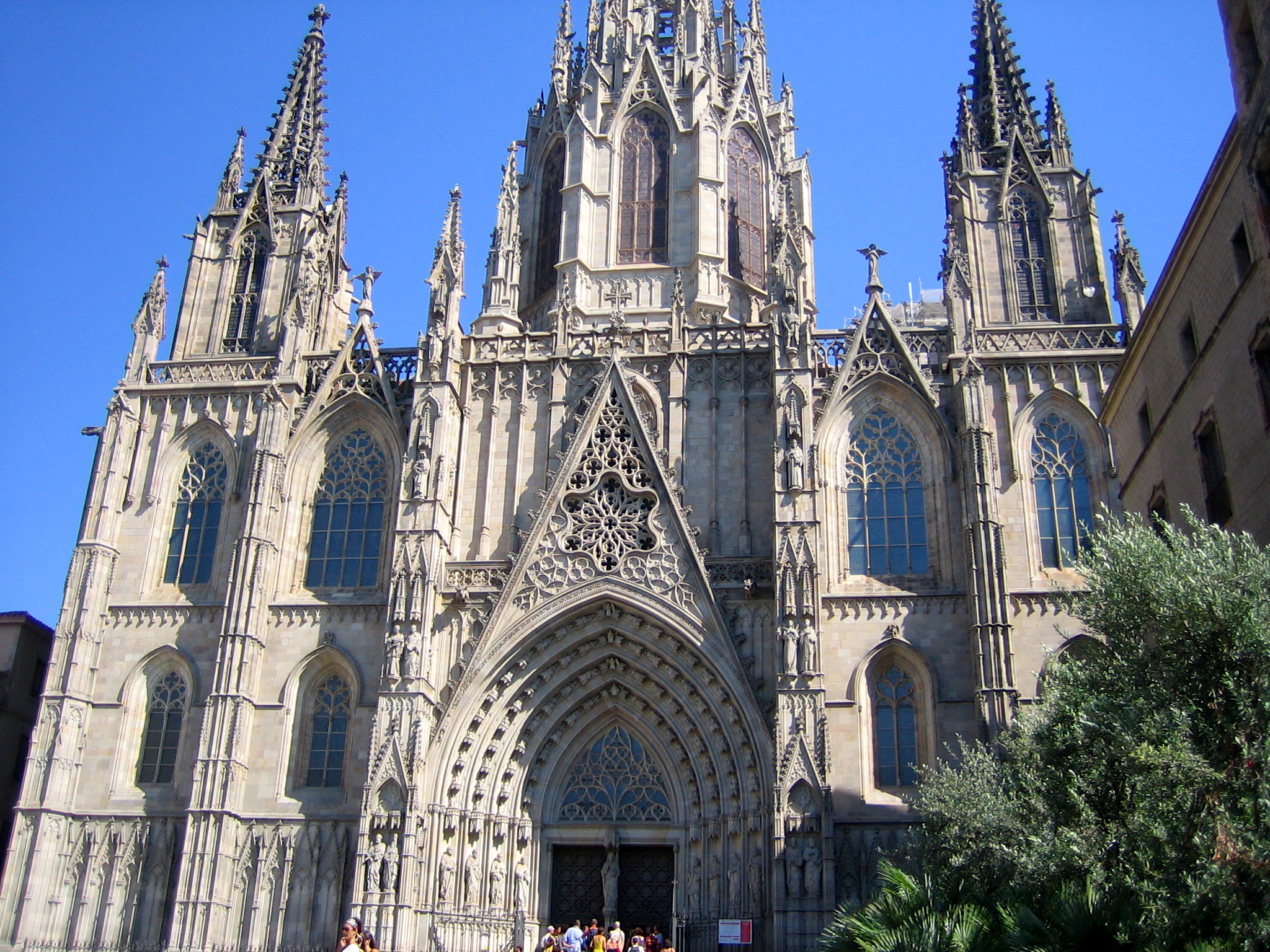
Barcelona Cathedral

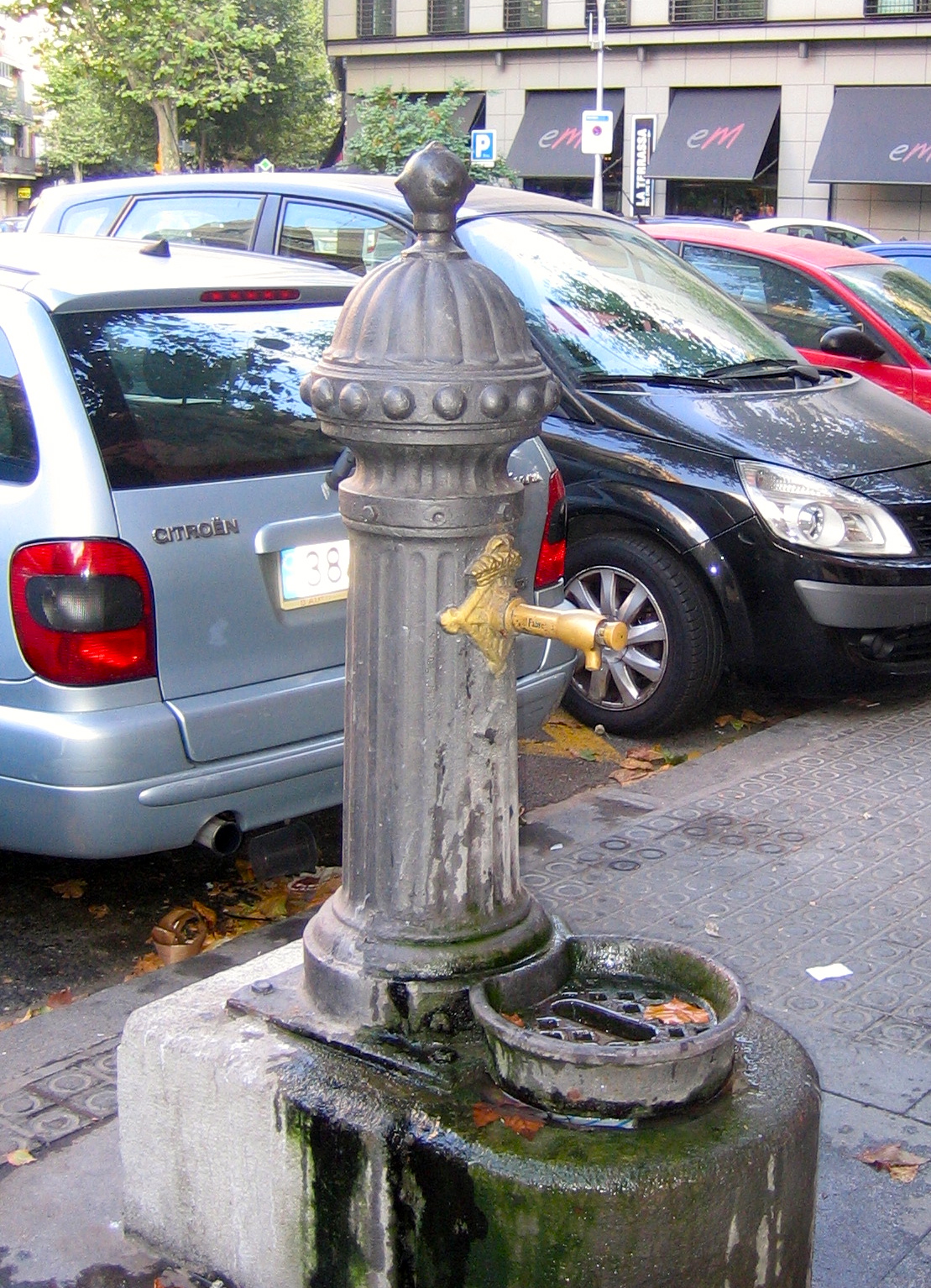
Barcelona has fabulous food, cafés, nightclubs, la Rambla… which is so crowded by day it reminds me of pedestrian streets in Buenos Aires, like Calle Florída, which used to be full of manteros, people who spread a manta (blanket) on the ground and pile their wares on top. After some violent clashes with local law enforcement, the manteros were driven out of the tourist zone. Things were a lot nicer and quieter, and you didn’t have to walk with your hands in your pockets to keep the pickpockets out of them. Barcelona has similar problems, but their street-hawkers have stalls and permits. Barcy, to its credit, has enormous recycling containers on every block. And like Paris, Barcy has public water spigots on just about every block.

typical Barcy street fountain

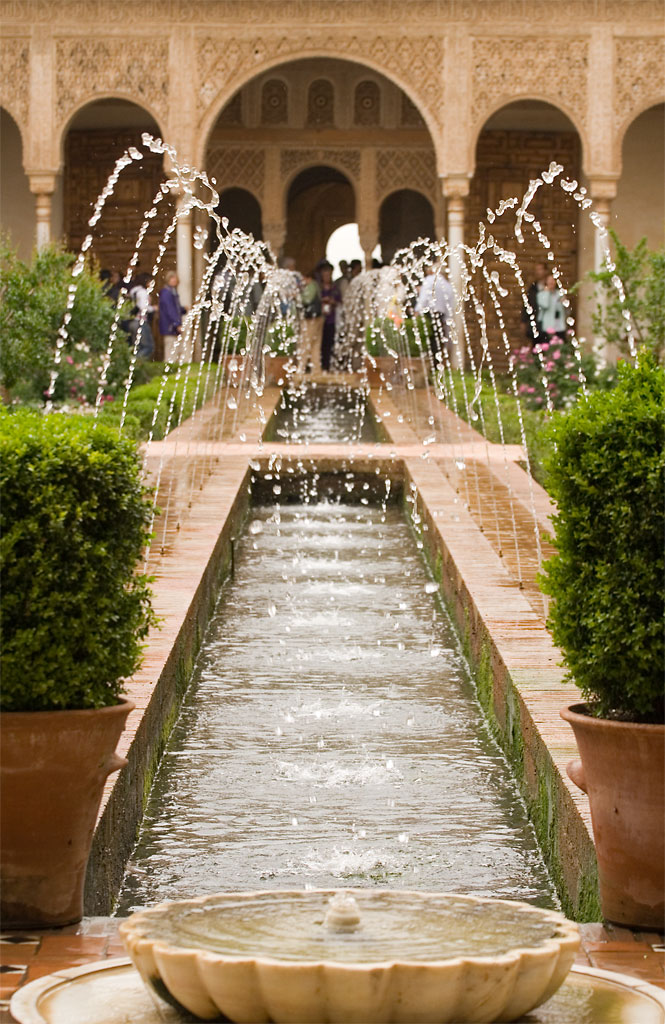
Back in the days before indoor running water, people filled their jugs and buckets and water skins every day from the public fountains. The Romans are generally credited with building aqueducts to bring water to where it’s needed; pretty cool idea! Arabs also have a history of bringing water into their homes, and they bathed a lot more than the Christians! Legend has it you could smell a Christian trading ship from way across the water, by the stink of the crew! Couldn’t they at least bathe in salt water?

Ahhh, refreshing! This beautiful fountain can be found at the Alhambra, the exquisite Moorish palace in Granada, in southern Spain.

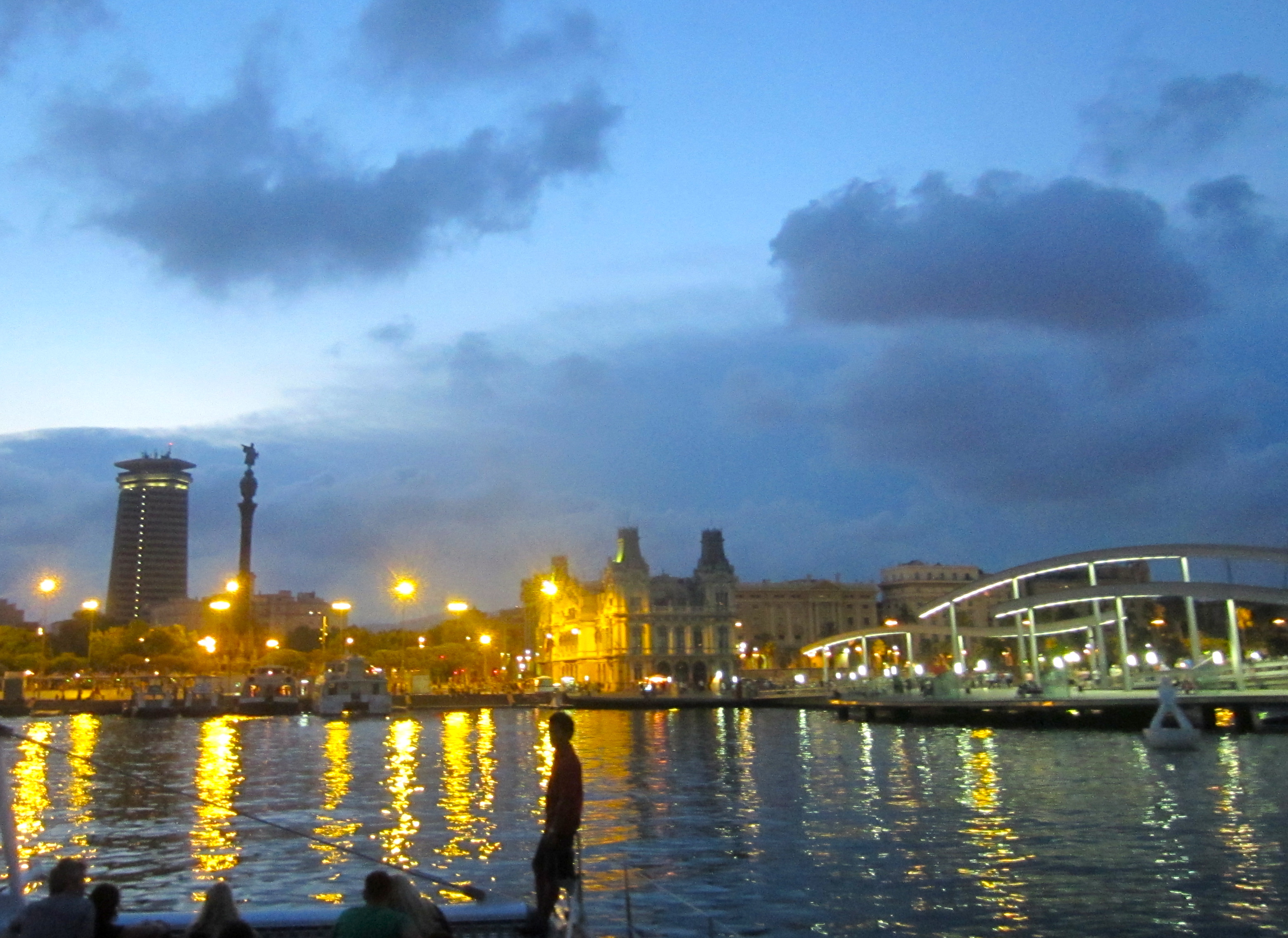
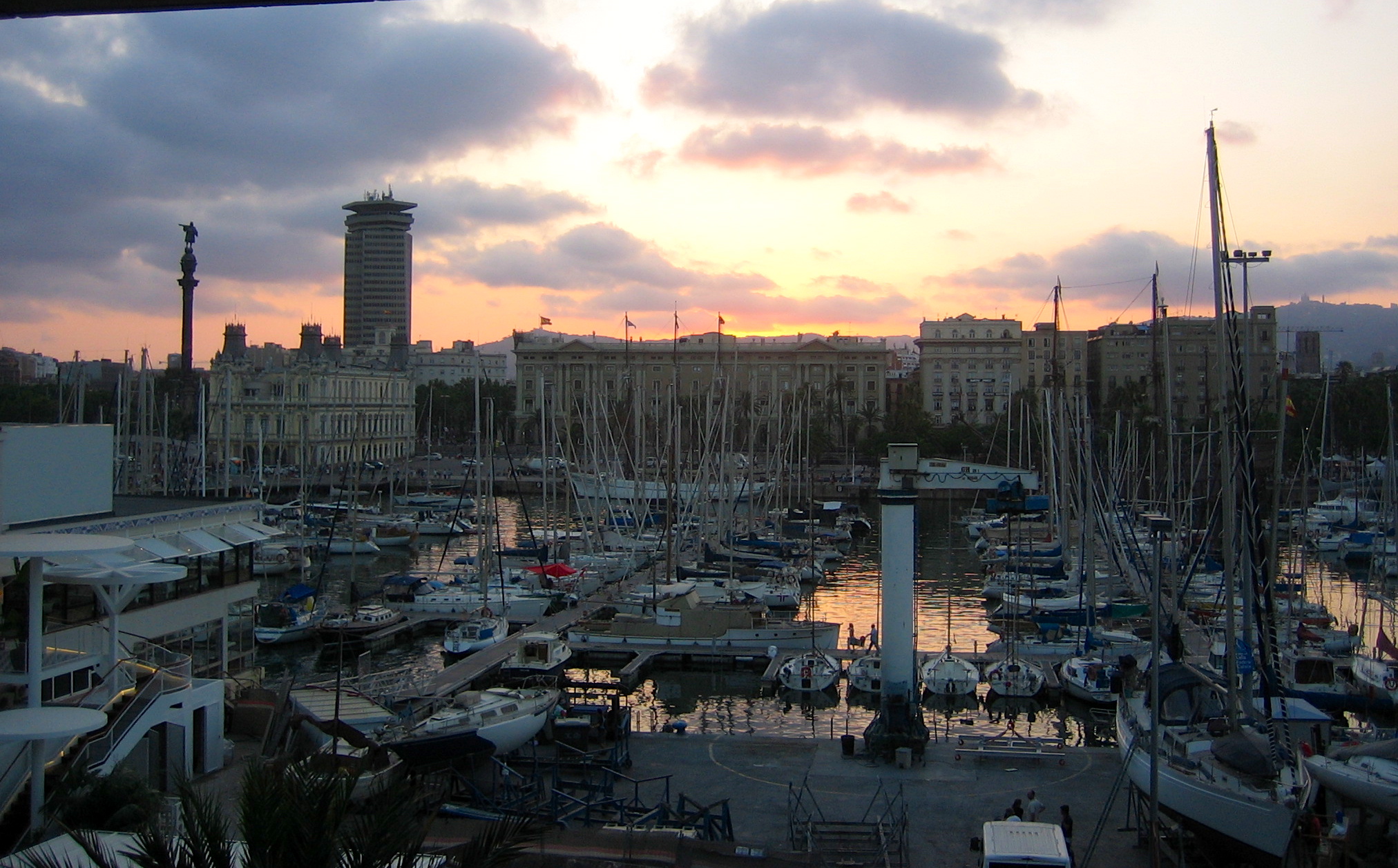
OK, readers, listen up. I have to tell you there is so much to see in Barcelona, I just can’t squeeze it all into one post!  Tango shows, Flamenco shows, Gaudí, early Catalunyan art, the best milongas of Barcelona, the Magic Fountain…. and then there is our road trip along the Costa Brava, the Big Sur of the Mediterranean coast. So I’m going to close now with a sunset photo of the harbor… can you make out the statue of Cristóbal Colón?

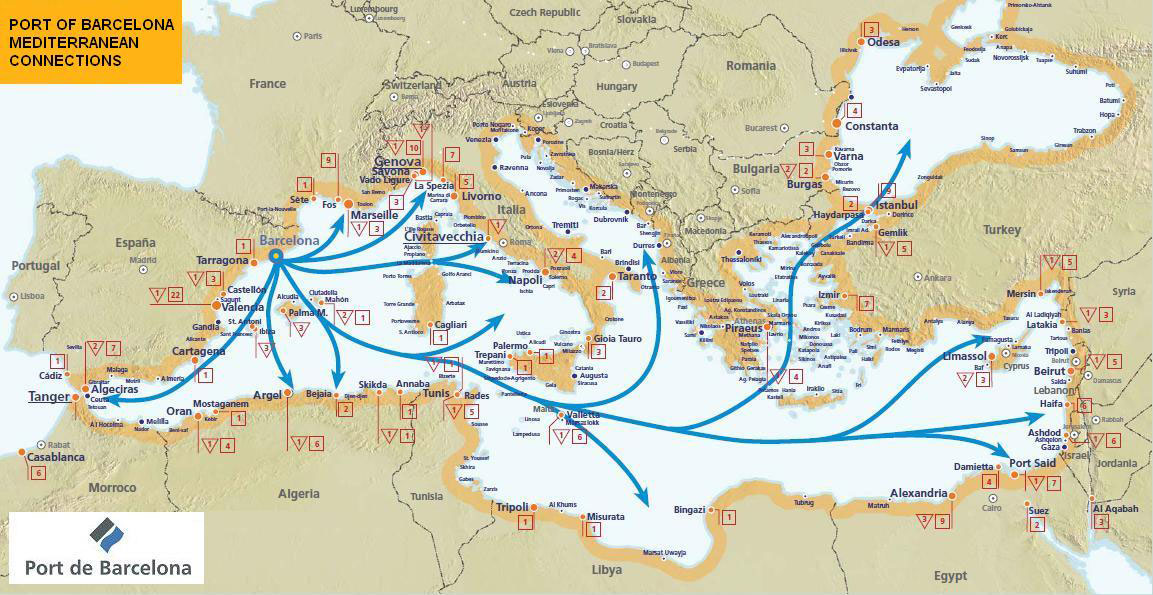
Port of Barcelona

Ciao from Barcelona!

Spooky Milonga

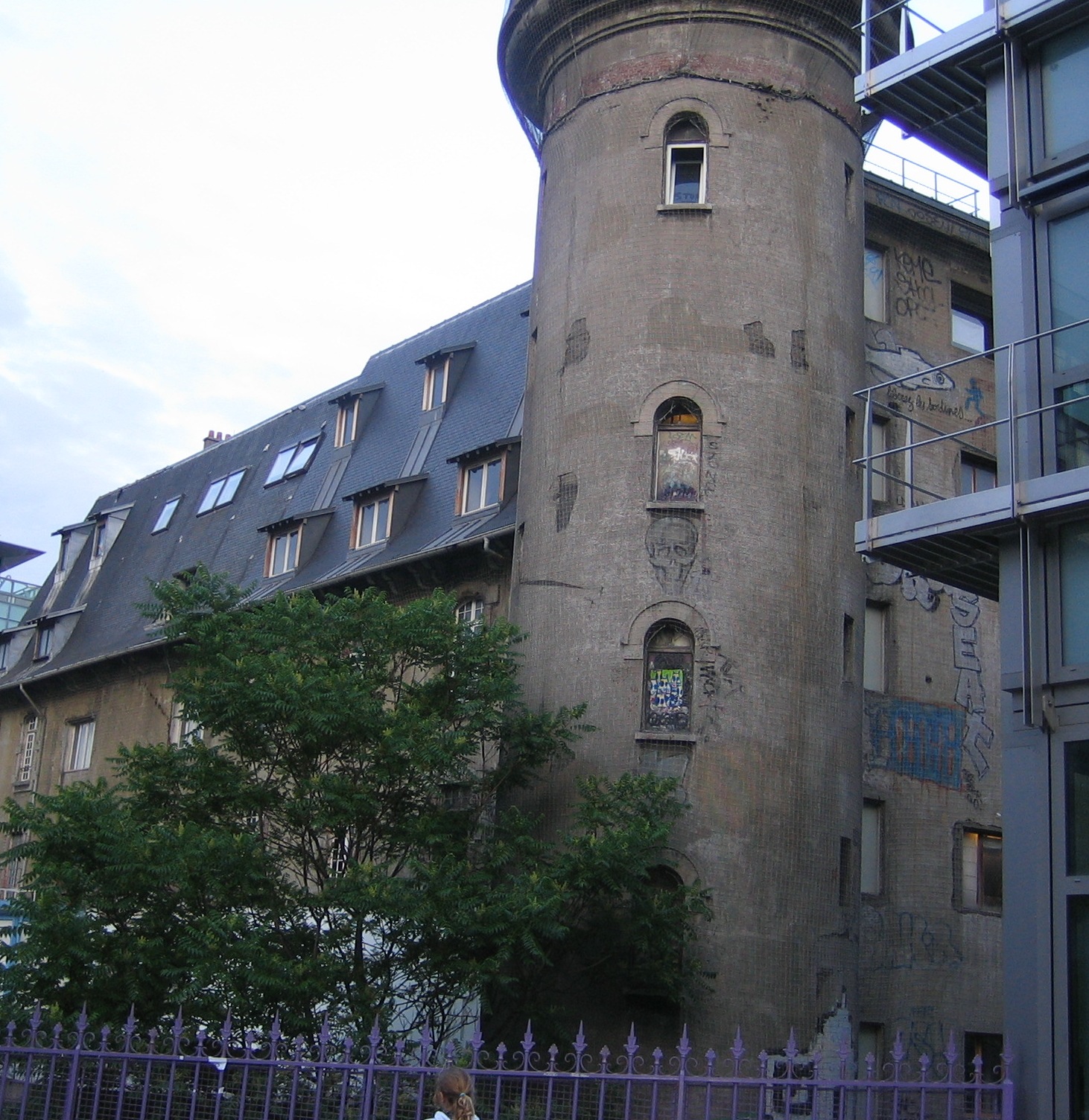
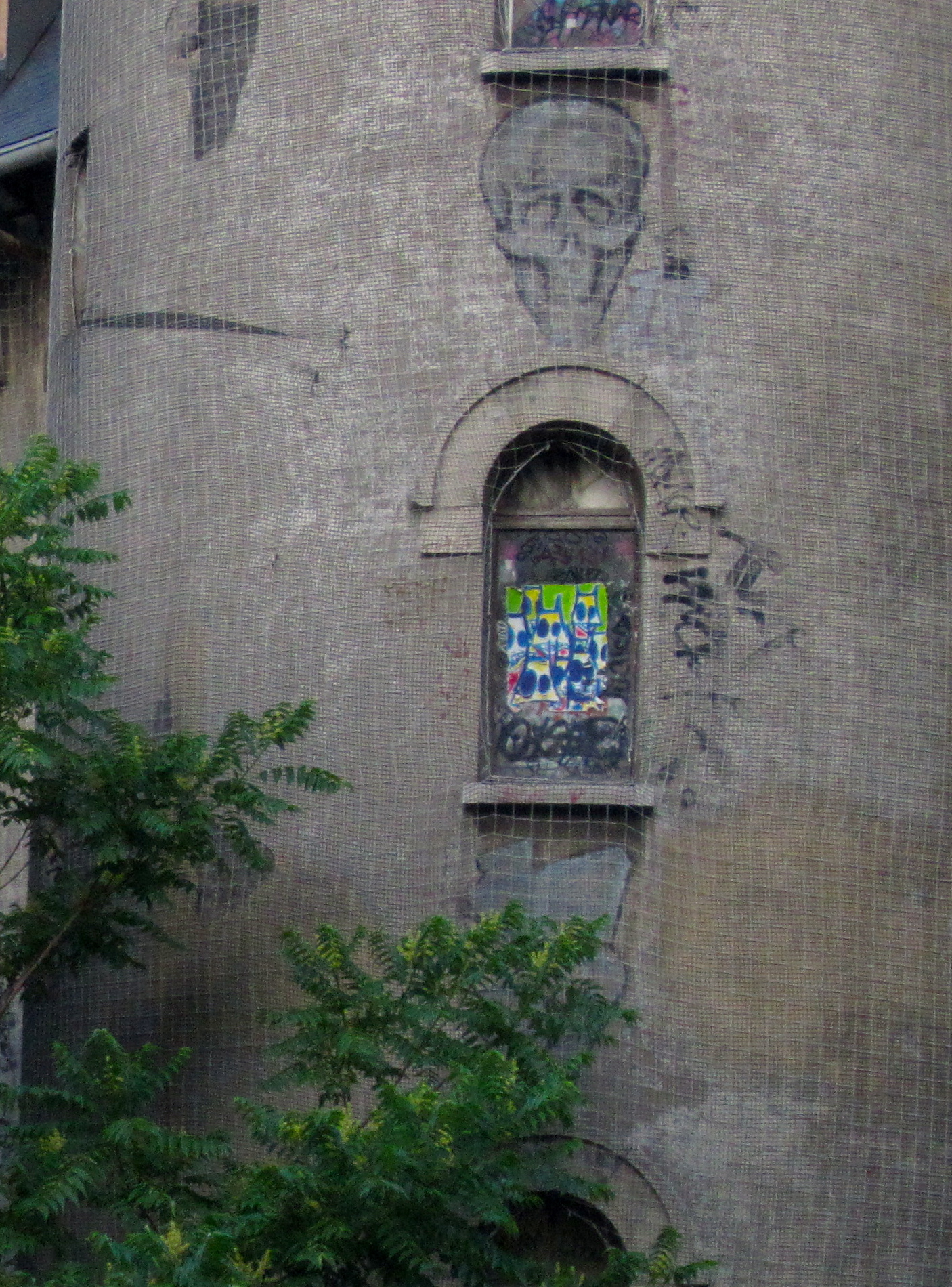
One evening in late June we jumped on a bus and rode it all the way down Rue Tolbiac, almost to the end, a block from the François Mitterand library. Looking for a milonga, we walked past the funkiest trashiest old building I’d ever seen. It had a medieval tower whose top was wrapped in netting… some kind of restoration? Keep the hunckback from flinging rotten fruit on passersby?

tower tour, anybody? Eiffel Tower it ain’t!

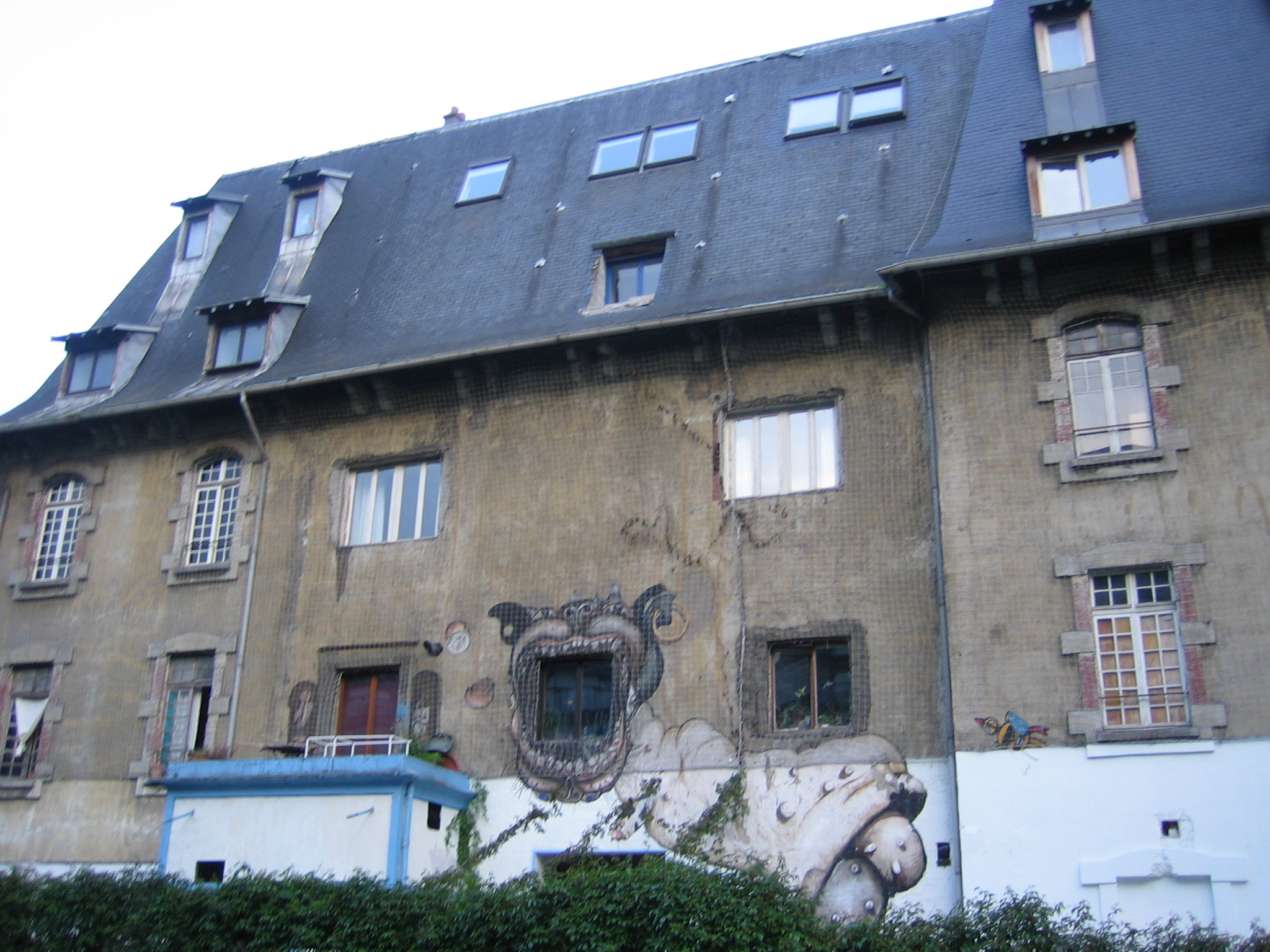
A set of windows on the 2nd or 3rd floor was painted into a giant gaping mouth with sharp monster teeth, waiting to devour anyone who dared enter. Silly us, we hadn’t yet realized that scary building was our destination!

Who’s hungry? I am!

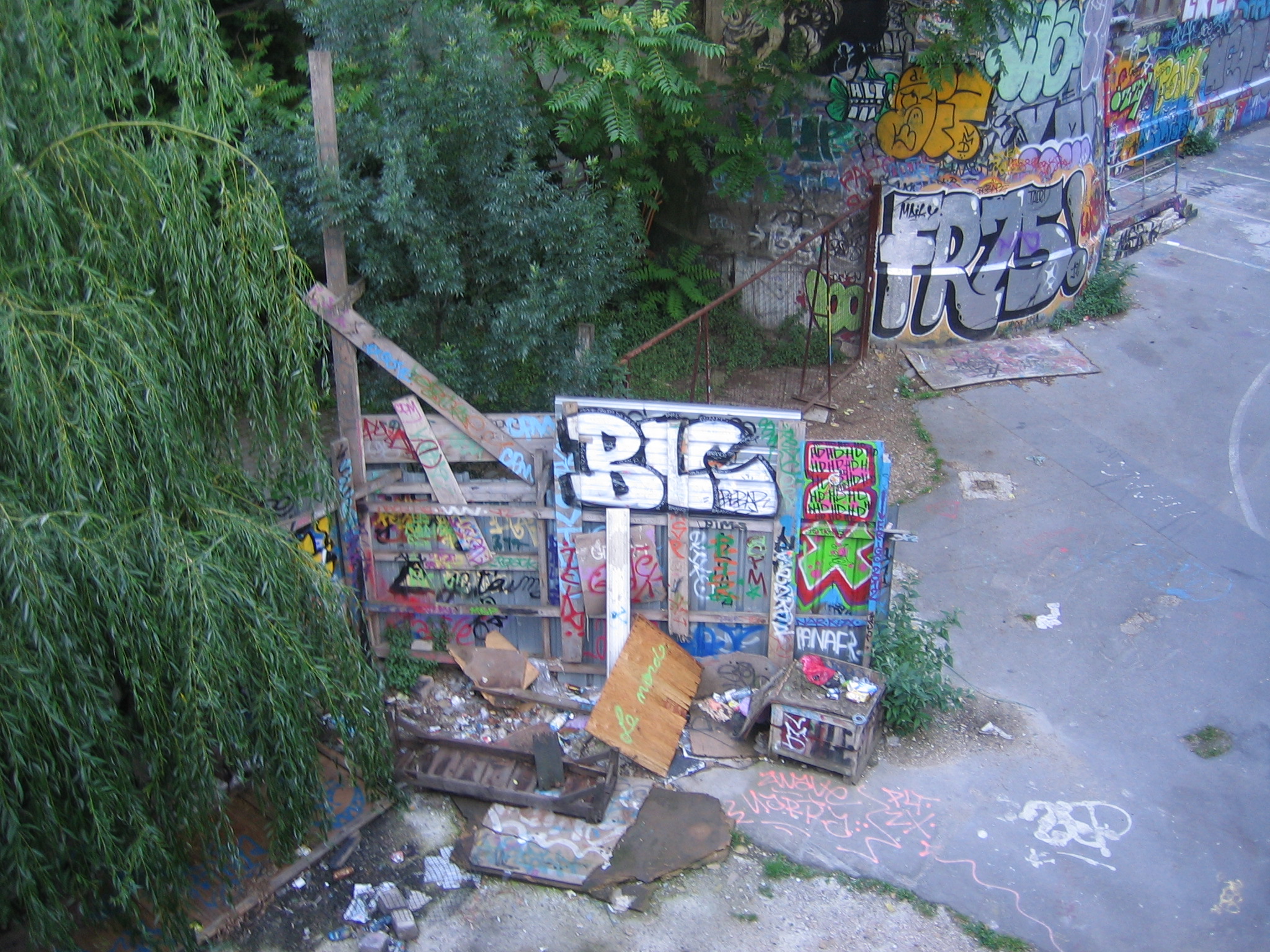
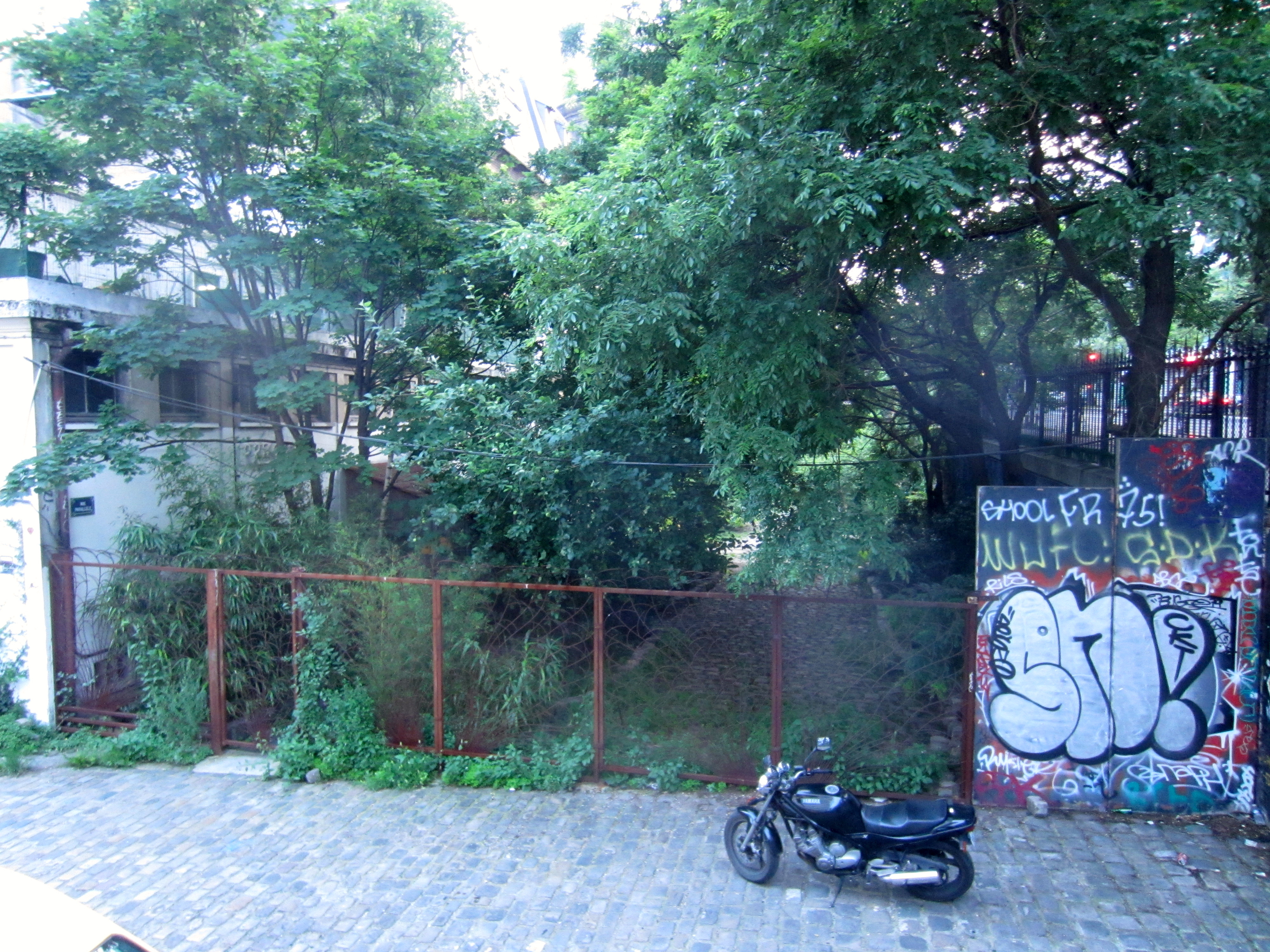
We kept walking, not seeing any place that looked like a milonga. Around the corner the sidewalk sloped down to the level of the ground. There was a big chain link fence, a parking lot full of junky cars, graffiti everywhere, weeds, broken windows, trash… where the yada yada were we going?

colorful graffiti…

Ben spotted an opening in the chain link, with a paper taped to it that said Milonga Los Frigos and an arrow pointing to a trail leading around the side of the horrific palace.

boho chic?

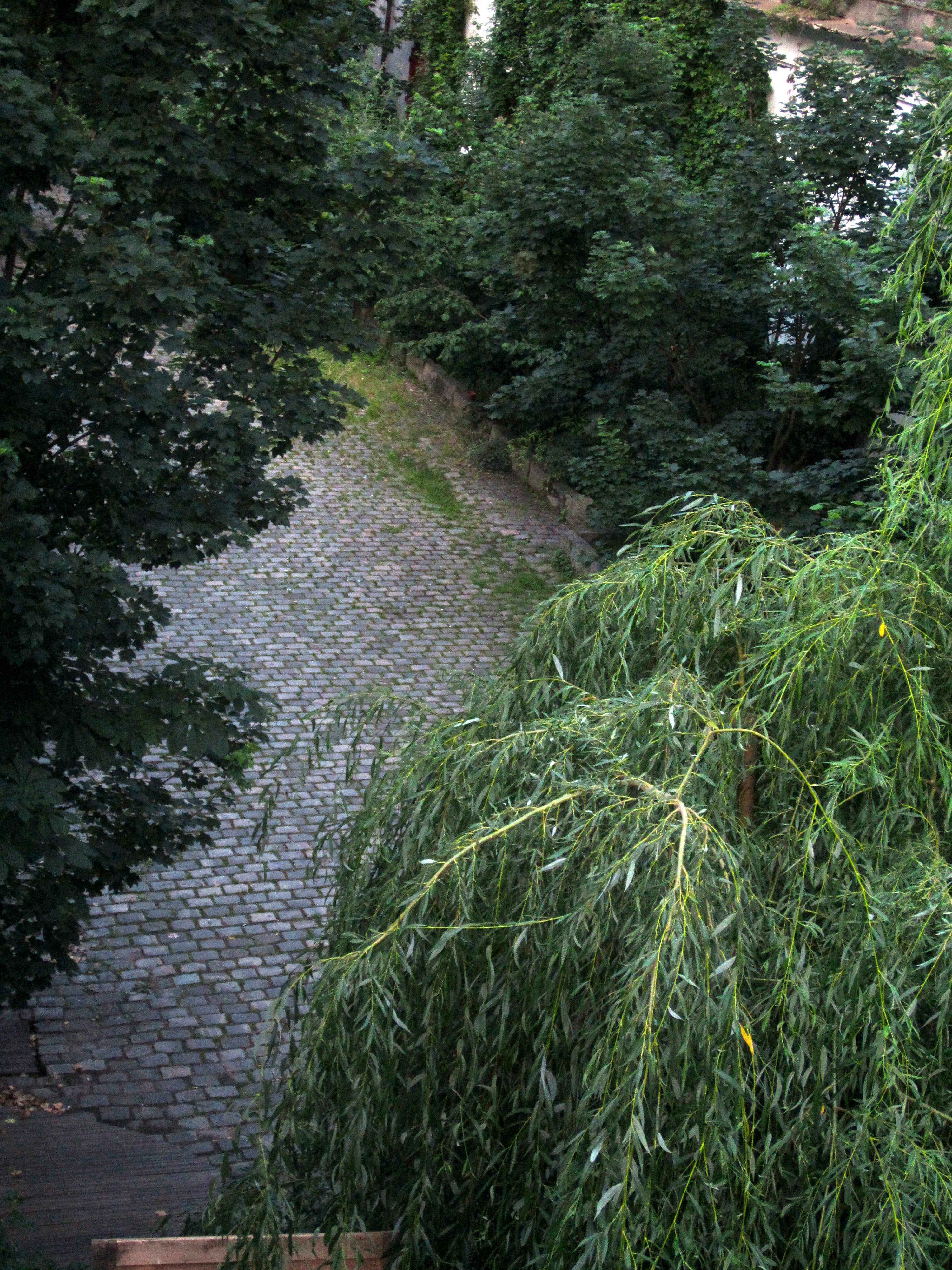
We ducked under some trees and plunged into the semi-darkness of a shady overgrown courtyard slash/ abandoned side yard.

the spooky path

After a few steps we saw the twinkle of tiny lights through an opening in the brush. Three young people sitting around a card table came into view, smiling and looking completely normal. Could these be the demented gatekeepers of a horrific palace? Had we just entered the Twilight Zone?

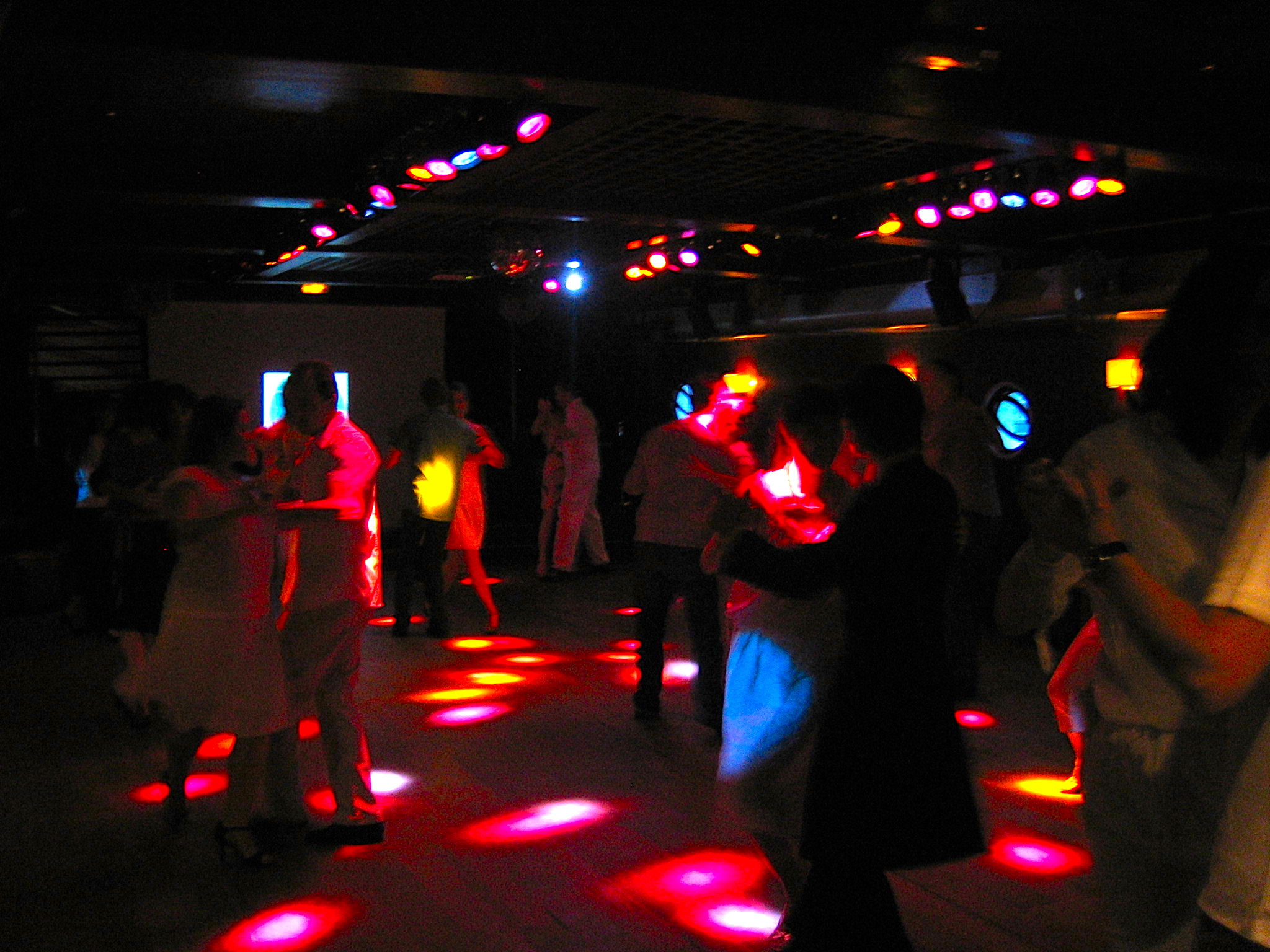
We paid our €7 each. Apparently still having that deer-in-the-headlights look about us, the slim young Parisian (she spoke a little Spanish) led us along a dirt trail that led to the cobblestone patio and then, happily, towards what looked like a bar in a cave. Emerging from darkness into light is always a little confusing. We thought maybe the bar was the milonga, but she said it was just the bar, and so we walked past it (you could hear Billie Holiday singing softly) to yet another cave-like room on the ground level. By now we heard the music and saw open doors on a small wooden deck leading into — you guessed it — the milonga! Couples were dancing, and others sitting around small tables lit with candles. The ceiling was a series of stone arches paved with brick (we were right under the overpass) and the dance floor was, well, not great, but … what else do you expect at a monster’s ball?

trés jolie!

….and so we danced happily ever after in the remodeled troll cave. With French champagne in hand we toasted the classic sounds of Orquesta Sans Souci, Sexteto Milonguero, Canaro, Troilo, Biagi, Caló, de Caro, Pugliese, Enrique Rodríguez and other Top 100 Tango Tunes. We drank to bat caves, badger dens, rabbit warrens, hobbit holes and other warm snuggly hideaways. We danced underneath Rue Tolbiac, left bank of the Seine, 13th Arondissement, and we kept dancing until we dropped. Perfect, blissful, tango exhaustion: you try to pace yourself, but another favorite song comes on and a mysterious underground force compels you to get up and dance some more!

BOO!

Happy Halloween!

Sitges Tango Festival July 18 – 22

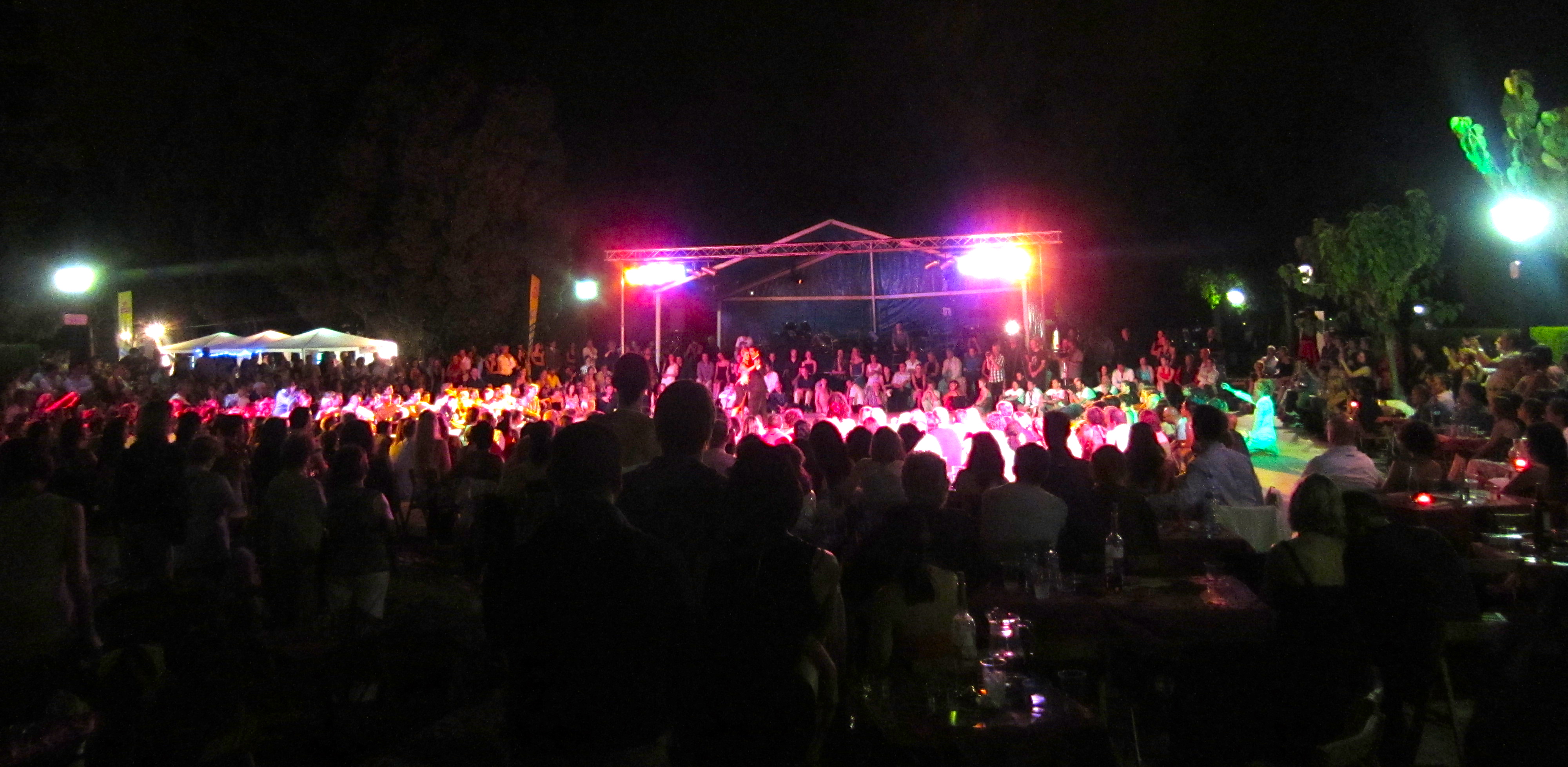
warm tropical nights… milonga under the stars… the crowd watches a demo by Sebastian Arce & Mariana Montes

We carried the rain with us as we flew from from Paris to Barcelona one gray day last July. From the airport we drove through the midsummer drizzle 30 km south to Sitges. By sunset that evening the skies were clearing, though the wind continued through the night. In the morning the sky was still cloudy, but, intrepid beach-goers that we are, we walked half a block to the beach with our giant sunbrella and his & hers beach towels. After an hour the clouds had flown away north (to drench Paris again, no doubt, as they’d been doing all spring) and the day turned sunny and hot. Here’s my personal bodyguard testing the water…

the water is warm!!!

captured web photo… it actually wasn’t this crowded!

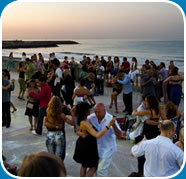
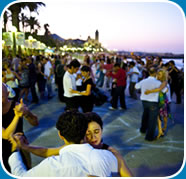
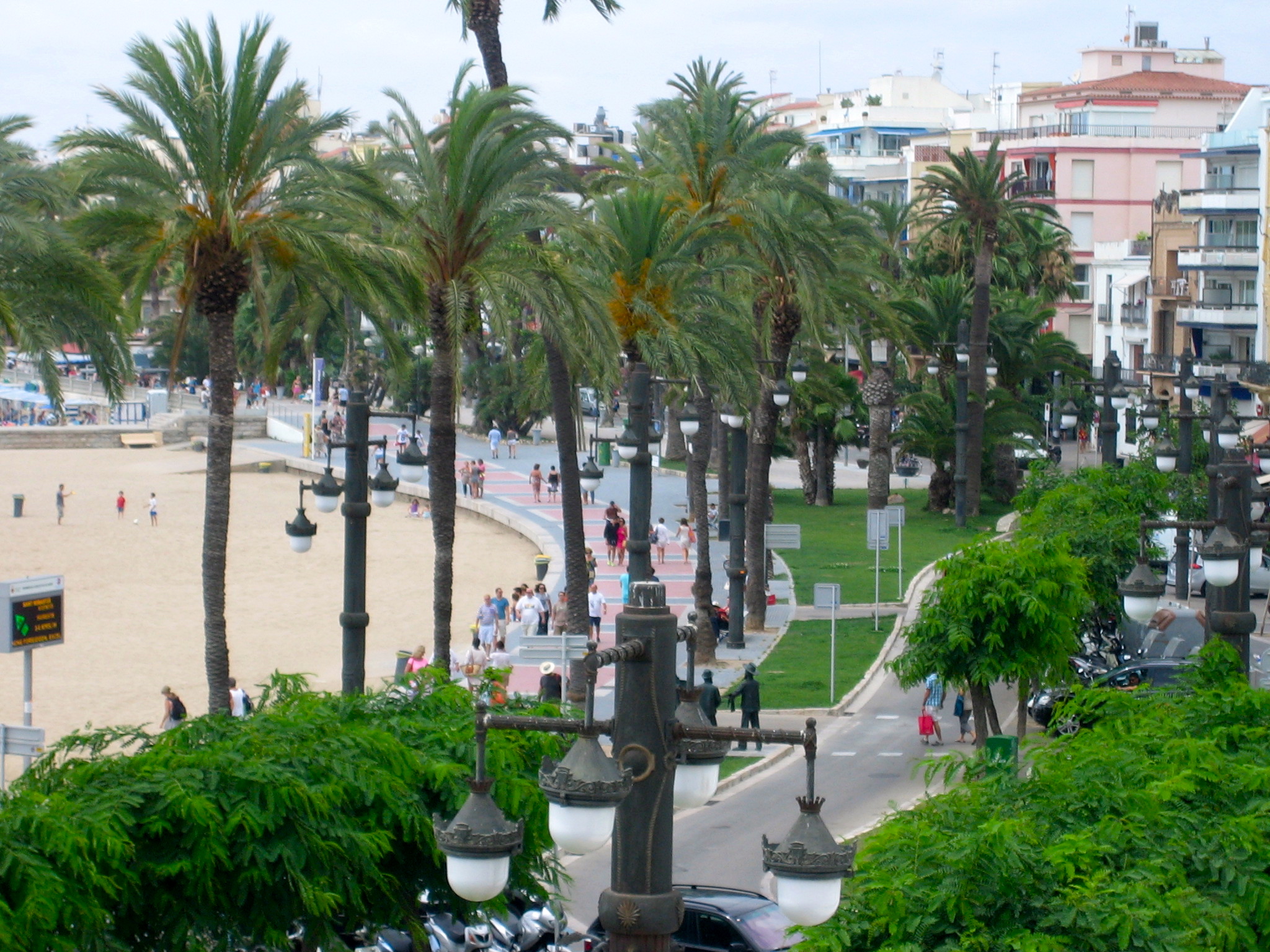
Known as the St. Tropez of Spain, Sitges is a small city known for its beaches, nightspots, and historical sites.  A wide boulevard winds along the Mediterranean, with cafés, restaurants (fresh fish! tapas! clams oysters mussels calamari, lobster…) beautiful old houses, historic churches, alcázars, plazas… tango on the beach, anybody?

white sands, white tie…

and Tango.

Sitges became a counterculture city back in the 1960s… and it still resonates hip and cool. One of the hottest gay beaches of Europe, too. Franco was still in power in those days, but apparently rebellious Sitges managed to skate by … or maybe I’m just desperately under-informed.

main beach and plaza

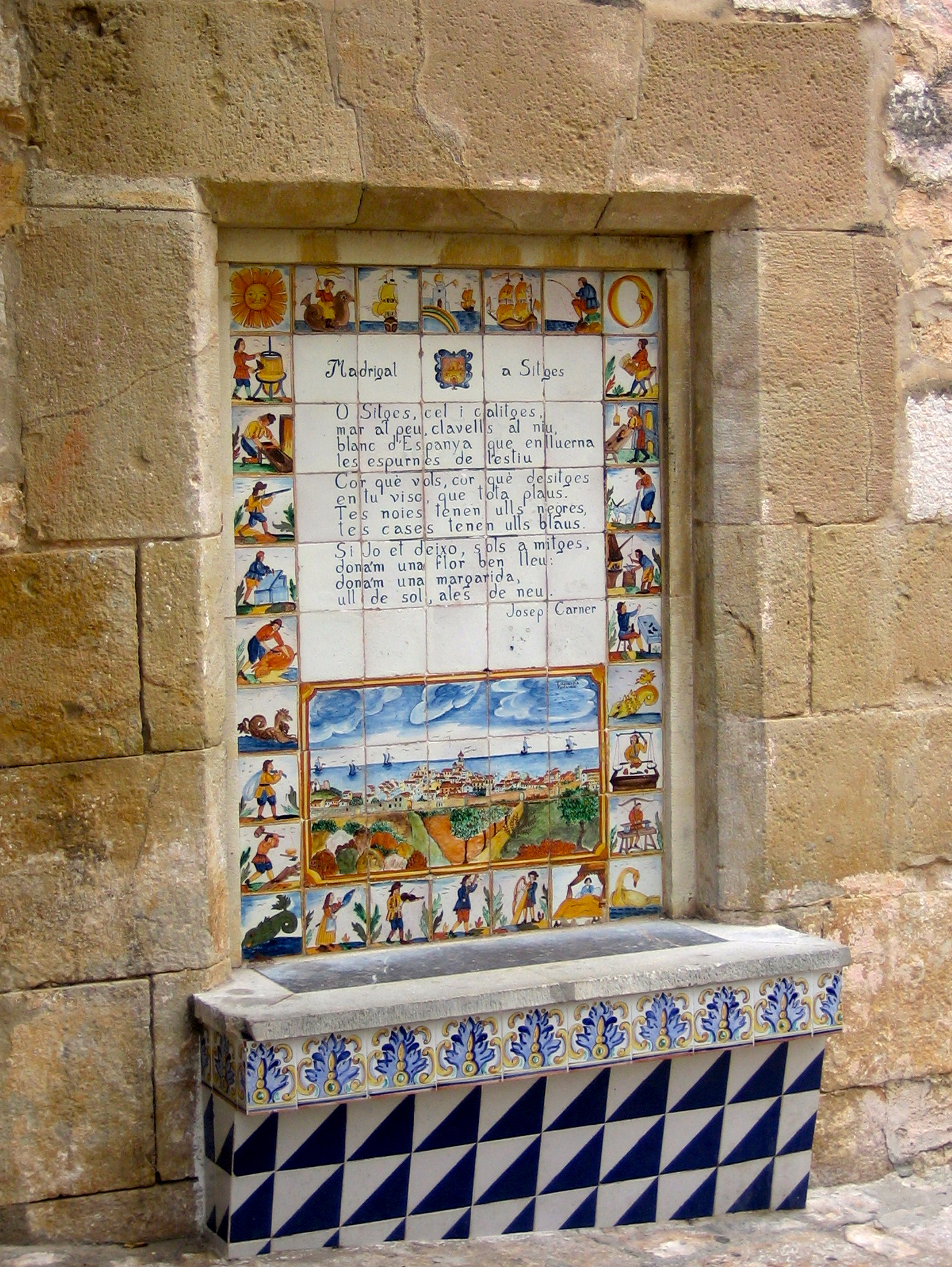
pretty tiled fountain

in the historic center

a beautiful old portal

I really go for historic buildings, and Sitges is full of them.

looks Art Deco to me

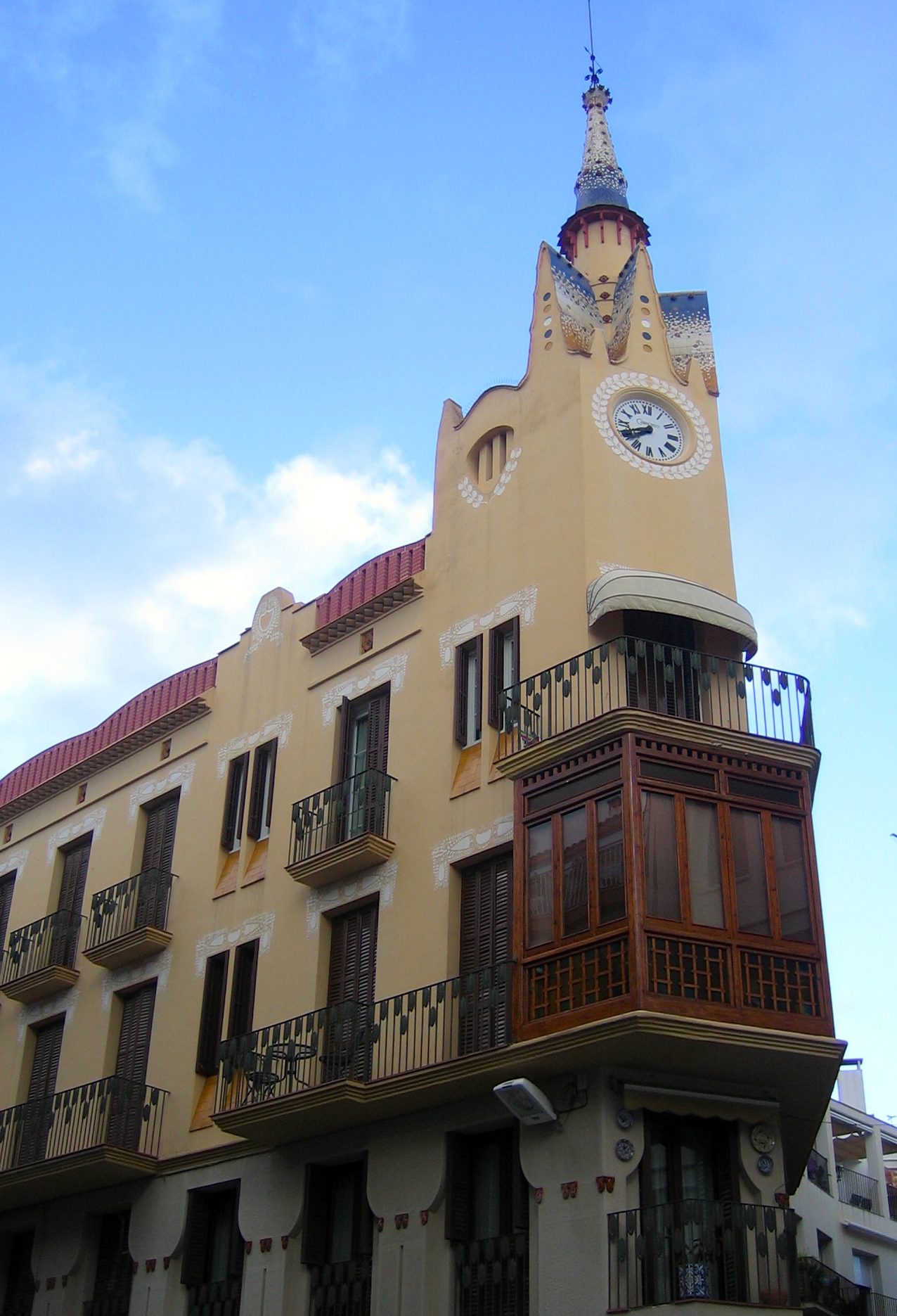
This retro wedge-shaped building was one of the landmarks I used to orient myself while walking around the old part of town. The streets are winding cobblestone paths, most not even wide enough for cars, and even though they mostly all lead down to the beach, it’s easy to get lost in the maze (unless you’re looking for the beach, of course). But since being lost is my normal state, I actually felt pretty much at home. Everywhere you look are restaurants, cafés, colorful shops and marketplace stalls selling tango-fashionable loose trousers, and loads of more pretty things.

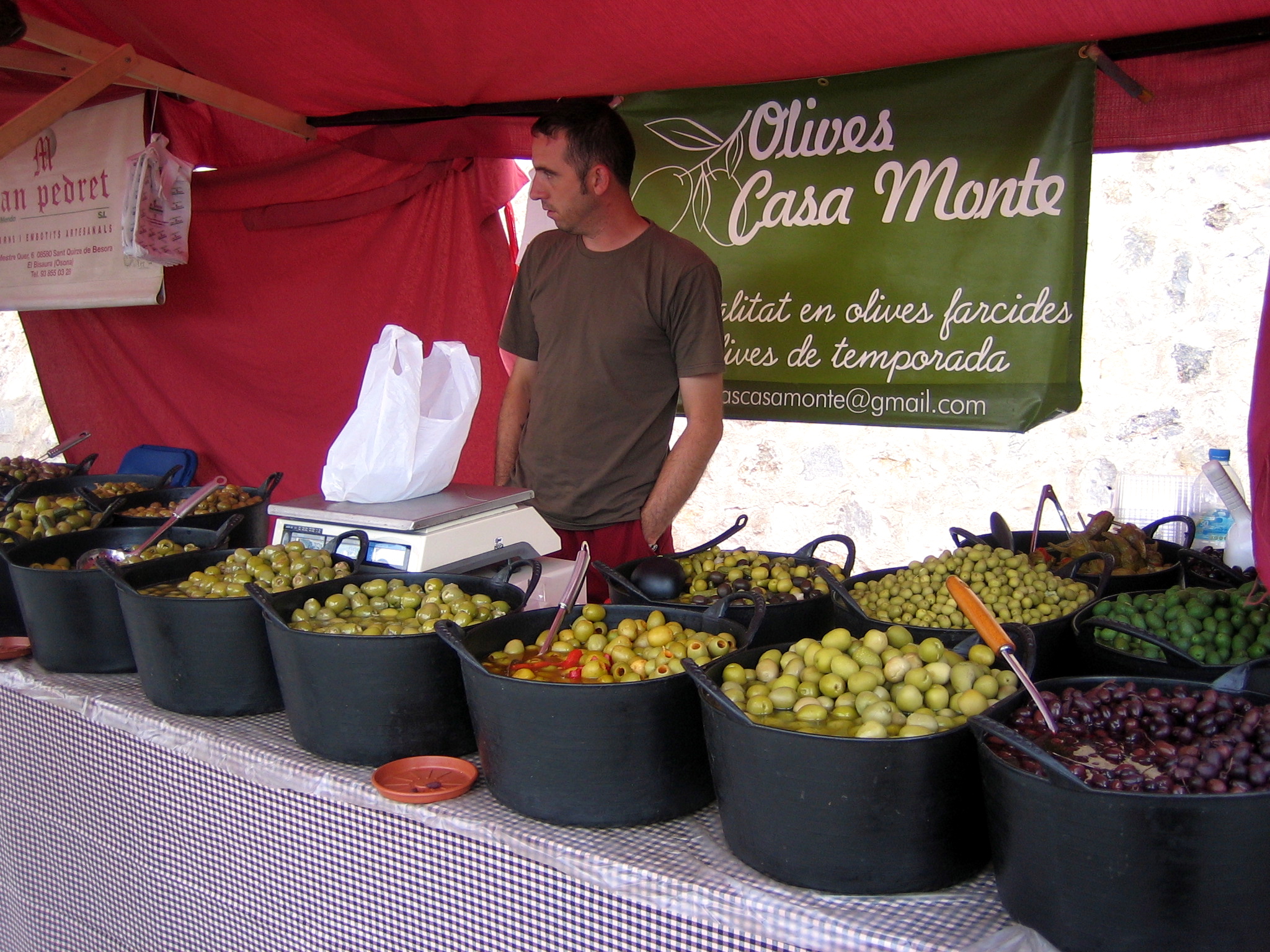
Every day is market day in a tourist town, and the food on display was appetizing and delicious!

CJS pizzas (just say “CJ’s”)

the olive seller

CJS deli

CJS salmueria

a portal in the historic center

la Sirenita de Sitges

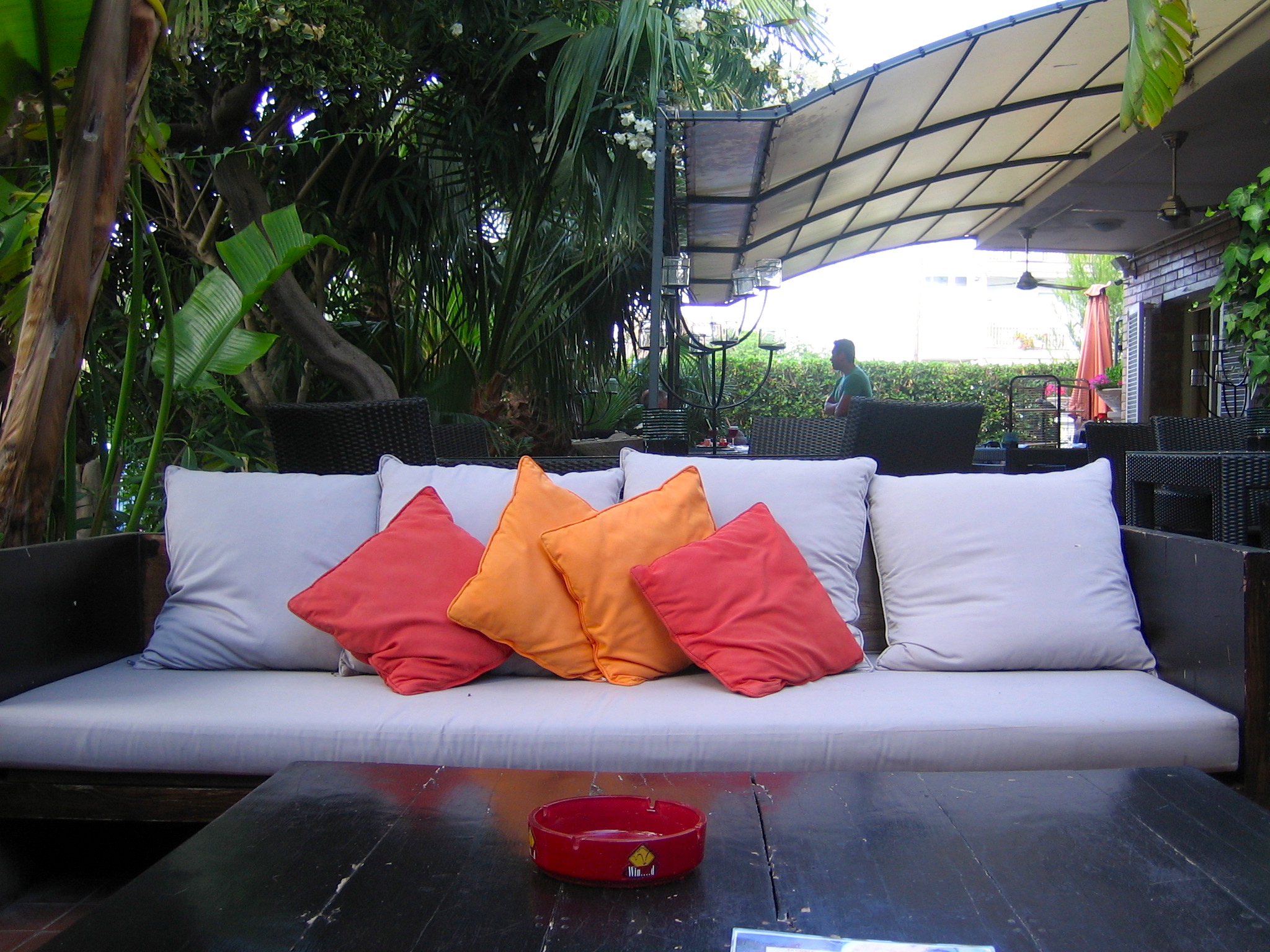
Our room in a small hotel a half-block from the beach overlooks a beautiful house, three floors, dazzlingly white walls with blue shutters, an intense cobalt blue (one of my favorite colors!) with a terracotta roof. Classic mediterranean. Sorry! I didn’t get a picture. But here’s a serene spot on the hotel terrazza, where breakfast is served till noon, and you can order drinks and/or snacks the rest of the day and evening.

Hotel Los Globos

If you’ve had too many mojitos you can just hang out and talk to the resident parrot.

Pieces of Eight! Pieces of Eight! Isn’t that one of the last lines in Robert Louis Stevenson’s classic, Treasure Island?  The Hotel Los Globos resident parrot-greeter talks and whistles loudly whenever anyone walks by. He seems really sweet, but then I didn’t risk sticking my finger between the bars. We humans always want to believe animals have thoughts and feelings just like us. I guess we just can’t imagine anything different, but… birds will be birds! And they have brains the size of a pea. Of course it helps if you use all the brainpower you have!

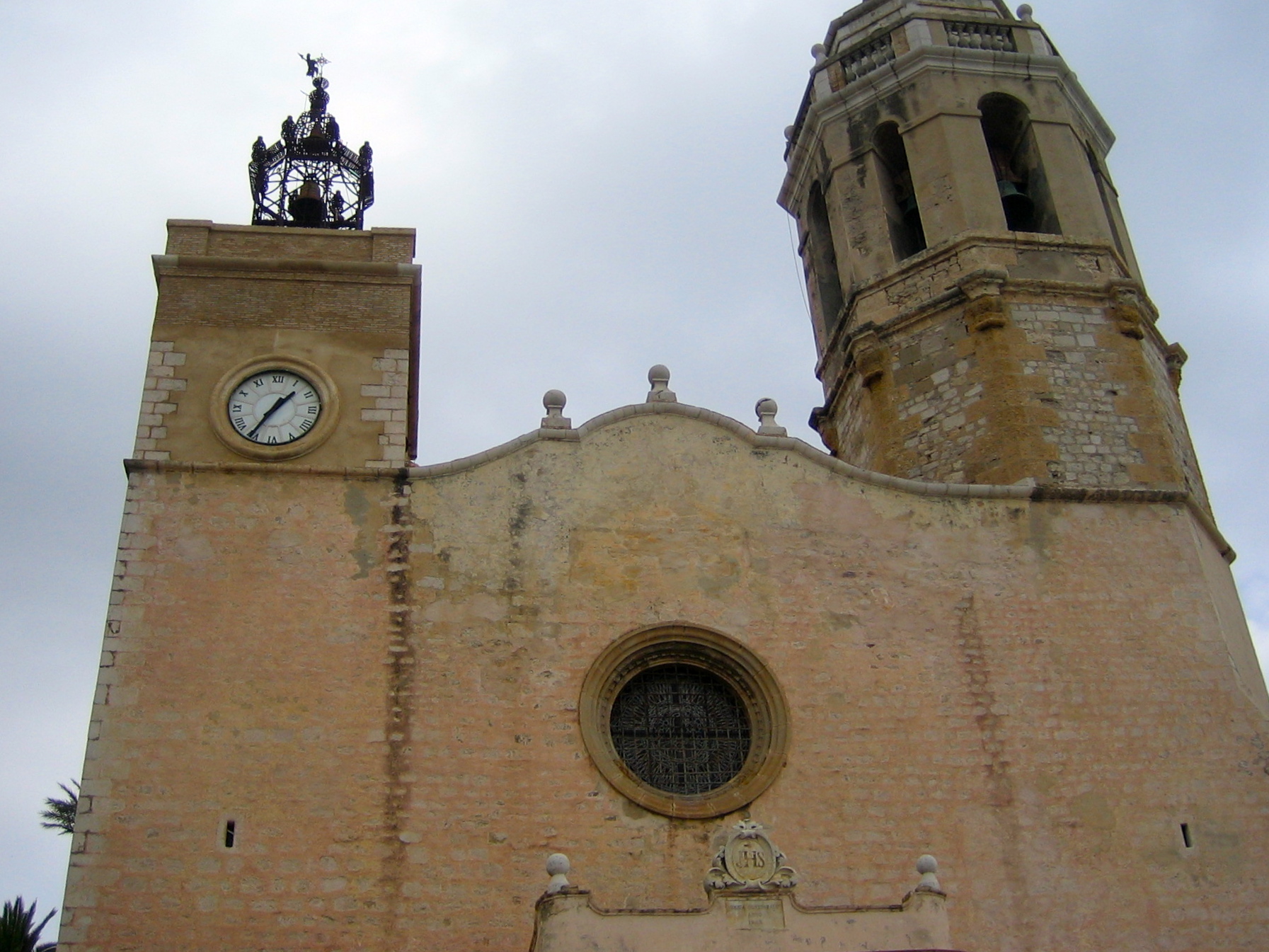
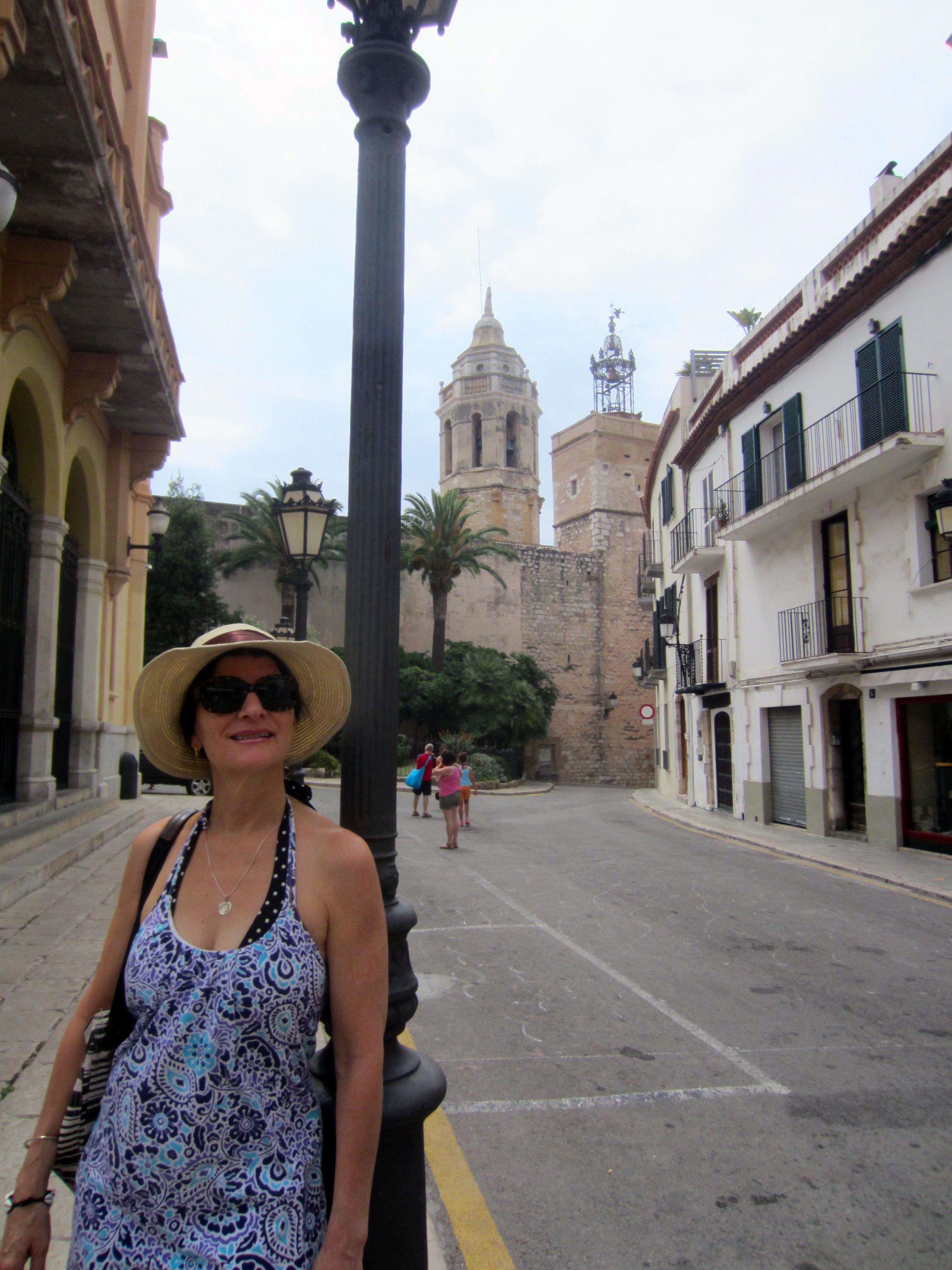
The afternoon we arrived we walked all around town. The main church is perched on a high point of the malecón, the walkway along the waterfront.

la iglesia principal

There was a wedding party outside the church, with lots of chic people standing around, waiting for the novios to exit. I felt like I’d stepped into an episode of La Reina del Sur, but fortunately there was no exchange of gunfire. I should have taken a few photos but, shy me, I didn’t want to be the intrusive tourist. Later, as we walked along the beach, we happened upon the sweet ending of yet another wedding! The couple was wrapped up in a big piece of  cloth which was then knotted around them, like a giant pretzel. Trapped forever! or so it would seem. A day of domestic mergers in sunny Spain.

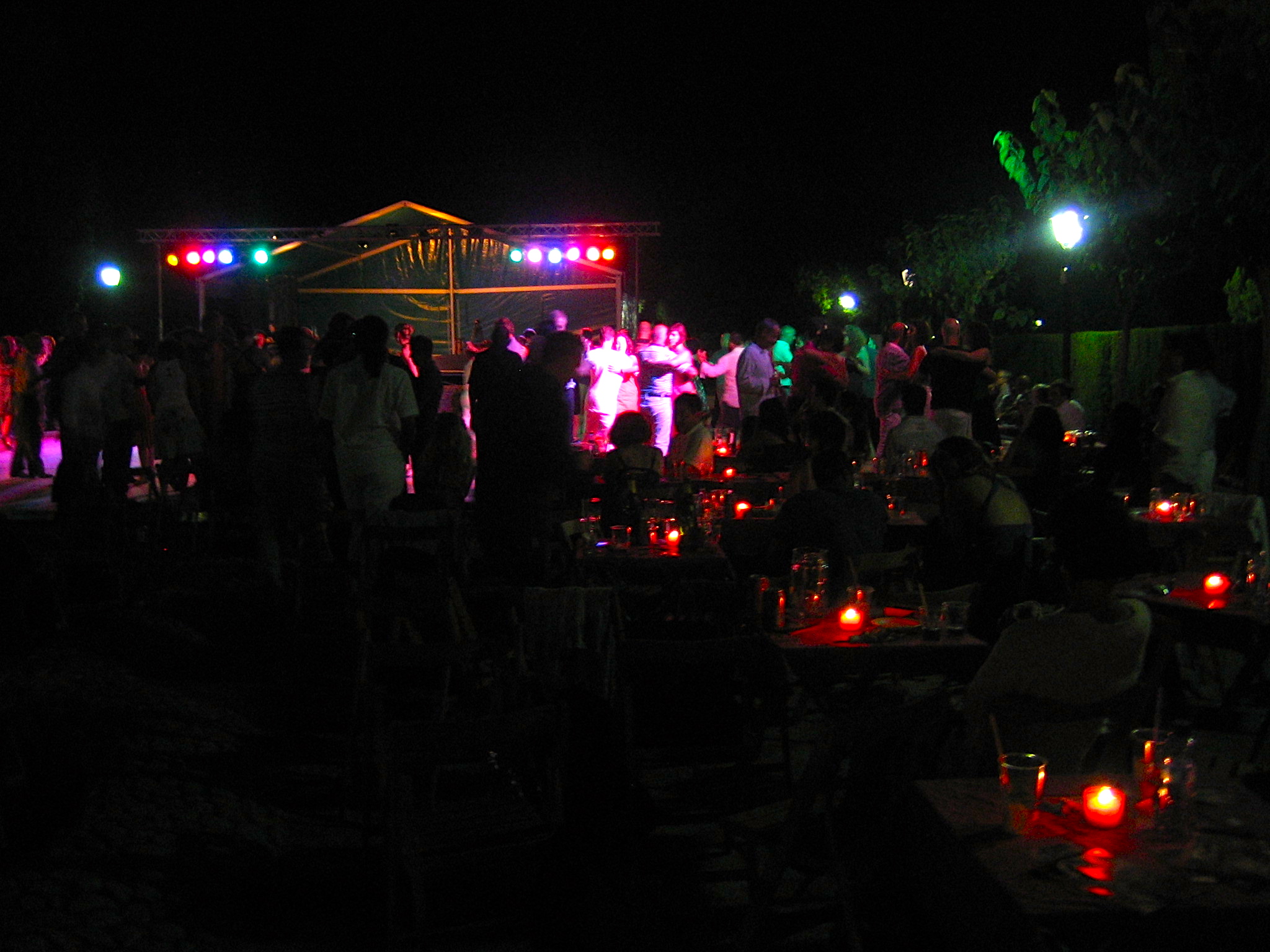
Sitges evening milonga

The Sitges Tango Festival had world-class teachers: Miguel Angel Zotto, Sebastian Arce & Mariana Montes, Rubén & Sabrina Véliz, Sebastián Jiménez & María Inés Bogado  (winners of the 2010 Mundial de Tango in Tango Salón), Marcelo Ramer & Selva Mastroti, and Marcela Troncoso. All Argentines, all professional tango dancers and teachers. Miguel Angel Zotto was flying solo — he had a lovely assistant who was filling in for his wife, who had just given birth to twins! Way to go, Miguel! Nice guy, by the way, totally unpretentious, the way I like my tango teachers. <www.festivaltangositges.com>

Ensemble Hyperión under cover at the Jardines de Terramar

Classes were held every afternoon (no morning classes, thank you! you gotta sleep sometime!) at three locations, organized by the customary levels of beg-int-adv. (Or is that beg-int-tango teacher? ja ja) I took one class per day… my usual limit. Ben took lots… the Energizer Bunny. I took a DJ class with Gabriel Sodini, also Argentine. More of a chamuyo, really, a question & answer session, but informative. Gabriel is buddies with our old friend Gato Valdéz, who DJ’d the all-nighters on the beach, starting at 2 am, after the official milonga ended. What a fun time we had!!

the gala Saturday night milonga & show… fabulous!

I highly recommend this tango festival. Super location, super teachers, great shopping, cheap street food, tapas, fish… sun and sand… and reasonably priced classes!
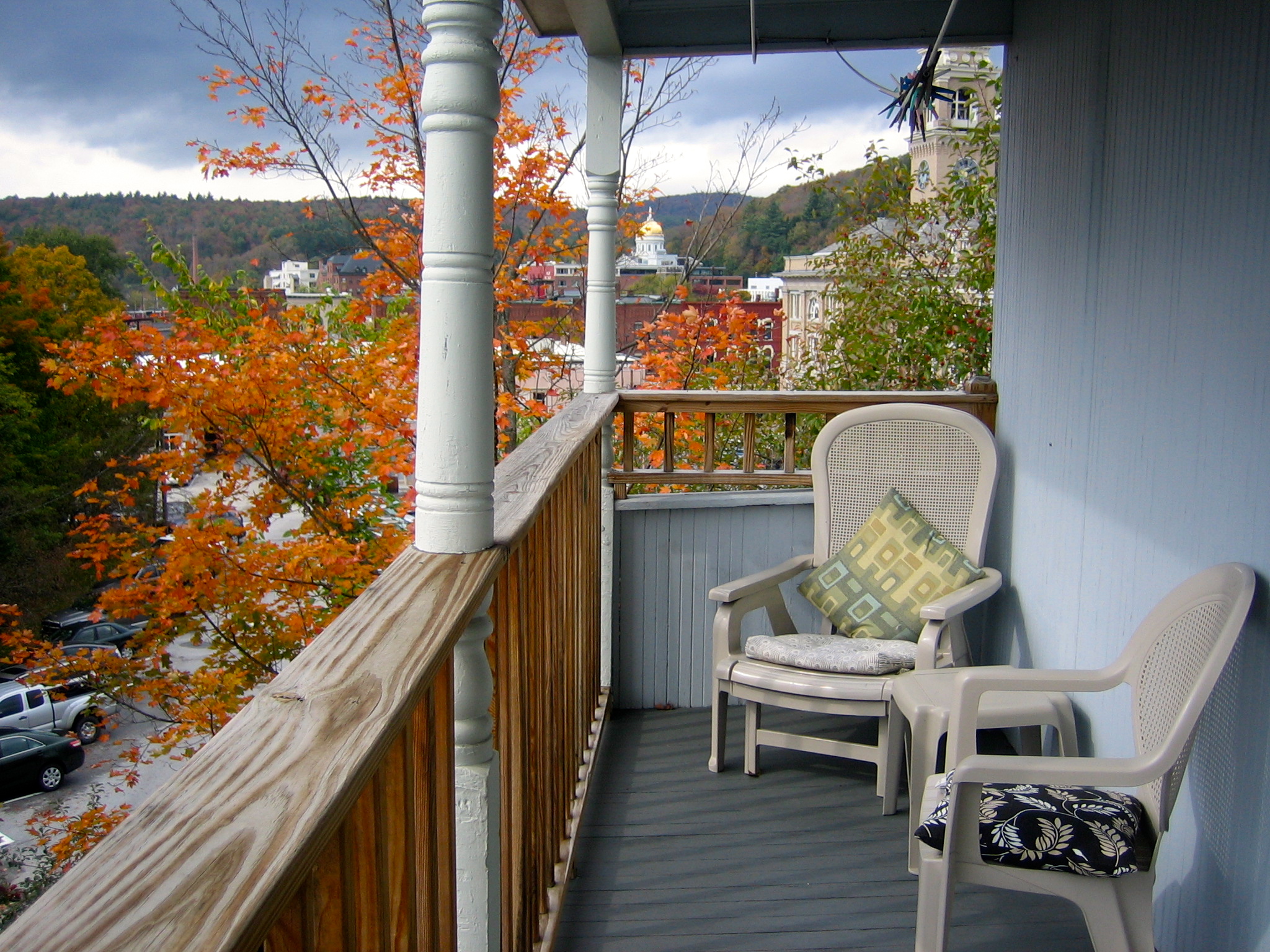
dinner on the beachfront

Life is Good.

Ciao from Sitges!
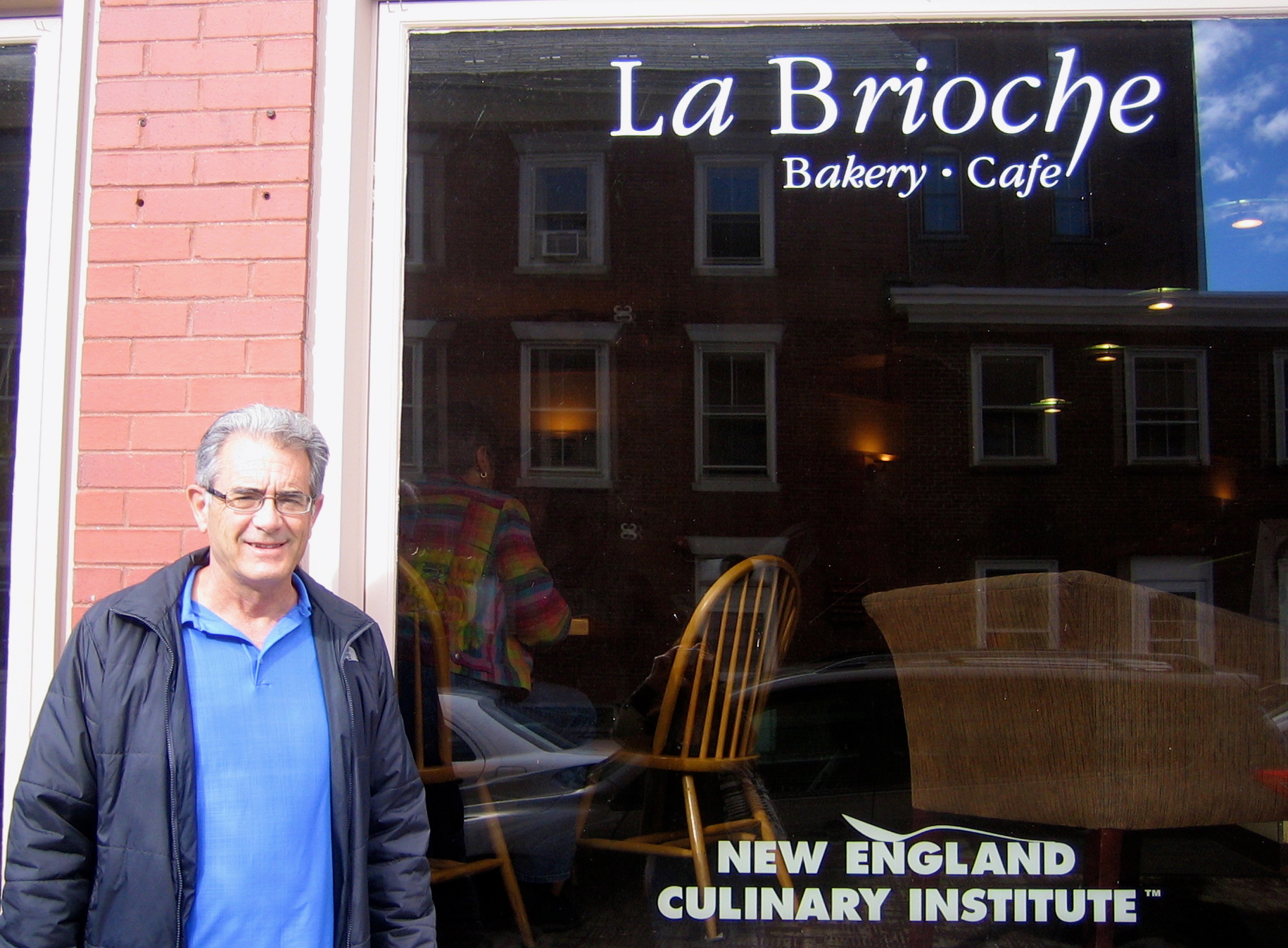
Paris Retrospective

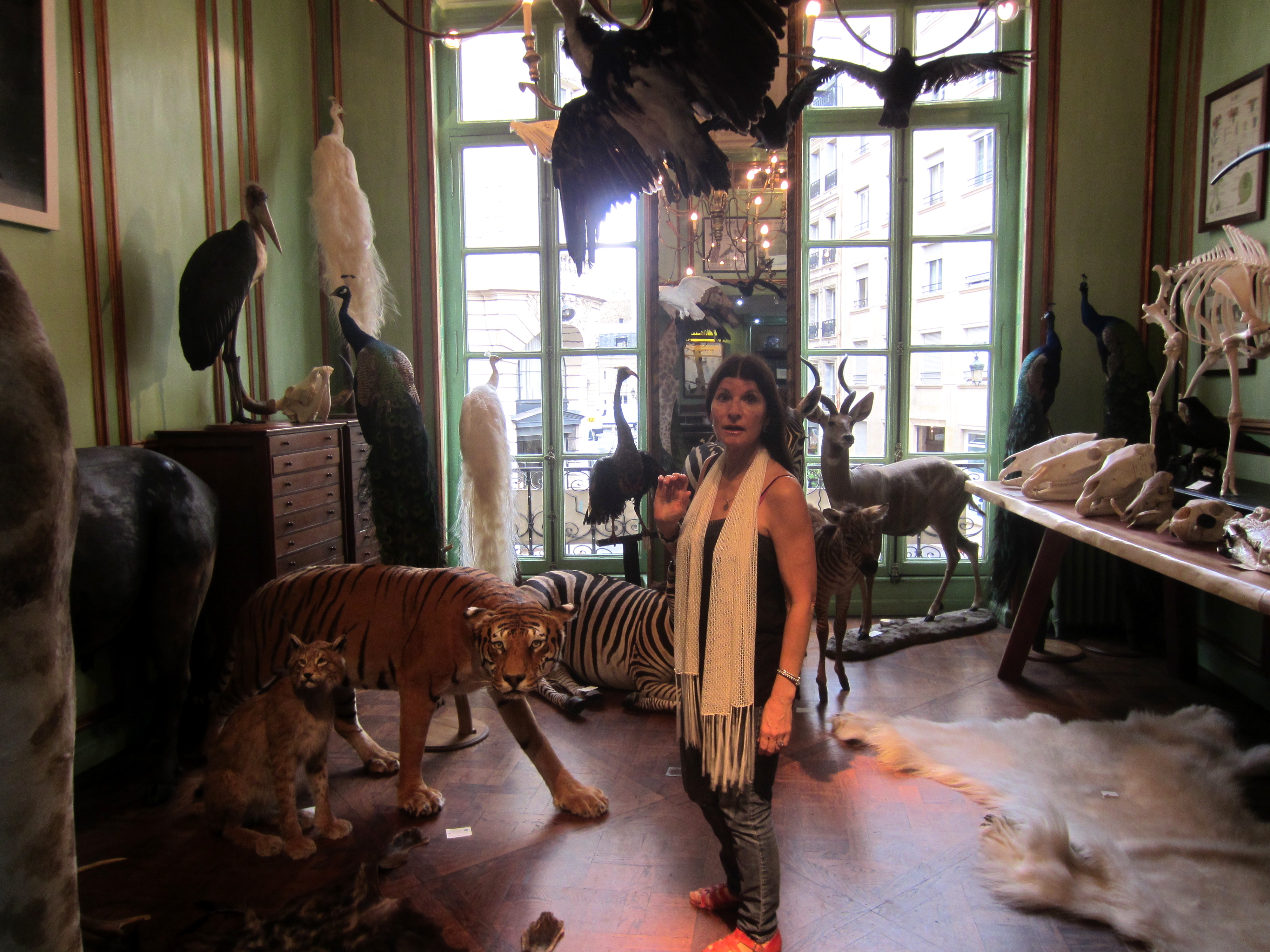
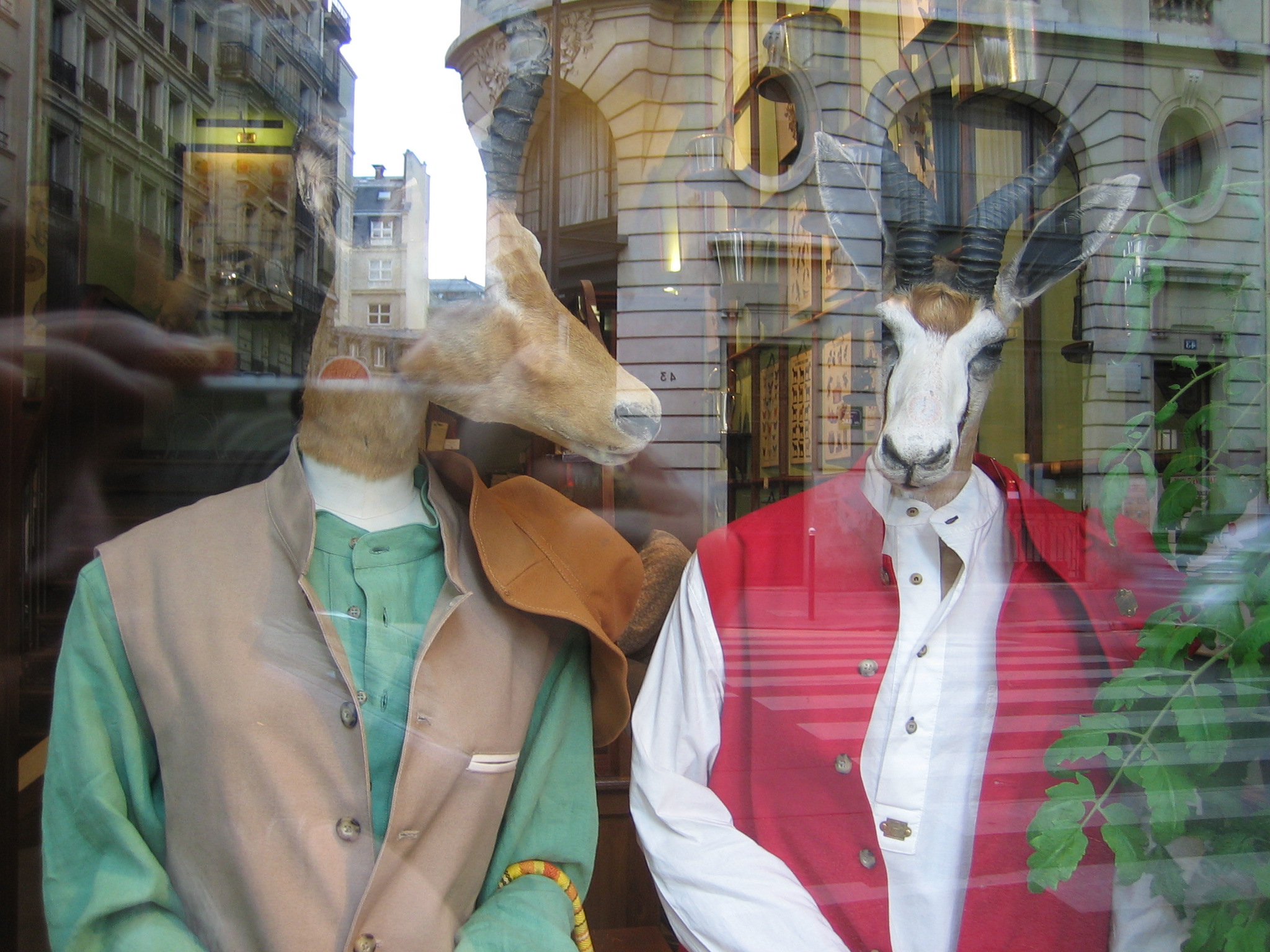
shock and awe at Deyrolles

One night I dreamt I was still in Paris, at Deyrolles. A fabulous scene was filmed here, in Woody Allen’s Midnight in Paris. In the dream, Ben and I spent a couple of hours just prowling around upstairs, and more than a few critters seemed to come to life before my eyes!
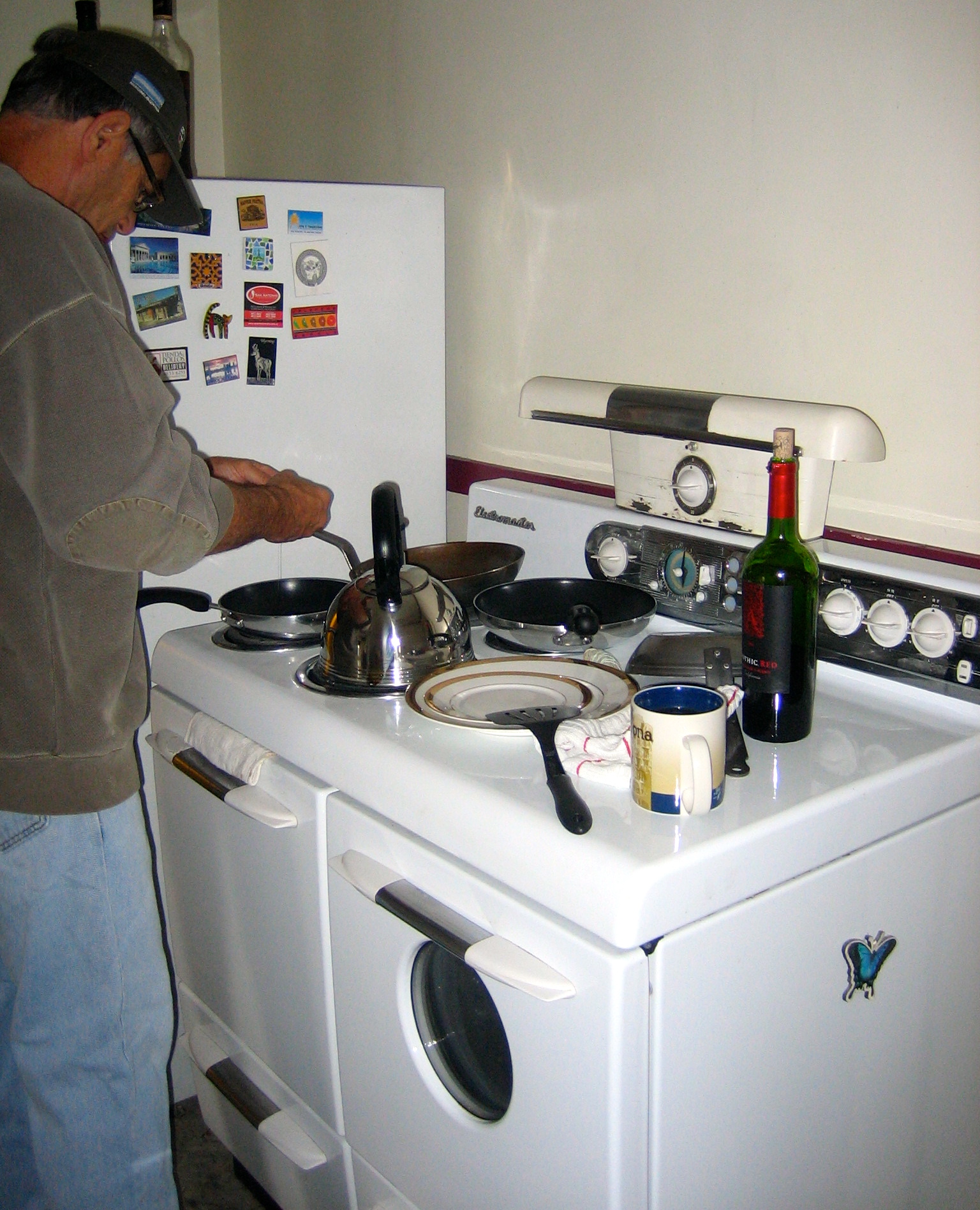
how do you think we look, dear? deer? aunty antelope?

I felt like I’d taken a step back in time. Perhaps a time warp of the imagination? Deyrolles still sells dessicated butterflies (dead, but still pretty), stuffed birds, and so on and so forth…. the price tag increases exponentially with the size of the dead critter, especially when the number of legs goes from 2 to 4 (with the exception of their insect collection, of course).

Oops! just noticed the grizzly?

Paris reverberates with music and musicians… every summer they have la Fête du la Musique, a big music festival, with free music all over the city, from small neighborhood cafés and clubs to giant concert halls and expo centers. We stumbled on this antique instrument shop one day as we were strolling around aimlessly… one of the best ways to see Paris.

old musical instruments for sale

are those lyres beside the harps?

Walking around Paris you find stuff you never dreamed of… like the best chocolatiers in the world.

Cocteau: avant-garde eggs

Unfortunately the average tourist who “does” Paris in a 3-day hypertour only gets off the double decker tour bus to file into the Louvre to see la Gioconda, and is too exhausted at the end of the day to relax and mingle with locals. Here are a few pix (hard to choose!) of some splendid creations:

Apricot pistachio tart…. yum

the essential baguette, fit for palace or attic alike

Ben, the aspiring baker, comments that the ONLY reason bakeries open (for a few hours) on Sundays is because people have to have fresh baguettes every day!

Salvador Dalí, well-known Spanish baguette lover and surrealist, did a fine series of illustrations for Alice in Wonderland, Lewis Carroll’s fantastical story about a girl who wandered into a stranger than strange land. We saw the exhibit at the Espace Dalí  in Montmarte. Dalí’s ink drawings are amazingly delicate: such loving, precise and precious details… perhaps intended for a particular child, as was the book. Of course, Alice in Wonderland IS a children’s book… for the imaginative child in all of us.

white rabbit

Dalí knew that even Angels need a little extra support sometimes.

even Angels have rough days…

Salvador Dalí circa 1940

And since this is a retrospective with some of my favorite Paris photos, here’s Adam giving God a drag in Montmartre:

maybe this explains why so many Parisians smoke

Angels on both sides of the Atlantic

The above angel is from Recoleta, in Buenos Aires. Our own Mackinze is perhaps a less worldly Angel, but she sparkles even brighter than the crystal chandeliers of Versailles!
“she doth teach the torches to burn bright!” (Will Shakespeare)

Speaking of worldly, unworldly, otherworldly… (am I missing anything here?) in Paris I noticed that, despite the monstrosities you see in Vogue or on the fashion page, what women REALLY wear is what you see in the shop windows on the Champs Elysées.

I’d wear it too if I had the bucks!!

But la femme does not live by frock alone; we must accessorize!

Spanish fans are wearable Art. Vale?

This amazing fan shop is right across from the Museo de la Historia de Barcelona, Plaça del Rey. (Please excuse the Barcelona photos, I couldn’t resist!) Needless to say, I bought several, even some teeny tiny ones!
this is only one wall…

One cannot recall Paris, retrospectively or otherwise, without seeing the Louvre again. It’s huge, stunning, imposing… even intimidating. Imagine being a peasant from the 18th century, seeing the city for the first time! A LIFE-CHANGING EVENT!! Even if you’re a 21st century worker-drone!
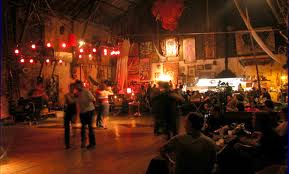
the Louvre from across the Seine

nice front door… yeah

my favorite street artist, Miss.Tic

My favorite Starbucks, so Parisian!

on the Champs Elysées

How about my favorite guy in the universe?

traveling tanguero, takin’ it to the water

Here he is at Sunderland Club.

who’s the babe?

COMING SOON: my long-awaited post on the Sitges Tango Festival!

Ciao from North America!

Medieval field trip: Luxembourg, Gargoyles and Provins

Luxembourg Castle

One fine day we left Paris for a weekend drive to Luxembourg. The french countryside is so very beautiful, so very lush this summer, on account of all the rain. Abundant greenness everywhere, though not as wild and untamed as the more remote places back home in California.

old path and steps in the river bottom, near the castle moat

The french are so neat and tidy, so meticulous! I thought only the germanic tribes were like that! We took back roads and drove through village after village, each one so perfectly cared for, so historic. Here you can see the juxtaposition of three eras: medieval, eighteenth century and twentieth.

which era would YOU choose to live in?

Downtown Luxembourg was bustling; people were eating, drinking, shopping, listening to music. A street fair was bubbling over one of the plazas, with entertainment and a huge yard sale.

kinda like Farmer’s Market in SLO

Every building is historic and well-tended. There must be hordes of worker-ants crawling around every day inside and out, keeping it all so perfect for us lucky tourists.

a quiet plaza in Luxembourg

Part of the old castle fits like a jigsaw puzzle into the natural rock formations carved out by the river a few eons ago.

some good hidey-holes there

this gorgeous building caught my eye

I stole this photo of Luxembourg lit up at night:

looks prettier without the skyscrapers

We found more old rock walls on our way back to Paris. It was like the family field trip minus the kids; late afternoon and we were hungry. We took the turnoff  to Provins almost by accident: it looked big enough to have a restaurant that might still be open on a Sunday evening. As luck would have it, we drove into a medieval village le plus belle de tout. A middle-eastern café was still open and quite busy. While throwing down hummus, pita bread and baba ganoush, I couldn’t take my eyes off the church across the street, where a diverse clan of gargoyles guard ancient stone.

parts of it are more vintage than others

Eagle gargoyle

Big Bird gargoyle?

Old Woman Gargoyle with Message

Porky Pig?

I give up: dog-dragon-gargoyle?

I thought maybe some of them were griffins but Wikipedia says griffins have the body of a lion with an eagle head. Gargoyles, as you know, are there to protect churches from evil spirits and other wandering disembodied bad vibes.

a goat gargoyle

I thought THIS was a GRIFFIN. WHOA!! Please note!! CORRECTION!! Our good friend Adrian from San Luis Obispo, who happens to be British which of course makes him an expert on cathedral decor, writes:  “Incidentally, the creature you have at Font St. Michel is a wyvern, not a griffin, since it has the hind quarters of a serpent – preferably with a barbed tail.” Oh my gosh I had no idea!! Knowing this could come in real handy, especially if you time-travel to the middle ages, or have a nightmare where a wyvern is going to toast you if you don’t answer the riddle about how his tail came to be barbed.

detail of Font St. Michel, Paris, Latin Quarter

Wikipedia sure has some amazingly curious articles on a host of obscure topics! Our wyvern doesn’t have a dragon’s head, but a lion’s. In every other respect it is undoubtedly a wyvern. This oddity is “a frequent heraldic device on British coats of arms and flags… A golden wyvern is believed to have been the symbol of the ancient kingdom of Wessex.”

a golden wyvern

So why are griffins part lion and part eagle? “As the lion was traditionally considered the king of the beasts and the eagle was the king of the birds, the griffin was thought to be an especially powerful and majestic creature. Griffins are known for guarding treasures and priceless possessions.”  I think I want one!

Provins church: note the older portions mixed with more recent

The arched doorway of the church in Provins reminds me of Notre Dame de París, but with way less fuss: broad strokes as opposed to devilish details. Compare it with the doorway of this catedral in the Gothic Quarter of Barcelona:

Barrio Gótico

And for more comparison here’s the lady herself: Notre Dame de París:

Notre Dame is famous for her gargoyles and her hunchback, from the story by Victor Hugo

Once you see one gargoyle, you start seeing them everywhere! Here are some from that cathedral in Barcelona.

A few gargoyles to protect from Dark Side flybys

Little Provins turns out to be a big stop on the European Medieval circuit…. remember the Renaissance Faire? This is where it lives. Time stood still here in 1429, when Joan of Arc went to mass accompanied by Charles VII.

Wow! She is one of my favorite saints… that girl really rocked the boat — and paid the price. My favorite, unforgettable painting of her lives in NYC, at the Metropolitan Museum of Art.

St. Quiriace was built in 1160, partly destroyed by fire in 1662, and is pretty much out of service these days, you can’t even get a peek inside. But the vibes there are amazing; we loved it. Here is a statue of Joan of Arc in Paris, wearing solid gold armor. I can’t seem to find my photos of her; this is off the web:

correction: this one is MY photo of Joan of Arc!

St. Quiriace

Here I am at the doors:

yes, I go to church occasionally!

wabi-sabi detail

the watchtower next door

This is the old keep, or watchtower, sometimes called Caesar’s tower. We circled it.

Ben likes ancient rock walls too.

Provins is an amazing place, definitely the spot for all you history buffs. I couldn’t stop taking pix of the old houses, they are so beautiful!!

a busy corner in Provins

part of the old moat

How cool is that!!?!

a pretty country cottage

on the outside, a rustic cottage

On the inside… I’d be happy to decorate it for you!

the banker’s mansion?

City Hall or an official residence?

Provins is a living town, albeit a tourist town: how convenient. However it is located in the midst of some of the most beautiful countryside in the world! Its rolling green hills are like California’s wine country in spring. Just gorgeous. By the way, don’t get Provins, the town near Paris, mixed up with Provence, a wine-growing region in southern France, close to the Mediterranean coast: Marseilles, Aix-en-Provence, Cannes, Monaco. Not a bad spot to combine vacation and business: just ask James Bond!

Thanks to all of you for your emails, comments and likes. I really appreciate news from home. It helps me feel connected and not adrift somewhere in the universe…. sometimes I wake up and it takes a few moments to get oriented…. where the heck am I?

Next blog up: Tango Festival in Sitges, and fabulous Barcelona!

Au revoir, Paris!