Back on the radar

Greetings from Buenos Aires!

Springtime in the city could not be more beautiful than it is right now.
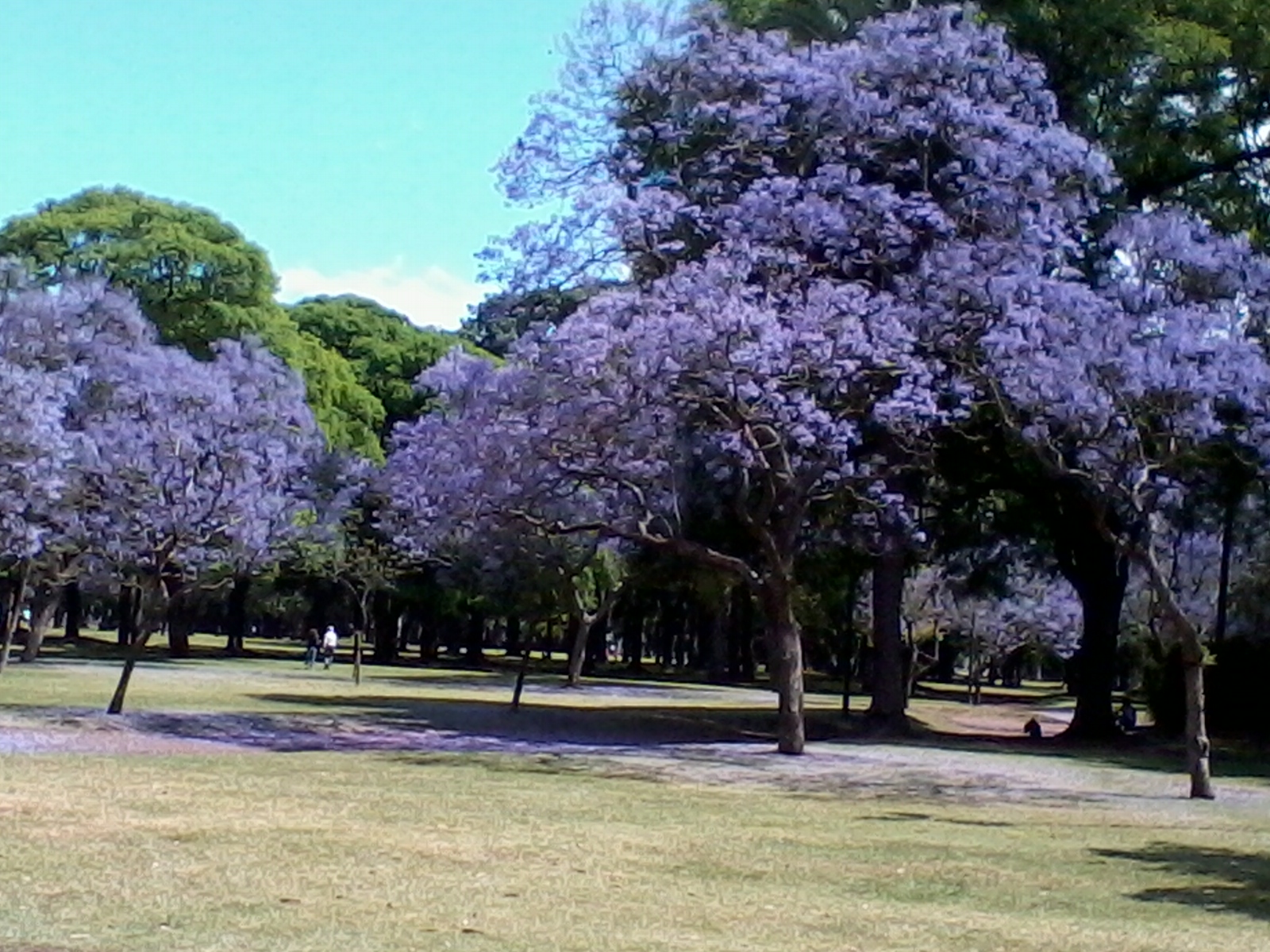
Jacarandas in the Palermo Bosques

The city is blooming, blossoming, growing and greening up everywhere.
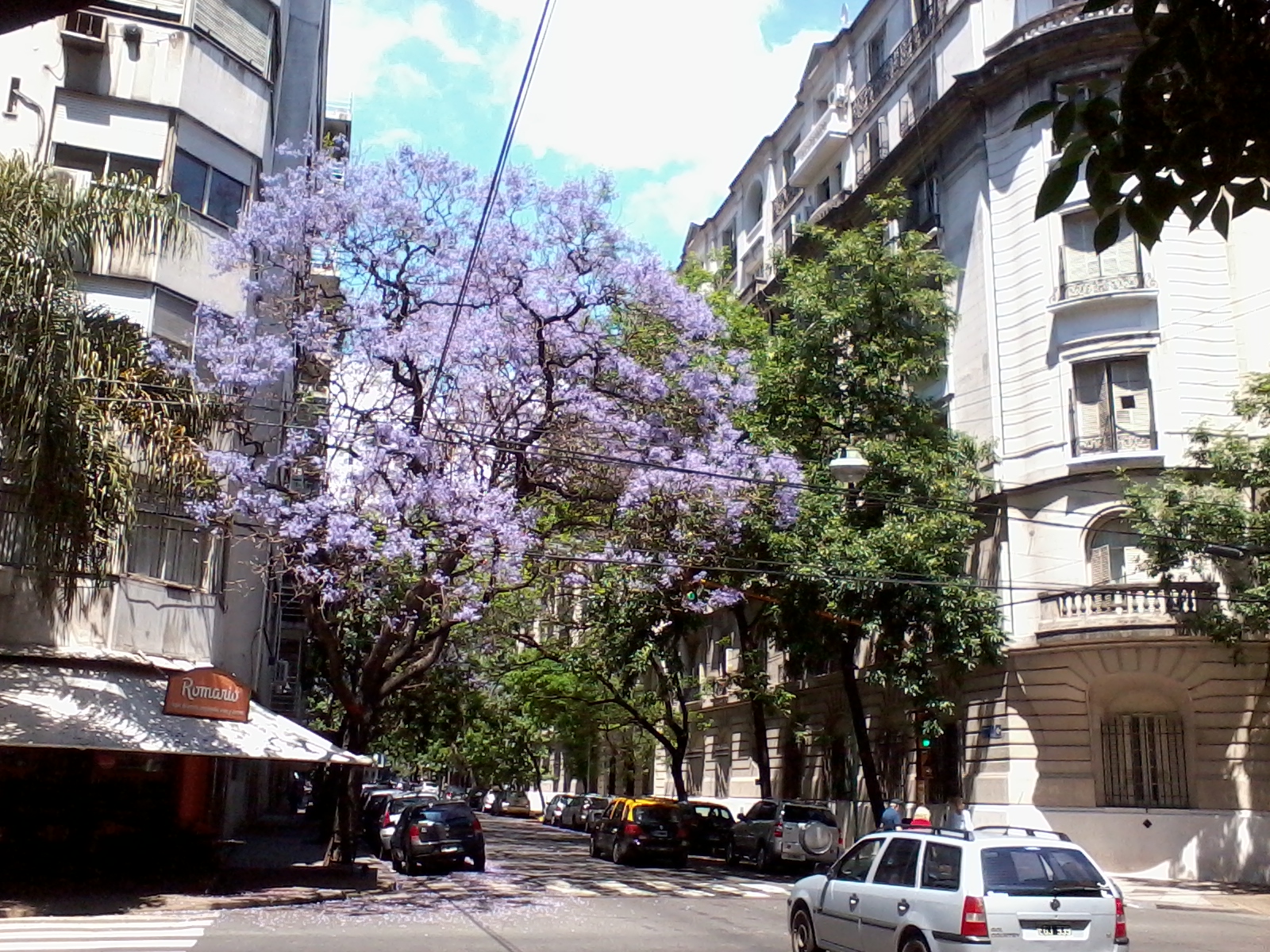
a favorite corner of our barrio
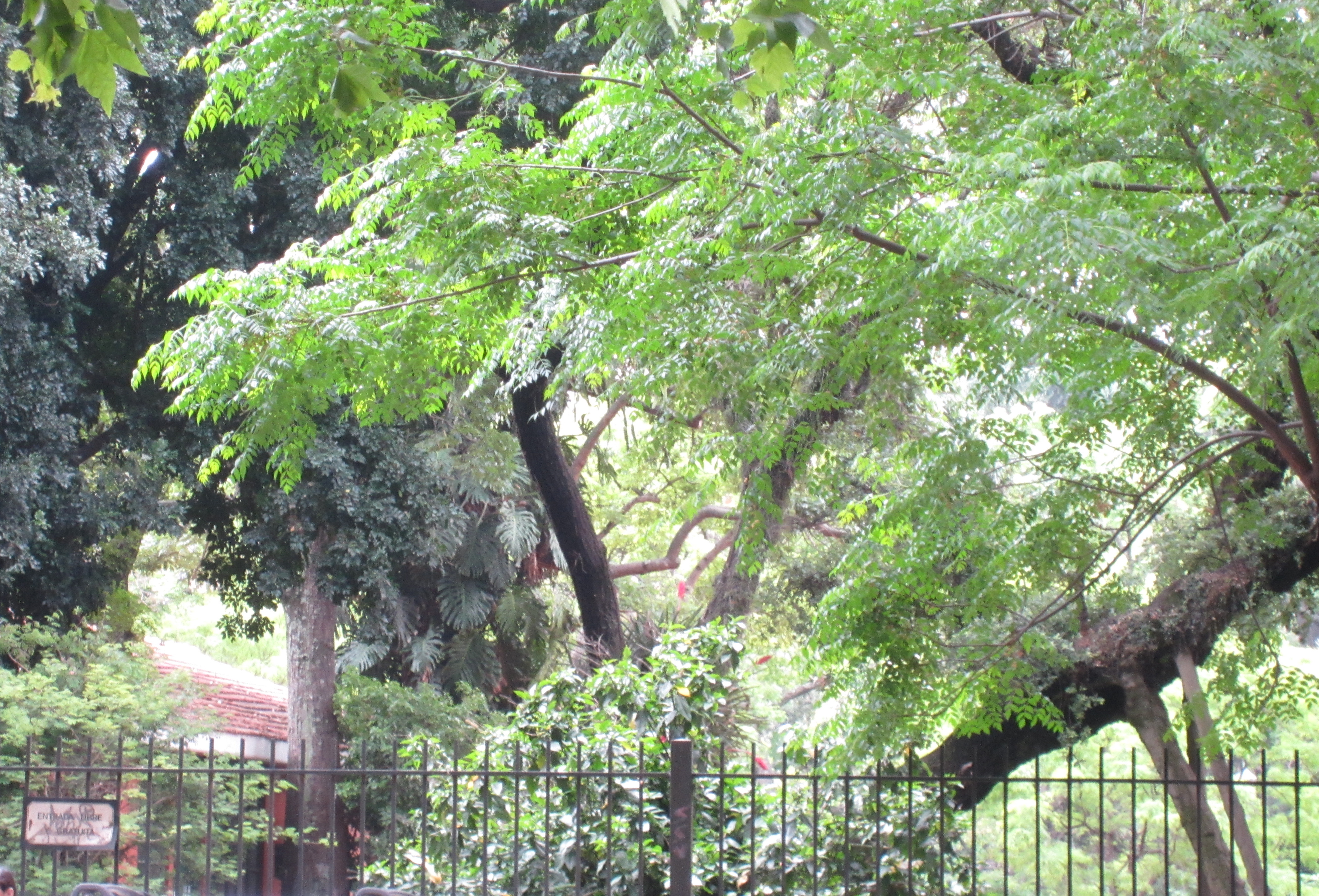
los Jardines Botánicos

People are outside en masse.  On the weekend bikini-clad girls catch rays on the “beach” grass at Parque Las Heras, which means the boys aren’t exactly in hiding, either.  Our neighborhood Latin lover in the cute French mansion across the street struck this pose one warm day: (click to enlarge!)
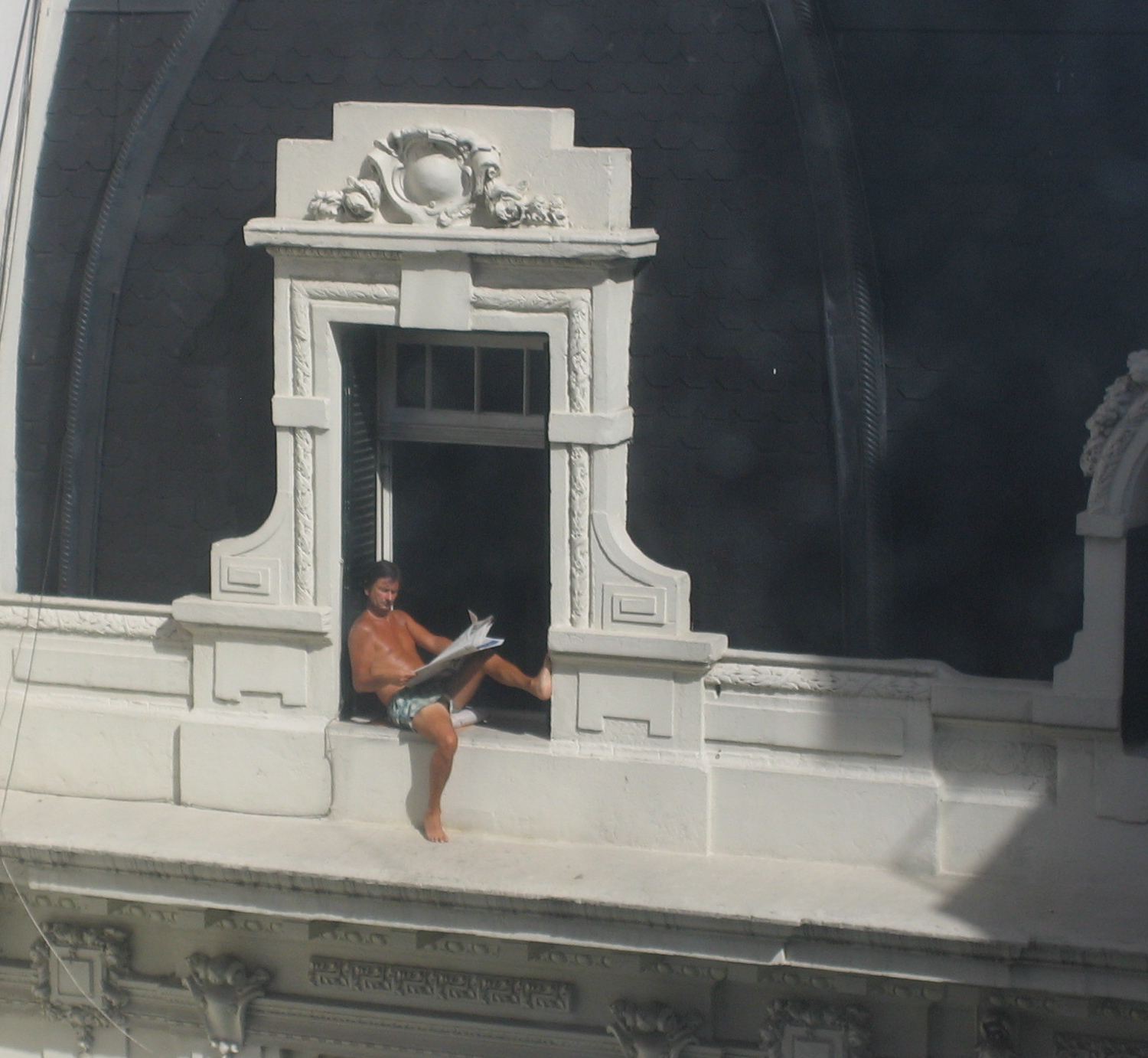
have a nice day!
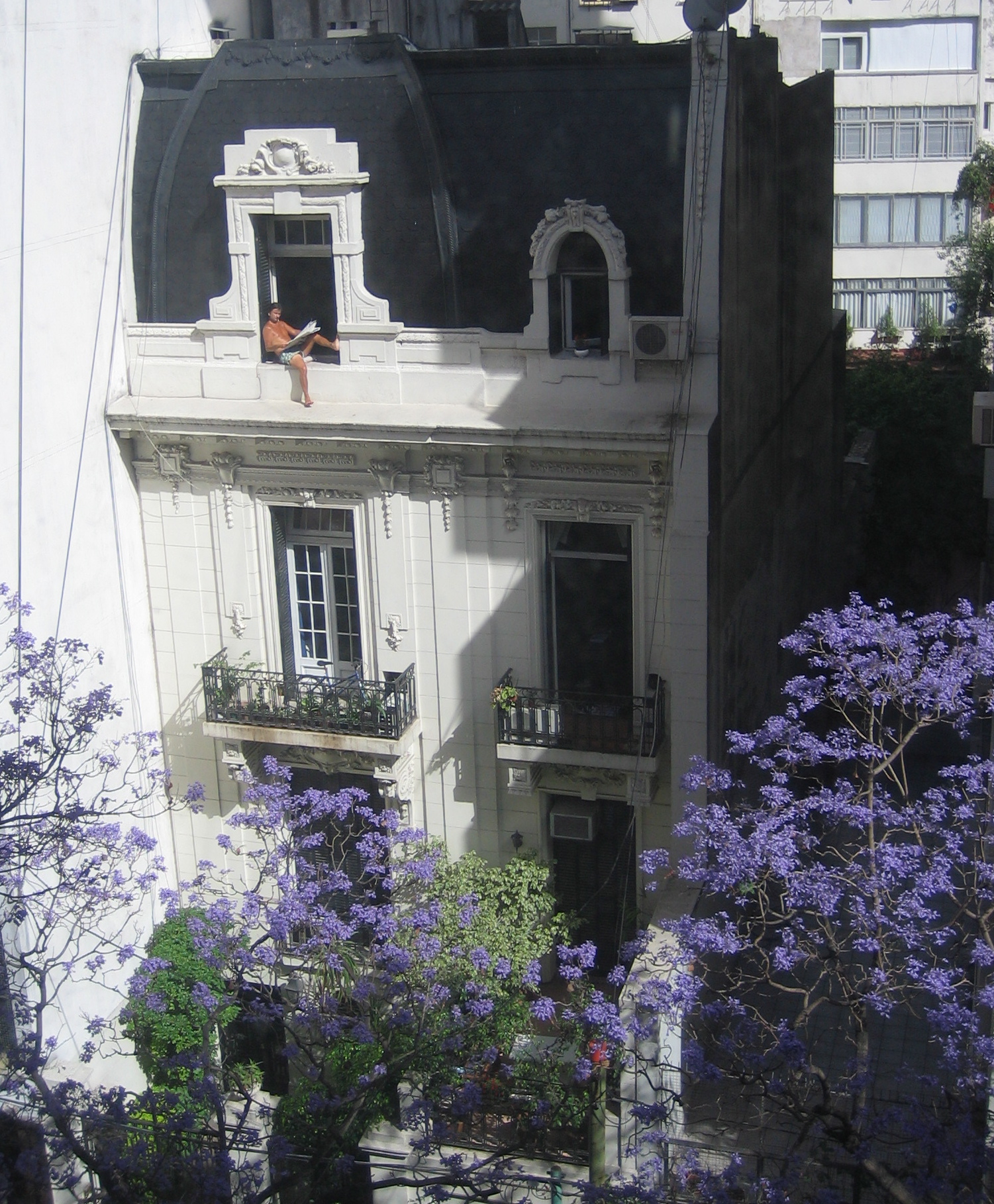
Do I have a view or what?

Meanwhile, the tango scene shifts from chilly to hot!!  and whether or not your favorite milonga has a substantial AC system becomes a major comfort factor.  Milongas with plenty of cool air:  Sin Rumbo, Sueño Porteño, la Catedral, La Milonguita, Porteño y Bailarín, El Beso, La Viruta, Niño Bien.

What a wild ride we’ve been on lately!  We dropped off the radar due to an unforeseen medical crisis.  My tango partner is much better now, and healing up from surgery.  In fact he’s watching his favorite tv show as I sit here and blog: the soccer channel.  The weather lately has been humid and warm, in the low 80s, with frequent warm tropical thunderstorms.  What delightful weather!   How spontaneously it transforms this great city!
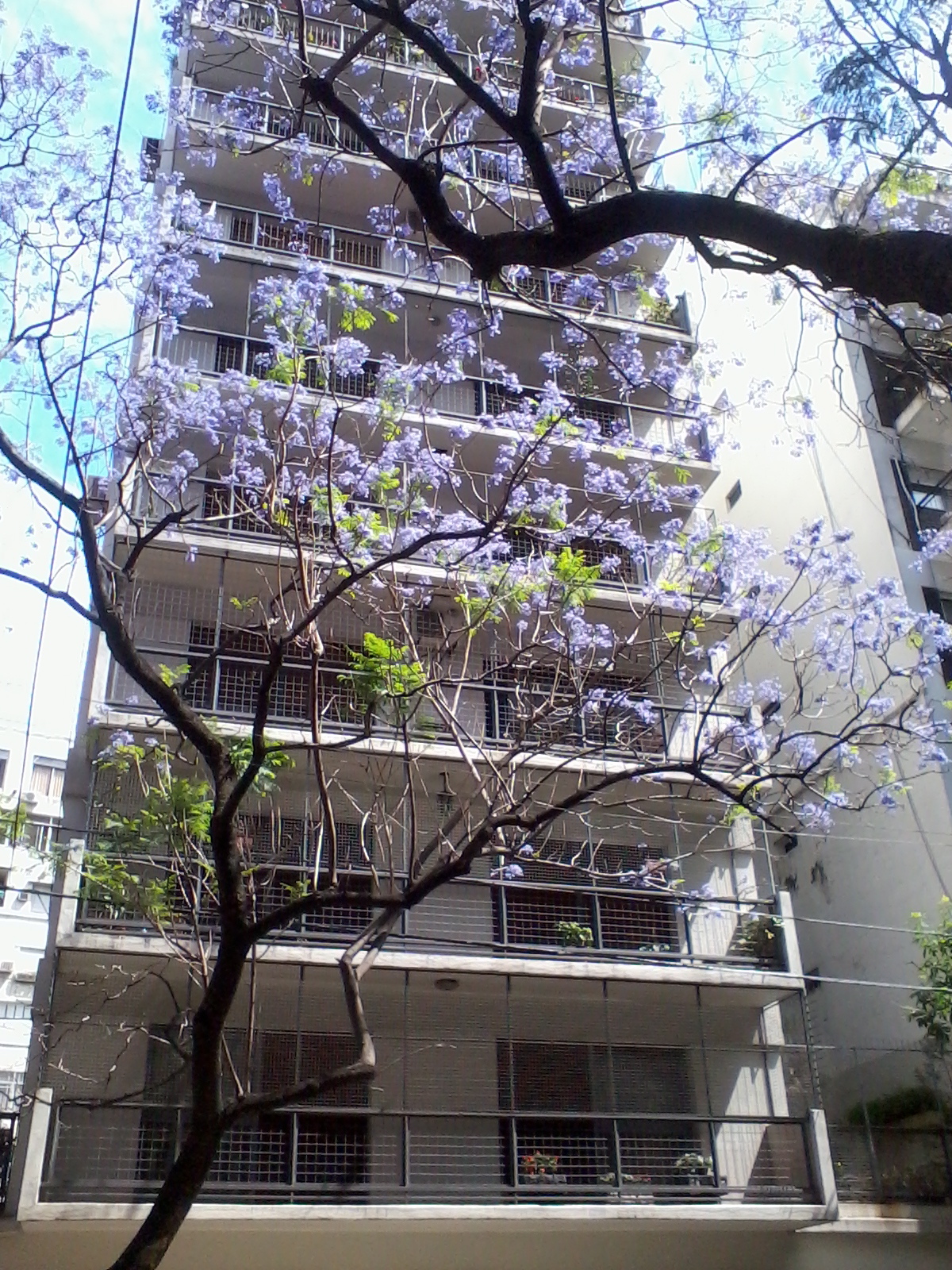
our street blossoms!

The nice weather is perfect for vintage vehicle viewing:
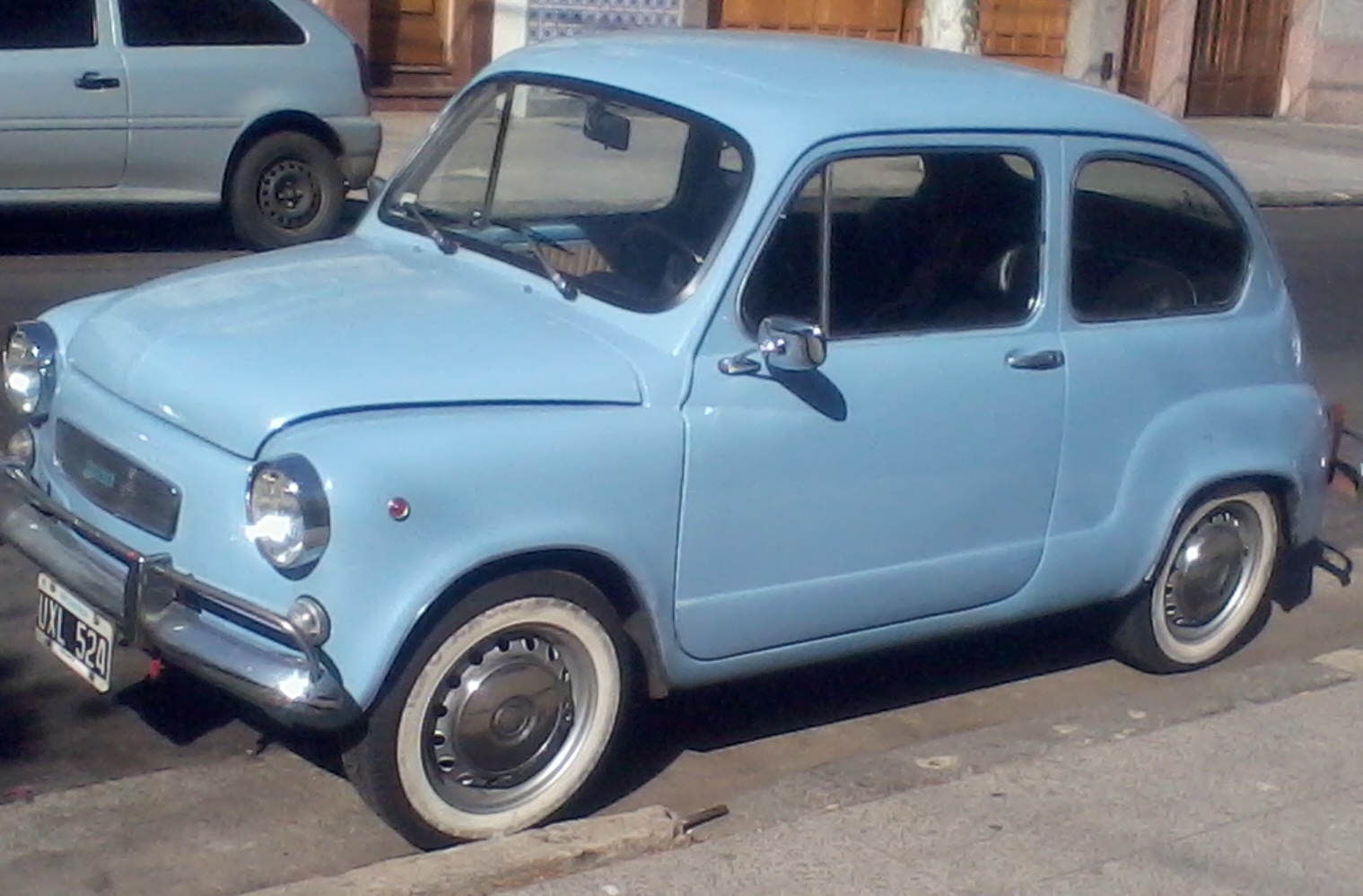
This clean baby blue Fiat is tinler than my Mini Cooper! My ex-mini, that is.  Don’t you hate it when your car makes it to almost 150,000 miles and then gives up the ghost?  Yes, it happened to me. So sad. But, what the heck, who needs a car here in this public transportation paradise?
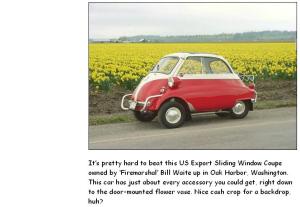
Red Isetta
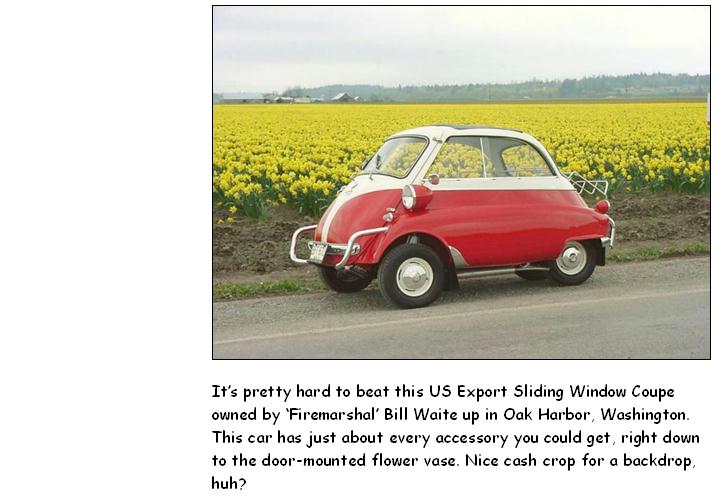
Anyhow, when I get back to the states I think I’ll look for an Isetta! If it breaks down I can probably hitch my horse up to that front bumper. And if the obsolete post-industrial technology of a 1-cylinder gas motor really pisses you off (you tree-hugger you!) how about a multi-tasking red trike?
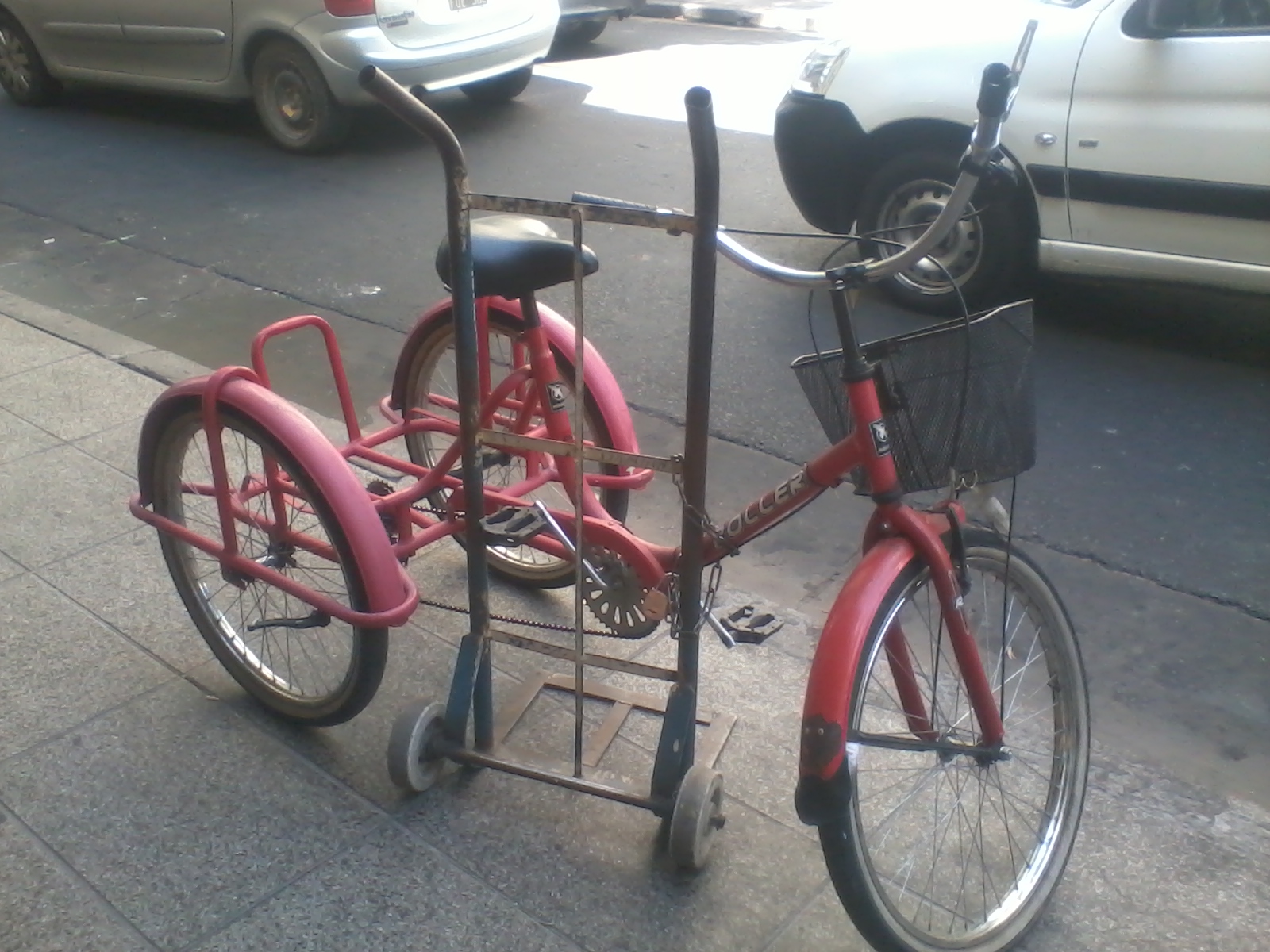
dolly parking?

Oops!  wait a sec….  I almost forgot to upload this one-of-a-kind Isetta RV:
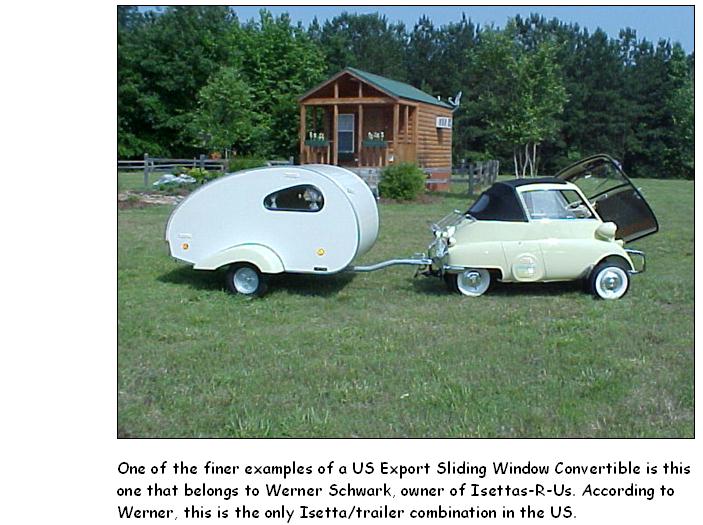
can we be camp hosts at Legoland?

Your house mouse could drive this!  Didn’t Stewart Little leave Central Park in one of these, on his first excursion?  His first brave blast-off into the unknown?

We have seen some great music lately, though we have not been dancing as much. A temporary setback, friends, not to worry!  Sometimes you just wake up one day and find yourself on a strange bunny trail. Or you were already on the journey without realizing it. Turning back is not an option, so you keep going, and if you find yourself at “the garden of forking paths” (great story by Argentine author Jorge Luis Borges), it’s a good sign, because you begin to see new options peeking through doors A, B & C, opening to adventures you’ve never even dreamed of!  All of a sudden you’re looking at the world through a remarkably different lens.  The universe has gifted you a re-positioning of your cosmic road map!

Here’s the happy guy, after the doctor told him he could leave the hospital the next morning:
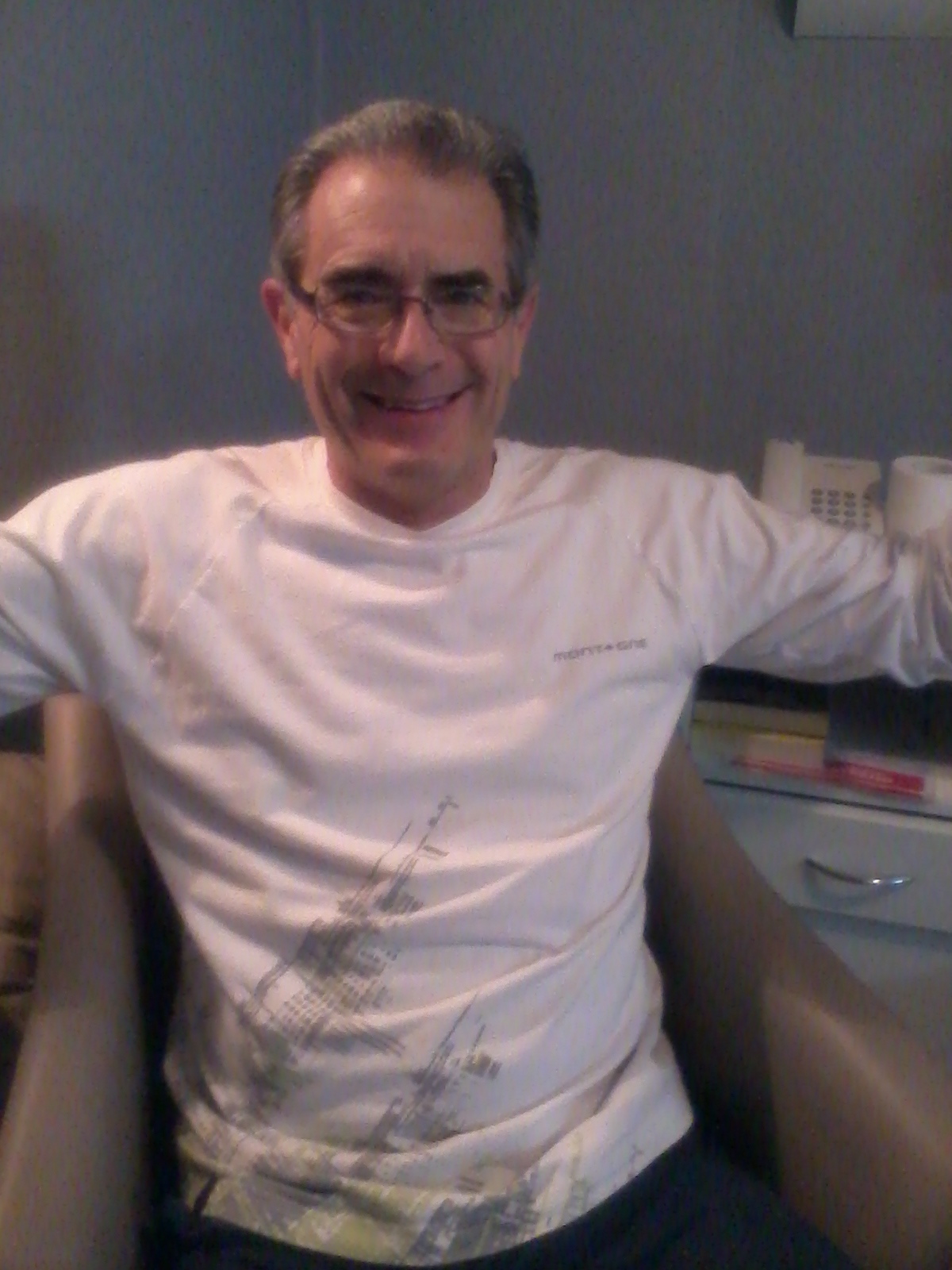
I'm outta here!

Ben wanted go dancing his first night out of the hospital.  How can you say no to a guy who just got out of lock-down?  We danced a little… and enjoyed just being together with no medical staff in sight.  Here he is in the doctor’s office, helping buy another Ferrari:
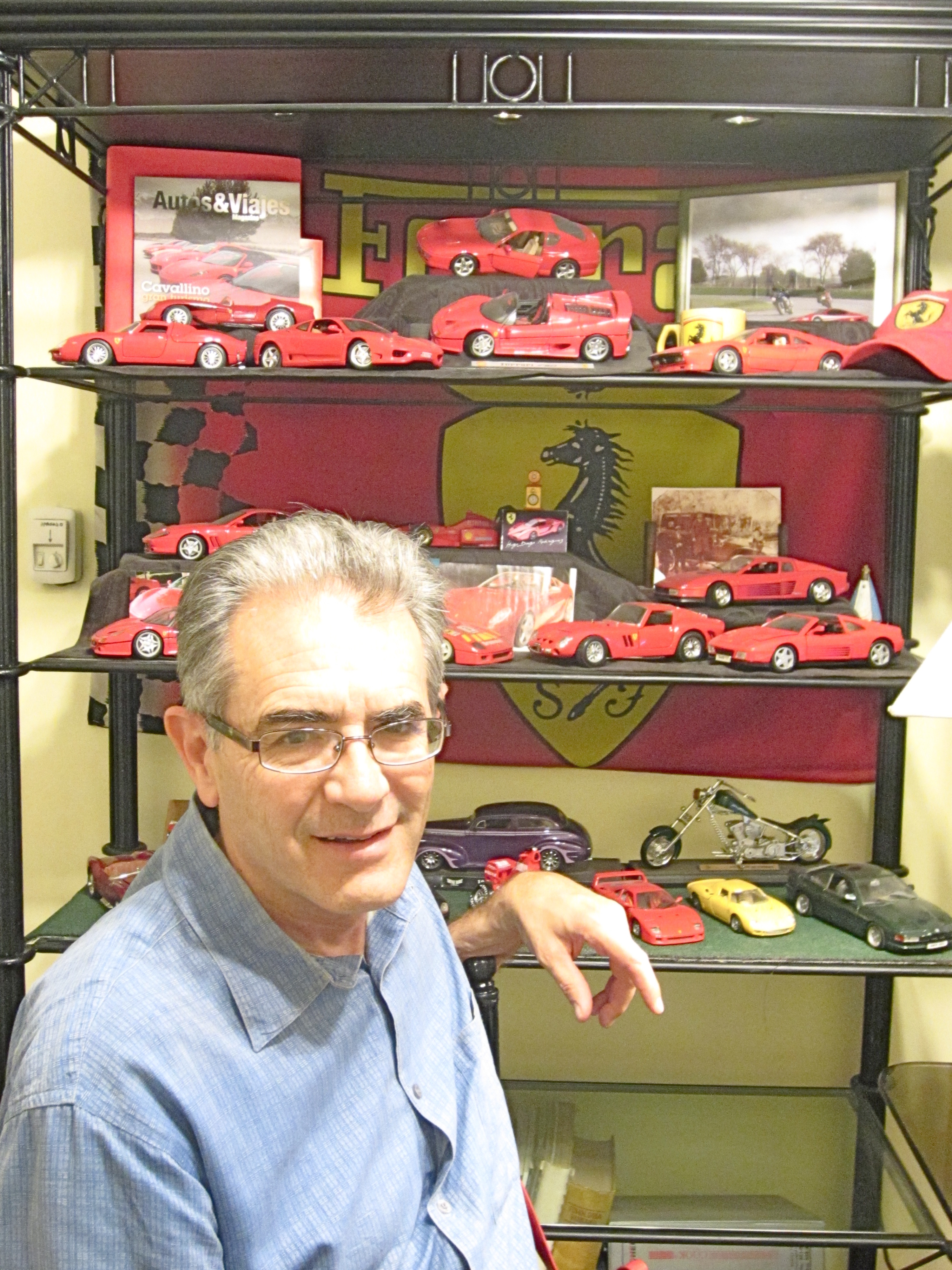
he loves Italian food, cars & women

The other night we saw Los Primos Gabino with Fado/Tango singer Karina Beorlegui at Catedral. Their music is an inspired mix of tango nuevo and fado. I don’t mean a melding of the genres; some of the songs were fado (no one danced to those, except for a beautiful demo), and some were tangos (people danced). We liked them very much. And Catedral? I love that milonga, not for its dance floor, which is hazardous, but for its essential wabi-sabi nature (I see the sabi, but where’s the wabi? says Ben). Very funky to say the least, but also glorious in that transcendent industrial-artsy-chic sort of way. I’ll try to get in there early one day and take some photos while there’s some natural light. The massive inflated red plastic beating heart the size of a volkswagen hanging from the rafters could be the photo of a lifetime. Looks like someone borrowed my old vacuum cleaner hose to make the arteries running in and out. I’m not kidding!

Another cool spot about town is La Esquina Aníbal Troilo. It’s a café-restaurant full of art and memorabilia of the famous bandoneon player. Troilo kind of turned into a toad when he grew up — an Argentine Diego Rivera, full of genius but not a looker!  — yet he recorded some of the best music of Tango’s golden age.  The café is downtown, on the corner of Paraná and Paraguay.  There’s a bust of Troilo across the street. Don’t go there for the food, but the coffee’s good and the decor is priceless.
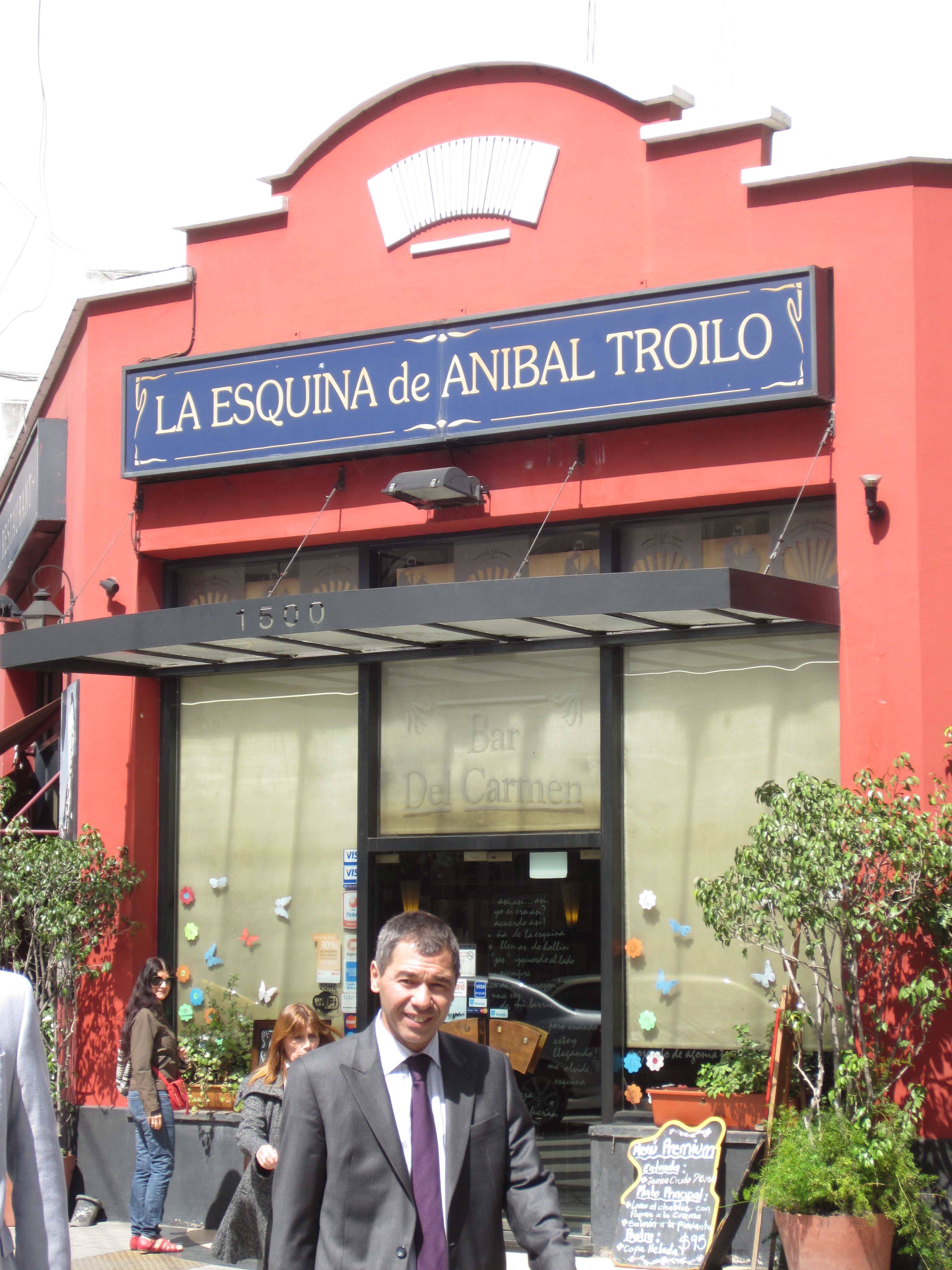
who is that guy?
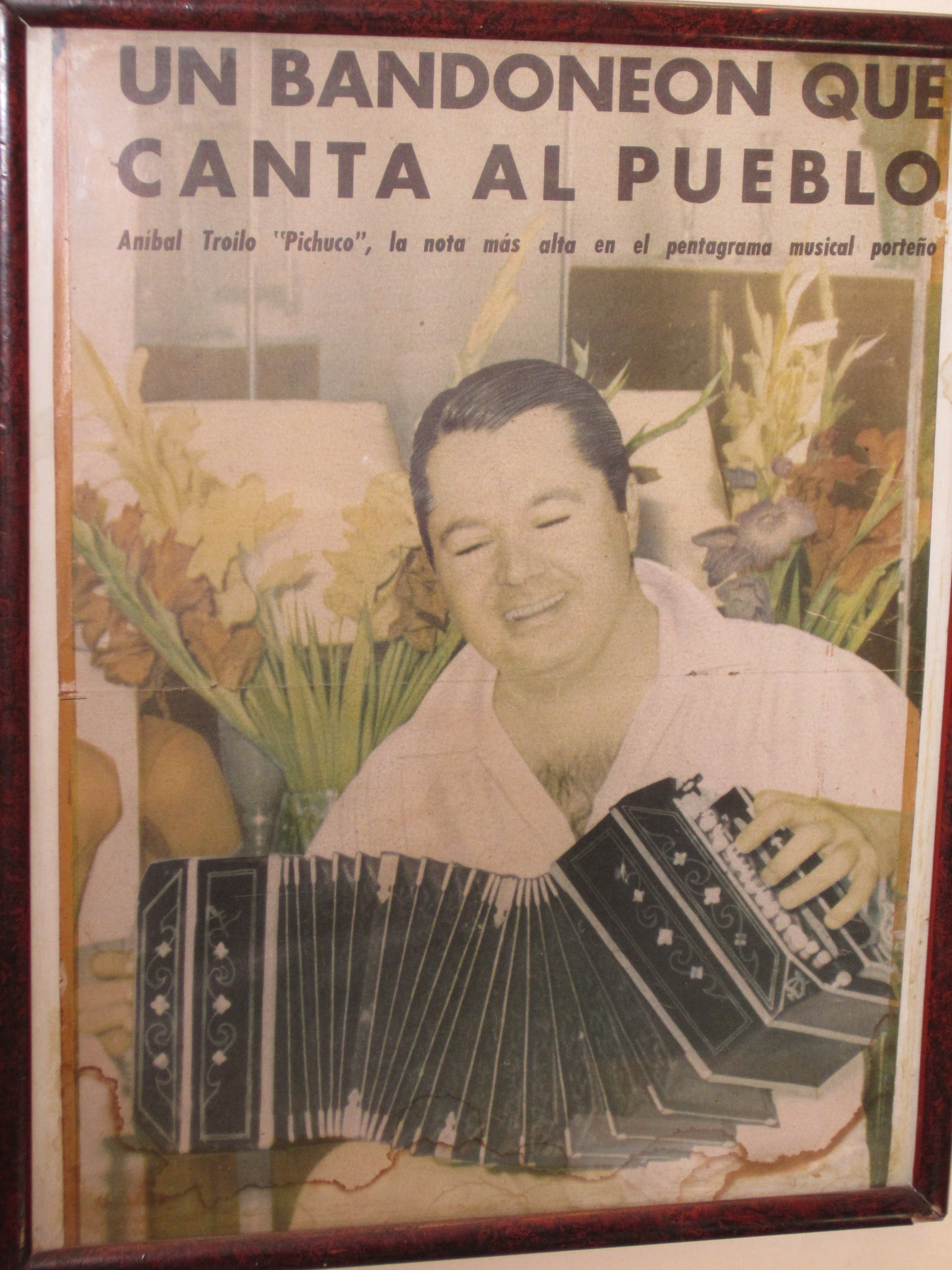
Troilo with bandoneon
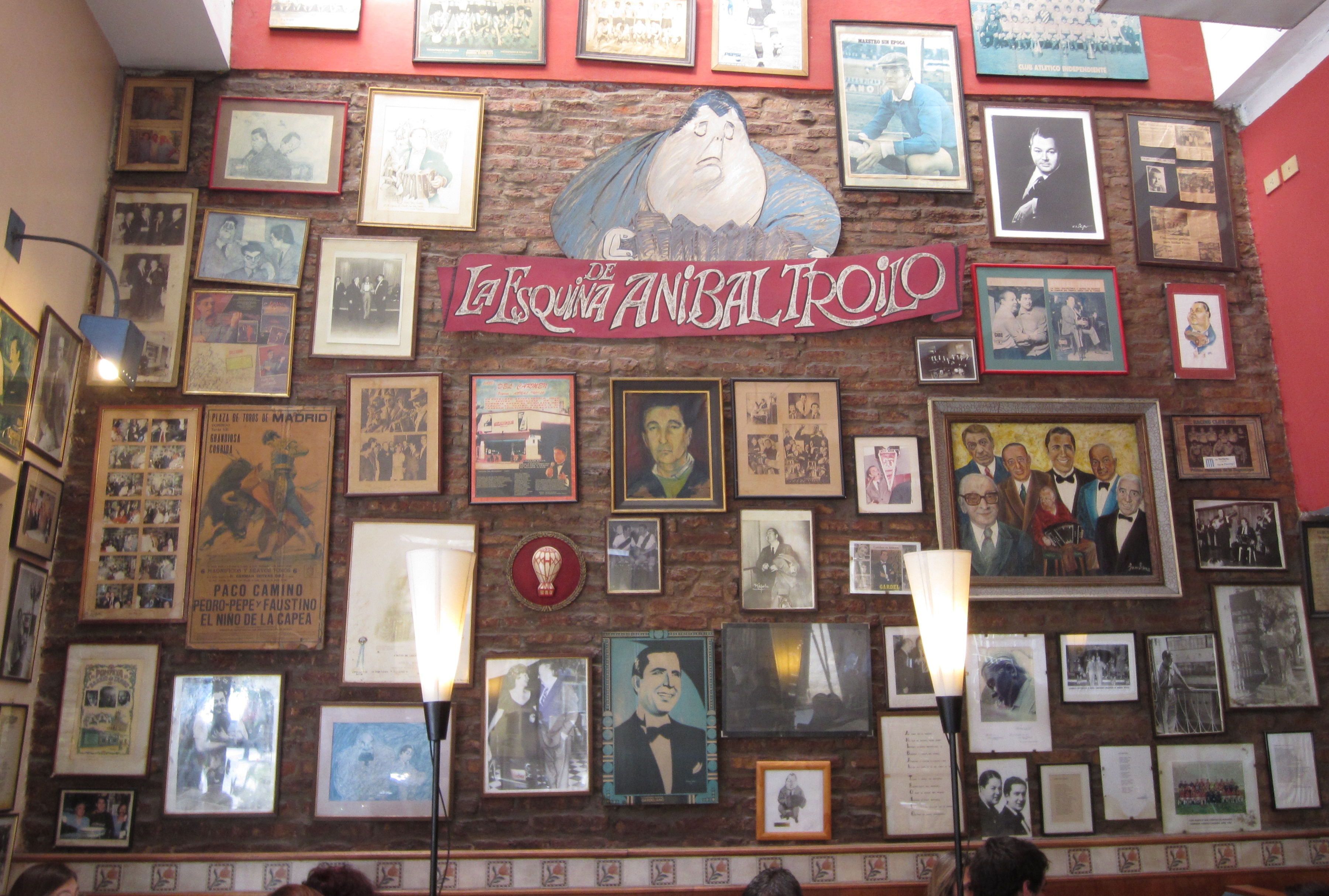
lotsa stuff on the walls
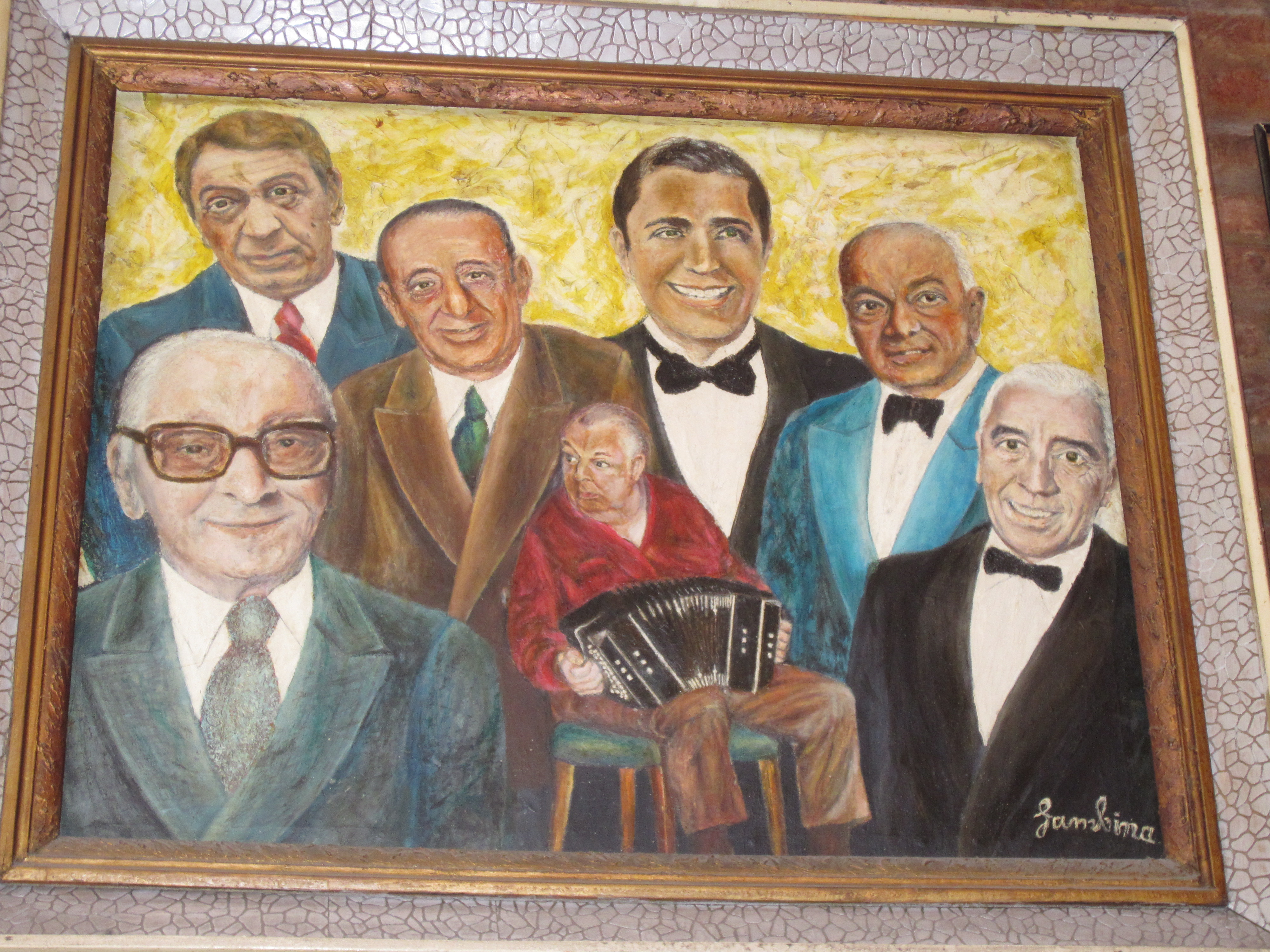
a few familiar faces?
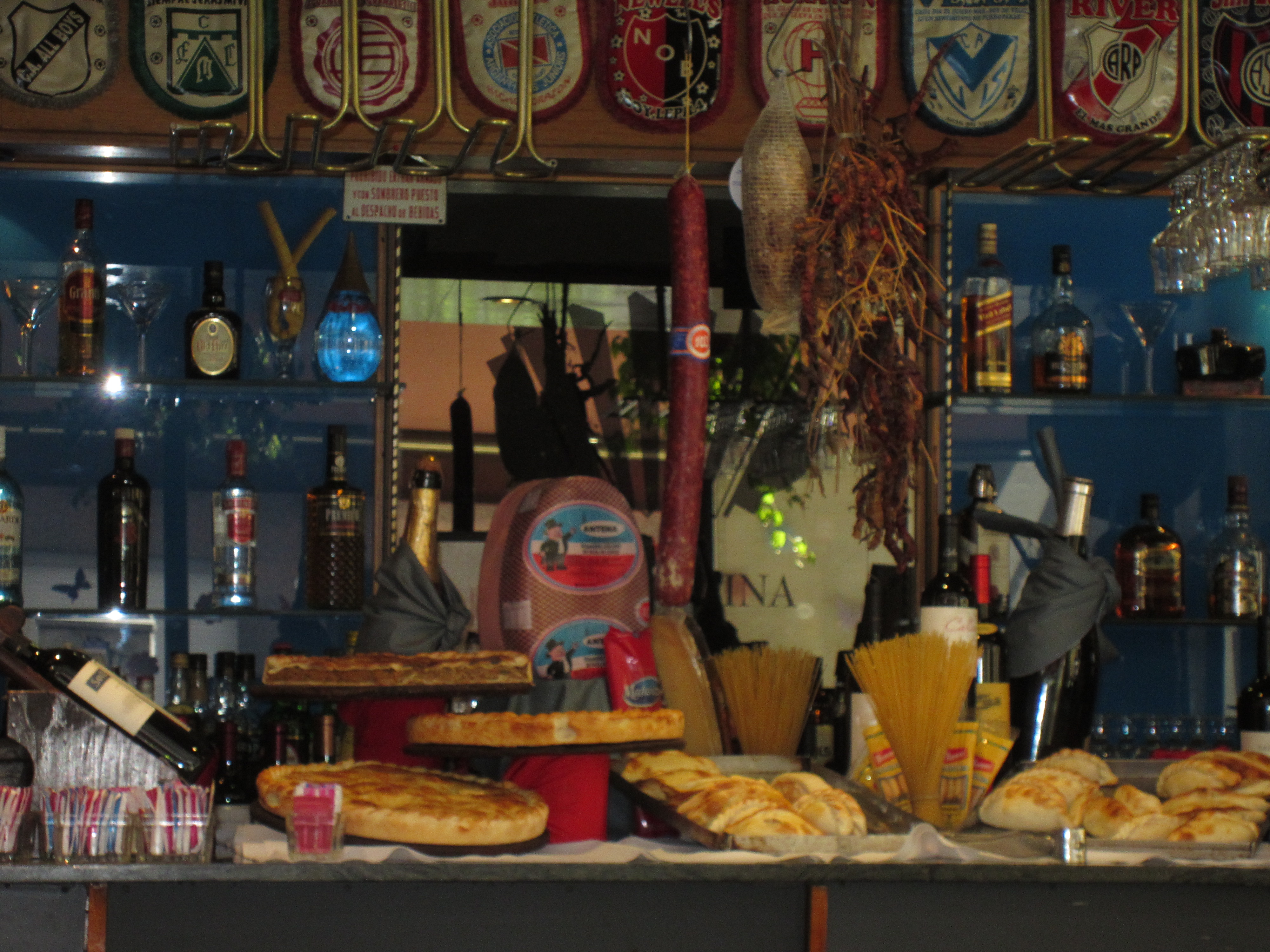
tortas y empanadas, vino y queso
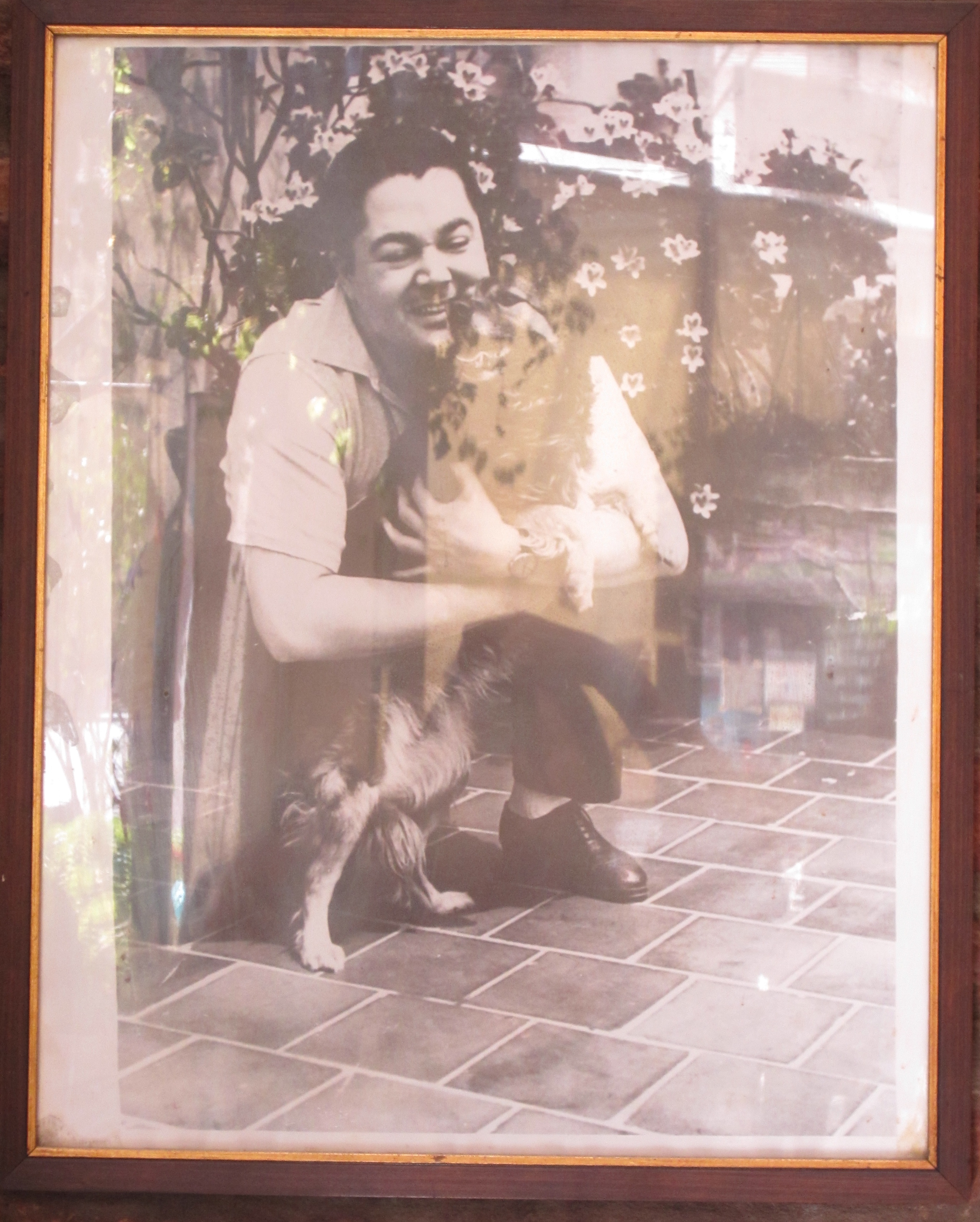
my favorite - Troilo with his dog!

Esquina Aníbal Troilo is a block from Corrientes, and only a couple of blocks from Zival’s on Callao and Corrientes: the holy shrine of Tango CDs!

On Halloween my dear friend Roxy arrived from California.  We sure had some catching up to do!
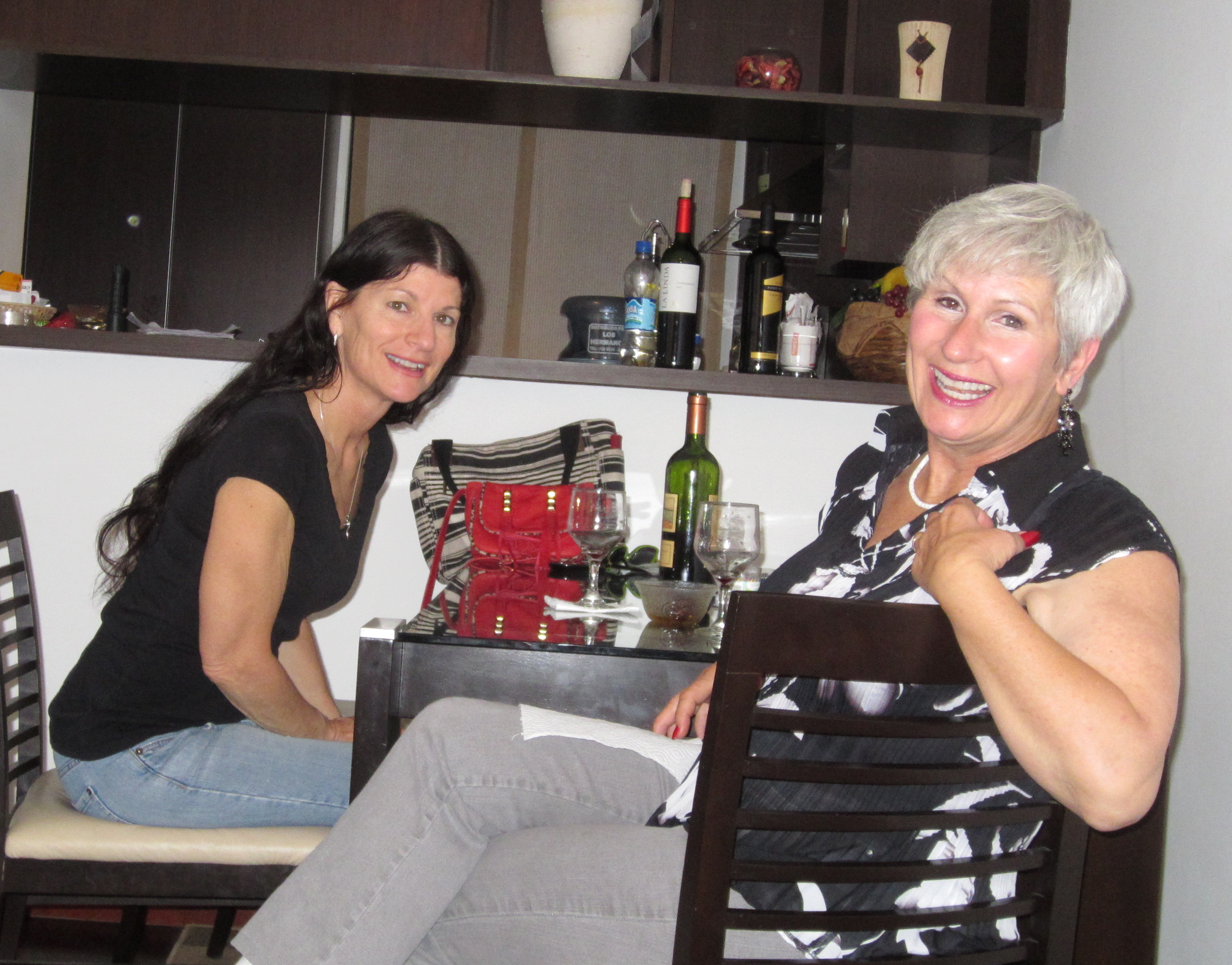
hanging out in the apartment

We explored tango shoe shops, focusing on those with working AC units:  NeoTango, Darcos, Flabella.  A week later another friend from California dropped in:  la divina tanguera  Lynne from Santa Cruz.
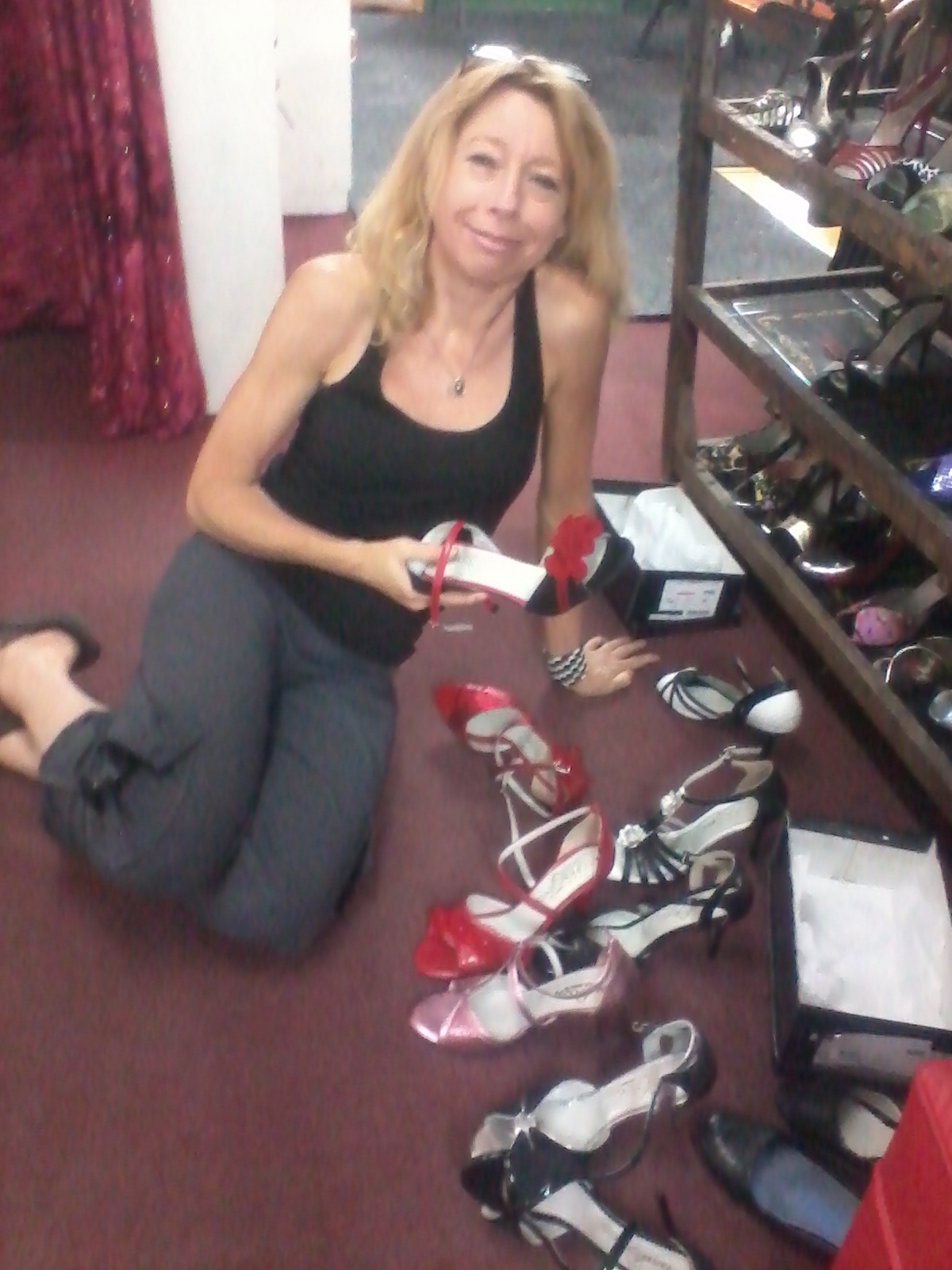
So little time, so many shoes....

And Roxy, aka 365 Days of Tango, a seriously addicted milonguera from Los Altos (hey!  that’s where I’m from!), at Darcos:

I think I'll take all of them!

How hot are these?  NeoTango has a definite edge!
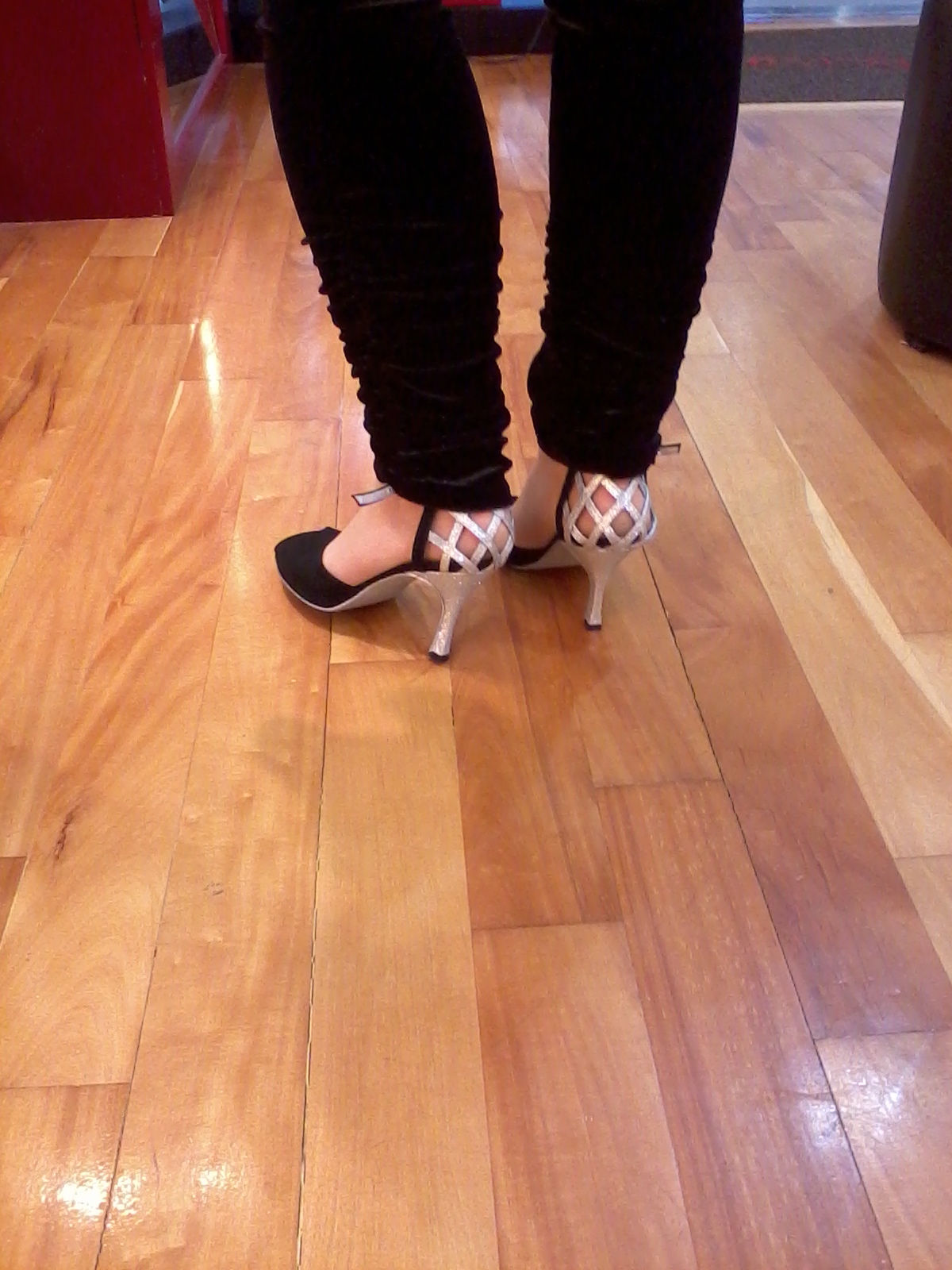
bendito glam!

Our first night on the town with my homegirl, we went to Café Vinilo to see Orquesta Victoria, one of our favorite young up-and-coming tango orchestras.
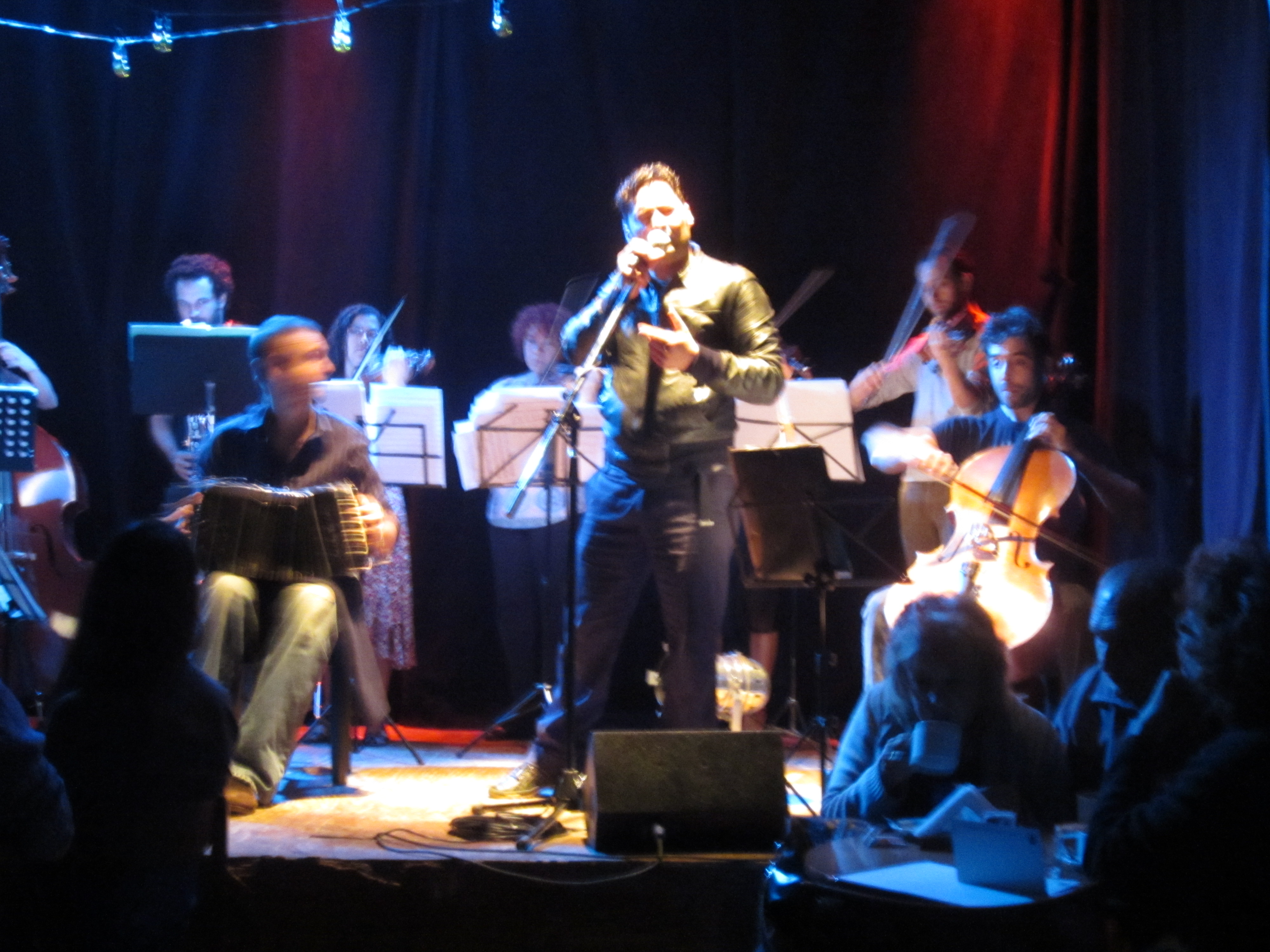
Orquesta Victoria at La Milonga del Bonzo

The singer is Augustín Fuertes, of the Fuertes-Varnerín duo.  Besides being a really good tango singer, he has a streak of stand-up comic that’s too funny!
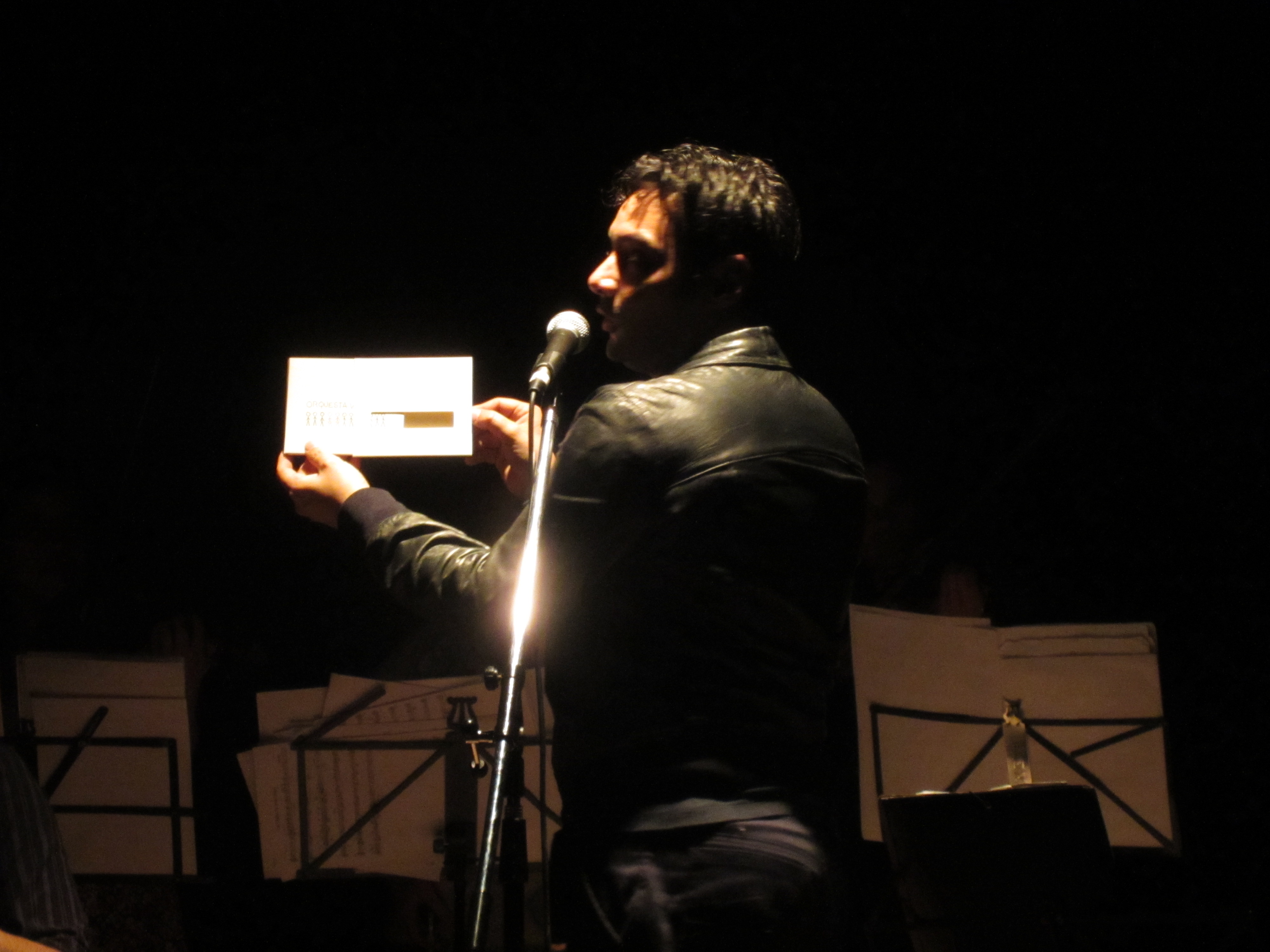
unveiling their new CD

They just got back from their 3rd European tour.  Here is the other half of the duo, Ariel Varnerín.  He has his own style, great voice, not as flashy.  The two of them could be Don Quijote and Sancho Panza!  I love their fast-paced duos with guitars and voices in harmony.
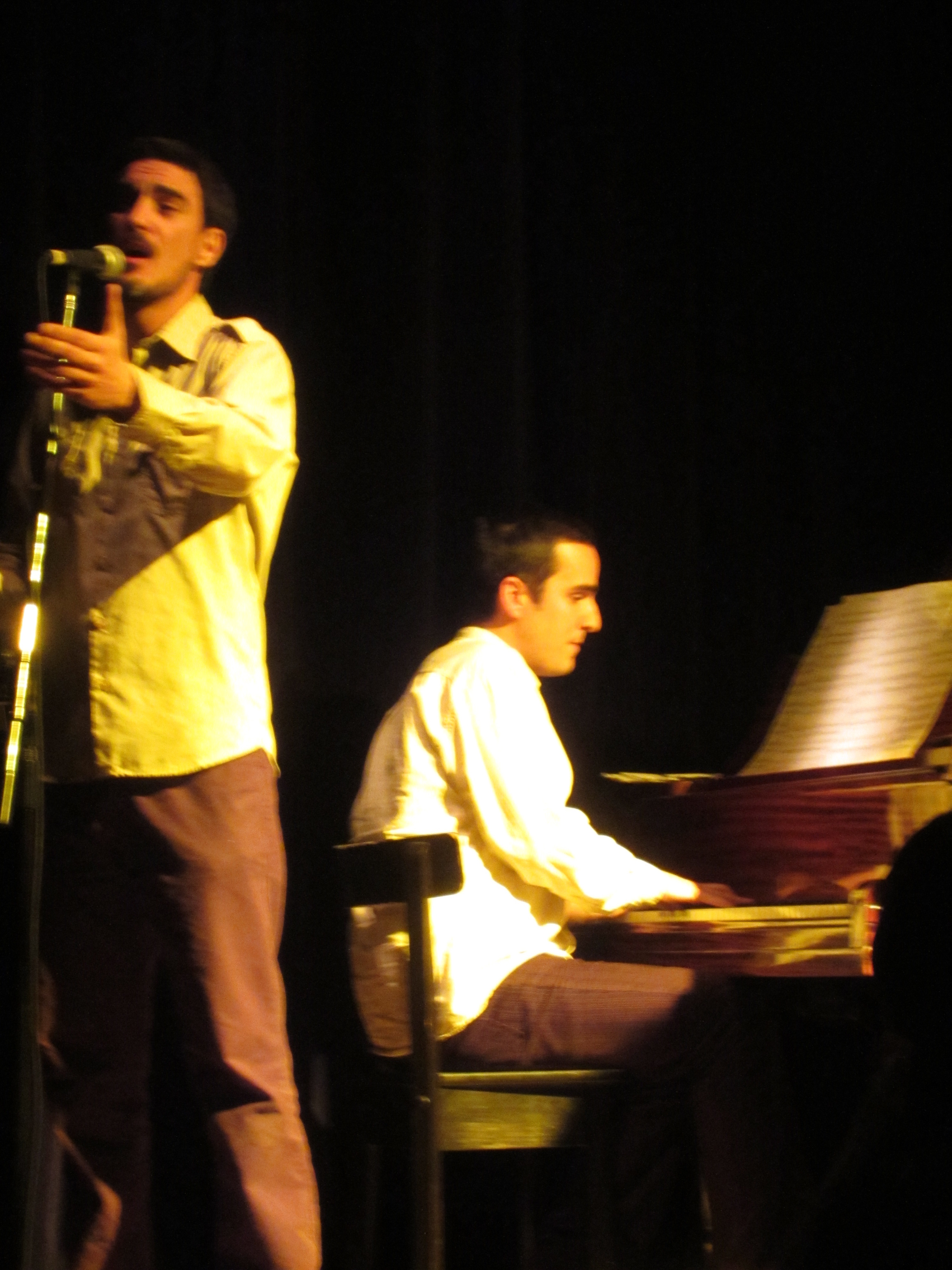
Ariel Varnerín

After La Milonga del Bonzo we took Roxy to Canning.
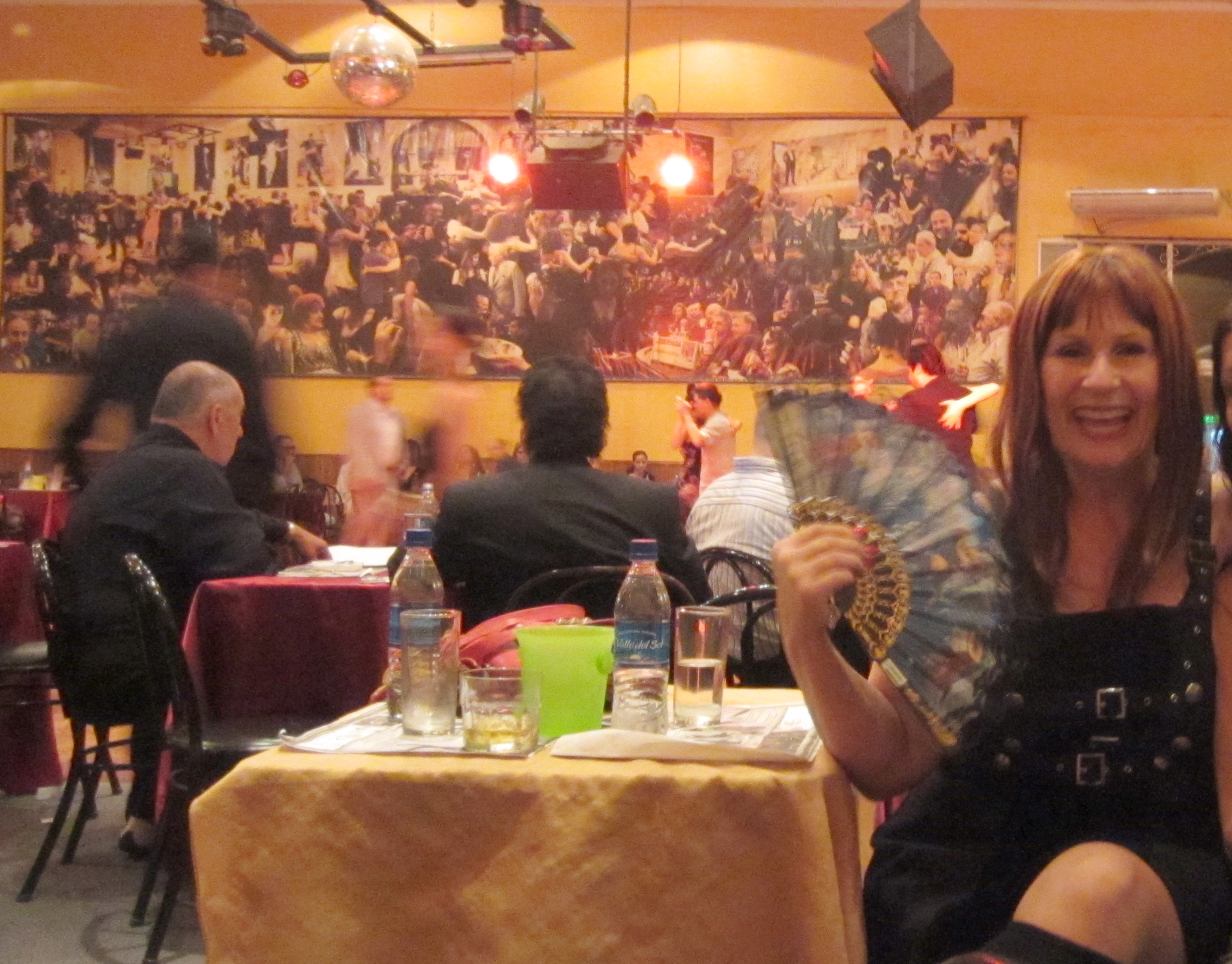
I can't believe I'm finally here!
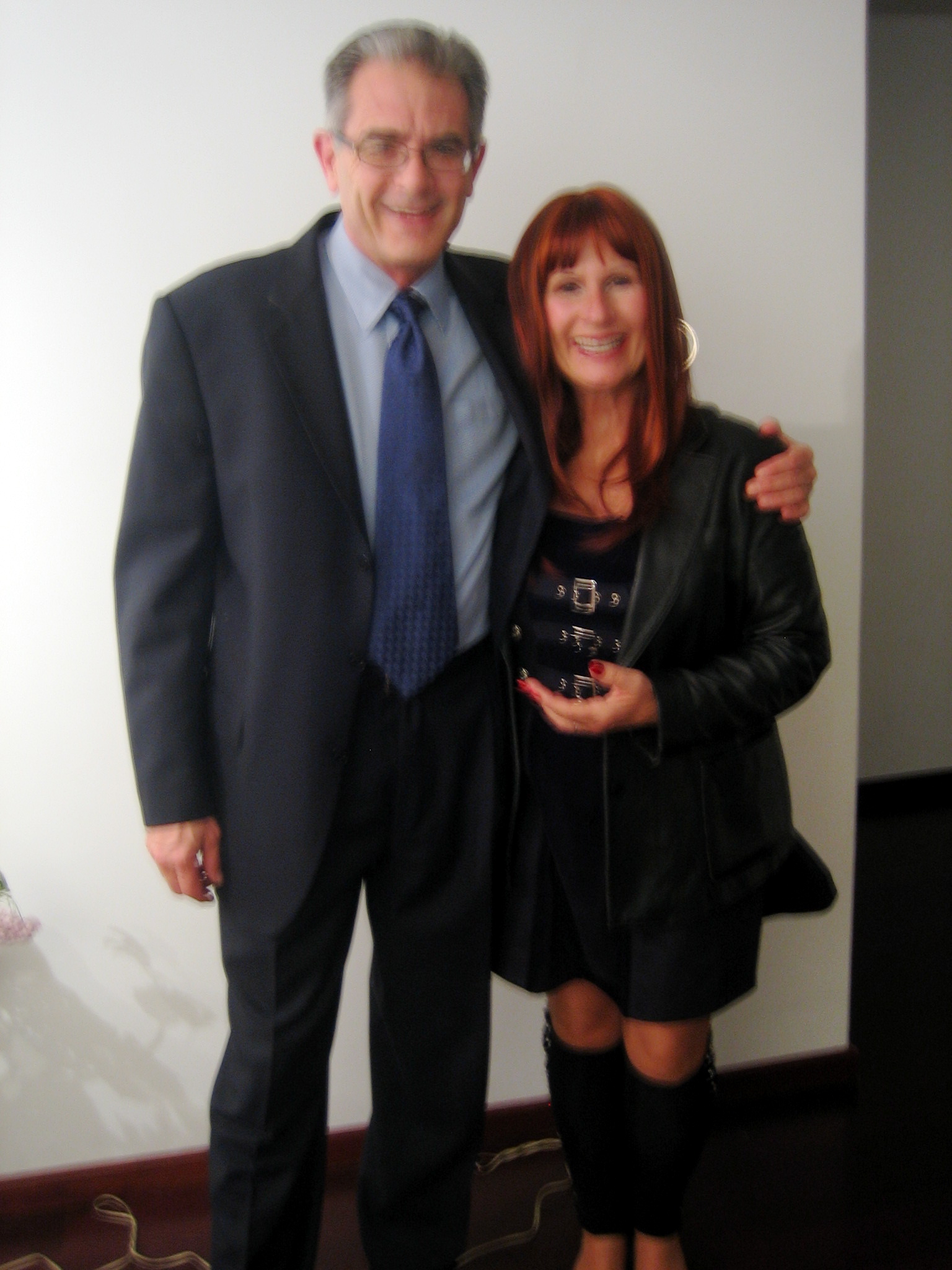
to the nines!

Roxy and I had an adventure the day we went to check out Pulpo’s apartment.  You’ve probably heard of him or taken a class — Norberto Esbrez, el Pulpo (the octopus: known for his slinky leg wraps and other sinuous tango moves).  We picked up Pulpo’s good friend Marcela. She’s an awesome tango dancer, teacher, judge of tango competitions, and the keeper of the keys to the apartment.  Since Pulpo is usually away teaching tango, his apartment is empty most of the time, and he offered it to Roxy.  Well, we sure had a hard time getting inside. The door had three different keyholes, and we couldn’t get the various keys to work.  After about twenty minutes we were praying and singing and finally… poof! like magic! … it opened.

Marcela surveying the broken lock

We went in and surveyed the mess, the apparent emptiness and piles of unwanted stuff left behind by someone who had broken in.  The vibes were wierd, disconnected, discordant.  We opened up windows and the doors to the balcony to let some fresh air in but the breeze didn’t seem to help… the street was noisy, the air was full of exhaust fumes and dust from Puyehue, the volcano in Chile that’s been spewing ash all the way to the Atlantic. Luckily Pulpo’s box of tango shoes was still there:
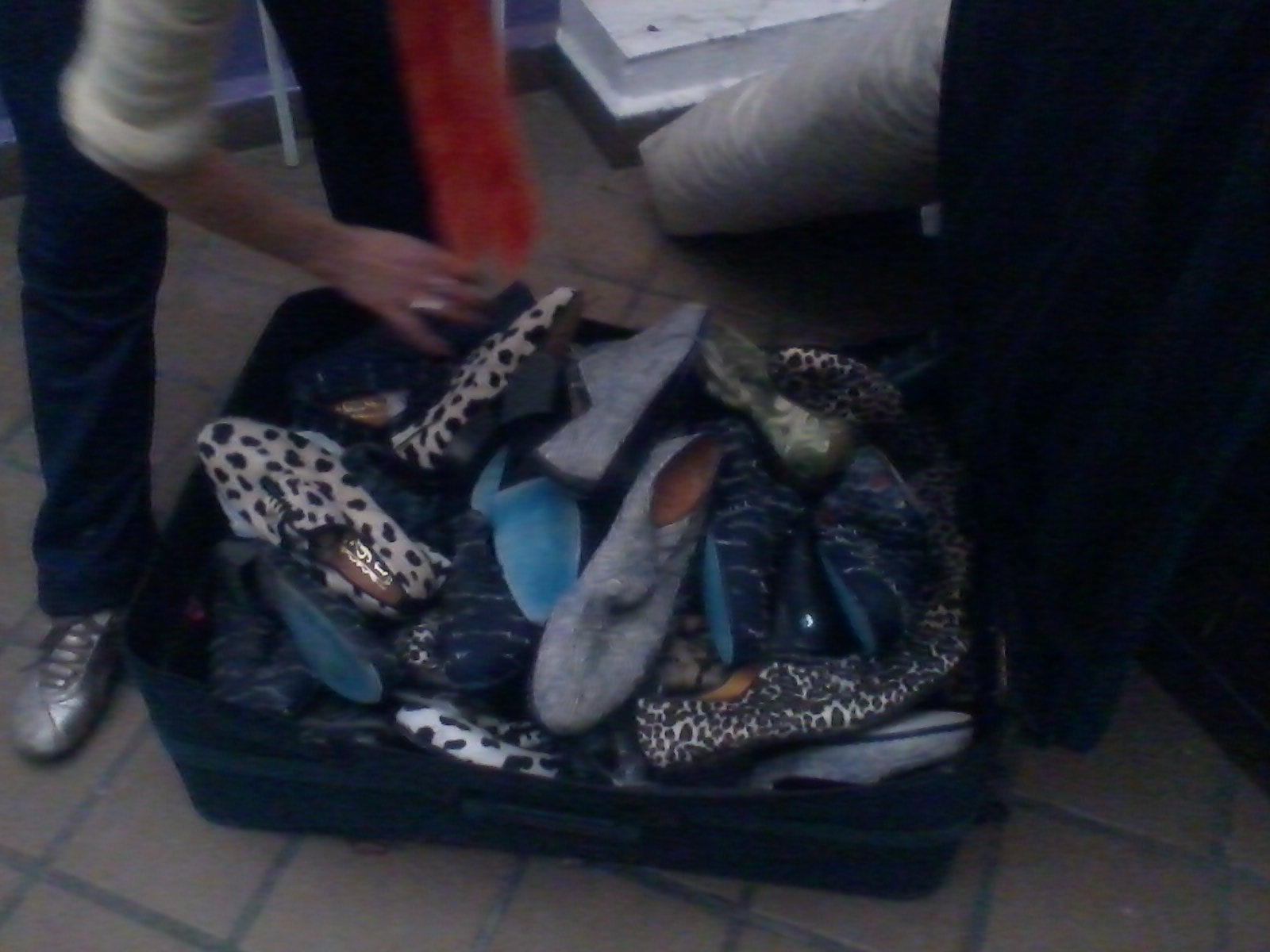
and you thought girls were shoe-crazy?
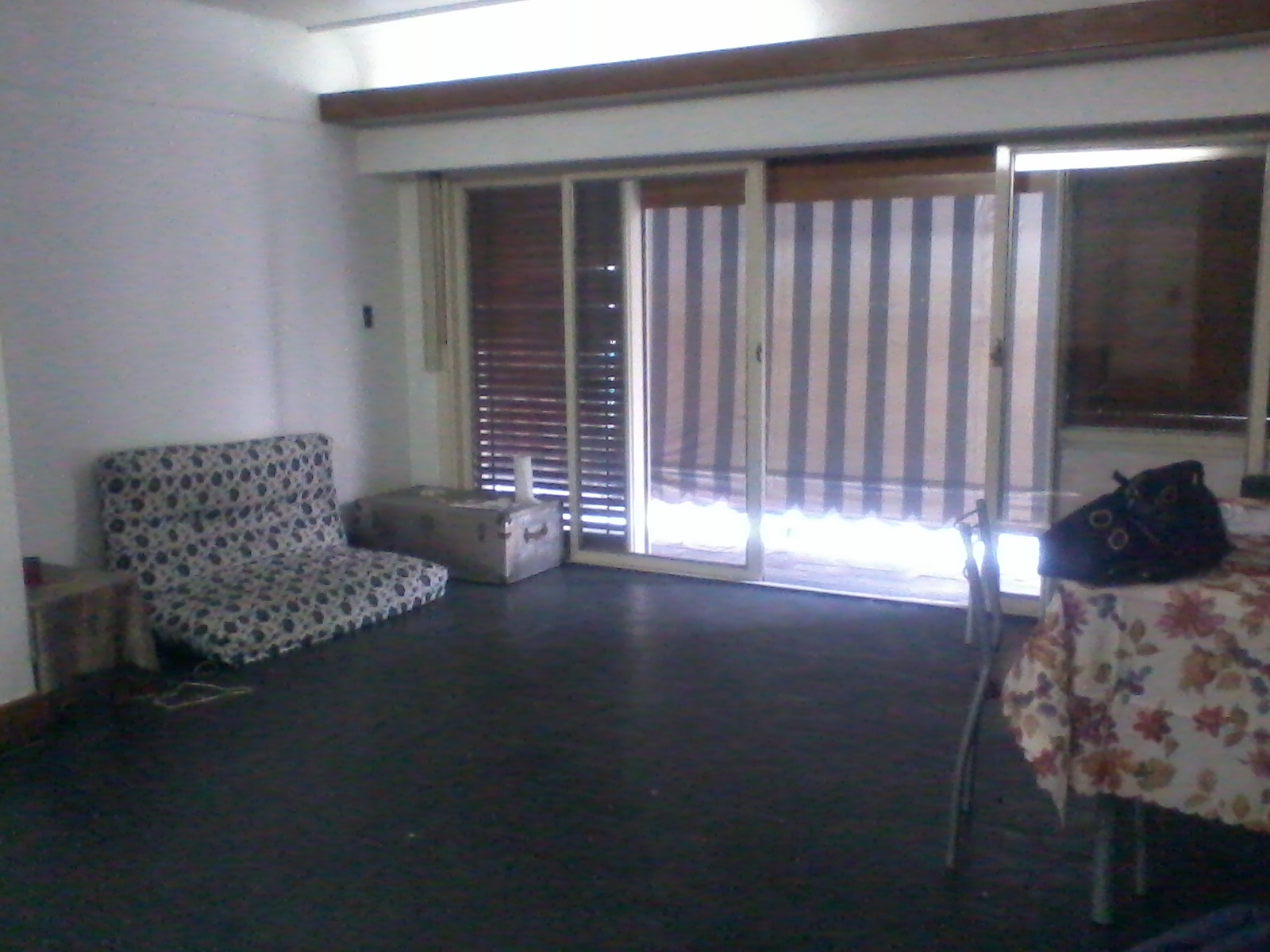
it looks better in the photo

We decided the place was not going to be ready for the girls to move into any time soon.  We thought we could just leave and lock the door and be done with it, at least for the time being.  Wrong!  We couldn’t even get the door shut!  It was really heavy and the top hinge pin was broken off. The door was hanging away from the frame and dragging on the floor. We tried to push it up and back into place but it was too heavy.  I began to think we had morphed into a scary movie!  We couldn’t get out of there!
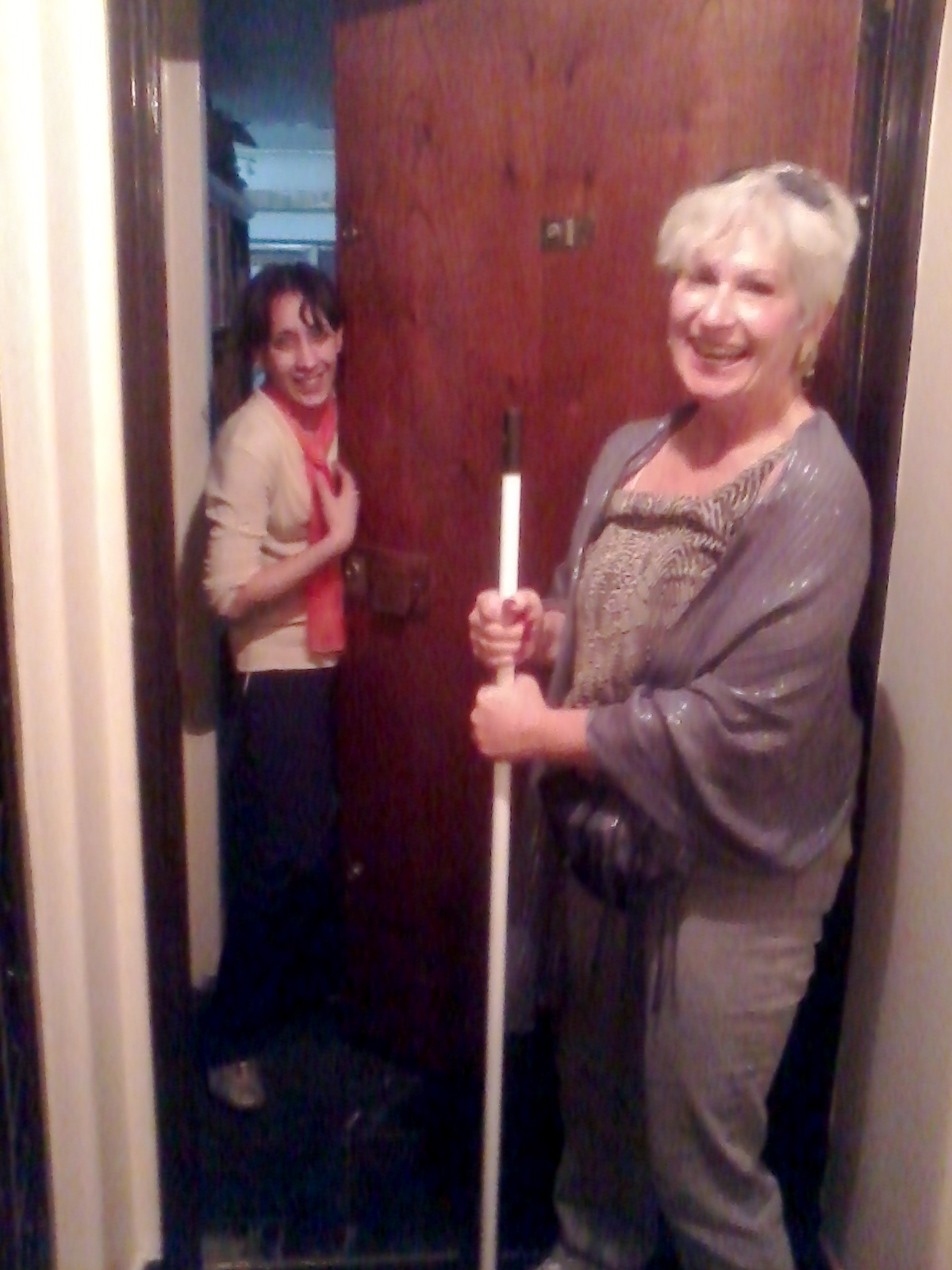
where's the crowbar?

Roxy thought she could lever the door up with a plastic squeegee. You go, girl!  At this point we were all desperately hungry, and desperate to get out of there!  Not to mention laughing hysterically like zombies on auto-pilot.  Just look at them!  Twinkling like a pair of house elves!
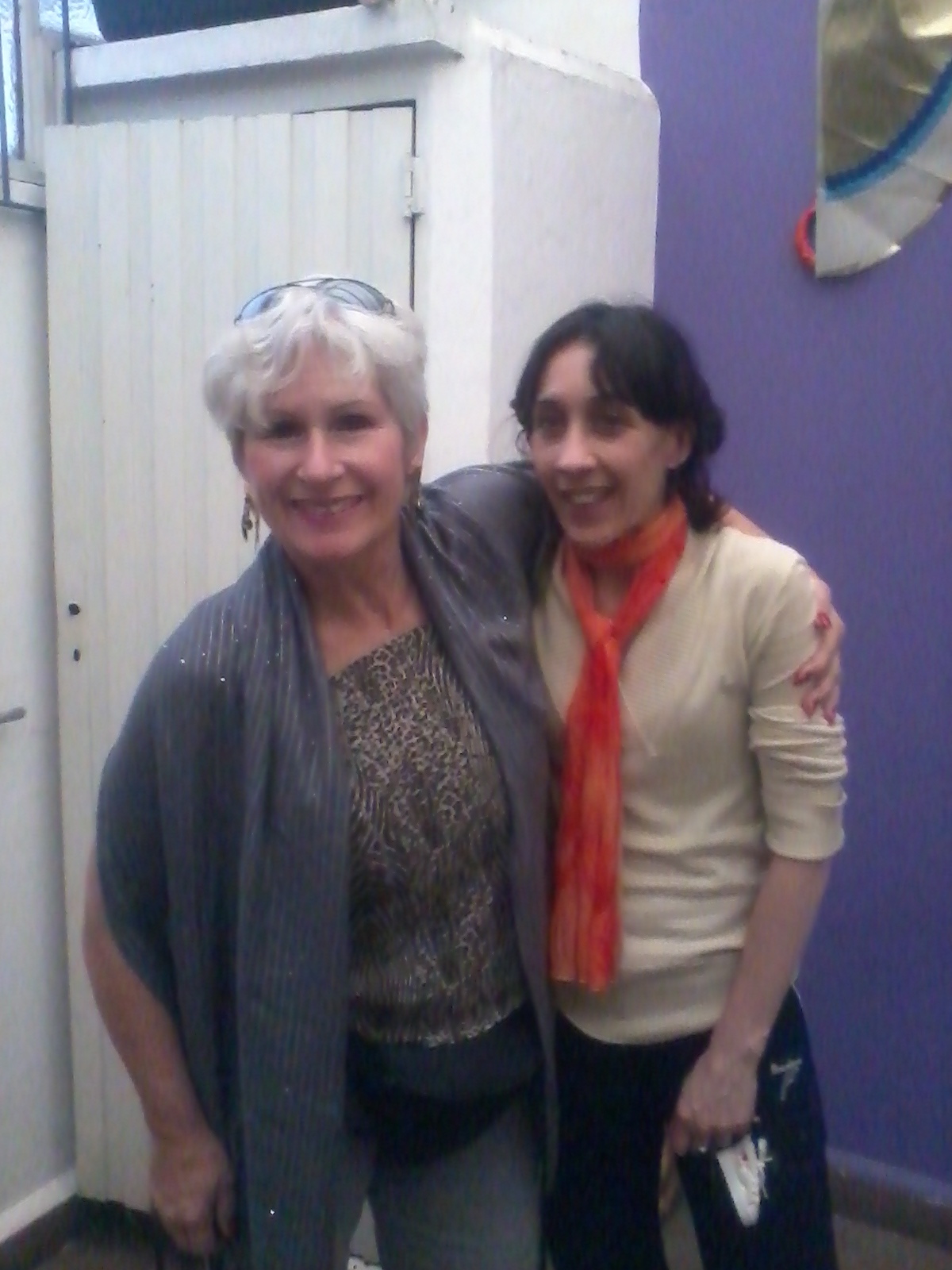
we tango and work on doors!

Roxy and I finally got away but Marcela had to stick around until the locksmith showed up.  A few days later Lynne and Roxy found a sweet apartment a few blocks away from us.
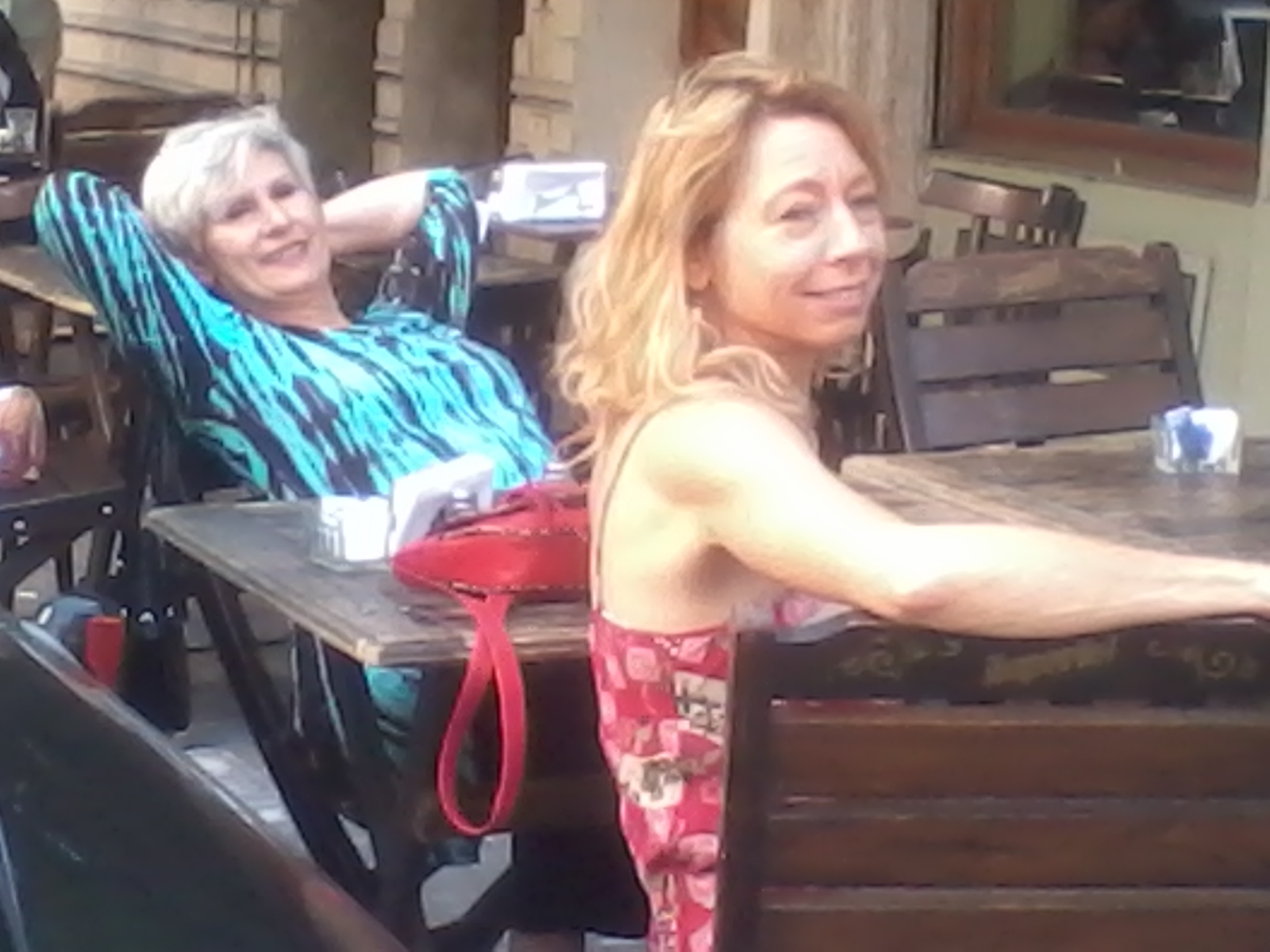
lounging streetside at VoulezBar

We had a some really fun all girls’ days…

jacked up on coffee

and girls’ nights out!
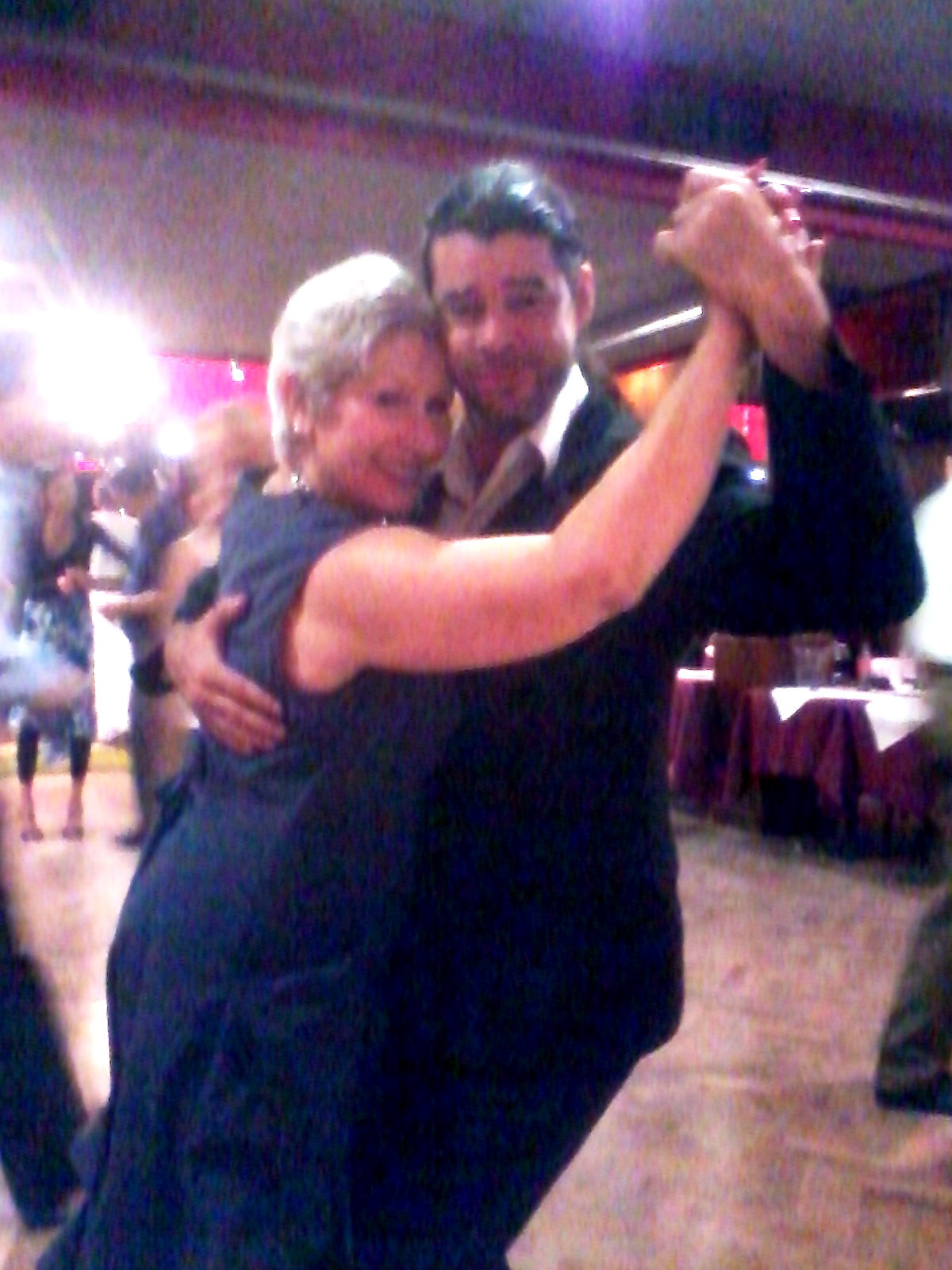
Roxy finds her Romeo

So sad they had to go home so soon!  So lucky I can stay here in this beautiful city of a thousand nights!
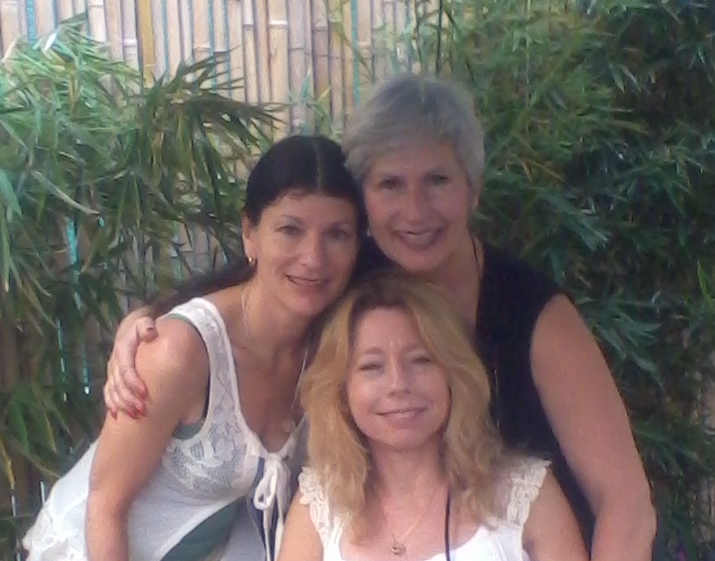
Ciao from Buenos Aires!

A Visit to the Pampas

I never meant to blog about itty-bitty cars, but sometimes things just happen. Perhaps if I had a kitten to play with, or a horse that needed riding…  I had to find a horse to ride, to be sure, but the little blue car found me.

my Isetta getting a green energy transfusion

DEAR FRIENDS and WILLOWTANGO.ME FOLLOWERS: Hundreds of you are responding to this post as if it’s the only post you can see!! If you like this post and want to read more, go to <willowtango.me> And please, no responses marketing your product line or personal fetishes!!

QUERIDOS AMIGOS de WILLOWTANGO.ME: Cientos de vosotros, mis queridos lectores, están respondiendo a este post como si fuera la única!! Si les gusta este post y quieren leer más, hagan clic en <willowtango.me>. Y por favor, no me hablan de sus intereses publicitarias ni sus fetiches personales!!

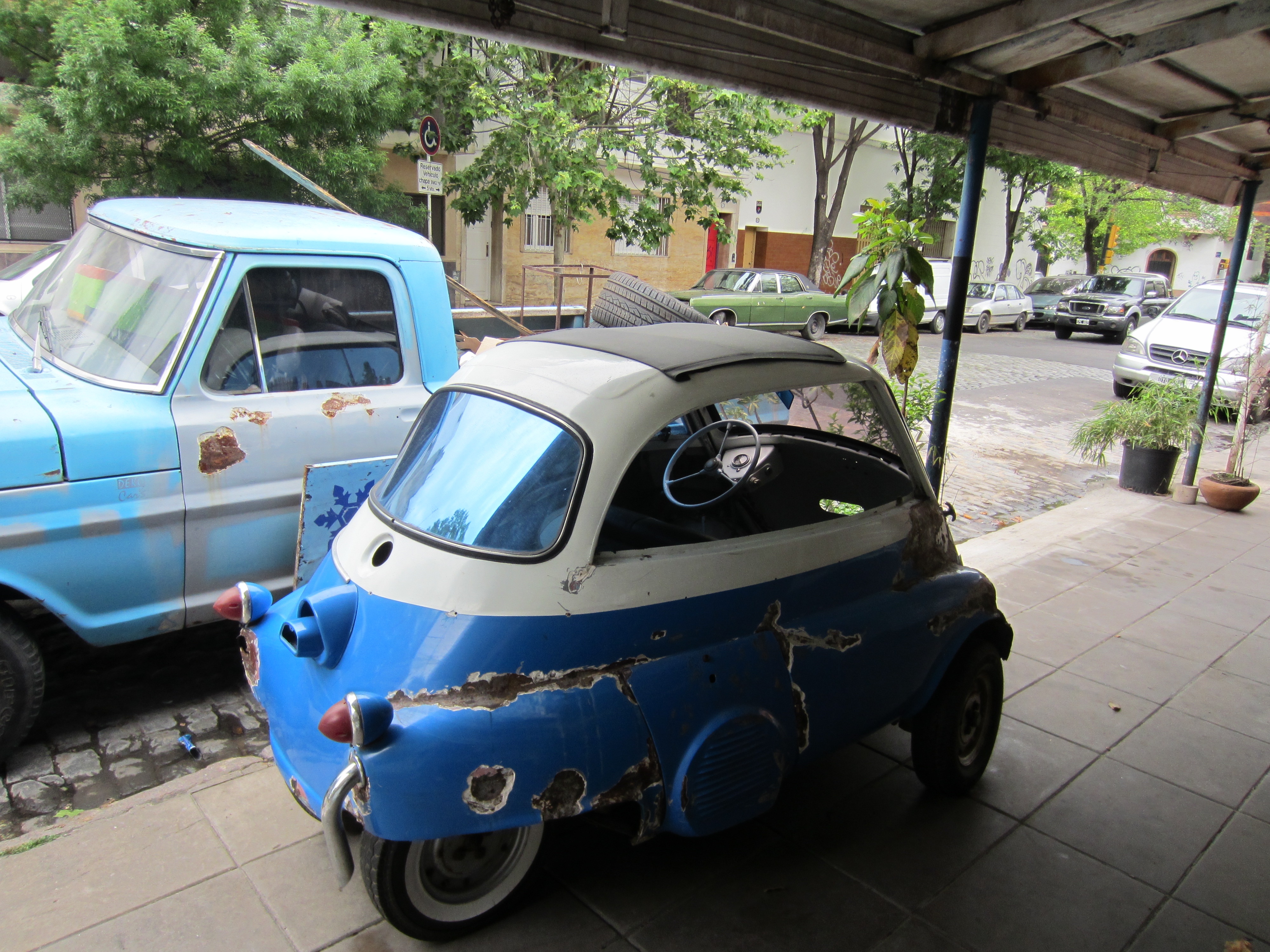
No, it’s not my Isetta.  If it was I would spoil it with some much-needed TLC. Please note that the front of the car doubles as the entry. This baby is a one cylinder, 4-wheeler ragtop. Here she is cuddling up to a pickup. How cute is that?

which do you like better, the front or the rear?

Ben discovered it while walking from our apartment to his Spanish class in Palermo Soho.  Apparently it’s parked in some kind of cosmic waiting room, patiently awaiting restoration and rebirth.  Perhaps its mantra could be… I’m so cute I can tango on 3 wheels?

sweet view from a wabi-sabi world

There can’t be very many of these microcars left.  But thousands were produced in post WWII Europe.  Skip the next paragraph if you’re not totally fascinated by this Barbie car.

The Isetta was an Italian-designed micro-car built in a number of different countries, including Spain, Belgium, France, Brazil, Germany, and the UK. Produced in the post-World War II years, a time when cheap short-distance transportation was most needed, it became one of the most successful and influential city cars ever created.

The car originated with the Italian firm of Iso-SpA. In the early 1950s the company was building refrigerators, motor scooters and small three-wheeled trucks. Iso’s owner, Renzo Rivolta, decided he would like to build a small car for mass distribution. By 1952 the engineers Ermenegildo Preti and Pierluigi Raggi had designed a small car that used the scooter engine and named it Isetta—an Italian diminutive meaning little ISO.

The Isetta caused a sensation when it was introduced to the motoring press inTurin in November 1953. It was unlike anything seen before. Small (only 2.29 m (7.5 ft) long by 1.37 m (4.5 ft) wide) and egg-shaped, with bubble-type windows, the entire front end of the car hinged outwards to allow entry. In the event of a crash, the driver and passenger were to exit through the canvas sunroof. The steering wheel and instrument panel swung out with the single door, as this made access to the single bench seat simpler. The seat provided reasonable comfort for two occupants, and perhaps a small child. Behind the seat was a large parcel shelf with a spare wheel located below. A heater was optional, and ventilation was provided by opening the fabric sunroof. The first prototypes had one wheel at the rear; this made the car prone to roll-overs, so they placed two rear wheels 48 cm (19 in) apart from each other.

BMW bought the Isetta license from ISO SpA in 1954.  They bought the complete Isetta body tooling as well.  The BMW Isetta was in 1955 the world’s first mass-production 3-Liters/100km car. It was the top-selling single cylinder car in the world, with 161,728 units sold. After constructing some 1,000 units, production of the Italian built cars ceased in 1955, although Iso continued to build the Isetta in Spain until 1958.  (compiled from Wikipedia)

Even in its present sad condition, this Isetta has a bright future!  and is probably worth a few bucks.

Do you see the little face?

So sweet of the man in my life to take these photos for me.  You could say he found a clever way to get back in my good graces, after a little spat about who knows what?!  Here he is asking for forgiveness:

on his knees at the Gallerias

Not blue anymore, but wearing blue! at our favorite café by Plaza San Martín:

blue sky and sunshine!

Now we’re going on a day trip to the Pampas! First stop, San Antonio de Areco, about 120 km. northwest of Buenos Aires. This beautiful colonial pueblo was settled in 1730. The bici is not quite that old!

two-wheelers can have significant curb appeal also

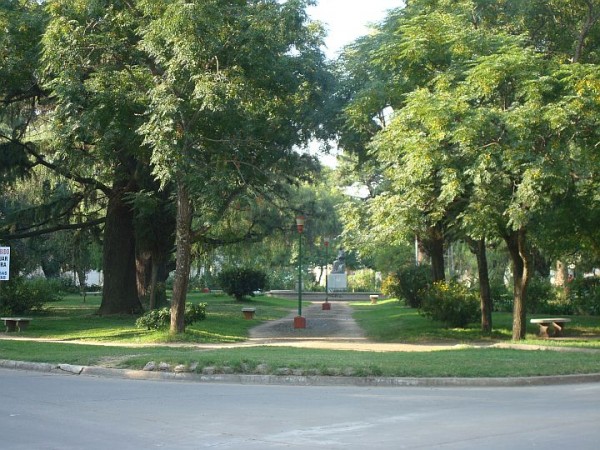
The bici decorates the sidewalk in front of one of the best trattorias in town, La Esquina de Merti. My hosts, Flavia and Fabio, who also happen to be our landlords in town, brought me out to the country for an afternoon of sightseeing and horseback riding. Here’s the beautiful shady plaza:

Plaza Gómez

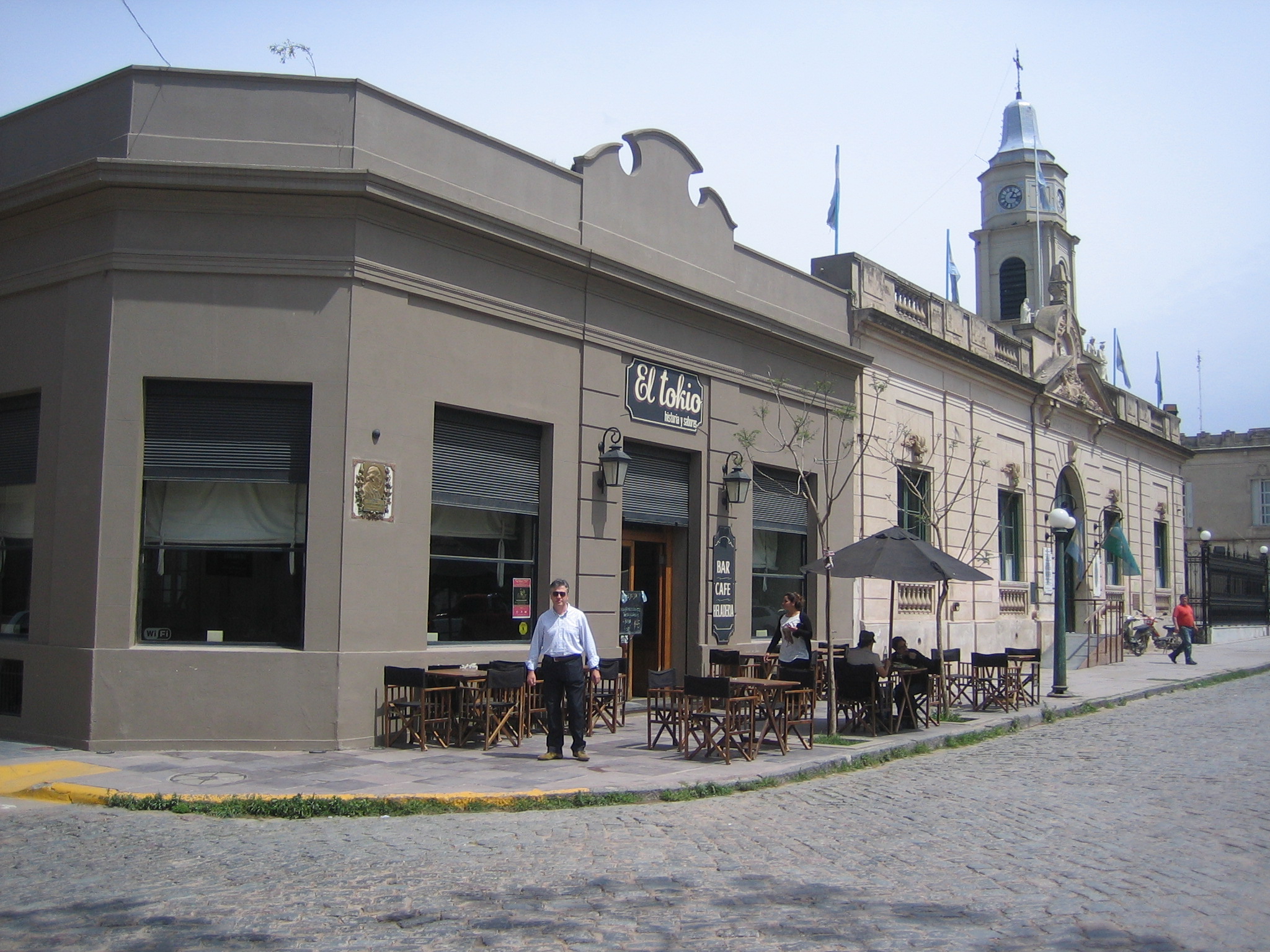
A typical street on a very quiet day in San Antonio de Areco.

Fabio at El Tokio

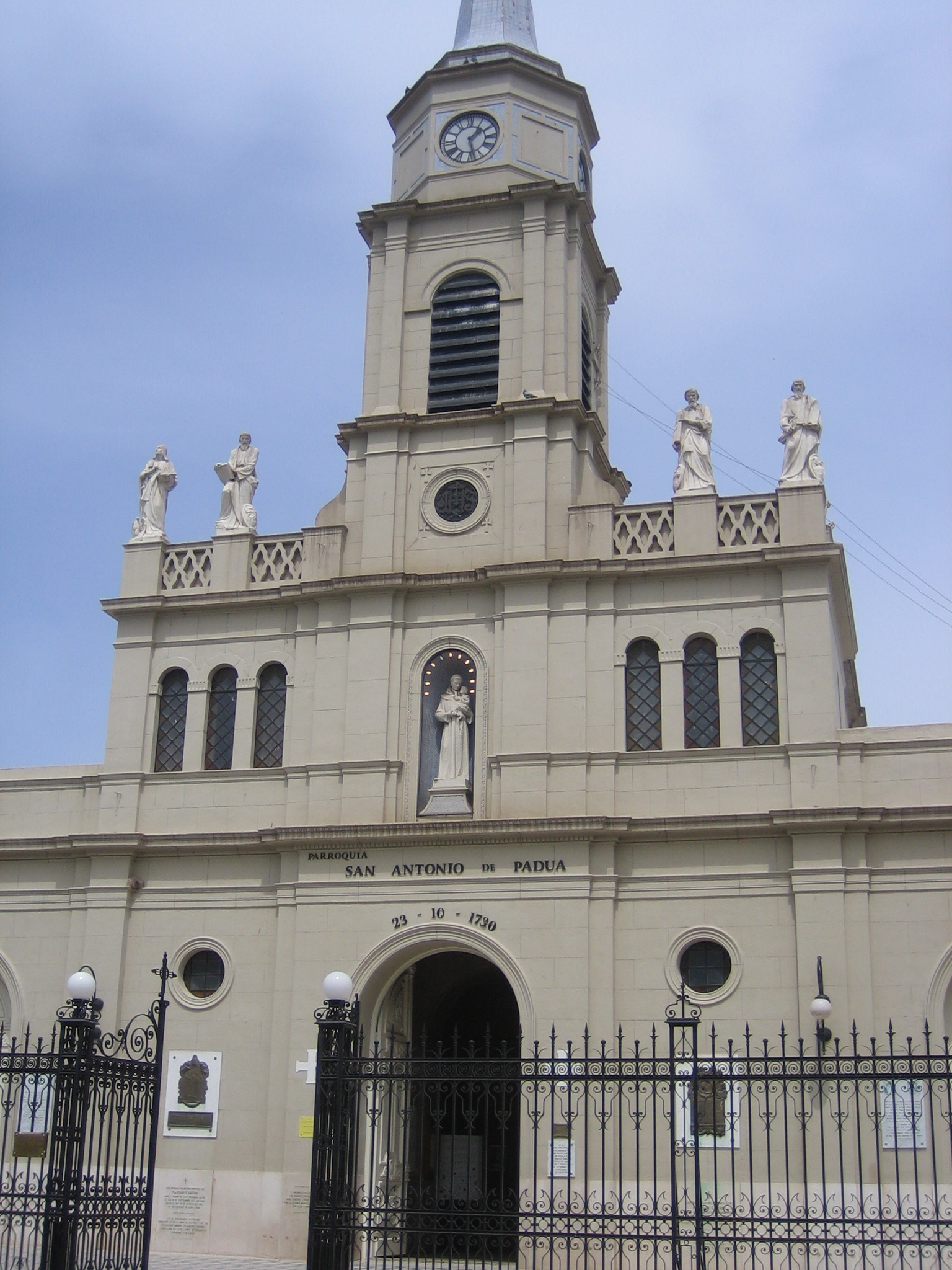
The church looks like an vacant gray stone palace.  Spooky and grim, even in the sunshine!

Nuestra Señora de Loreto

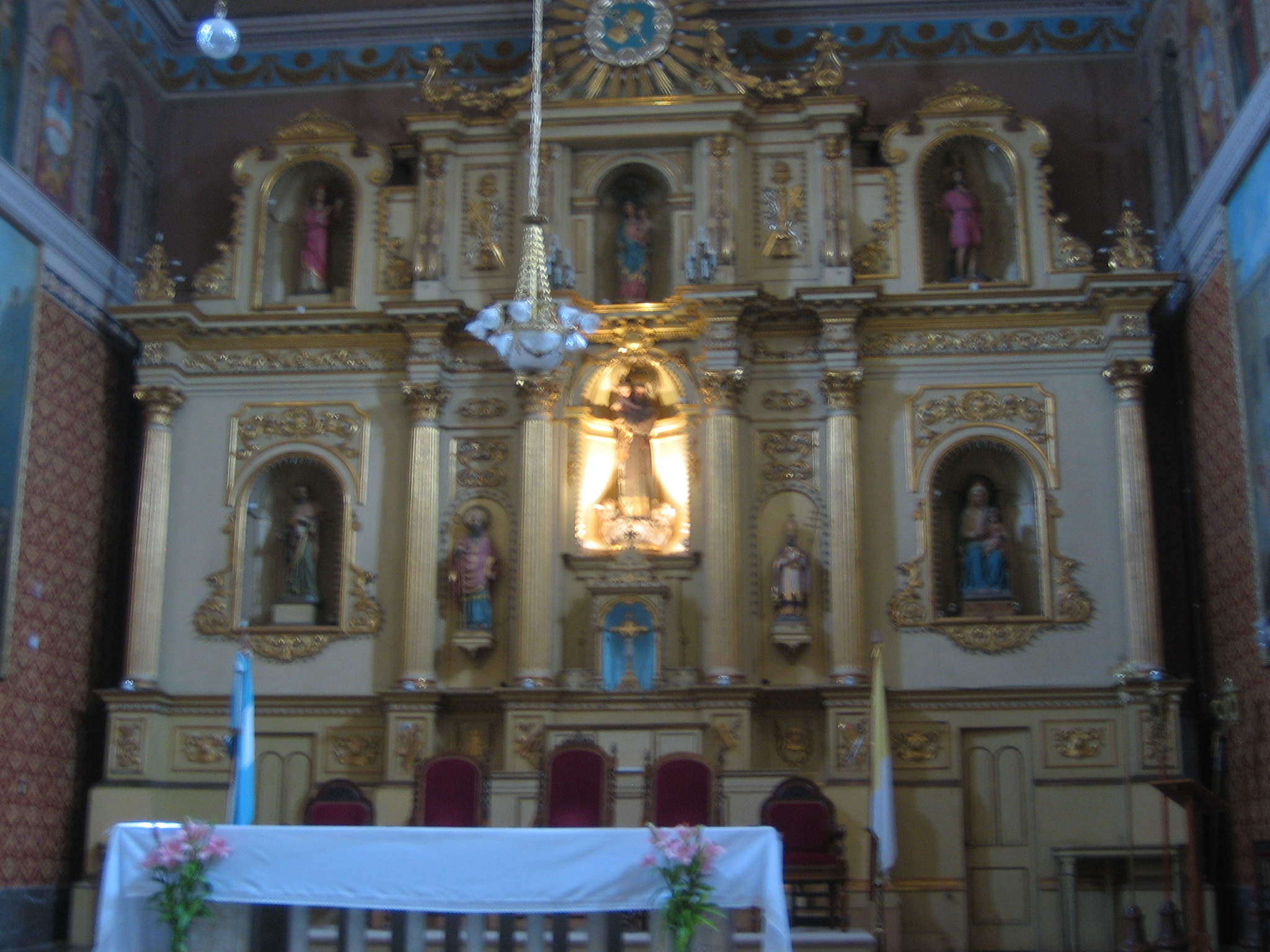
It’s prettier on the inside. The main altar is quite beautiful. We were the only people inside the church, on a Tuesday about 1:00 pm. This town is definitely not overrun with tourists! Maybe on the weekends.

el altar mayor

Flavia and me sightseeing

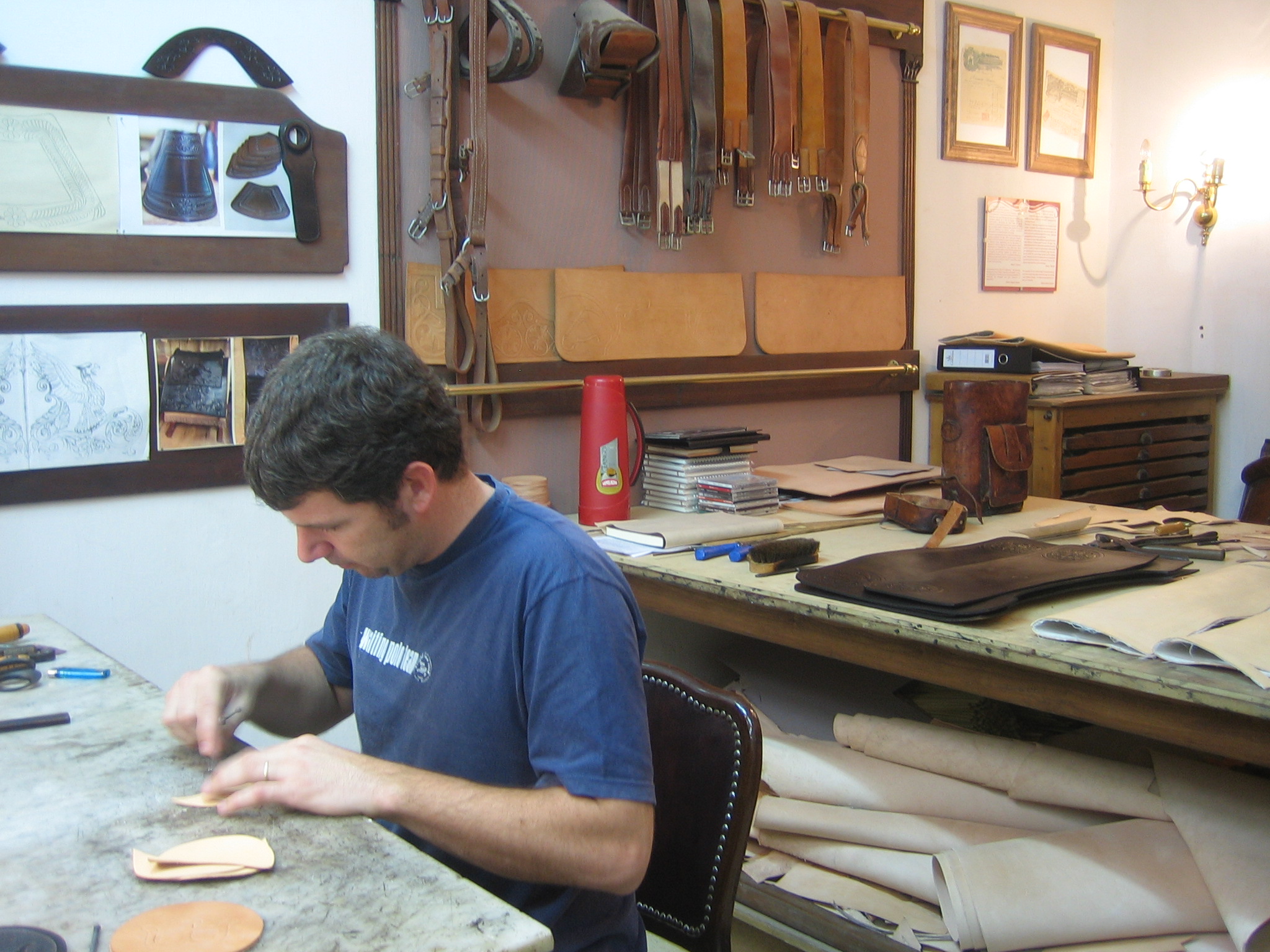
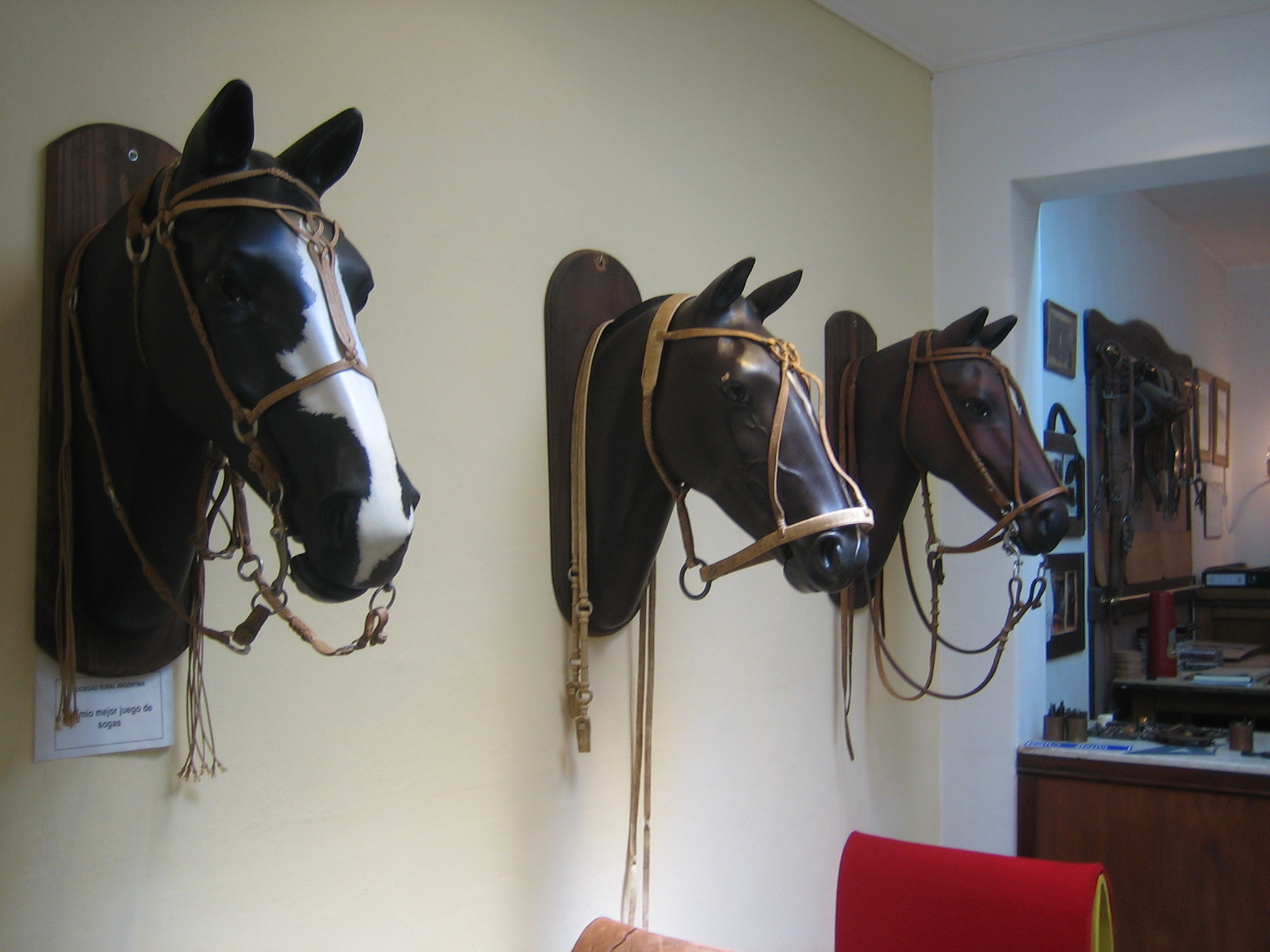
We were fortunate to find the leather shop open. Besides the handmade leather goods, there were bridles, reatas, cinchas, stirrups, tapaderos, ponchos… lots of stuff. Many of the tools hanging on the wall or lying about the workshop were antiques still in use. We chatted with the craftsman at his workbench, and he showed us how he stamps a design into leather using a metal punch.

the artesano working at his trade

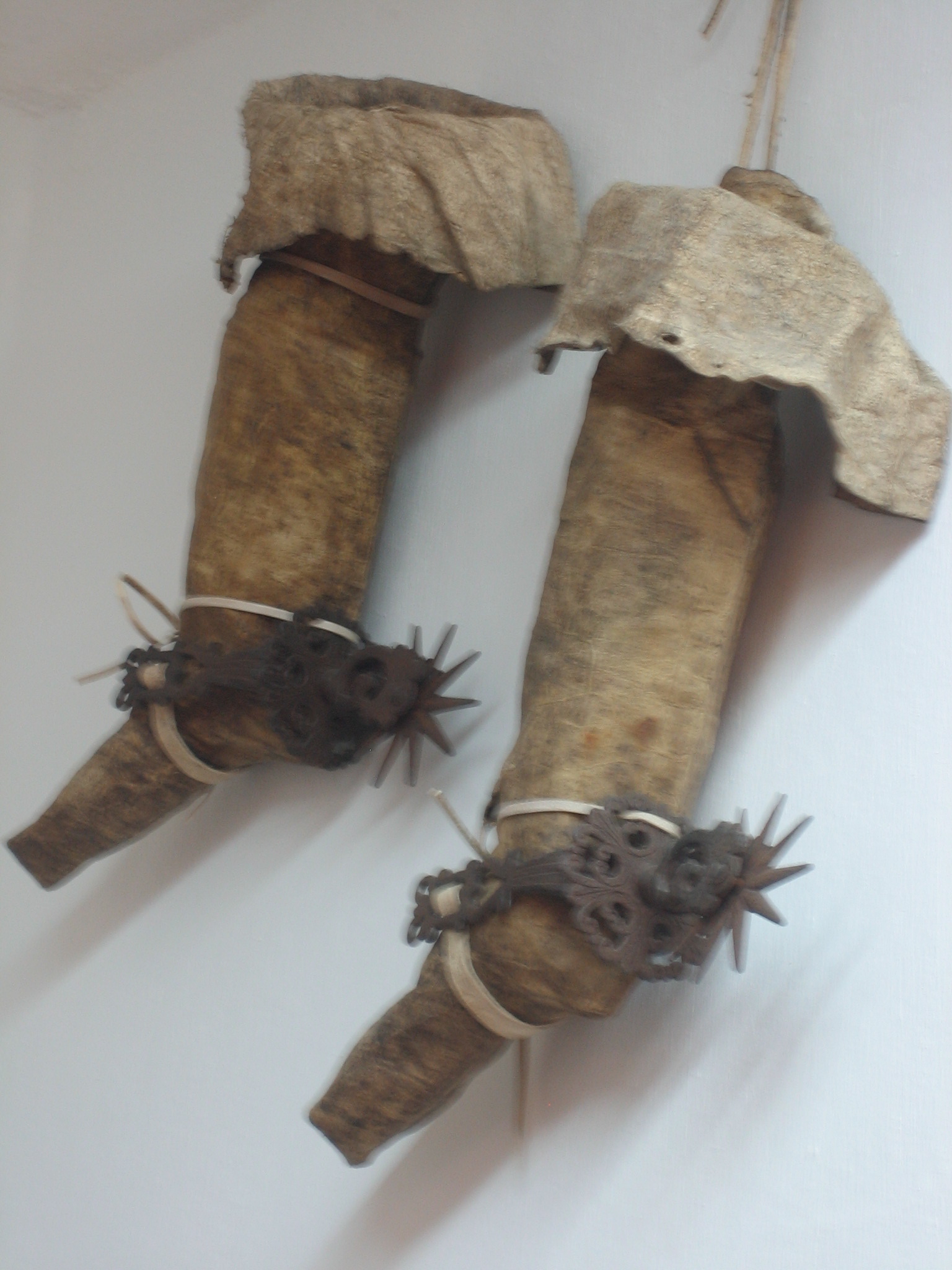
cowboy socks’n’spurs?

In the really old days (we’re not talkin’ 1950s here! more like 1750s!) out here in the pampas, they didn’t have boots. They just wrapped rawhide around their legs and feet. They left the toe part open cause back then their stirrups were a rawhide reata hanging down from the saddle with a big rawhide braided knot on the end that you stuck in between your big toe and second toe. Kind of a toe wedgie! Doesn’t sound as comfy as a real stirrup, does it? Of course they didn’t spend a day’s wages to have their horses shod, either. Come to think of it, the campesinos back then didn’t get paid wages at all. That was back in the days before organized labor.

Rawhide, when it’s wet, can be stretched taut (as in drum making); when it dries, it’s stiff as a board and extremely sturdy. You can cut it in a giant spiral which results in narrow strips anywhere from 30 – 60 feet long depending on the size of the hide. Braiding a number of those strands together creates reatas, reins, bosals, bridles, etc. All the gear you ever dreamed of having!

Argentine bridles

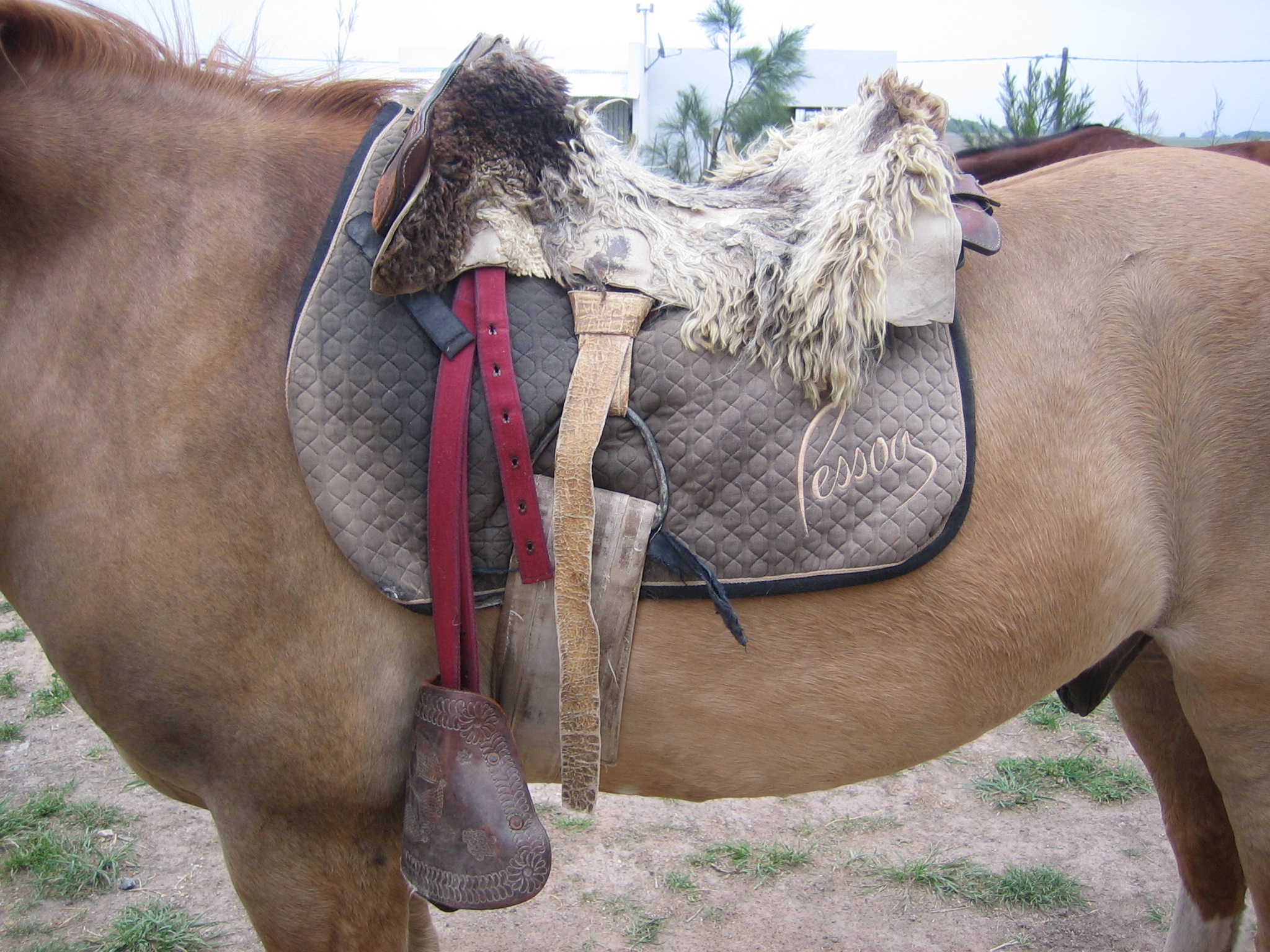
These are the saddles we’ll be riding later today. No frills, no saddle horn, either. In an emergency, just grab some mane!

a Chilean saddle: no frills, wooly sheepskin keeps you warm

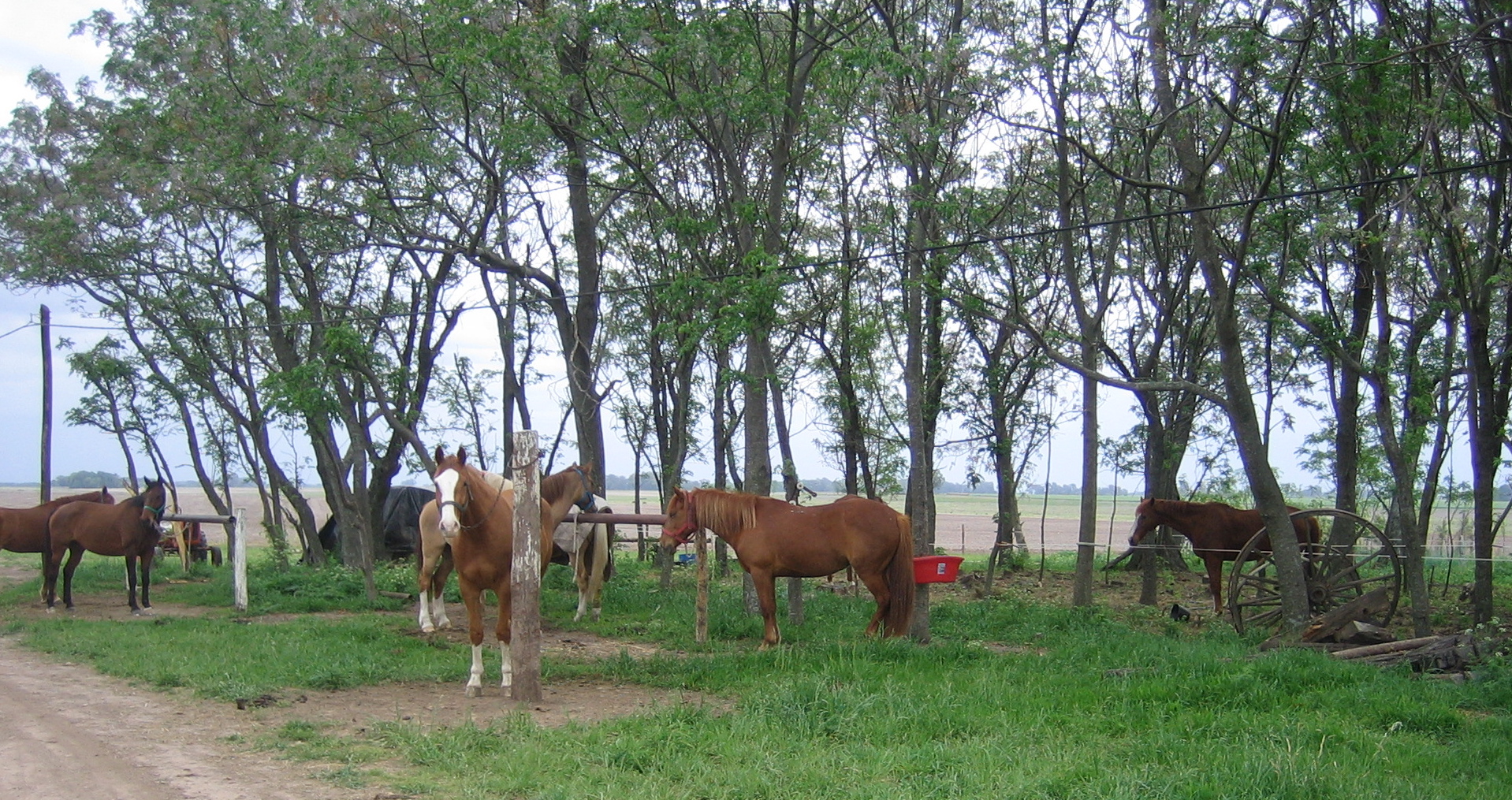
As we drive into the rancho the first thing we see is a bunch of horses tied up amongst the trees:

all tied up and waiting to be ridden

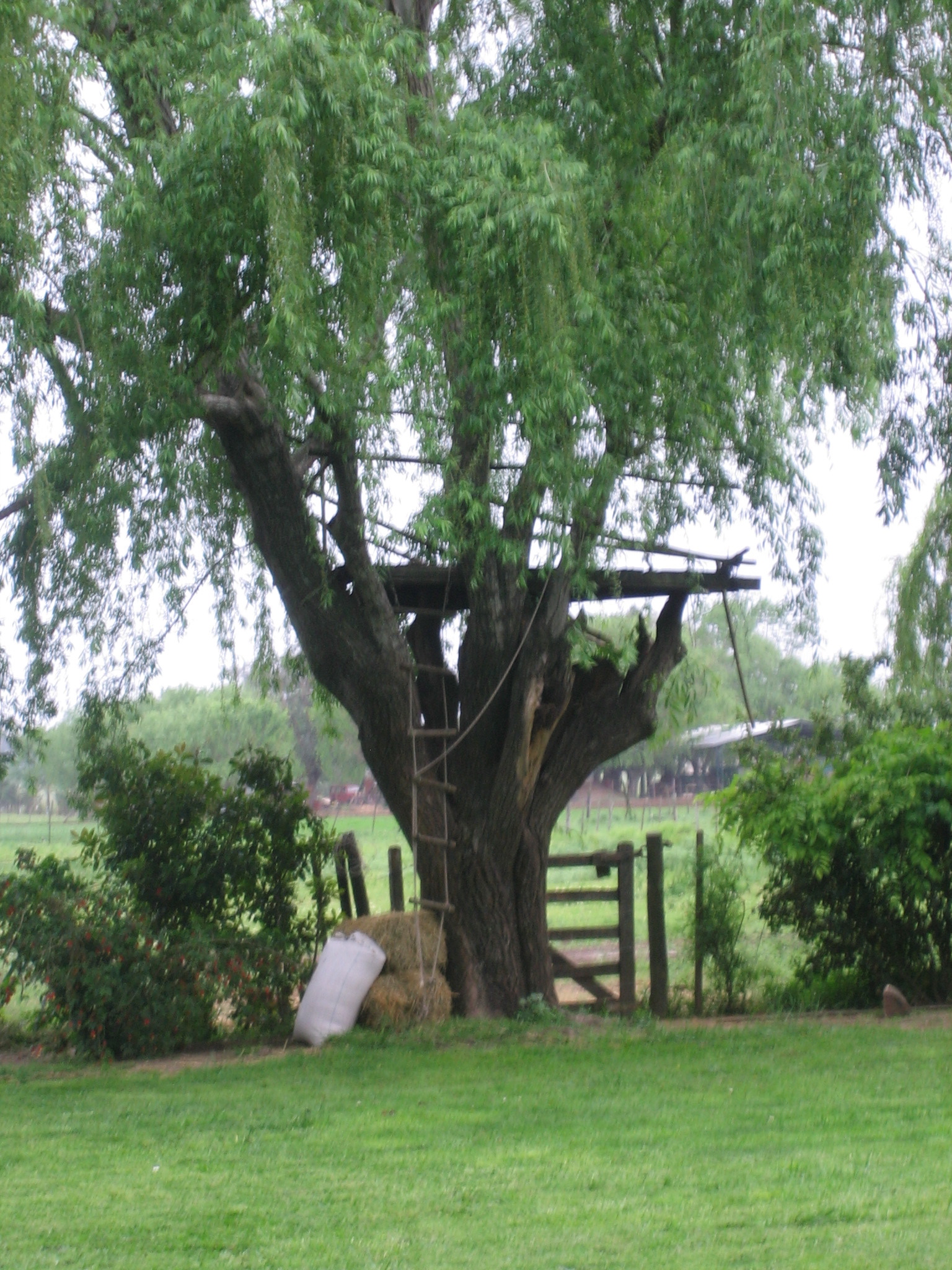
we go past a marvellous treehouse!

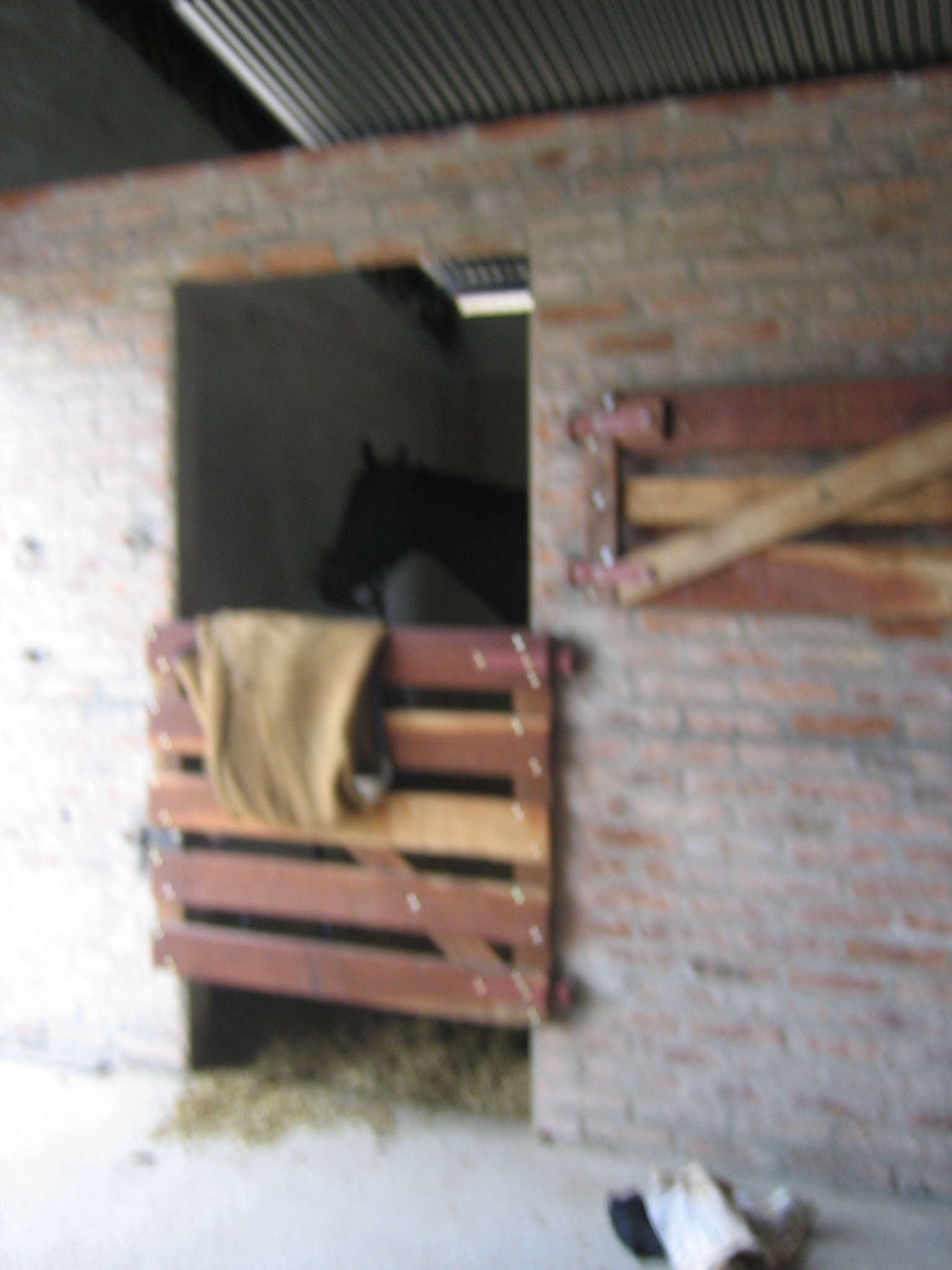
Pulling into the stable area the horses in the barn stick their heads out to see who’s coming:

howdy

The barn is new, built of cement and brick, with a metal roof. It has 5 stalls, a tack room, a bathroom with shower, and a tiny kitchen area with sink. The stall doors are wood, as is the framing and the shutters.

the front of the barn

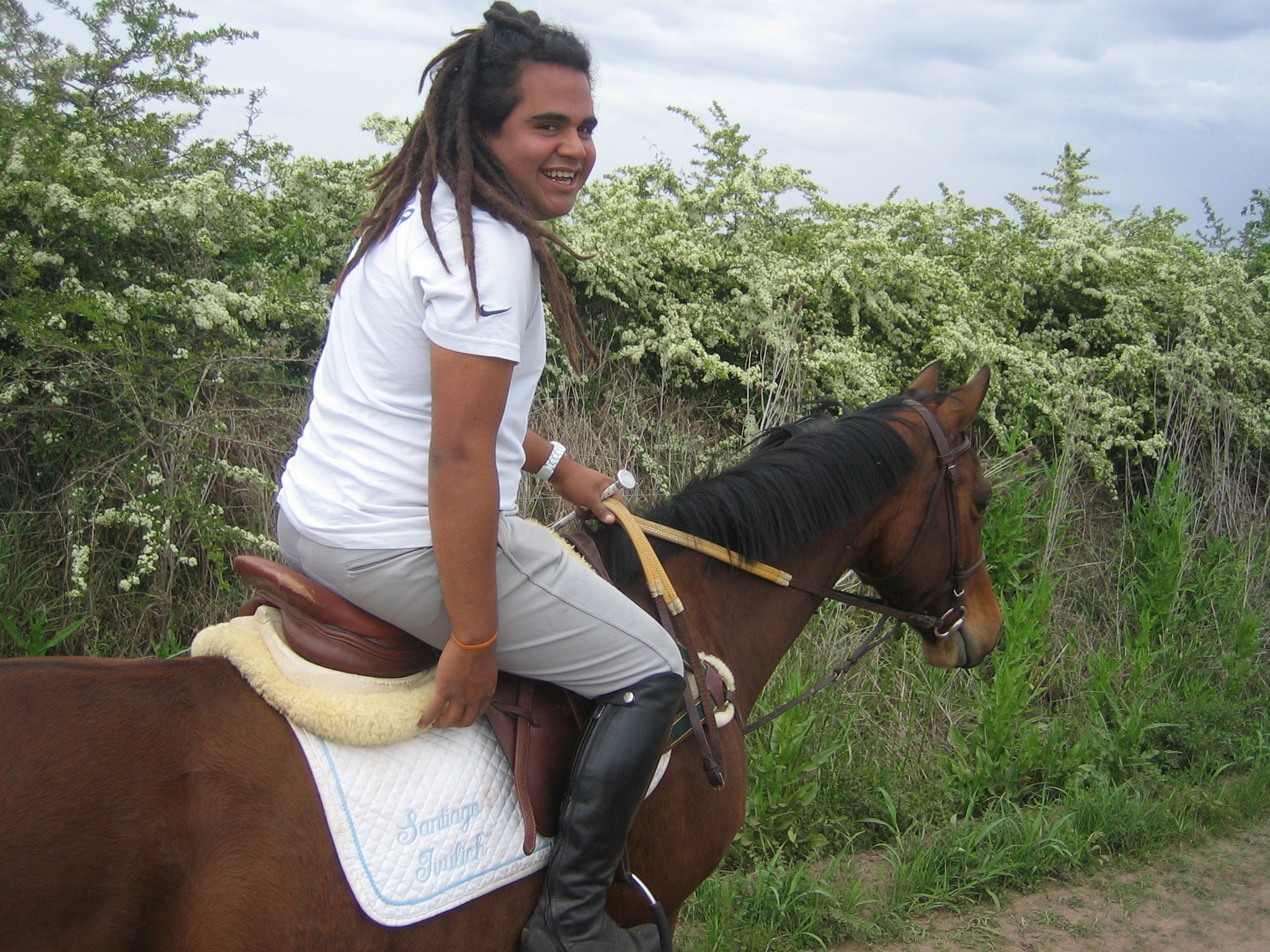
We saddled up and went for a ride!  The sun was playing tag with the clouds, but it was warm with a slight breeze. Everywhere you look it’s green! We were about 60 or 70 miles northwest of Buenos Aires. Santiago is wearing polo boots and riding britches; he competes on the hunter-jumper circuit.

Santiago, Flavia’s hunter-jumper instructor

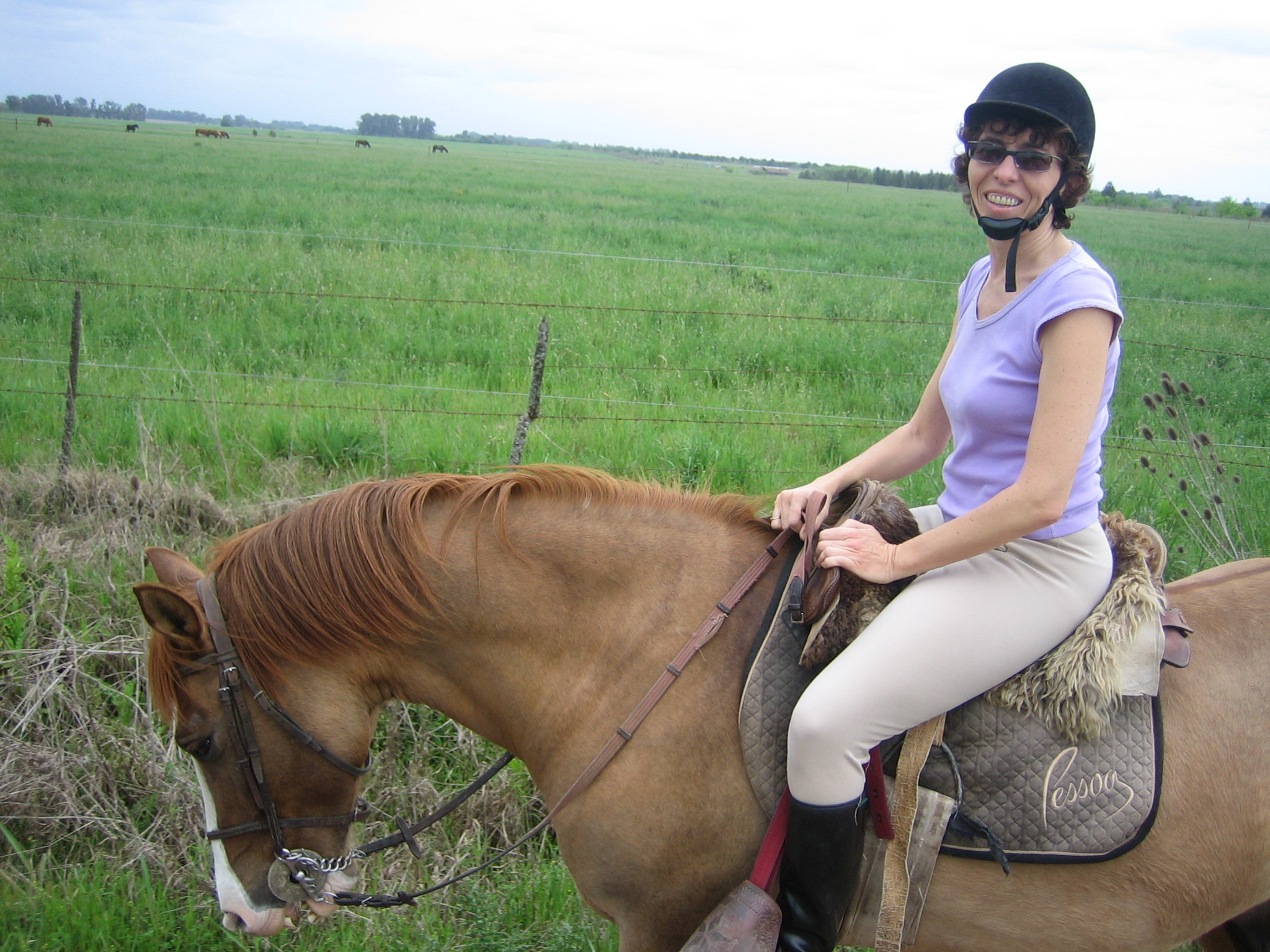
Flavia is our horse-crazy landlady!  She and I hit it off from day 1. Here she is on a pretty red dun, holding his head very nicely.  The helmet protects her coco loco. She and I could sit and talk horses all day long.

Flavia on a red dun

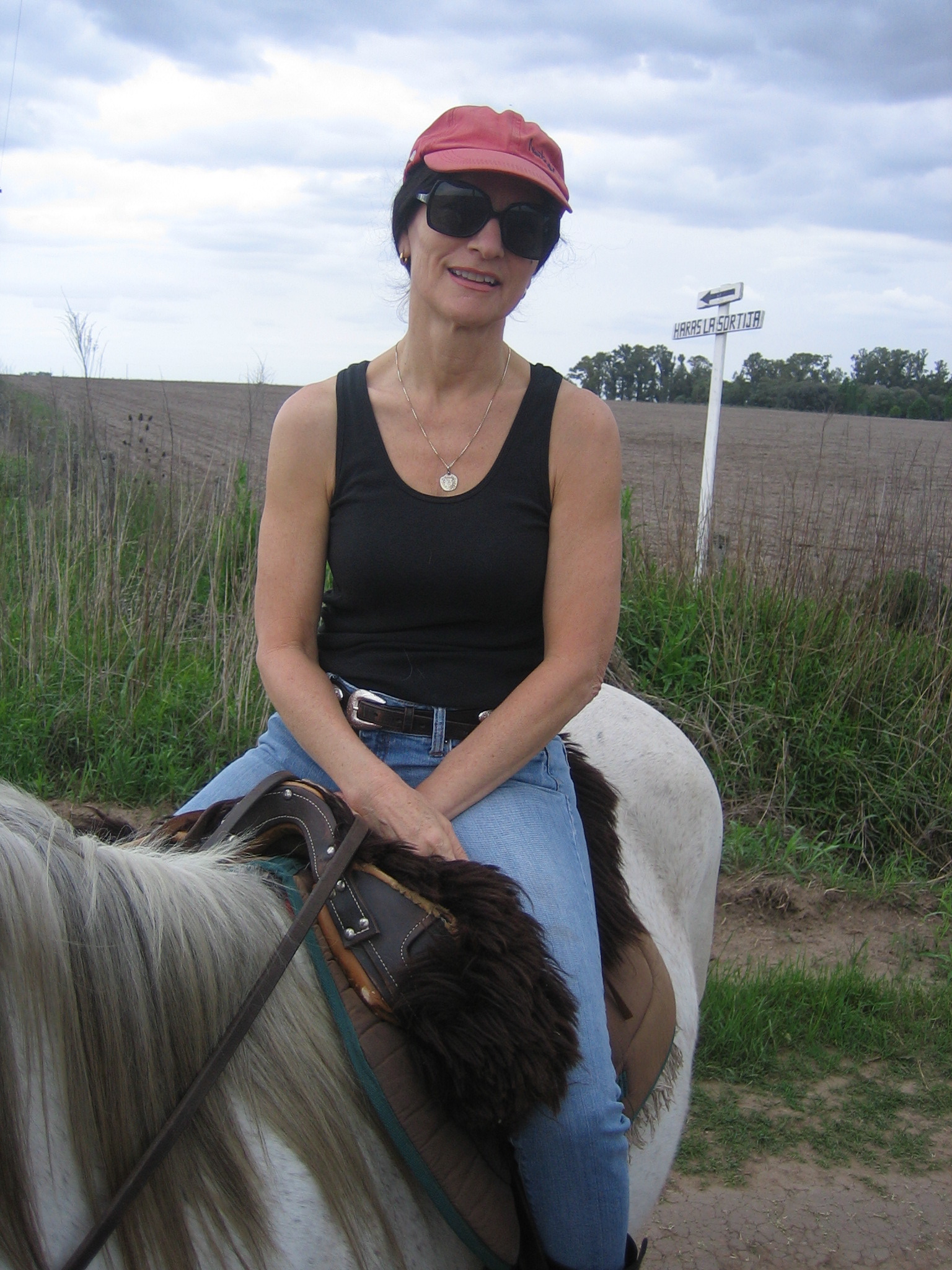
Here I am on a nice little grey gelding. When we were just walking along he wanted to lag behind the pack, but when we were loping, he moved right up to the front every time!

me on Gitano

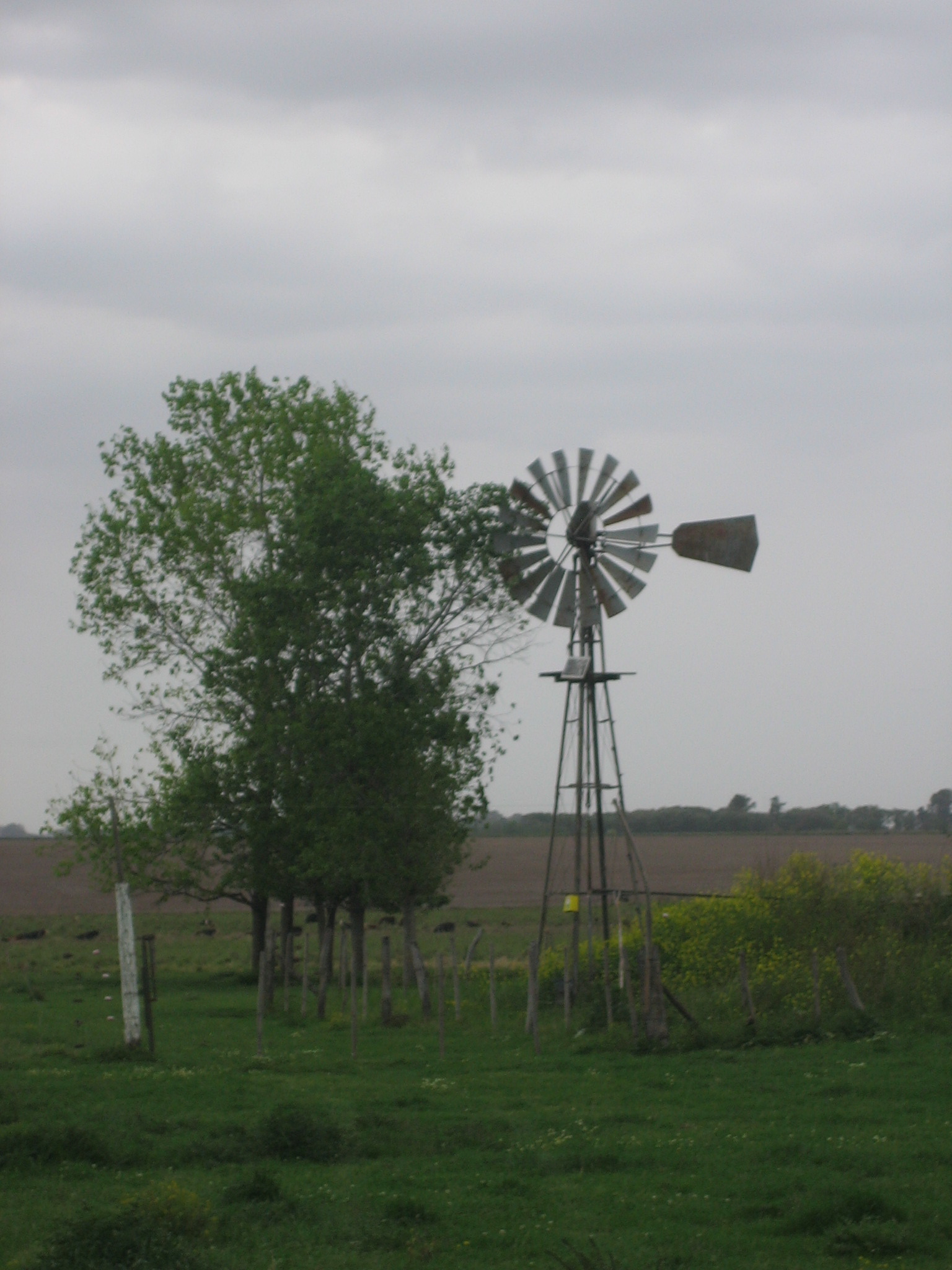
We rode for about an hour and a half. By the time we came upon this windmill and got thru the gate, we could see the clouds piling up. The rain was comin’!

a working windmill

We kicked our horses into gear and loped the last few hundred yards in the rain. Now that’s my idea of fun! After we unsaddled and got the horses put away, we hunkered down in the barn in some comfy canvas chairs to dry off while our host brewed up some mate. We passed it around, sucking it down thru the silver bombilla. Good medicine. This was our view out the barn door:

sweet view

You can just barely make out a gorgeous caballo criollo in this stall:

chewable stall doors

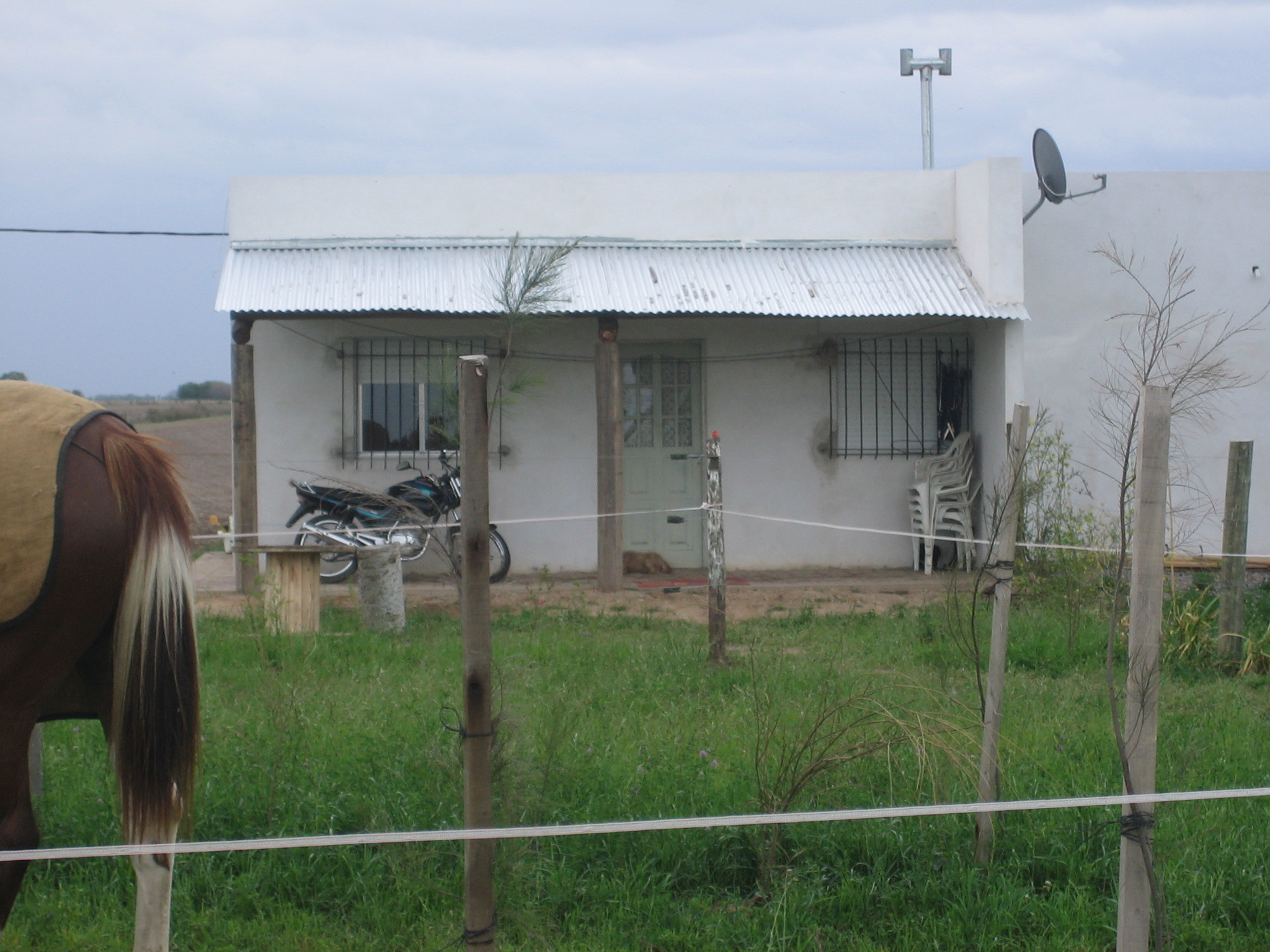
I like the clean, earthy design, but… but what if your horses decides to punch a hole in it with a double-barrel kick?  Here’s the ranch manager’s casita:

see the tri-color tail on the left?

I have to share a funny comment from my brother Kim:  “Hi Sis, I am really enjoying your tango blogs…  You are a great writer!  Not a bad photographer either (must have gotten that from Grandpa).  In the future please try to provide more photos of beautiful women instead of just guys, cowboys, etc.”  

Okay, bro, this one’s for you!  Ciao from Buenos Aires!
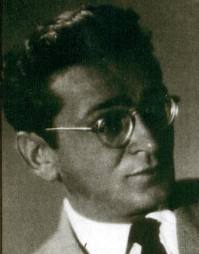
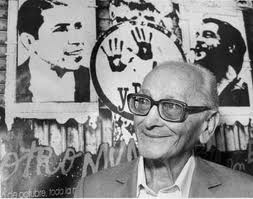
Liliana remembers her great-uncle Osvaldo Pugliese

My friend Liliano Populizio told me a lot about mate over, can you guess?  Mate cocidos, in a café downtown.  I met Liliana in Italian class at the Dante Alighieri Association.  Turns out her great-uncle was Osvaldo Pugliese.  How amazing is that?  Life just does funny things, you know?  Like putting someone in your path, because you were meant to know each other, meant to be friends.

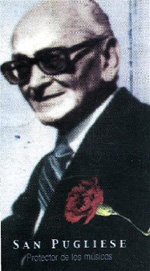
Osvaldo Pugliese was Liliana’s grandmother’s brother, on her dad’s side.  Pugliese and his wife Maria Concepción Florio (“Choli”) lived in Villa Crespo, a working class neighborhood not far from Barrio Norte. There’s a milonga in that barrio called Fulgor de Villa Crespo, and inside there is a little shrine to Pugliese with a photo and flowers.  We’ve danced there many times.

milonga Fulgor de Villa Crespo: "where Pugliese walked"

Pugliese was born on December 2, 1905.   His father Adolfo taught him violin at an early age, and he later studied at the Odeón Conservatory in Villa Crespo.  It was there he fell in love with the piano, and went on to make his debut into the world of tango at 15.  For those of you who don’t yet know one Tango orchestra from another, Pugliese was a celebrated pianist, composer and orchestra director.  Before forming his own orchestra in 1936, he played with other musicians including Alfredo Gobbi and Aníbal Troilo, and several other orchestras, including Angel D’Agostino, Roberto Firpo, Pedro Laurenz and Miguel Caló.  His first orchestra, organized in 1936 (with 3 bandoneons, 1 contrabajo, 2 violins and piano), debuted at La Nacional on Corrientes, where they were very well received.  So well, in fact, they headed off for a blazing tour of the country.  Apparently tango critics in the hinterland were not ready for Pugliese’s new sound, because the tour was such a disaster they had to pawn some instruments to get back home.  The next incarnation debuted in 1939, made their first recording in 1943 and continued, with occasional changes in musicians, for 55 years.

a young Osvaldo Pugliese

Some of Pugliese best-known tangos are Recuerdo, La Beba (named after his daughter Beba), Negracha, Malandraca, La Yumba.  He composed 150+ songs, and recorded more than 600 others.  His was one of the most highly-regarded Tango orchestras of the Golden Age of Tango.

In my research for this blog I found a website with some absolutely enlightened commentary on Pugliese’s music.  Keith Elshaw <ToTango.net> says it far better than my own rambling late-night scribblings:  “Pugliese influenced a change in the sound and feel of tango in each of five decades beginning with his first hit, Recuerdo (1921)…  His La Yumba in 1943 was like a revelation from on-high…  In the hard-core of Tango, Pugliese inhabits the axis.  He’s the hard stuff.  A 12-year-old single malt as opposed to a blend.  If his is an acquired taste, that alone indicates how deep into Tango people are.  A night without Pugliese for me is like trying to dance when the sound system is just a little too low and you can’t get into it.  You just wish they’d turn it up.  As it gets later in the night, I absolutely crave his music.”   Wherever you go to dance Tango… New York, London, Buenos Aires, Paris, Rome, Barcelona, Tokyo, Berlin… you will dance to Pugliese!  He was a Tango king!

Pugliese with Alberto Morán, Roberto Chanel (guitar)

Pugliese’s pro-labor, pro-communist views got him into trouble with the prevailing political powers of the era.  He was persecuted, censured and jailed for 6 years during the Perón era.  Liliano says that her great-aunt Choli took meals to her jailed husband every day, and also fed others who were incarcerated in the same area.  Apparently a lot of left-leaning artists, musicians, writers, professors and artists were thrown in jail by Perón, and they spent their days together… in a kind of involuntary never-ending political consciousness-raising workshop.  That would be a life-changing experience, to be sure.  Pugliese’s orchestra, famously, kept playing during his absence.  Hence the iconic picture of the rose on the piano, waiting for Pugliese’s return.

Liliana told me that her family is very musical, but that she is the exception!  Her aunt Beba also plays piano, like her dad.  Another musican in the family was Roberto Florio, a well-known Tango singer.  Liliana remembers her great-uncle very well.  He was always fooling around on the piano at home, but he found time to play with her, too.  Liliana has fond memories of her great-uncle.  They played a silly game where he would pull off one of her shoes and toss it, and she would run to fetch it.  Family get-togethers were never without musical accompaniment.

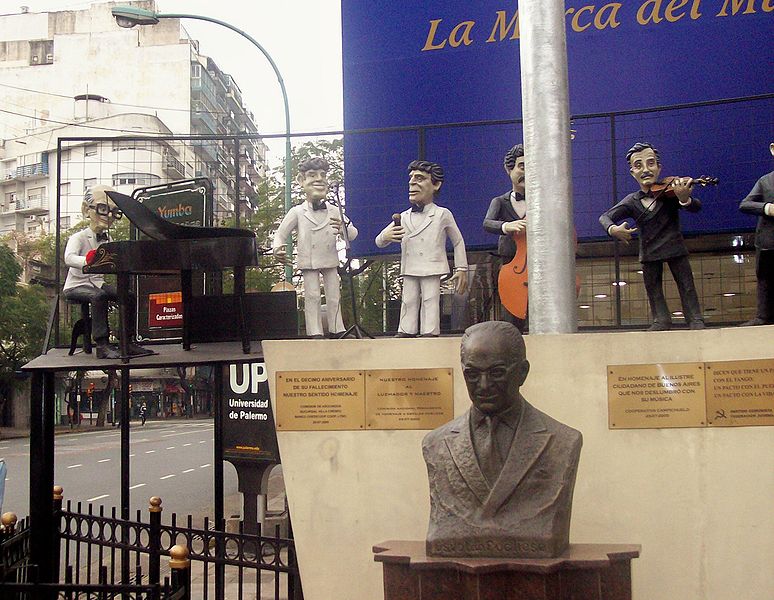
Pugliese received numerous distinctions, awards and medals during his long career.  He passed away in July, 1995.  His wife Maria Concepción passed away in 1971.   If you visit Buenos Aires you can see a bust of Liliana’s great-uncle, along with a caricature tango orchestra, in Villa Crespo.

Plazoleta Pugliese

Switching gears…. to Sin Rumbo.

We had a great time last night at Sin Rumbo.  What a fabulous milonga!  A classy place, elegant, the guys in jackets and ties, an authentic milonga porteña.  Black and white floor.  Perhaps the most authentic milonga, La Catedral del Tango!  The atmosphere at Sin Rumbo is so dense,  so rich in tango culture.  The walls are covered with original art, all of it about tango and especially about Sin Rumbo and the people who’ve danced there.  And those walls!  They’ve been watching people tango for 80+ years.

Sin Rumbo is the oldest Tango salon in Buenos Aires, and hosted by one of BA’s most famous milongueros, Julio Dupláa.  He was one of the judges of the Tango World Finals.  And guess who else was there last night?  Alberto Podestá, world-famous tango singer.  Naturally  I forgot to bring my camera (kind of getting over being the tourist, now that I live here), but we’ll be back.

We got there about 11 pm; it was crowded so they sat us at a table with a couple who told us they have been dancing tango since they met (58 years ago!) & married (4 years later!)  They were really friendly and happy to talk to us.  And such good dancers!  No kidding, after all those years… they got a good thing goin’!  So nice to get the local perspective.  Sin Rumbo, despite being world-famous, is just a neighborhood milonga, full of people who know each other well, and still like each other.  The dancers navigated the floor so nicely, no bulldozers or deadhead dancers.  This kind of tango magic we call being connected to our partner, and connected to the music, and connected to everyone else on the dance floor.  Love that feeling of connection. Connection-addiction!  Endorphin-producing connection-addiction!  Like Romeo said to Juliet: Give me my sin again!

Takes two to tango...

Listen up  readers!

please please please write a few lines about how you got addicted to tango.  don’t worry I won’t put your name in!  People are already sending their stories to me, you’re going to love reading this stuff!  Maybe this could be turned into… a book?  a movie?  a comic strip?  I mean, I’m having so much fun doing this, shouldn’t I be getting paid?  In my dreams!   send your words to: <runninghawk.willow@gmail.com>  thanx thanx thanx thanx thanx & etc!  

Ciao from Buenos Aires!
Yerba Mate, Symbol of Argentine National Identity

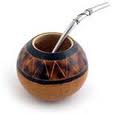
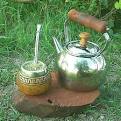
So what is this stuff people are drinking out of a little gourd with a funny metal straw?  Yerba Mate is an evergreen plant of the Holly family (scientific name ilex paraguariensi) and is indigenous to subtropical south America. The Guaraní people, who inhabited the area that we now know as southern Brasil, Argentina, Uruguay and Paraguay, first learned to harvest and brew mate.  People of the Río de la Plata region have been drinking mate for thousands of years.

Mate leaves contain caffeine.  Depending on who you talk to, of course, mate has significant health benefits:  it’s anti-carcinogenic, anti-oxidant, speeds up your metabolism, clears your sinuses, lowers your cholesterol, relaxes your muscles, and promotes a healthy heart.  Sounds good to me!  But I’m already addicted to black tea!  From time to time I buy mate, brew a cup (it’s called mate cocido if you brew it with a tea bag instead of loose tea in your gourd) and drink it with a little sugar… delicious!

girl in red dress drinking mate

The flavor of mate is reminiscent of green tea.  Freshly harvested mate is sometimes smoked over a wood fire to give it a smoky flavor.  Sounds like the cowboy version.  According to La Nación, straight, unsweetened mate is called cimmarón and is preferred by men, while women and children prefer theirs sweetened, and children especially like it mixed with milk or juice.  Mate can be drunk hot or iced.  Street vendors sell it.  In Brasil, on the coast, they drink mate batido: iced, sweetened, with or without fruit flavoring, made with the smoky mate which is spicier and less bitter.  Shake it up and it becomes creamy, like a smoothie.  Yum!  More please!
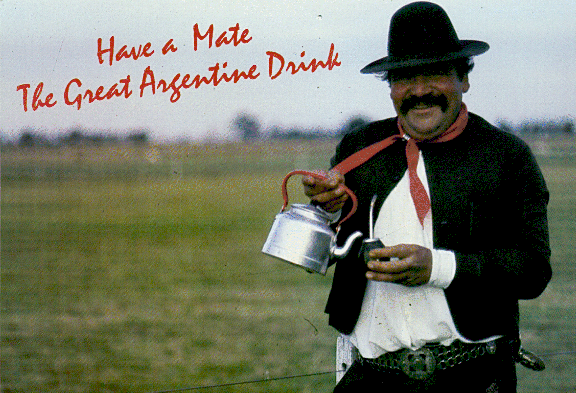
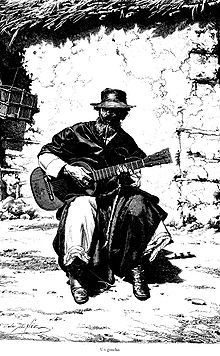
a happy mate-guzzling gaucho!

But mate is not just a drink, it’s a social activity.  Families and friends drink mate ritually.  The gourd is passed from person to person.  Each person drinks it up, then passes it back to the host or hostess who throws in some more herb and then fills the gourd with hot water (not boiling! or it will be bitter), and it gets passed to the next person.  Even little kids drink mate in the morning before school.  This could be the perfect beverage for your little wolf pack!

Mate keeps you going all day!

Here in Buenos Aires I see people drinking mate in cafés and restaurants, at the park with friends and family, and of course tango teachers can be seen sipping it during workshops (the ubiquitious thermos and gourd: Gato and Andrea, always!).

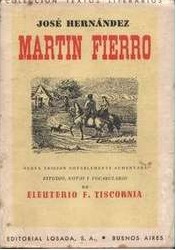
I first read about mate when I was in grad school.  Martín Fierro was the protagonist in an epic poem of the same name, written by José Hernández in 1872.  He was a tough, sun-baked, hard-riding, quintessential cowboy of the Pampas. Kind of an Argentine John Wayne: independent, heroic and self-sacrificing.  Martín Fierro fought social injustice and so became an outlaw.

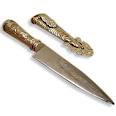
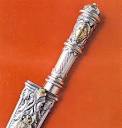
Gauchos lived by their macho code of honor… survivalists to the core. They wore flashy belts decorated with old coins (cowboy glam: I want one!) and they were always ready to unholster their dangerously beautiful daggers (called a facón) worked in silver and horn. They had redeeming qualities though, like being fond of horses and wide-open spaces. Not surprising that Martín Fierro is considered a founding text of Argentine culture and history.  Get off your horse, facón in your belt, and sip your mate as you sit of an evening around the campfire and read Martín Fierro.  It’s long, and it’s all in verse. But it’s a long way to town, too, and what else can you do while you’re out there keeping watch over the herd?

About sixty years or so after Martín Fierro, Borges wrote a now-famous short story called “El Sur” in which a hopelessly civilized city youth, living in the Buenos Aires of the 1930s, returns to the town of his forefathers, on the Pampas, and is challenged to a knife-fight by a local gaucho bully.  He can’t back down, because that very same macho code of honor that he still has a few drops of in his blood comes welling to the surface as he steps outside to meet his death.

Part of the Argentine self-image, then, is the gaucho and the code. We’re way beyond the mate now.  We’re a long way from Tango, too, but it all fits in somewhere.  This is just another piece of the puzzle of Argentina:  tango, mate, gauchos, waves of migration. What a delicious, rich, cultural stew.  As you read the first verse of Martín Fierro, look for the Tango lyrics, and you will find them, ready to be put to music in a new century, the 19th.

Aquí me pongo a cantar

al compás de la vigüela

que al hombre que lo desvela,

una pena estrordinaria

como la ave solitaria

con el cantar se consuela.

Ciao from Buenos Aires!